Overview
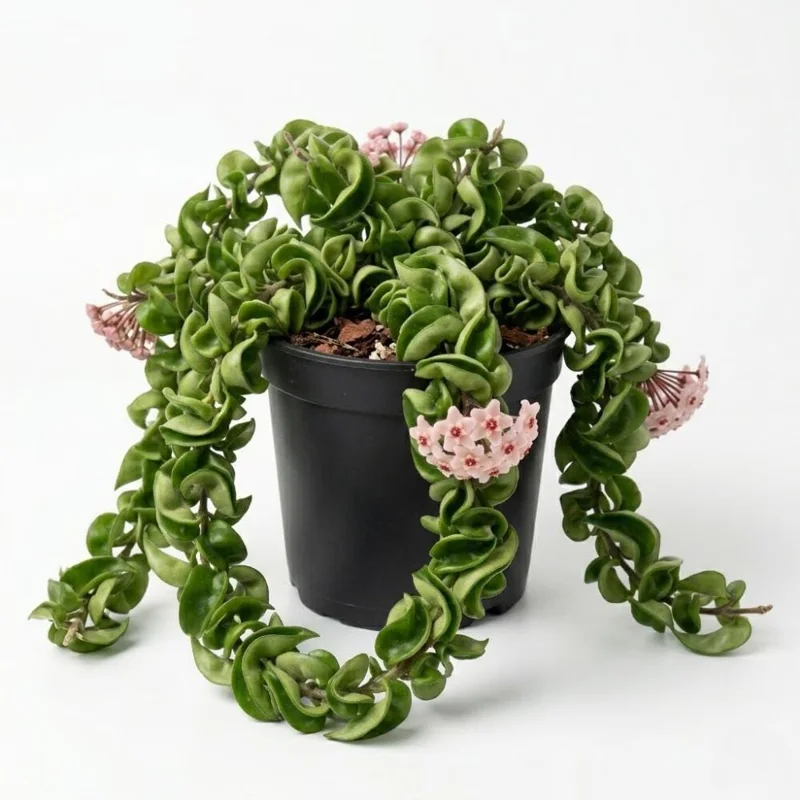
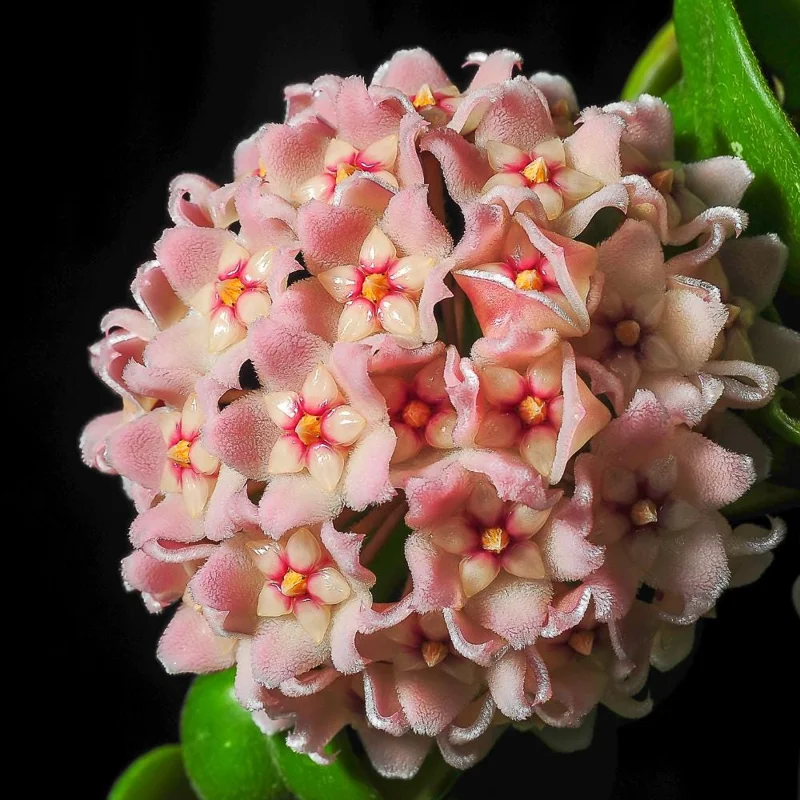
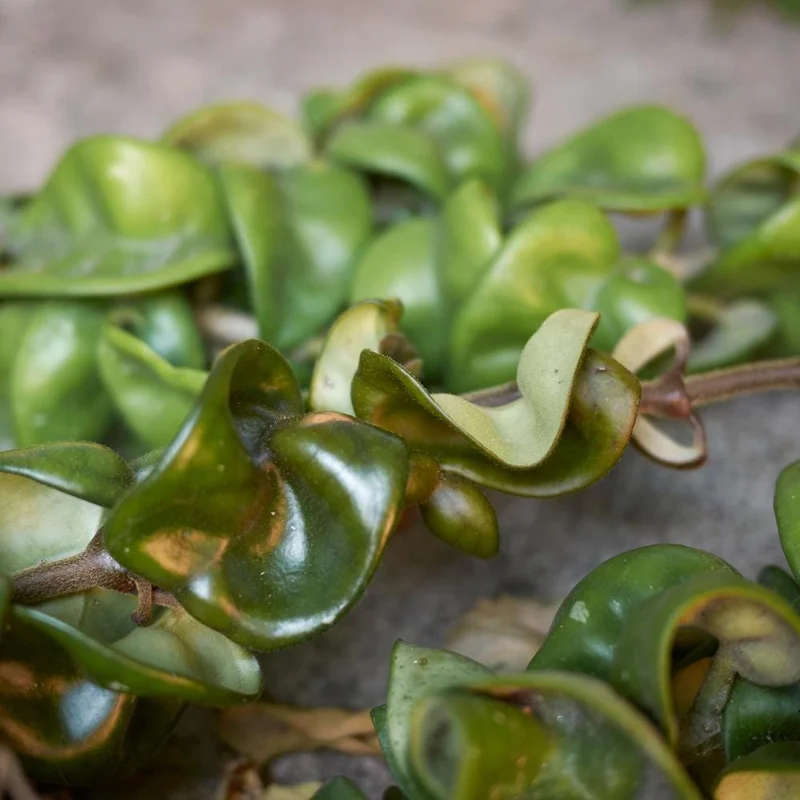
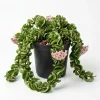
Introduce a touch of botanical artistry to your home with the twisted hoya live plant, a captivating and easy-to-care-for houseplant. Also known as Hoya carnosa ‘Compacta’ or Hindu Rope Plant, this unique specimen is celebrated for its thick, waxy leaves that grow in a fascinatingly twisted and curled manner, forming dense, rope-like stems. Originating from Eastern Asia and Australia, Hoyas are epiphytic plants that, in their natural habitat, grow on other plants or trees without being parasitic. This particular variety, the twisted hoya live plant, is a trailing plant that adds an architectural element to any indoor space, making it a perfect choice for shelves, desks, or hanging baskets. It arrives well-rooted in a 3-inch pot, prepared for continued growth and enjoyment in your home.
The distinctive appearance of the hoya plant care makes it a conversation starter, offering lush green foliage that is both visually appealing and relatively low maintenance. Whether you are a seasoned plant enthusiast or just beginning your indoor gardening journey, this plant will reward you with its resilience and unique beauty. Embrace the charm of this extraordinary plant and watch as its trailing stems gracefully develop, bringing a piece of the exotic into your living environment.
Key Benefits
The twisted hoya live plant offers numerous advantages for indoor gardeners, combining aesthetic appeal with practical benefits. Its unique growth habit and robust nature make it a favored choice for many. Understanding the specific benefits can help you appreciate this plant even more.
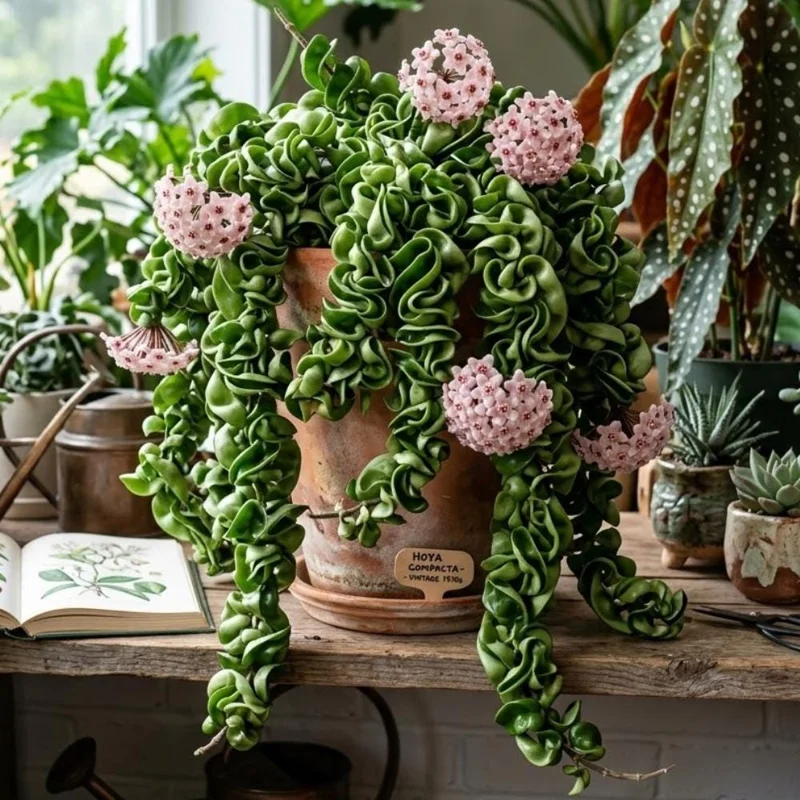
- Unique Aesthetic Appeal: The most striking feature of this plant is its thick, dark green leaves that are tightly curled and folded, resembling a braided rope. This distinctive texture and form add significant visual interest and a unique sculptural quality to any room.
- Easy to Care For: Known for its resilience, the hoya plant care requirements are relatively simple, making it an excellent choice for both novice and experienced plant owners. It tolerates a range of indoor conditions and is forgiving of occasional neglect.
- Air Purification: Like many houseplants, the Hoya carnosa ‘Compacta’ contributes to a healthier indoor environment by helping to filter and purify the air, improving overall air quality in your home or office space.
- Compact & Versatile: Its moderate growth rate and trailing habit make it ideal for various display options. It thrives in small indoor spaces, on shelves, in hanging planters, or even as a desk plant, providing greenery without taking up excessive room.
- Long-Lived Plant: With proper care, a twisted hoya live plant can be a long-term companion, growing and developing its unique character over many years, offering enduring beauty.
- Infrequent Watering Needs: As a semi-succulent, it stores water in its thick leaves, meaning it doesn’t require constant watering, which is a great benefit for busy individuals or those who tend to forget watering schedules.
Plant Care & Growing Tips
Caring for your twisted hoya live plant is straightforward, making it one of the more rewarding indoor trailing plant options. Understanding its basic needs will ensure it thrives and continues to display its beautiful, distinctive foliage. These plants appreciate consistency but are also quite tolerant.
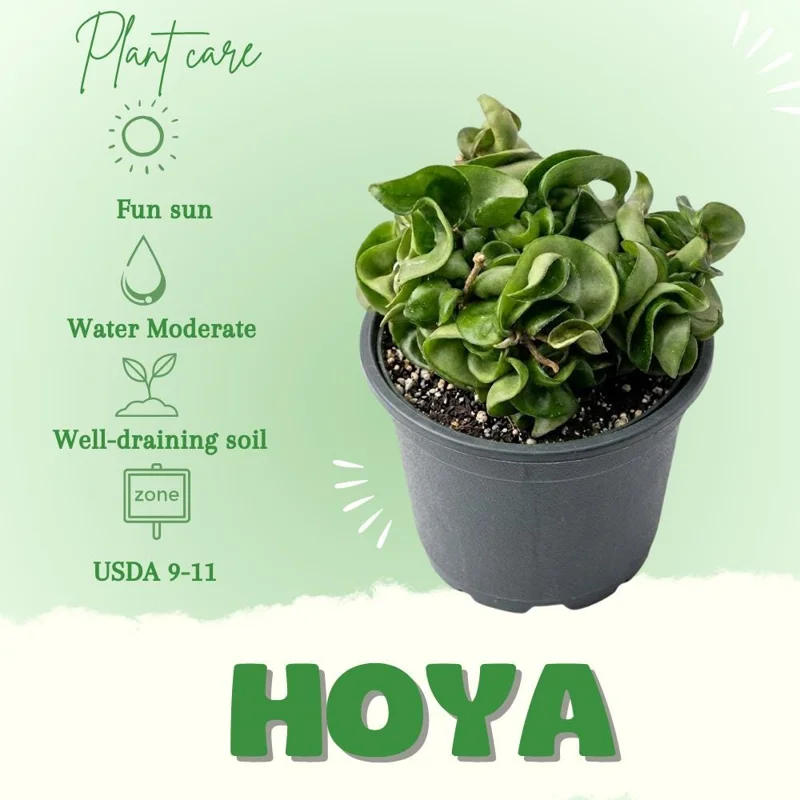
Sunlight Requirements: The Twisted Hoya, like most Hoyas, prefers bright, indirect light. An east or west-facing window is often ideal, providing gentle morning or afternoon sun. Direct, harsh midday sun can scorch its leaves, so avoid placing it in intense, unfiltered light. If light is too low, the plant may not grow as vigorously or produce its characteristic twisted foliage as prominently. Aim for at least 4-6 hours of bright, indirect light daily. For optimal growth and to encourage the unique shape of this hoya plant care, ensure it receives adequate luminosity without being exposed to harsh conditions.
Watering Schedule and Soil Moisture: This plant is semi-succulent, meaning its thick leaves store water. Therefore, it’s crucial to allow the soil to dry out almost completely between waterings to prevent root rot, which is the most common issue for Hoyas. Stick your finger about two inches into the soil; if it feels dry, it’s time to water thoroughly until water drains from the bottom of the pot. In winter, reduce watering frequency significantly. Ensure your pot has drainage holes. Overwatering is far more detrimental than underwatering for a twisted hoya live plant.
Soil Type and Drainage: A well-draining potting mix is essential. A standard aroid or succulent mix, often containing perlite, orchid bark, and peat, works well. This type of soil provides good aeration for the roots and prevents waterlogging. The plant thrives in USDA zones 9-11 if grown outdoors, but it is typically grown as an indoor plant in most climates due to its sensitivity to cold. Fertilize sparingly during the growing season (spring and summer) with a balanced liquid fertilizer diluted to half strength, once every 2-4 weeks. Reduce or stop fertilizing in fall and winter. Keep an eye out for common pests like mealybugs or spider mites, especially in dry conditions. Regular inspection and prompt treatment with neem oil or insecticidal soap can keep your plant healthy. This careful approach to hoya plant care will lead to a flourishing specimen.
Size & Details
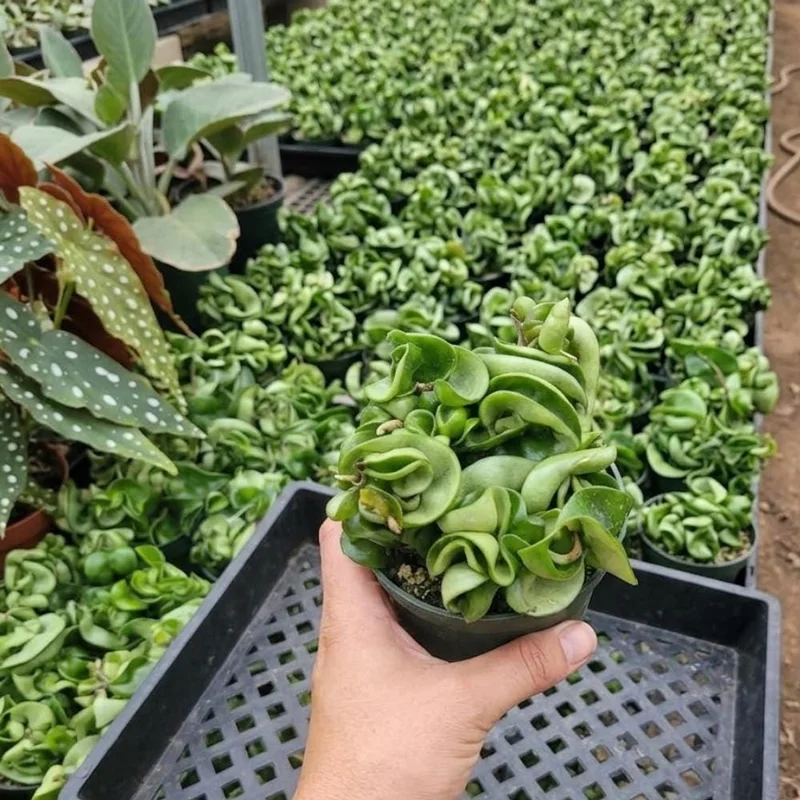
The twisted hoya live plant you receive is well-established in a 3-inch nursery pot, providing a solid foundation for continued growth. At this size, the plant typically features several trailing stems, each adorned with its signature curled, thick green leaves. While individual plant dimensions can vary slightly, you can expect a compact plant that is ready to be placed on a shelf, desk, or in a small hanging planter. The stems will gradually lengthen over time, creating a beautiful cascading effect. The growth rate is moderate, allowing you to enjoy its development without it quickly outgrowing its space. This plant ships as a live, rooted specimen, carefully packed to ensure its safe arrival. Expect the unique leaf form to become more pronounced as the plant matures, showcasing the distinct characteristics of this unique houseplants variety. It is grown to be ready for you to continue its journey to becoming a full, lush trailing display.
Frequently Asked Questions
- Q: How big does this plant get? A: A twisted hoya live plant in a 3-inch pot will continue to grow its trailing stems, which can eventually reach several feet in length. The plant itself remains relatively compact at the base, making it ideal for smaller spaces.
- Q: What size pot does it come in? A: This twisted hoya live plant is grown and shipped in a 3-inch nursery pot, providing ample space for its initial growth and establishment.
- Q: Is this an indoor or outdoor plant? A: The Twisted Hoya is primarily grown as an indoor plant due to its sensitivity to cold temperatures. It thrives in typical indoor conditions with bright, indirect light, making it an excellent indoor trailing plant.
- Q: How much sunlight does it need? A: This plant prefers bright, indirect light. Avoid direct, harsh sunlight which can burn its leaves. An east or west-facing window is usually ideal for optimal hoya plant care.
- Q: Is this plant easy to care for? A: Yes, the Twisted Hoya is considered a low-maintenance plant and is relatively easy to care for, making it suitable for beginners and those looking for unique houseplants that don’t demand constant attention.
- Q: What condition will it arrive in? A: Your twisted hoya live plant will arrive well-rooted in its 3-inch pot, carefully packed to ensure it reaches you in healthy, vibrant condition, ready for its new home.
- Q: Is it shipped in soil? A: Yes, the plant is shipped securely in its original potting medium within the 3-inch nursery pot to minimize stress and ensure its health upon arrival.
- Q: Can it be grown in a hanging basket? A: Absolutely! The trailing nature of the twisted hoya live plant makes it an excellent candidate for hanging baskets, allowing its unique rope-like stems to cascade beautifully.
- Q: What is the best way to water it? A: Water thoroughly when the top two inches of soil feel dry. Allow excess water to drain completely from the bottom of the pot to prevent root rot. This is a crucial aspect of good hoya plant care.
- Q: Is this plant pet-safe? A: While Hoyas are generally considered non-toxic to pets, it’s always best to prevent pets from munching on any houseplants to avoid potential stomach upset.




Reviews
There are no reviews yet.