Overview
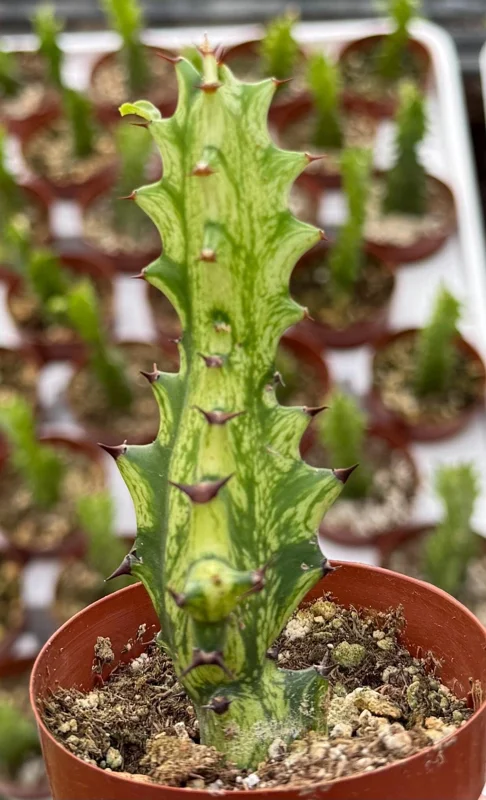
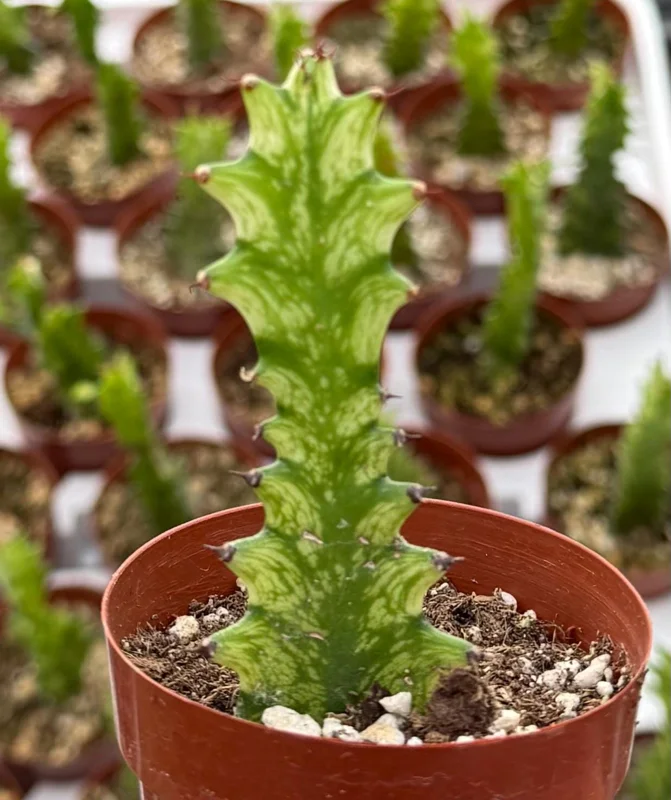
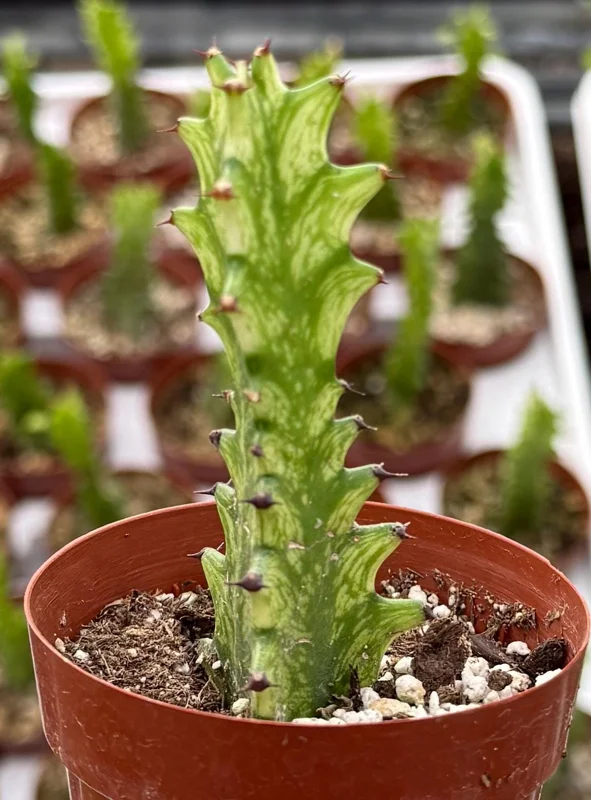
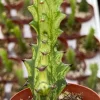
The variegated African Milk Tree, scientifically known as Euphorbia Trigona, is a truly captivating and easy-to-care-for succulent that brings a unique architectural element to any indoor space. Despite its cactus-like appearance, it is a succulent, not a true cactus, celebrated for its robust nature and striking coloration. This particular cultivar stands out with its vibrant green stems adorned with irregular creamy white, pale yellow, or pinkish variegation, creating a stunning visual contrast. Native to Central Africa, this plant is well-adapted to thrive in a range of indoor environments, making it an excellent choice for both novice and experienced plant parents looking for a distinctive and low-maintenance addition to their collection. Its upright growth habit allows it to reach impressive heights indoors, providing significant vertical interest.
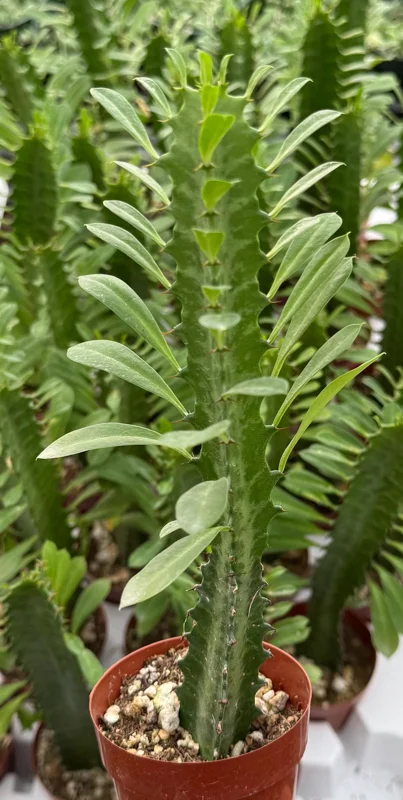
This ornamental succulent is a conversation starter, perfect for adding a touch of exotic flair to shelves, desks, or floor spaces. Its unique form and vibrant variegation ensure it captures attention, while its forgiving nature makes it a joy to grow. The Euphorbia Trigona care requirements are minimal, primarily needing bright light and infrequent watering, reflecting its drought-tolerant heritage. Each plant is a living sculpture, with its spiny ridges and occasional tear-shaped leaves adding to its intricate beauty.
Key Benefits
The variegated African Milk Tree offers numerous advantages, making it a highly desirable houseplant. Its striking appearance and straightforward care routine contribute to its popularity and appeal.
- Unique Ornamental Appeal: This succulent boasts visually stunning green stems with irregular creamy white or pinkish variegation, providing a unique architectural element and vibrant color contrast that enhances any room’s aesthetic. It’s a true statement piece.
- Low Maintenance & Drought Tolerant: Ideal for busy individuals or beginners, the variegated African Milk Tree requires minimal attention. It thrives on infrequent watering, preferring its soil to dry out completely between waterings, making it very forgiving.
- Vertical Growth Habit: Growing upright and capable of reaching several feet tall indoors, this plant is perfect for adding vertical interest to your space, drawing the eye upwards and filling empty corners with living art.
- Air Purifying Qualities: Like many houseplants, the indoor succulent plant contributes to a healthier indoor environment by helping to filter toxins and improve air quality, creating a fresher living space.
- Resilient & Hardy: Known for its robust nature, the Euphorbia Trigona is resistant to many common plant pests and diseases, ensuring a long and healthy life with proper care.
- Adaptable to Various Light Conditions: While it prefers bright, indirect light, it can also tolerate full sun, offering flexibility in placement within your home. This adaptability makes Euphorbia Trigona care even easier.
- Collectible Plant: Its distinctive variegated form makes it a sought-after specimen for succulent collectors and enthusiasts looking to expand their unique plant collections. This is a truly special ornamental succulent.
Plant Care & Growing Tips
Proper Euphorbia Trigona care is straightforward, focusing on light, water, and soil conditions to ensure this resilient succulent thrives. Providing the right environment will allow your variegated African Milk Tree to flourish and maintain its vibrant appearance. It’s important to remember that while it looks like a cactus, its needs are distinctly succulent.
For optimal growth, place your variegated African Milk Tree in a location that receives bright, indirect light. While it can tolerate full sun, especially if gradually acclimated, too much intense, direct sunlight can sometimes scorch the variegated parts of the plant. A south or west-facing window with a sheer curtain is often ideal. During winter months, when light is scarcer, ensure it still receives ample brightness. This plant is sensitive to overwatering, so allow the soil to dry out completely between waterings. In warmer months, this might mean watering every 2-4 weeks, while in winter, it could extend to once a month or even less. Always check the soil moisture before watering. Use a well-draining potting mix specifically formulated for succulents and cacti to prevent root rot.
The indoor succulent plant prefers warm temperatures, ideally between 65-80°F (18-27°C) and can tolerate slightly cooler temperatures but should be protected from frost. It is generally hardy in USDA zones 9-11 if grown outdoors, but it is primarily cultivated as a houseplant in most regions. Fertilize sparingly; a balanced liquid succulent fertilizer diluted to half strength can be applied once in spring and once in summer. Repot only when the plant becomes root-bound, typically every 2-3 years, and always use a pot with drainage holes. Common problems include root rot from overwatering and mealybugs, which can be treated with insecticidal soap. Handle with care, as the milky sap can be irritating and the spines are sharp. This low-maintenance houseplant is truly a rewarding addition to any collection.
Size & Details
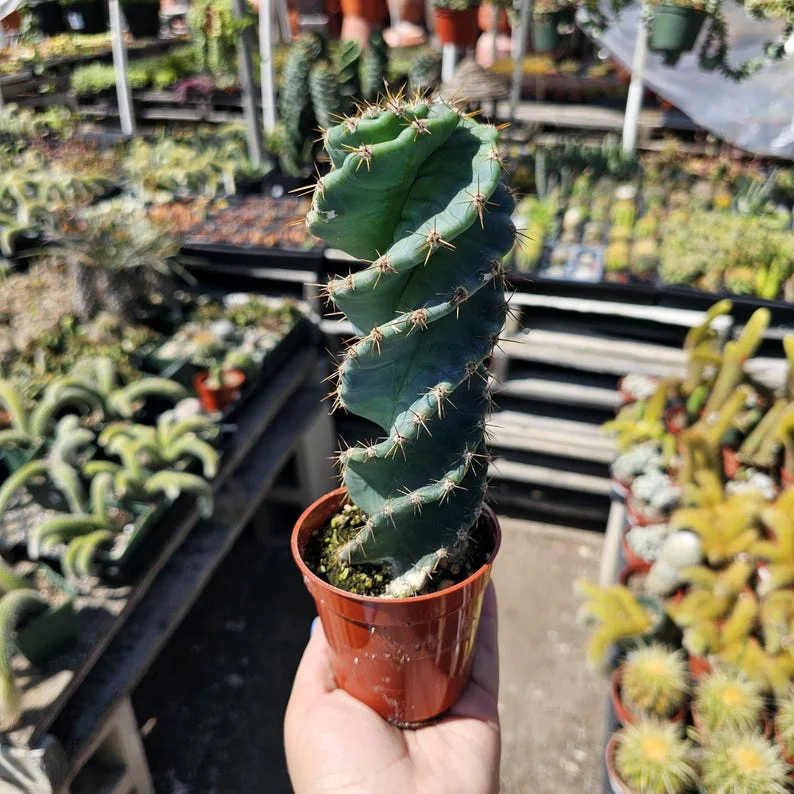
This variegated African Milk Tree is supplied as a live plant, typically arriving in a 3 inch pot, ready to be placed in your home. At this stage, the plant usually stands between 6-10 inches tall, offering a compact yet impactful presence. As it matures, it can grow significantly, often reaching several feet tall indoors, making it an excellent choice for adding vertical height and drama to your interior decor. Its growth rate is moderate, allowing you to enjoy its development over time without it quickly outgrowing its space. The plant’s unique triangular stems and vibrant green and creamy white variegation make it a striking focal point. Each plant is carefully selected to ensure health and vigor upon arrival, providing you with a beautiful and thriving ornamental succulent.
The plant’s distinctive form features spiny ridges along its stems, which may occasionally sprout small, tear-shaped variegated leaves. These leaves add another layer of visual appeal to the already captivating structure of the plant. When mature, the plant can spread several inches wide, creating a substantial and impressive specimen. The 3 inch pot provides a good starting point, and you can expect to repot it into a slightly larger container as it grows. With its striking appearance and manageable size, this low-maintenance houseplant is perfect for shelves, windowsills, or as a desk companion, gradually transforming into a majestic indoor tree.
Frequently Asked Questions
- Q: How big does this plant get? A: The variegated African Milk Tree typically arrives in a 3 inch pot and is 6-10 inches tall. Indoors, it can grow several feet tall, often reaching 3-6 feet with proper care, providing significant vertical interest.
- Q: Is this an indoor or outdoor plant? A: While it can be grown outdoors in warm climates (USDA zones 9-11), the variegated African Milk Tree is primarily cultivated as an indoor succulent plant in most regions due to its sensitivity to cold temperatures.
- Q: How much sunlight does it need? A: This plant thrives in bright, indirect light. It can tolerate some direct morning sun but should be protected from intense afternoon sun, which can scorch its variegated sections.
- Q: Is this plant easy to care for? A: Yes, the variegated African Milk Tree is considered a very low-maintenance houseplant. Its drought tolerance and minimal care requirements make it suitable for beginners and busy plant owners.
- Q: What condition will it arrive in? A: Your variegated African Milk Tree live plant will arrive healthy and well-packaged in its 3 inch pot, ready to be placed in your home. We ensure careful handling during shipping.
- Q: How often should I water my Euphorbia Trigona? A: Water sparingly. Allow the soil to dry out completely between waterings. This could be every 2-4 weeks in warmer months and less frequently in winter, depending on your home’s conditions.
- Q: What kind of soil is best for this ornamental succulent? A: A well-draining cactus or succulent potting mix is ideal. Good drainage is crucial to prevent root rot, which this plant is susceptible to if overwatered.
- Q: Is the milky sap harmful? A: Yes, the milky sap (latex) produced by the variegated African Milk Tree can be irritating to skin and eyes. It’s best to handle the plant with gloves and wash hands thoroughly after contact.
- Q: Can I propagate this plant? A: Yes, the variegated African Milk Tree can be propagated from stem cuttings. Allow the cut end to callus for a few days before planting in well-draining soil.
- Q: Why are the leaves falling off my plant? A: Leaf drop can be a sign of overwatering, underwatering, or a sudden change in environmental conditions. Assess your watering schedule and light exposure to address the issue. This is a common concern for Euphorbia Trigona care.








Reviews
There are no reviews yet.