Overview
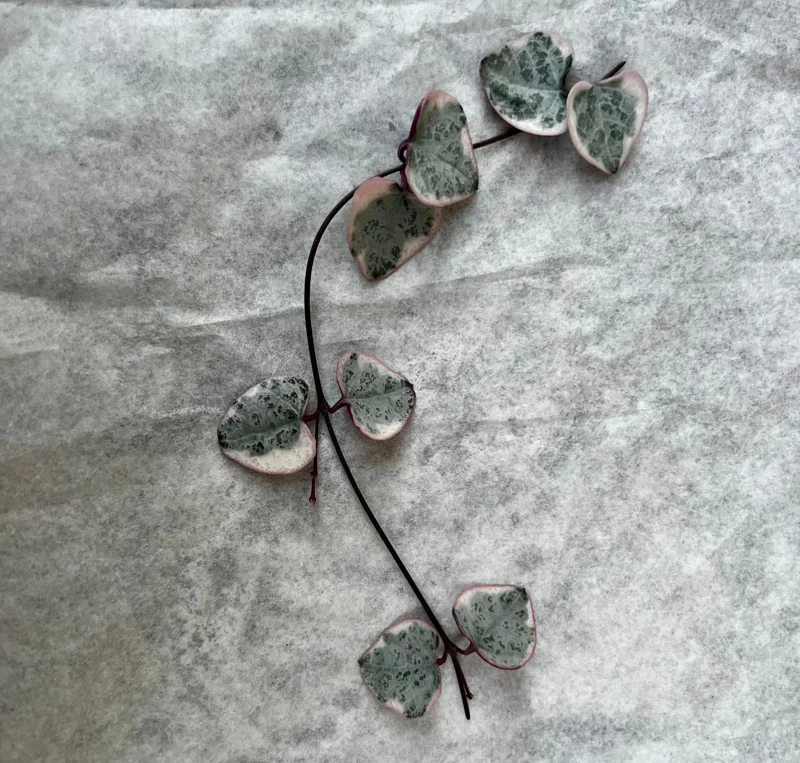
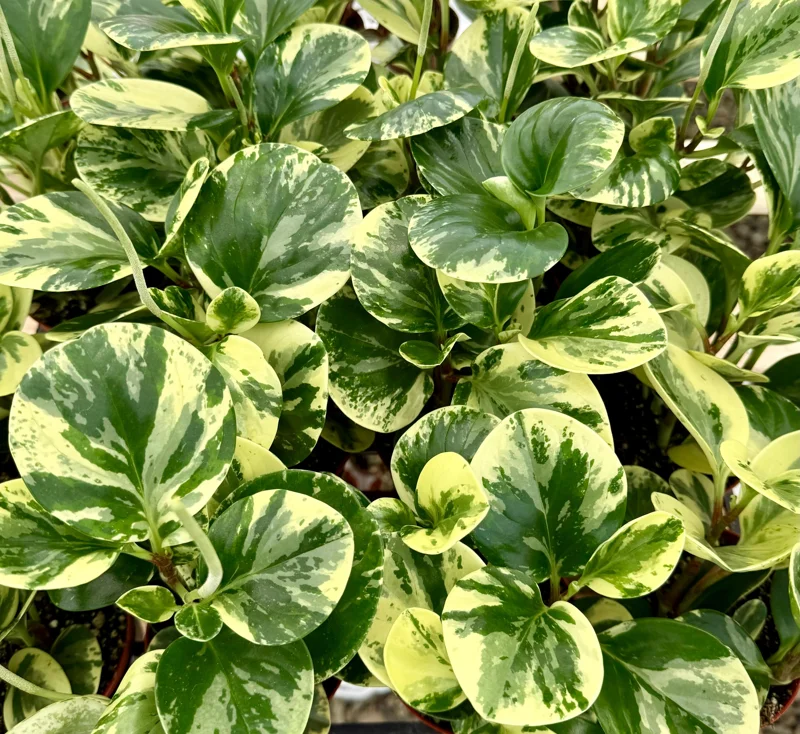
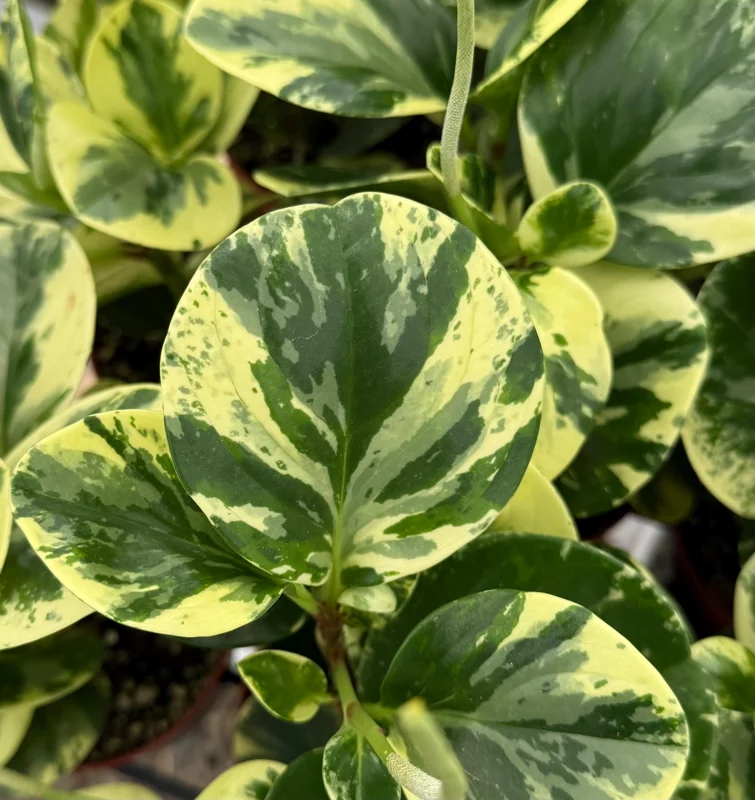
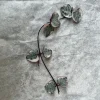
Cultivate your own stunning display with this vibrant Variegated String of Hearts cutting, featuring 4 healthy nodes. This popular succulent, scientifically known as Ceropegia woodii ‘Variegata’, is beloved for its heart-shaped leaves adorned with shades of green, cream, and pink, trailing gracefully from its delicate stems. Perfect for plant enthusiasts looking to expand their collection or beginners eager to try propagation, this cutting offers a rewarding experience. The Variegated String of Hearts cutting is an excellent choice for creating lush hanging baskets or adding unique texture to a succulent arrangement. Its distinctive appearance and relatively easy care make it a standout among indoor houseplants.
The 4-node cutting provides a strong foundation for successful rooting and growth. Each node is a potential point for new roots and foliage, increasing your chances of establishing a robust new plant. This particular variety is cherished for its colorful variegation, which becomes more pronounced with adequate light, making it a truly captivating addition to any indoor garden. Prepare to watch your new Variegated String of Hearts cutting transform into a cascading beauty.
Key Benefits
The Variegated String of Hearts cutting offers numerous advantages, making it a highly desirable plant for any home. Its unique aesthetic and manageable care requirements contribute to its widespread appeal. Here are some of the key benefits:
- Stunning Ornamental Appeal: The delicate, heart-shaped leaves with their attractive pink, cream, and green variegation provide a beautiful visual display, perfect for enhancing any indoor setting. The trailing habit makes it ideal for hanging baskets or shelves.
- Easy Propagation: With 4 healthy nodes, this cutting is designed for easy and successful propagation. Simply place the nodes on moist soil or in water, and watch new roots and growth emerge, making it a rewarding project.
- Low Maintenance: Once established, the String of Hearts plant care is relatively straightforward. It’s a drought-tolerant succulent that doesn’t require constant attention, making it suitable for busy individuals.
- Air Purifying Qualities: Like many houseplants, the Variegated String of Hearts contributes to improved indoor air quality by filtering out certain toxins, creating a healthier living environment.
- Versatile Decor: Its trailing nature allows for versatile placement. Hang it in a window, drape it from a shelf, or let it cascade from a pot on a desk to add a touch of natural elegance.
- Compact Growth: While it can grow long, its stems are delicate, making it a great choice for smaller spaces where a lush, yet not overpowering, plant is desired.
- Pet-Friendly: The Variegated String of Hearts is generally considered non-toxic to pets, offering peace of mind for pet owners who want to enjoy beautiful houseplants.
Plant Care & Growing Tips
Proper String of Hearts plant care is essential for successful propagation and long-term health. For this Variegated String of Hearts cutting, start by choosing your preferred propagation method: water or soil. For soil propagation, lay the 4 nodes gently on top of moist, well-draining potting mix, ensuring good contact. You can lightly pin them down if needed. For water propagation, submerge only the nodes in water, changing it every few days.
Once rooted and established, provide bright, indirect light. A south or west-facing window with filtered light is ideal to maintain the vibrant variegation. Avoid direct, harsh sunlight, which can scorch the delicate leaves. Water thoroughly when the soil is completely dry, typically every 2-4 weeks depending on humidity and light. Overwatering is the most common cause of problems for this trailing succulent, so ensure excellent drainage. Fertilize sparingly during the growing season (spring and summer) with a diluted liquid succulent fertilizer, about once a month. The ideal temperature range is between 65-80°F (18-27°C), avoiding temperatures below 50°F (10°C).
The Ceropegia woodii propagation process is generally straightforward, but patience is key. Roots can take several weeks to form. Ensure good air circulation around the plant to prevent fungal issues. If you notice the leaves becoming soft or shriveled, the plant might be underwatered, or the roots might not be established yet. Conversely, yellowing or mushy leaves indicate overwatering. With proper care, your new Variegated String of Hearts cutting will flourish into a magnificent specimen, adding a unique touch to your home.
Size & Details
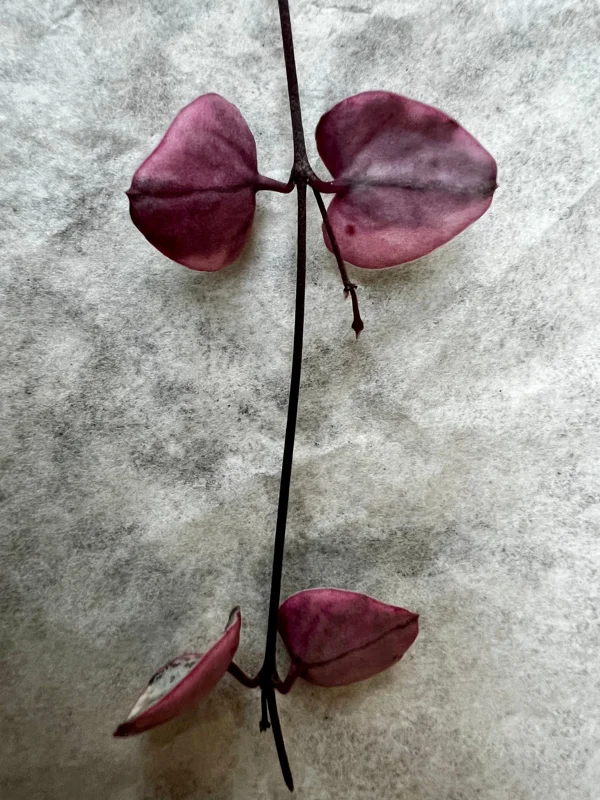
This offering includes one healthy Variegated String of Hearts cutting, featuring exactly 4 well-developed nodes. Each node is crucial for successful rooting and new growth, providing multiple points for establishment. While the exact length of the cutting may vary slightly, the focus is on the quality and viability of the nodes, which are the key to successful propagation. Upon arrival, the cutting will be unrooted and ready for you to begin the propagation process, whether in water or a suitable potting mix.
The trailing succulent has a moderate growth rate once rooted, with stems capable of reaching several feet in length over time, creating a beautiful cascading effect. When mature, the leaves typically measure about 0.5 to 1 inch across. This cutting is an ideal starting point for growing your own full-sized plant, allowing you to enjoy the entire journey of cultivation. Expect your new plant to begin showing significant growth within a few months of successful rooting.
Frequently Asked Questions
- Q: How do I propagate this 4-node Variegated String of Hearts cutting? A: You can propagate it in water or soil. For soil, lay the nodes on moist, well-draining potting mix and gently press them down. For water, place only the nodes in water, changing it every few days. Roots should form within a few weeks.
- Q: What kind of light does a Variegated String of Hearts need? A: This plant thrives in bright, indirect light. A window with filtered light is perfect. Too much direct sun can scorch the leaves, while too little light can reduce the vibrancy of its variegation.
- Q: Is this an indoor or outdoor plant? A: The Variegated String of Hearts cutting is primarily grown as an indoor houseplant in most climates. It can be moved outdoors in warm, frost-free weather, but should be protected from direct sun and brought inside before temperatures drop.
- Q: How often should I water my String of Hearts plant? A: Water thoroughly only when the soil is completely dry. As a succulent, it prefers to dry out between waterings. Overwatering is a common issue, so err on the side of underwatering rather than overwatering.
- Q: Is the String of Hearts pet safe? A: Yes, the String of Hearts plant care often includes its pet-friendly nature. It is generally considered non-toxic to cats and dogs, making it a safe choice for homes with pets.
- Q: What is the best soil mix for a String of Hearts? A: A well-draining succulent or cactus potting mix is ideal. You can also create your own by mixing regular potting soil with perlite or coarse sand to improve drainage.
- Q: How long does it take for the cutting to root and grow? A: Rooting typically takes 2-4 weeks, but can vary. Once rooted, new growth will start to appear. With consistent care, your trailing succulent will develop into a beautiful plant over several months.
- Q: Why are my Variegated String of Hearts leaves losing their color? A: Loss of variegation or duller colors can be a sign of insufficient light. Ensure your plant is receiving enough bright, indirect light to maintain its vibrant hues.
- Q: Can I put this cutting directly into a hanging basket? A: It’s best to root the cutting first in a smaller pot or propagation station. Once it has developed a good root system and new growth, you can then transplant it into a larger hanging basket.
- Q: What is the ideal temperature range for a String of Hearts? A: This plant prefers temperatures between 65-80°F (18-27°C). Protect it from cold drafts and temperatures below 50°F (10°C) as it is not frost-tolerant.







Reviews
There are no reviews yet.