Overview
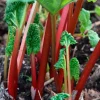
Embark on a rewarding gardening journey with our victoria rhubarb live plant 10-pack. These robust bare root plants, measuring 3 to 5 inches tall, are ready to establish themselves in your garden, promising a future of fresh, homegrown rhubarb. Known scientifically as Rheum rhabarbarum, Victoria Rhubarb is a classic, dependable variety cherished for its tender, red-tinged stalks and delicious tart flavor. Ideal for pies, crumbles, sauces, and jams, this perennial vegetable is a valuable addition to any edible landscape. Our carefully selected bare roots ensure a strong start, allowing you to enjoy a bountiful harvest season after season. Forget noisy marketplaces and embrace clean, compliant, and conversion-focused content for your gardening needs.
Choosing a victoria rhubarb live plant means investing in a resilient and long-lived addition to your garden. These plants are prepared for optimal growth, providing an excellent foundation for a thriving rhubarb patch. They are shipped as bare roots, a common and effective method for transplanting many perennial plants, ensuring they arrive in a dormant state, ready to awaken and flourish in their new home. You’ll appreciate the ease of planting and the generous yields that this beloved variety offers.
Key Benefits
Adding victoria rhubarb live plant to your garden brings a multitude of advantages, from culinary versatility to garden aesthetics. Discover why this perennial favorite is a must-have for edible gardeners:
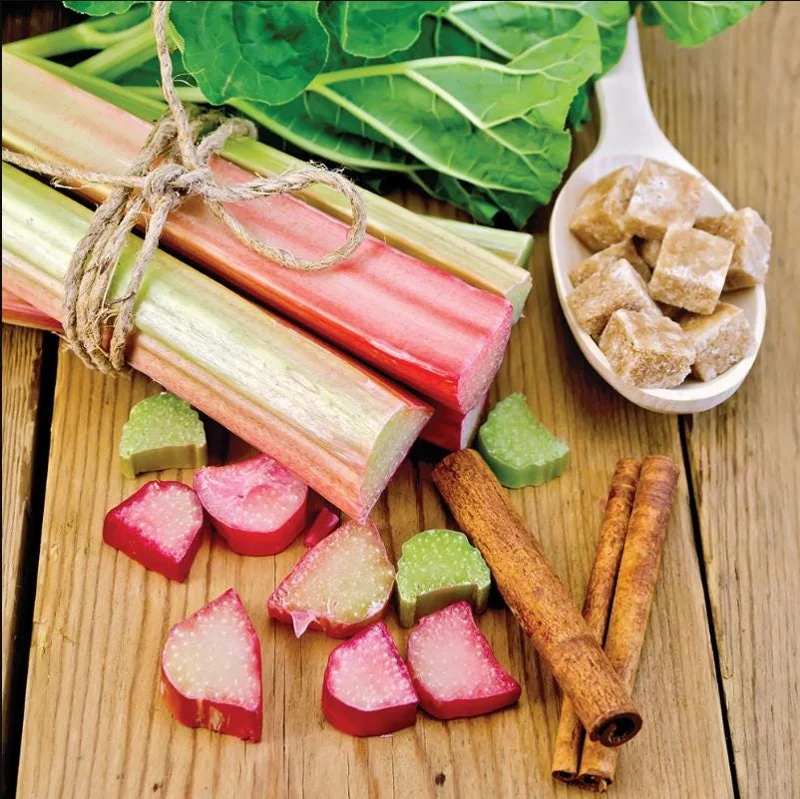
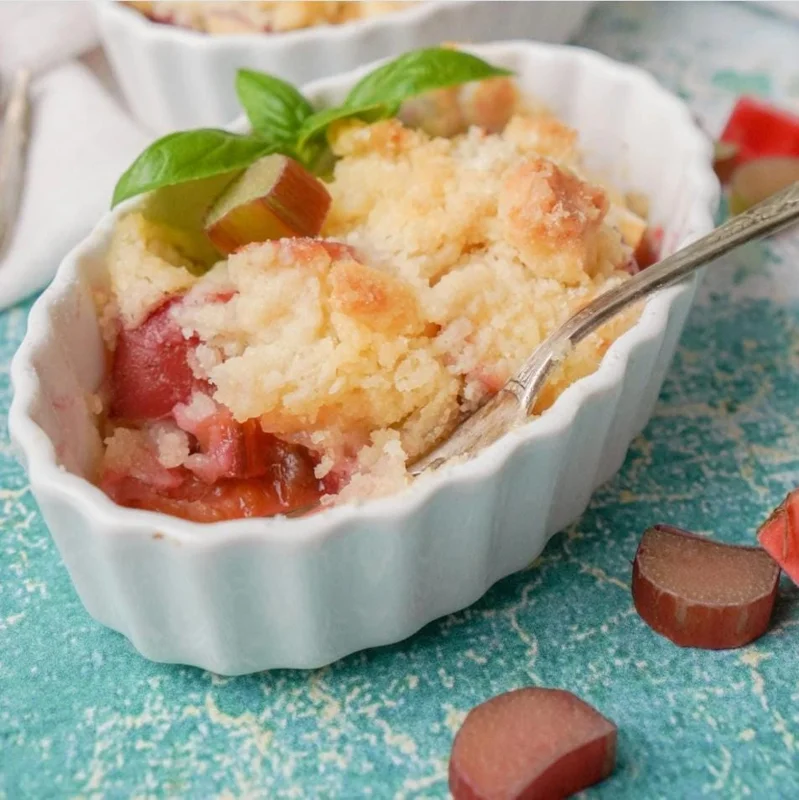
Culinary Delights: Harvest fresh, tart stalks perfect for a wide array of recipes, including classic rhubarb pies, crumbles, jams, sauces, and refreshing drinks. The distinct flavor profile of Victoria Rhubarb elevates both sweet and savory dishes.
Perennial Longevity: Once established, these perennial rhubarb plant roots will return year after year, providing a consistent harvest with minimal effort. This makes them an economical and sustainable choice for long-term gardening.
Easy to Grow: Rhubarb is known for its hardiness and straightforward care. These bare roots are designed for easy planting and quick establishment, making them an excellent choice for both novice and experienced gardeners.
Vigorous Growth: The Victoria variety is a strong grower, producing abundant, thick stalks. With proper care, you can expect a generous yield from your plants within a couple of seasons.
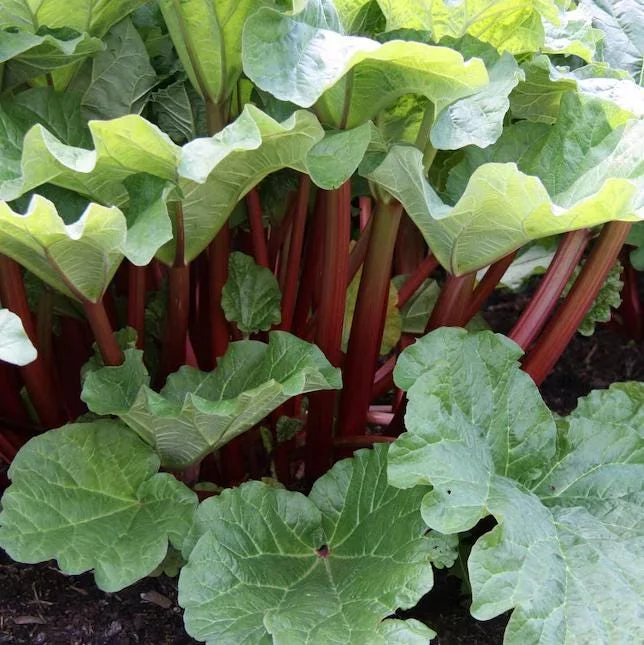
Garden Aesthetic: Beyond its edible qualities, rhubarb boasts large, attractive leaves that add a bold, architectural element to your garden landscape. Its lush foliage can create a striking backdrop for other garden plants.
Nutritional Value: Rhubarb is a good source of vitamins K and C, as well as dietary fiber, contributing to a healthy diet. Enjoy the benefits of fresh, garden-grown produce.
Cold Hardy: These plants are well-suited for temperate climates, tolerating cold winters and thriving in regions with distinct seasons, ensuring reliable performance in many USDA zones.
Plant Care & Growing Tips
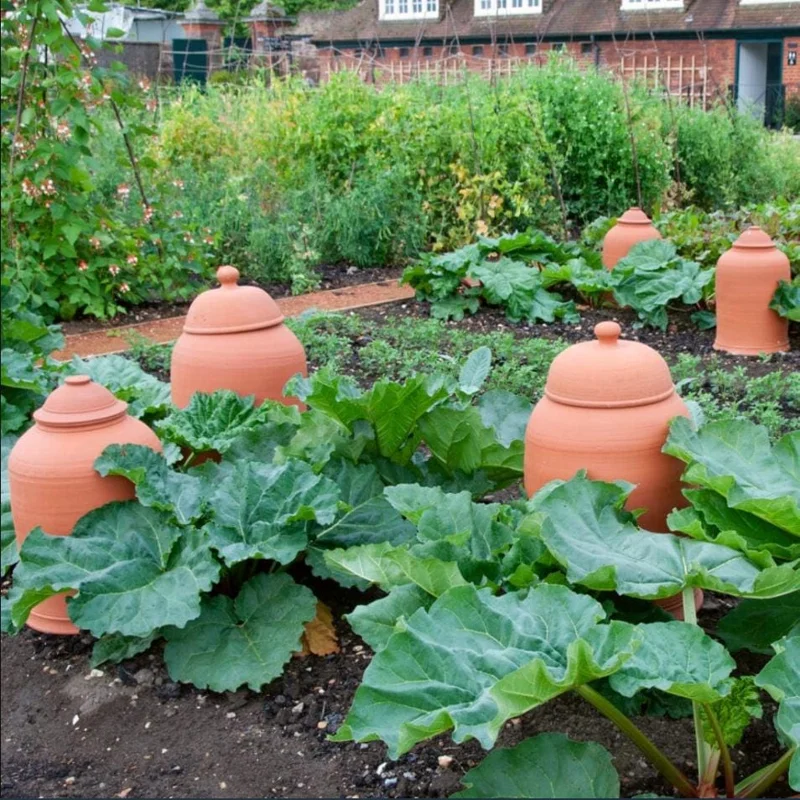
Successfully growing rhubarb bare root requires attention to a few key environmental factors and ongoing maintenance. For optimal growth, choose a site that receives full sun, meaning at least 6-8 hours of direct sunlight daily. While rhubarb can tolerate some partial shade, full sun promotes stronger growth and better yields. The soil should be fertile, well-draining, and rich in organic matter. Amend heavy clay soils with compost or well-rotted manure to improve drainage and fertility. A slightly acidic to neutral pH (6.0-6.8) is ideal. When planting the bare roots, dig a hole large enough to accommodate the roots without bending them. Place the crown (the top part of the root where new growth emerges) about 1-2 inches below the soil surface, ensuring the buds are pointing upwards.
Consistent watering is crucial, especially during the first season after planting and during dry spells. Keep the soil consistently moist but never soggy, as waterlogged conditions can lead to root rot. Once established, rhubarb is relatively drought-tolerant but will perform best with regular moisture. Apply a thick layer of organic mulch, such as compost or straw, around the plants in early spring. This helps retain soil moisture, suppress weeds, and provide a slow release of nutrients. Fertilize in early spring with a balanced organic fertilizer or a side dressing of compost.
Maintenance is key for a healthy red rhubarb for garden. Remove any flowering stems (seed stalks) as soon as they appear. Allowing the plant to flower diverts energy from stalk production, reducing your harvest. Avoid harvesting stalks in the first year to allow the plant to establish a strong root system. In the second year, you can begin light harvesting, and by the third year, you should have a full harvest. Only harvest about one-third to one-half of the stalks at a time, leaving enough foliage for the plant to continue photosynthesizing. Remember that rhubarb leaves are poisonous due to high oxalic acid content; only the stalks are edible. This attention to care will ensure a thriving rheum rhabarbarum care routine.
Size & Details
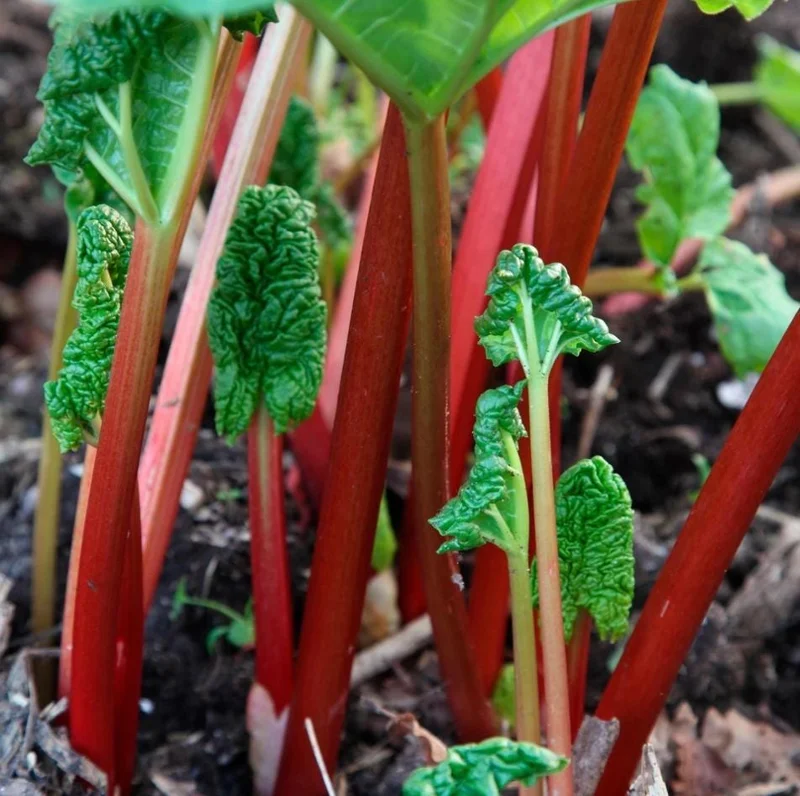
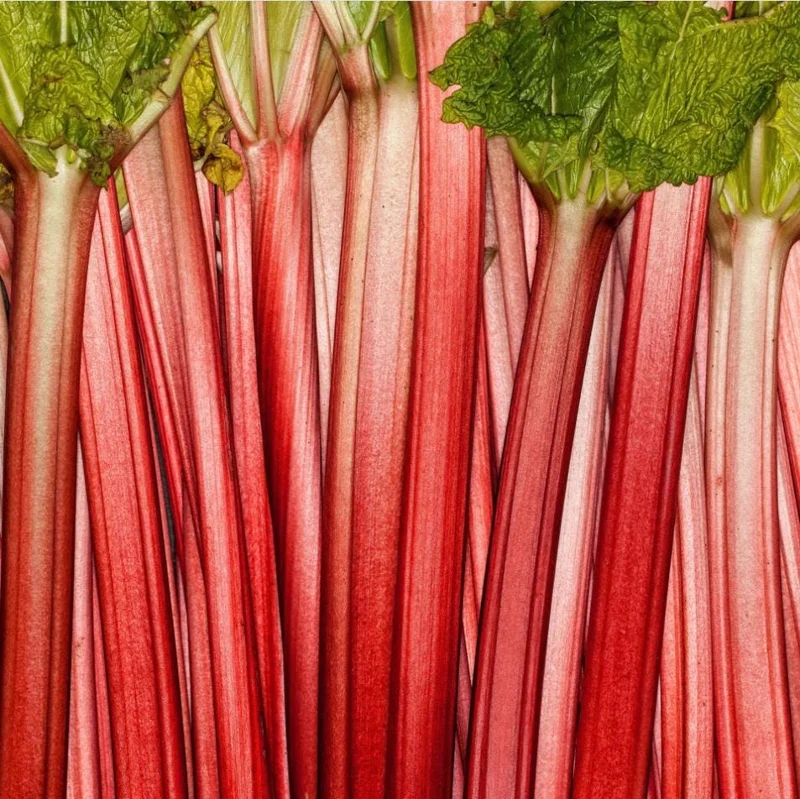
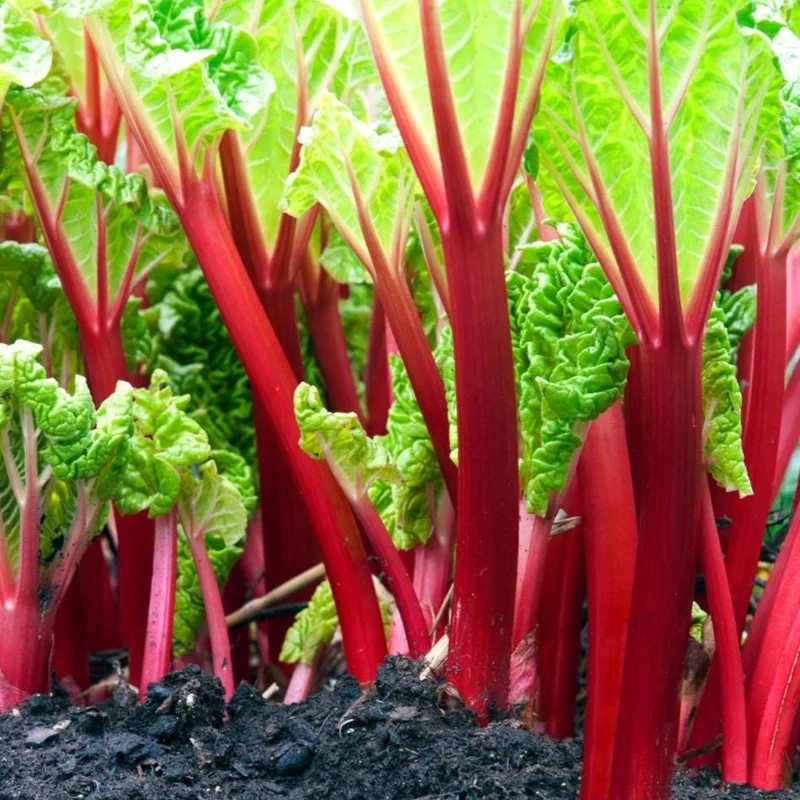
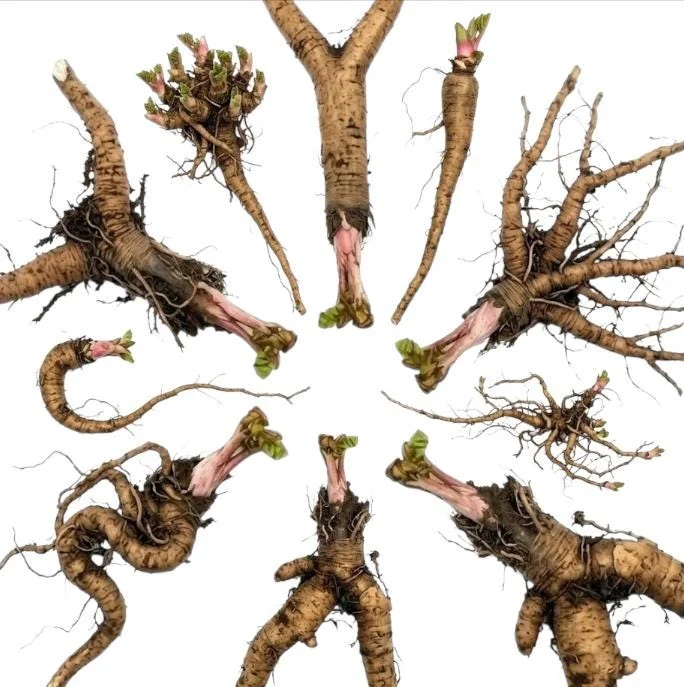
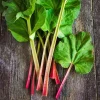
This offering includes a 10-pack of victoria rhubarb live plant bare roots, each measuring approximately 3 to 5 inches tall. These bare roots are dormant plants, carefully prepared for transplanting into your garden. They are shipped without soil or pots, which is the standard and most effective method for distributing perennial bare root stock. Upon planting, these roots will quickly establish themselves, developing into robust plants that can reach a mature height and spread of 2-3 feet. The mature stalks are typically 1-2 inches thick and can grow up to 18-24 inches long, displaying a beautiful red flush at the base that transitions to green. Expect your first light harvest in the second year after planting, with full production commencing in the third year and continuing for many seasons.
The 10-pack provides ample opportunity to establish a productive rhubarb patch or to share with fellow gardening enthusiasts. Each bare root is a complete plant structure, containing the crown and a healthy root system, ready to sprout new growth. These plants are cold-hardy and thrive in a variety of temperate climates, making them a versatile choice for many gardeners. Their vigorous nature ensures a reliable and generous yield, providing you with plenty of fresh rhubarb for all your culinary adventures.
Frequently Asked Questions
- Q: How big do these Victoria Rhubarb plants get? A: Once established, victoria rhubarb live plant can grow to a mature size of 2-3 feet tall and wide. The stalks themselves can reach 18-24 inches in length, providing a substantial harvest.
- Q: Is this an indoor or outdoor plant? A: Victoria Rhubarb is an outdoor perennial plant. It requires a period of cold dormancy to thrive and produce well, making it unsuitable for indoor cultivation.
- Q: How much sunlight does it need? A: For best results, Victoria Rhubarb needs at least 6-8 hours of direct sunlight per day (full sun). It can tolerate some partial shade but will produce less vigorously.
- Q: Is this plant easy to care for? Is it good for beginners? A: Yes, rhubarb is generally considered an easy-to-care-for plant and is excellent for beginners. It’s hardy and forgiving, requiring well-draining soil, consistent moisture, and removal of flower stalks.
- Q: What condition will the growing rhubarb bare root arrive in? A: Your rhubarb will arrive as dormant bare roots, typically 3-5 inches tall, without soil or a pot. This is the ideal state for transplanting and ensures a healthy start.
- Q: When is the best time to plant these bare roots? A: The best time to plant red rhubarb for garden bare roots is in early spring, as soon as the soil can be worked. This gives the plants ample time to establish before summer heat.
- Q: How long until I can harvest the rhubarb stalks? A: It’s recommended not to harvest any stalks in the first year to allow the plant to establish. You can begin light harvesting in the second year, and expect a full harvest from the third year onwards.
- Q: What are the primary uses for perennial rhubarb plant? A: The primary use for rhubarb stalks is culinary, especially in desserts like pies, crumbles, and jams due to its tart flavor. It can also be used in savory dishes. Remember, the leaves are poisonous and should not be consumed.
- Q: What kind of soil does rheum rhabarbarum care require? A: Rhubarb thrives in rich, well-draining soil with a good amount of organic matter. A slightly acidic to neutral pH (6.0-6.8) is ideal. Avoid heavy, waterlogged soils.
- Q: Will it survive winter in my zone? A: Victoria Rhubarb is very cold-hardy and typically thrives in USDA Zones 3-8, requiring a cold dormancy period to produce well. It can tolerate very cold winter temperatures.



Reviews
There are no reviews yet.