Overview
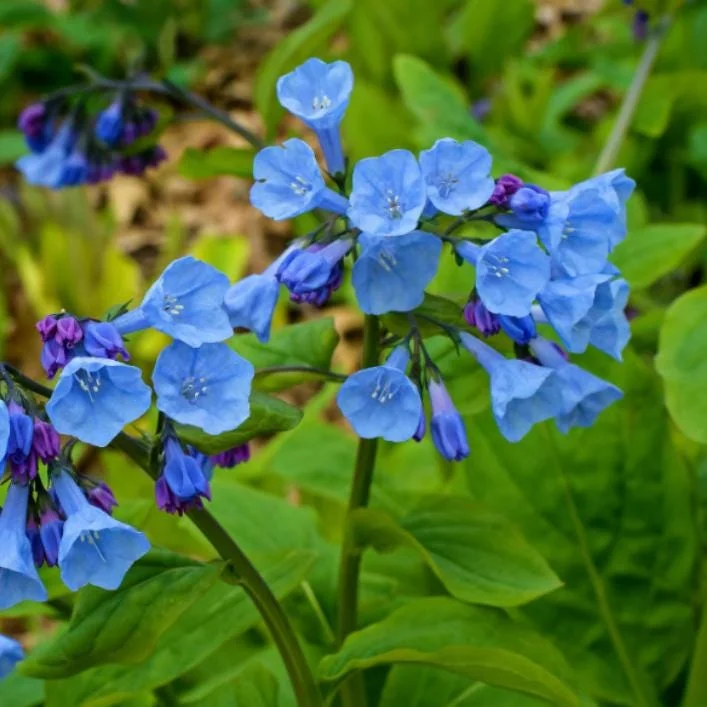
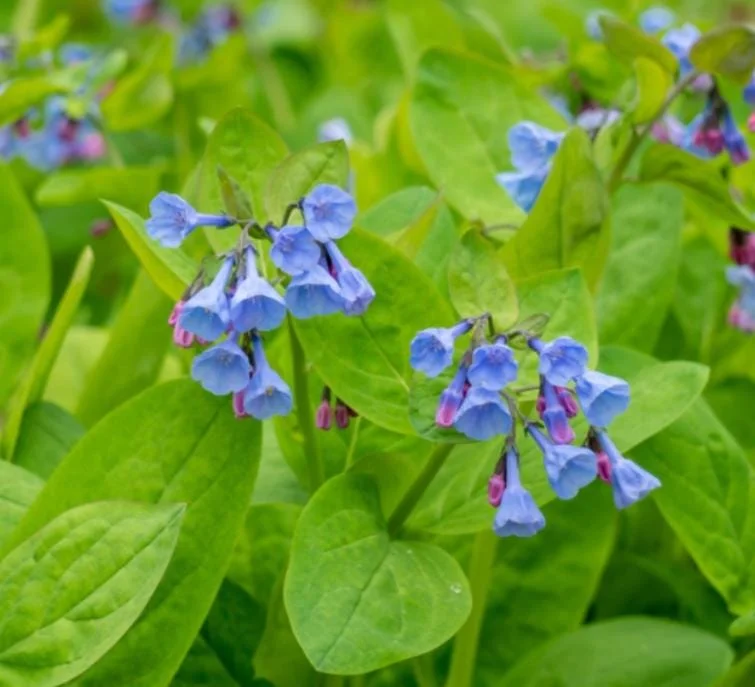
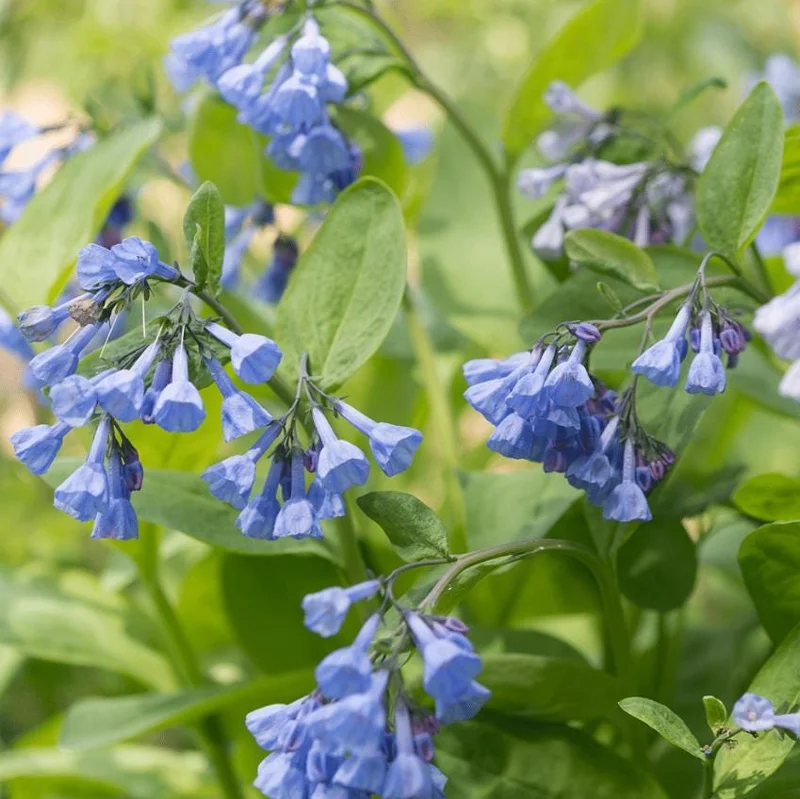
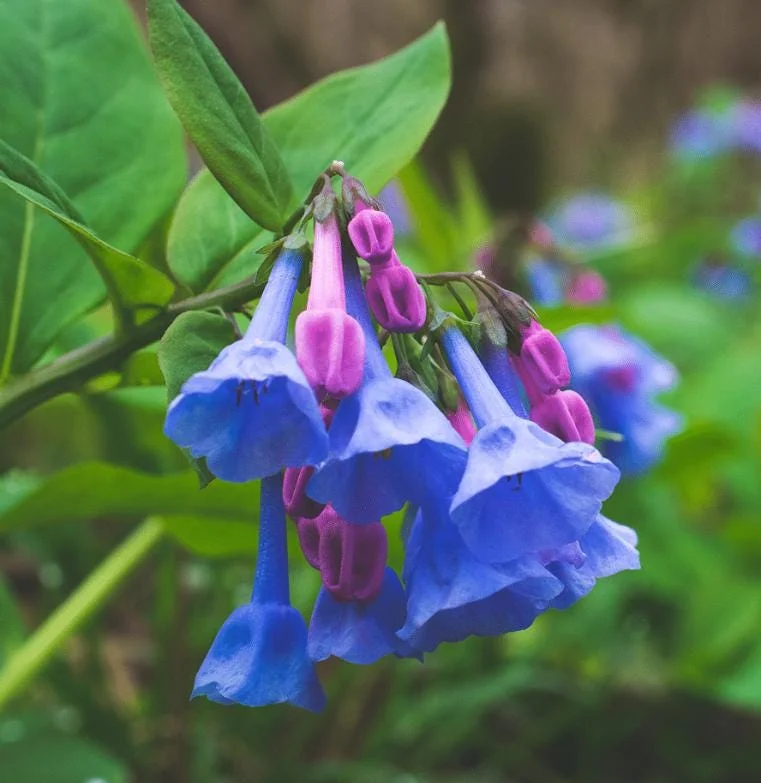
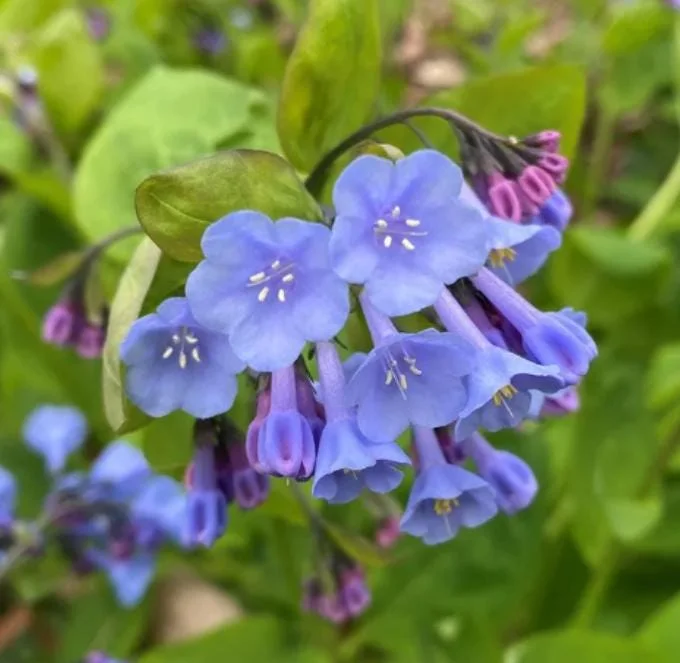
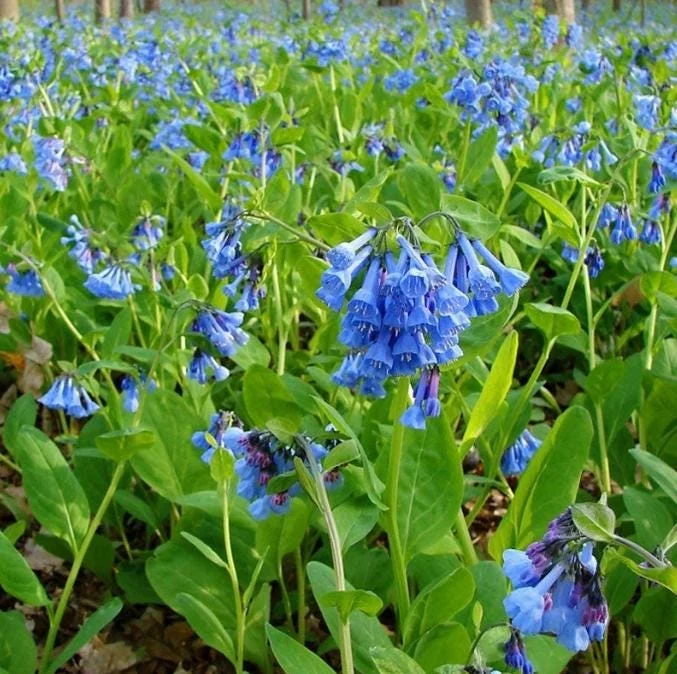
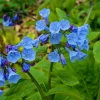
Introduce delightful early spring color to your woodland garden or shaded landscape with these premium Virginia Bluebell bare roots. Known scientifically as Mertensia virginica, this captivating native perennial flower is celebrated for its graceful, nodding clusters of pink buds that unfurl into soft, sky-blue, bell-shaped blossoms. A true harbinger of spring, the Virginia Bluebell bare roots offer a natural elegance, transforming dim garden corners into vibrant havens for early-season pollinators. This woodland favorite is a low-maintenance addition that brings an ethereal beauty to any setting, creating a serene and picturesque environment. Perfect for those seeking to establish a native planting or enhance a shade border, these bare roots provide a robust start for a thriving display.
The Mertensia virginica is highly regarded for its adaptability and resilience, making it an excellent choice for gardeners across various experience levels. Once established, these plants require minimal intervention, returning year after year to showcase their exquisite blooms. Plant these Virginia Bluebell bare roots in the right conditions, and you will be rewarded with a spectacular show of color that signals the arrival of warmer weather. Its unique bloom cycle, where flowers emerge pink and mature to blue, adds an extra layer of visual interest, ensuring your garden remains dynamic throughout its blooming period. This offering includes a convenient set of 5 bare roots, providing a foundational planting for a beautiful and naturalized display.
Key Benefits
Cultivating Virginia Bluebell bare roots in your garden offers a multitude of advantages, enhancing both aesthetic appeal and ecological value. These benefits make them a highly desirable choice for any gardener:
- Stunning Spring Blooms: Enjoy a breathtaking display of pink buds transforming into charming sky-blue, bell-shaped flowers. The delicate beauty of these blooms provides essential early-season color, brightening up shaded areas when other plants are just beginning to emerge.
- Native Perennial Flower: As a native to Eastern North America, Mertensia virginica is perfectly adapted to local climates and ecosystems. This ensures better success rates and contributes to local biodiversity, supporting indigenous wildlife.
- Attracts Pollinators: The vibrant flowers of the Virginia Bluebell bare roots are a magnet for early-season pollinators, including bees and butterflies. By planting these, you help sustain vital insect populations, crucial for a healthy garden and ecosystem.
- Low Maintenance: Once established, these perennial plants require minimal care, making them an ideal choice for busy gardeners or those new to gardening. They naturalize well and often spread gently over time, creating beautiful colonies.
- Ideal for Shade Gardens: Thriving in partial to full shade, Virginia Bluebell bare roots are perfect for illuminating those tricky, less sunny spots in your garden. They bring life and color to woodland settings, under deciduous trees, or along north-facing walls.
- Deer Resistant: Generally, deer tend to avoid browsing on Mertensia virginica, which is a significant advantage for gardeners in areas with deer populations. This characteristic helps ensure your beautiful blooms remain intact and undisturbed.
- Foliage Disappears in Summer: The plant’s foliage dies back in mid-summer, allowing space for other summer-blooming perennials to take center stage. This ephemeral nature is a unique characteristic, providing a dynamic garden landscape.
Plant Care & Growing Tips
Ensuring the success of your Virginia Bluebell bare roots involves understanding their specific environmental needs and providing consistent care. These resilient plants are relatively easy to grow, especially when their preferred conditions are met. For optimal growth and prolific blooming, consider their natural woodland habitat.
Sunlight Requirements: Mertensia virginica thrives in partial shade to full shade. While it can tolerate morning sun, it performs best with protection from intense afternoon sun, which can scorch its delicate foliage. Dappled sunlight, as found under deciduous trees, is ideal, allowing it to complete its growth cycle before the tree canopy fully leafs out. For best results, aim for areas that receive 3-6 hours of indirect sunlight daily. These conditions help the native perennial flower develop strong roots and abundant blooms.
Watering and Soil: Virginia Bluebell bare roots prefer consistently moist, well-drained soil rich in organic matter. While they appreciate moisture, they do not tolerate waterlogged conditions, which can lead to root rot. If your soil is heavy clay, amend it with compost or other organic materials to improve drainage. Keep the soil evenly moist during the growing season (early spring to early summer). Once the plant goes dormant in mid-summer, its watering needs significantly decrease. During dormancy, the plant relies on residual soil moisture, so avoid overwatering. A good layer of mulch can help retain soil moisture and regulate soil temperature.
Climate and Fertilization: These plants are hardy in USDA zones 3–8 and thrive in cool spring conditions. Fertilization is generally not heavily required for this spring blooming plant, especially if planted in rich, organic soil. If your soil is poor, a light application of a balanced, slow-release granular fertilizer in early spring, as new growth emerges, can be beneficial. Avoid over-fertilizing, as this can lead to excessive foliage at the expense of flowers. Proper care will ensure your shade garden perennial returns year after year with its charming display.
Size & Details
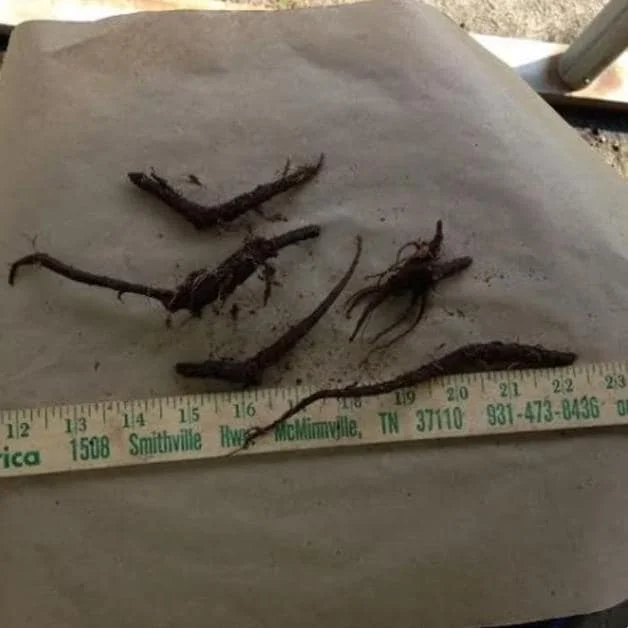
This offering includes a set of 5 Virginia Bluebell bare roots, providing a robust foundation for establishing a beautiful perennial bed. Each bare root is a dormant plant, ready to awaken with the warmth of spring. When mature, Mertensia virginica typically grows to a height of 18-24 inches (45-60 cm) and spreads 12-18 inches (30-45 cm) wide, forming attractive clumps. They are medium-growth plants, establishing well in their first year and expanding in subsequent seasons. The bare roots are shipped dormant, ensuring they handle transit well and are ready for planting upon arrival.
The planting time for these native perennial flower bare roots is ideally in early spring or fall while the plants are dormant. Spacing them 12–18 inches apart will allow for natural spreading and optimal air circulation. Expect blooms in early to mid-spring, typically from April to May, depending on your climate zone. The flowers emerge as pink buds and mature into stunning sky-blue bells, offering a dynamic visual appeal. This specific product is a bare root plant, meaning it is shipped without soil or foliage, focusing all its energy on root development once planted.
Frequently Asked Questions
- Q: How big do these Virginia Bluebell plants get? A: Mature Virginia Bluebell bare roots will grow into plants that typically reach 18-24 inches (45-60 cm) tall and spread 12-18 inches (30-45 cm) wide, forming attractive clumps over time.
- Q: Is this an indoor or outdoor plant? A: The Virginia Bluebell bare roots are primarily an outdoor plant, best suited for woodland gardens, shade borders, and native plantings where they can naturalize and thrive in their preferred conditions.
- Q: How much sunlight does a Virginia Bluebell need? A: This native perennial flower prefers partial shade to full shade. It can tolerate morning sun but requires protection from intense afternoon sun to prevent leaf scorch and ensure healthy growth.
- Q: Are Virginia Bluebells easy to care for? A: Yes, once established, Mertensia virginica is considered a low-maintenance plant. Provide them with moist, well-drained soil and the correct light conditions, and they will generally thrive with minimal intervention.
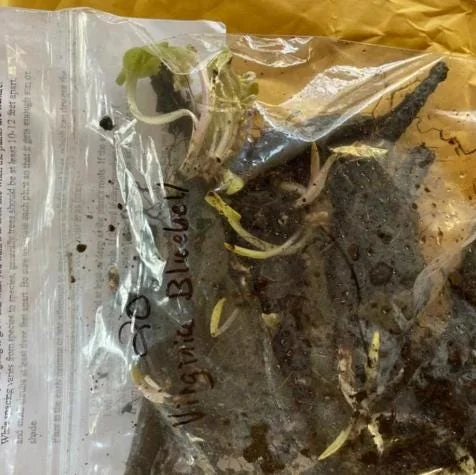
- Q: What condition will the bare roots arrive in? A: Your Virginia Bluebell bare roots will arrive dormant, without foliage or soil. This is the optimal state for planting and ensures the plant’s energy is focused on root development once in the ground.
- Q: When is the best time to plant Virginia Bluebell bare roots? A: The ideal time to plant these bare roots is in early spring or fall while the plants are dormant. This allows them to establish their root system before the stress of active growth or harsh winter conditions.
- Q: Will this spring blooming plant survive winter in my zone? A: Virginia Bluebell bare roots are hardy in USDA zones 3–8, meaning they are well-adapted to survive winter conditions in a wide range of climates across the United States.
- Q: Do Virginia Bluebells attract pollinators? A: Absolutely! These plants are an excellent choice for pollinator gardens, as their early-season blooms attract vital pollinators such as bees and other beneficial insects, making them a great shade garden perennial.
- Q: Will deer eat Virginia Bluebells? A: Generally, Mertensia virginica is considered deer resistant. While no plant is entirely deer-proof, deer typically tend to avoid browsing on Virginia Bluebells, helping to preserve your garden’s beauty.
- Q: What kind of soil is best for Virginia Bluebell bare roots? A: They prefer moist, well-drained soil that is rich in organic matter. Amending heavy clay soils with compost will improve drainage and provide essential nutrients for your Virginia Bluebell bare roots.






Reviews
There are no reviews yet.