Overview
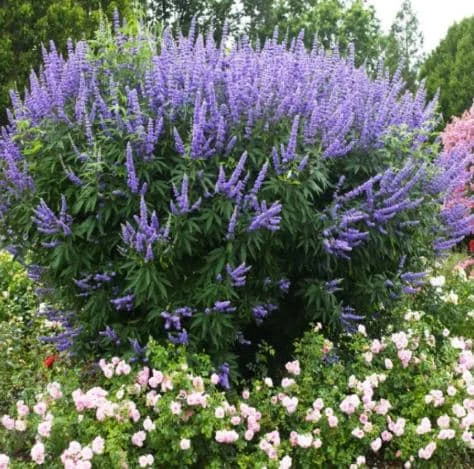
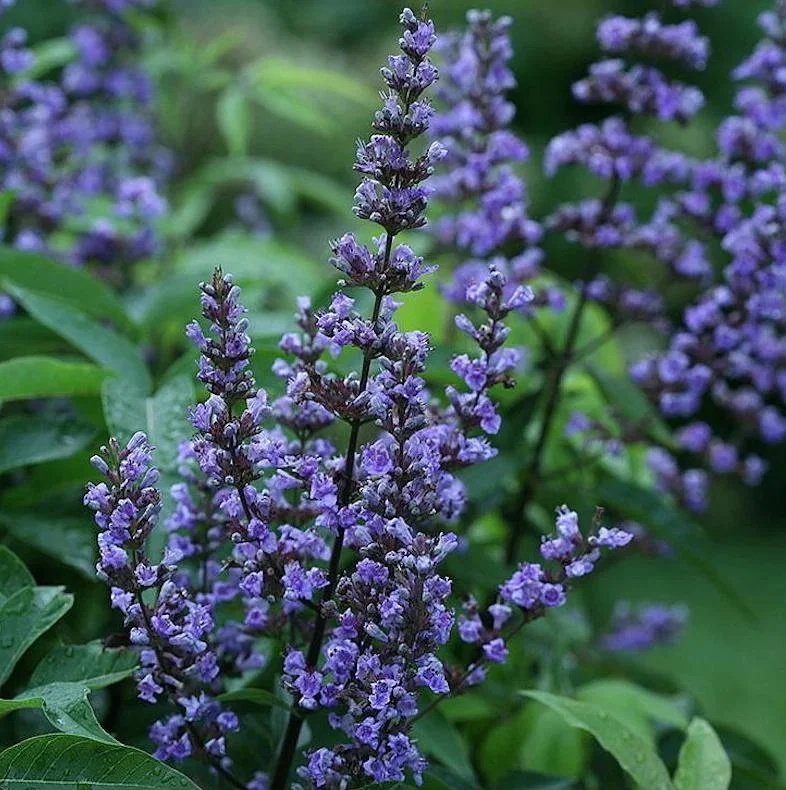
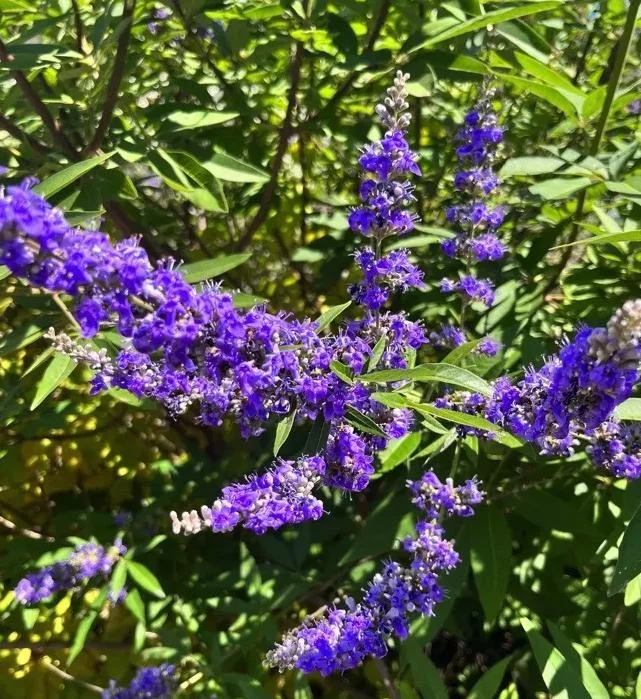
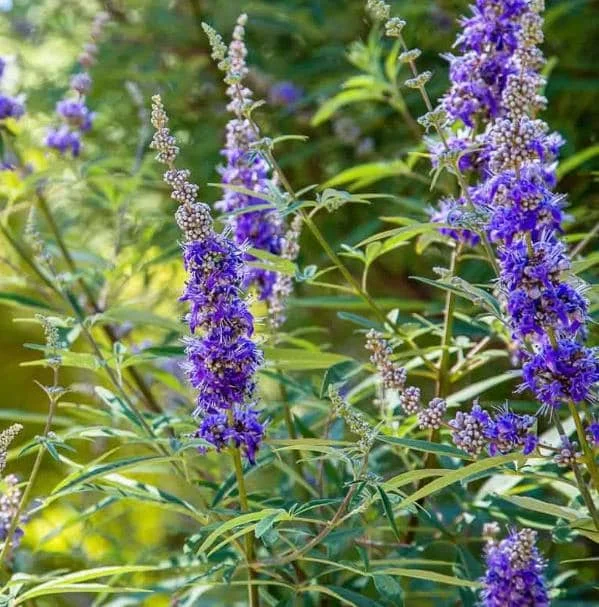
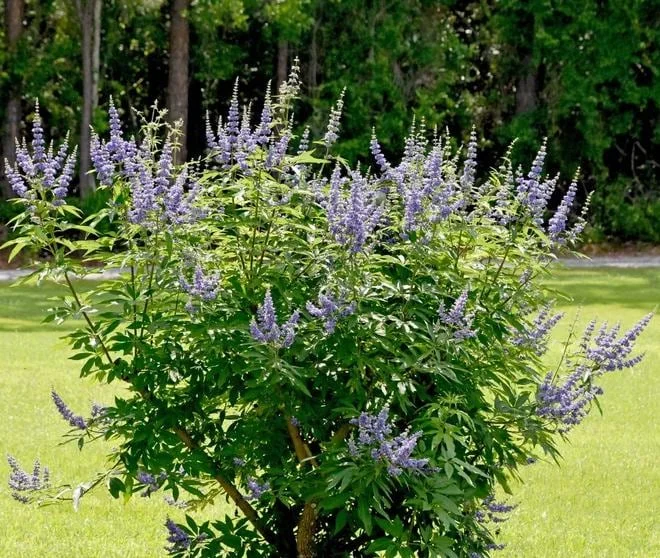
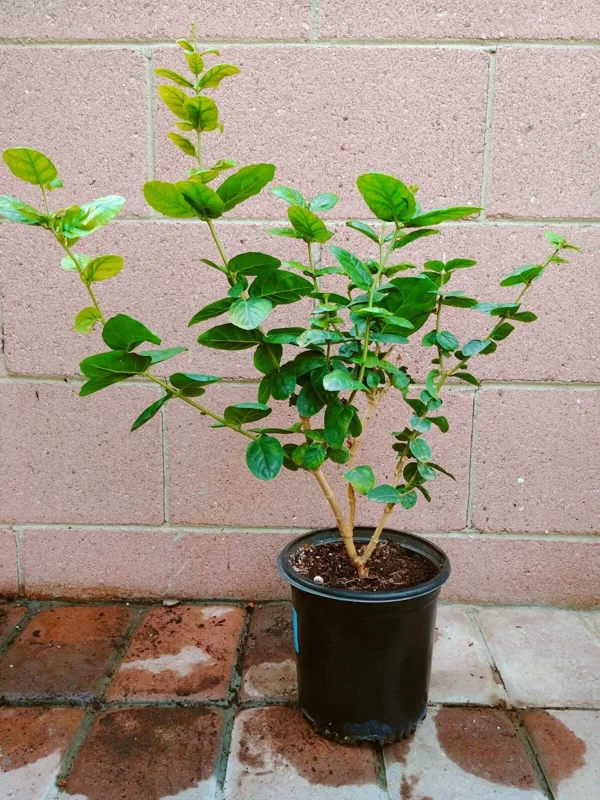
Transform your outdoor space with a stunning Vitex Chaste Tree live plant. This deciduous shrub, also known as the Lilac Chaste Tree or Vitex agnus-castus, is celebrated for its spectacular display of long, fragrant flower spikes. These beautiful blooms typically appear in shades of lavender, purple, or white, adding an elegant touch to any garden from spring through fall. Our live plant comes ready to thrive, offering both visual appeal and a delightful aroma. The Vitex Chaste Tree live plant is a resilient and low-maintenance choice for gardeners seeking continuous color and a natural habitat for pollinators. It’s an excellent specimen plant or a vibrant addition to mixed borders.
The Vitex Chaste Tree live plant is a popular choice for its hardiness and adaptability, making it suitable for a wide range of climates within its recommended USDA zones. Its unique flowering habit and shrub-like growth make it a versatile plant for various landscaping designs. Even when dormant in winter, its structural form adds interest to the garden. This particular offering provides a healthy, young plant ready for outdoor planting, ensuring a successful establishment and years of enjoyment. The Vitex Chaste Tree live plant is an investment in long-lasting garden beauty.
Key Benefits
The Vitex Chaste Tree live plant offers numerous advantages for any landscape, making it a highly desirable addition. Its robust nature and aesthetic appeal contribute significantly to garden beauty and ecological balance.
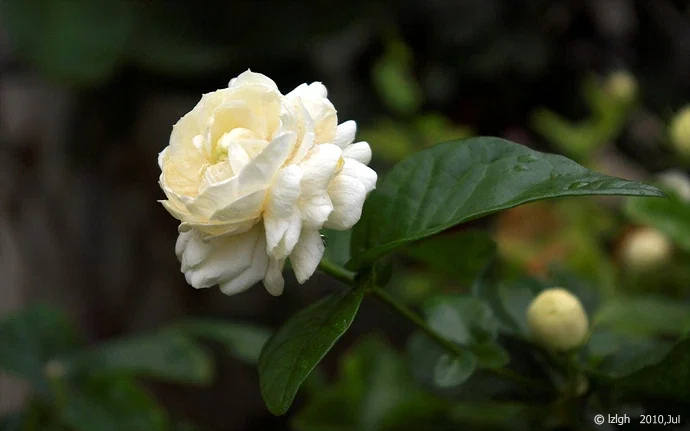
- Extended Blooming Season: Enjoy a prolonged period of vibrant color with fragrant lilac, purple, or white flowers blooming from spring into fall. This continuous display ensures your garden remains lively and attractive for months.
- Attracts Pollinators: The nectar-rich flowers of the Vitex Chaste Tree live plant are a magnet for bees, butterflies, and other beneficial pollinators, enhancing the biodiversity and health of your garden ecosystem.
- Drought Tolerance: Once established, this shrub is remarkably drought-tolerant, requiring less water than many other flowering plants. This makes it an ideal choice for water-wise gardening and regions with drier climates.
- Low Maintenance: Known for its resilience, the Vitex plant care is minimal, making it suitable for both experienced gardeners and beginners. It tolerates a variety of soil conditions and is generally pest and disease resistant.
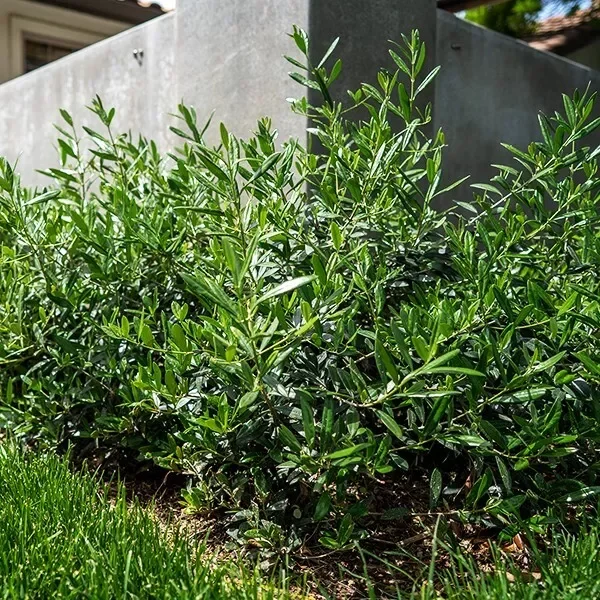
- Versatile Landscaping Use: Its adaptable growth habit allows it to be used as a large shrub, a small ornamental tree, or even in hedging. The beautiful lilac chaste tree can fit into various garden designs, from cottage gardens to more formal settings.
- Aromatic Foliage and Flowers: Both the leaves and flowers emit a pleasant, slightly spicy fragrance, adding another sensory dimension to your garden experience. This fragrance is particularly noticeable on warm days.
- Hardy and Resilient: Thriving in USDA Zones 6 to 9, this plant can withstand a range of temperatures and conditions, proving to be a durable and long-lasting addition to your outdoor space.
Plant Care & Growing Tips
Proper care for your Vitex Chaste Tree live plant ensures vigorous growth and abundant blooms throughout its long season. This plant is relatively forgiving, but understanding its basic needs will lead to the best results. The Vitex Chaste Tree live plant prefers a location that receives full sun, defined as at least 6-8 hours of direct sunlight per day. Full sun exposure is crucial for optimal flowering and to promote a compact, healthy growth habit. While it can tolerate some partial shade, flowering may be reduced in less sunny conditions. Good air circulation is also beneficial to prevent fungal issues.
When it comes to soil and water, the Vitex Chaste Tree live plant is not overly demanding. It thrives in well-draining soil and can tolerate sandy, loamy, and even slightly alkaline soils. Avoid consistently wet or poorly drained soils, as this can lead to root rot. Moderate watering is recommended, especially during dry spells and in its first year of establishment. Once mature, it becomes quite drought-tolerant. Ideal temperatures for growth are between 70°F and 95°F. It is hardy in USDA Zones 6 to 9. During winter months, the plant will enter dormancy and lose its leaves, which is a natural part of its life cycle. Pruning can be done in late winter or early spring to shape the plant and encourage new growth. For those interested in a lilac chaste tree, understanding these care requirements is key.
Fertilization is generally not heavily required for a healthy Vitex Chaste Tree live plant. If your soil is poor, a balanced, slow-release fertilizer in early spring can be beneficial. Avoid over-fertilizing, which can promote leafy growth at the expense of flowers. Pests and diseases are rarely a major concern for this resilient shrub, making Vitex plant care quite straightforward. Watch out for occasional aphid infestations, which can usually be managed with a strong spray of water or insecticidal soap. Proper spacing and good air circulation will also help prevent common issues. This robust shrub is a joy to grow and provides continuous beauty with minimal effort, making it a great addition for those seeking an outdoor flowering shrub.
Size & Details
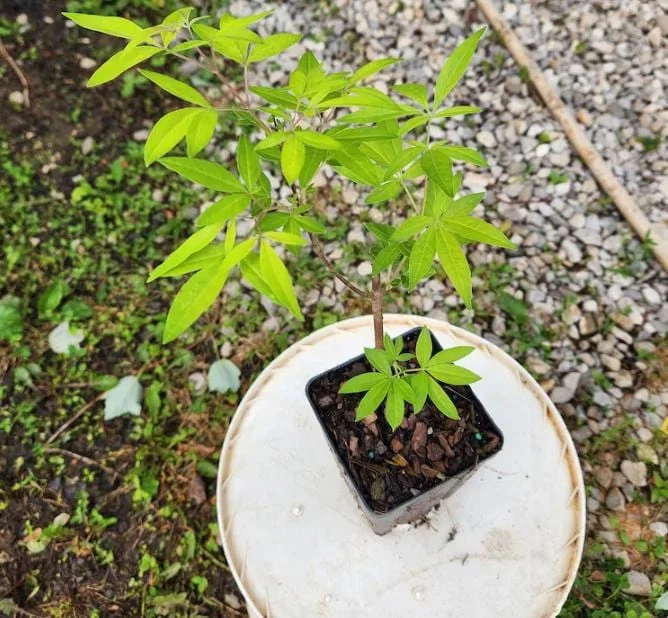
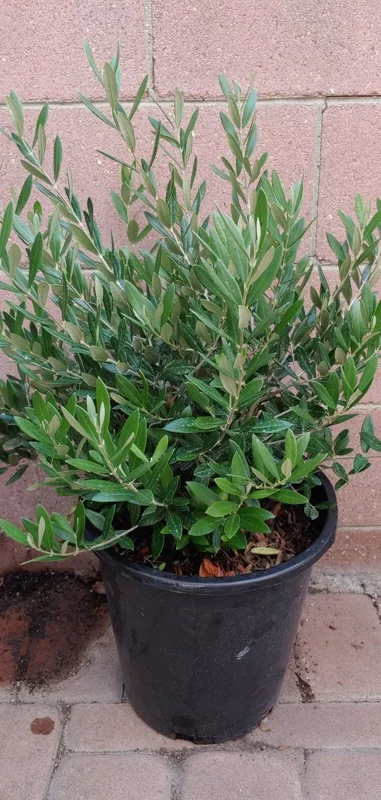
This offering is for one Vitex Chaste Tree live plant, which arrives ready for planting. Each plant measures approximately 6 to 12 inches tall from the top of the soil, housed in a 4-inch nursery pot. The plants are carefully packaged to ensure safe transit and healthy arrival. This shrub exhibits a moderate to fast growth rate, typically reaching a mature height of 10-15 feet and a spread of 5-10 feet, depending on growing conditions and pruning practices. It will arrive as a young, actively growing specimen, though it may be dormant and leafless if purchased during the winter months, which is completely normal for this deciduous species.
The Vitex Chaste Tree live plant is shipped as a well-rooted plant in its original grow pot, ensuring minimal transplant shock. Expect the first significant blooms to appear in its second or third year, with increasing abundance as the plant matures. Its ultimate size and shape can be managed through annual pruning, allowing it to be maintained as a smaller shrub or trained into a multi-stemmed small tree. This Vitex agnus-castus is a fantastic investment for long-term garden enjoyment, providing beauty and ecological benefits for many years.
Frequently Asked Questions
- Q: How big does this Vitex Chaste Tree live plant get? A: This plant typically grows to a mature height of 10-15 feet and a spread of 5-10 feet, though its size can be managed with pruning. It arrives as a 6-12 inch tall plant in a 4-inch pot.
- Q: Is this an indoor or outdoor plant? A: The Vitex Chaste Tree live plant is an outdoor plant, best suited for garden beds, borders, or as a specimen plant in USDA Zones 6-9.
- Q: How much sunlight does it need? A: This plant thrives in full sun, requiring at least 6-8 hours of direct sunlight daily for the best flowering and growth.
- Q: Is this plant easy to care for? A: Yes, the Vitex Chaste Tree live plant is considered low-maintenance and drought-tolerant once established, making Vitex plant care relatively easy for most gardeners.
- Q: What condition will it arrive in? A: Your plant will arrive healthy and well-rooted in a 4-inch nursery pot. If ordered during winter, it will be dormant and leafless, which is normal for this deciduous shrub.
- Q: When is the best time to plant a lilac chaste tree? A: The best time to plant is in spring or early fall, allowing the plant sufficient time to establish its root system before extreme weather.
- Q: Will it survive winter in my zone? A: This plant is hardy in USDA Zones 6-9. If you are within these zones, it should survive winter, going dormant and returning in spring.
- Q: What is the ideal soil type for this outdoor flowering shrub? A: It prefers well-draining soil and tolerates sandy, loamy, and slightly alkaline conditions. Avoid consistently wet or poorly drained areas.
- Q: How often should I water my Vitex agnus-castus? A: Water moderately, especially during its first year and dry periods. Once established, it is quite drought-tolerant and requires less frequent watering.
- Q: Can I prune the Vitex Chaste Tree live plant to keep it smaller? A: Yes, you can prune it in late winter or early spring to control its size and shape, encouraging bushier growth and more blooms.





Reviews
There are no reviews yet.