Overview
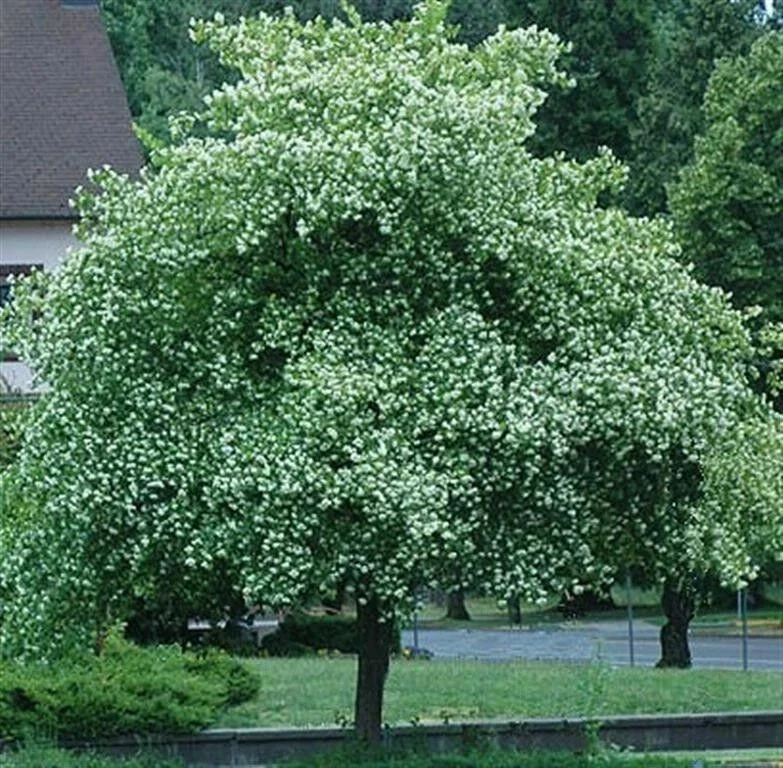
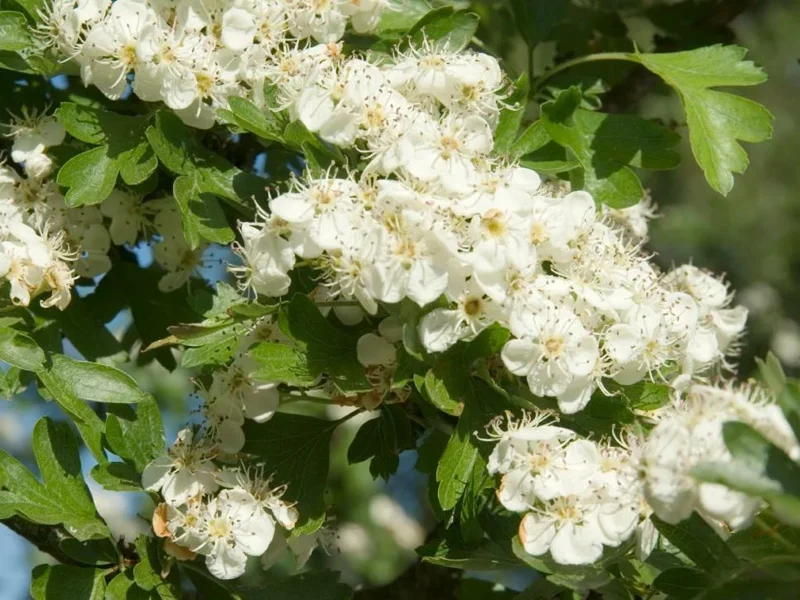
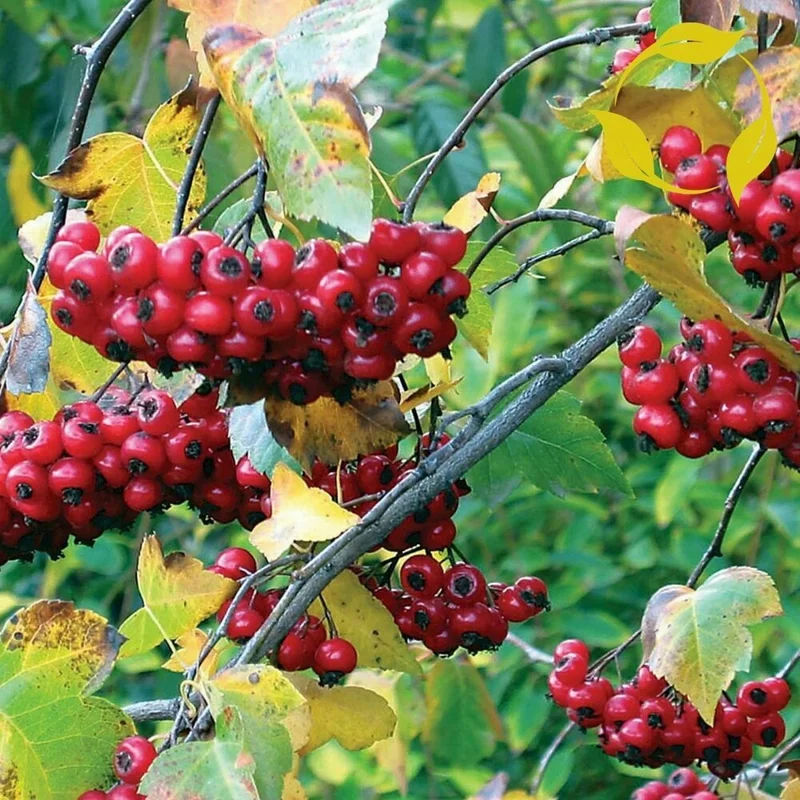
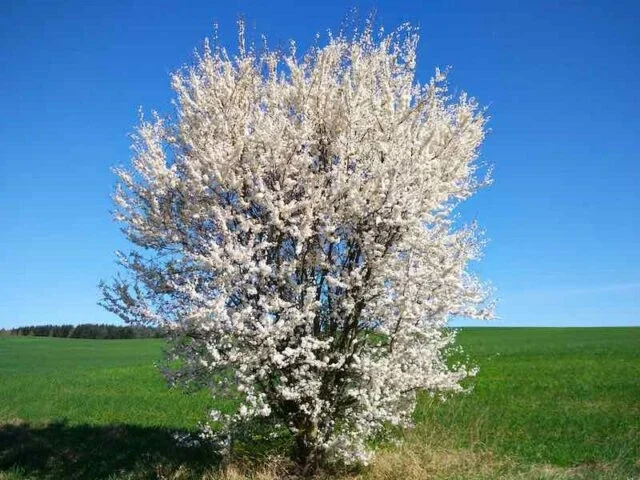
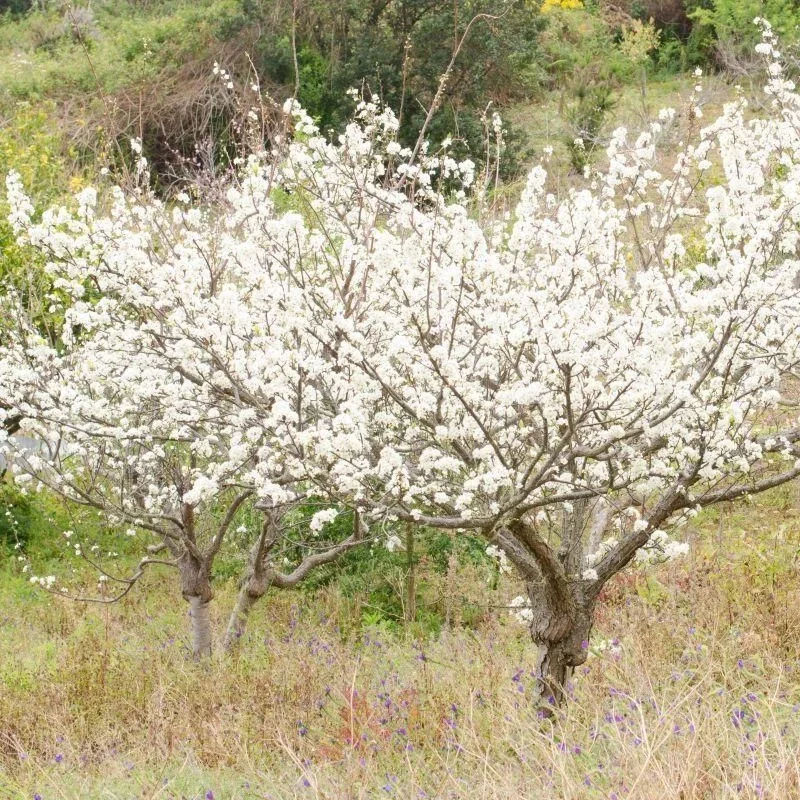
Transform your outdoor space with a vibrant washington hawthorn tree. This live bare root plant, measuring 18 to 24 inches and 2 to 3 years old, is ready to establish itself in your garden. Known scientifically as Crataegus phaenopyrum, the Washington Hawthorn is a popular ornamental tree celebrated for its year-round appeal. It offers a spectacular display with delicate white flowers in spring, lush green foliage through summer, and brilliant red berries that persist into winter, providing visual interest and attracting local wildlife. This deciduous tree is a fantastic choice for adding structure, color, and ecological value to any landscape. Its robust nature makes it an excellent option for various garden styles, from formal plantings to naturalized areas. The washington hawthorn tree is also recognized for its hardiness and adaptability, thriving in a range of conditions once established. Whether you’re looking to create a focal point or enhance a mixed border, this tree promises to deliver enduring beauty.
Key Benefits
The washington hawthorn tree brings numerous advantages to any garden, combining aesthetic appeal with practical benefits. Its distinctive features make it a valuable addition to both residential and commercial landscapes.
- Seasonal Beauty: Enjoy a continuous display of color throughout the year, from white spring blooms that attract pollinators to vibrant green leaves and persistent red berries that offer winter interest.
- Wildlife Attraction: The berries serve as a crucial food source for birds during colder months, while the flowers provide nectar for bees and other beneficial insects. This makes it an excellent choice for supporting local biodiversity.
- Hardy and Adaptable: This tree is remarkably resilient, tolerating a wide range of soil types and urban conditions, making it suitable for various planting locations.
- Low Maintenance: Once established, the washington hawthorn tree requires minimal care, making it an ideal choice for gardeners seeking an impactful yet easy-to-manage plant.
- Security and Privacy: With its thorny branches, the Washington Hawthorn can be used to create natural barriers, deterring unwanted access and enhancing privacy in your yard.
- Compact Size: Reaching a moderate size, it fits well into smaller gardens or as an understory tree in larger landscapes, without overwhelming the space.
- Disease Resistance: Generally robust, this tree shows good resistance to common diseases that affect other hawthorn varieties, ensuring a healthier plant for longer.
Plant Care & Growing Tips
Proper care is essential for ensuring your washington hawthorn tree thrives and displays its full beauty. As a bare root plant, immediate planting and careful initial watering are crucial for successful establishment. This tree prefers a location with full sun to medium sun, meaning it should receive at least 6 hours of direct sunlight per day for optimal growth and fruit production. While it can tolerate some partial shade, too little sun may reduce flowering and fruiting. The Washington Hawthorn is adaptable to various soil types but performs best in well-draining soil. Avoid heavy, waterlogged soils, which can lead to root rot. If your soil is clay-heavy, consider amending it with organic matter to improve drainage.
When it comes to watering, this species is relatively drought-tolerant once established. However, during its first year, consistent watering is vital. Water deeply 1-2 times per week, especially during dry spells, to encourage deep root development. Reduce watering frequency as the tree matures. For fertilization, a balanced slow-release fertilizer can be applied in early spring, once the tree has established itself (typically after the first year). Follow product instructions carefully to avoid over-fertilization. The crataegus phaenopyrum is hardy in USDA zones 4-8, making it suitable for a broad range of climates. It can withstand cold winters and hot summers. Pruning is best done in late winter or early spring while the tree is dormant. Remove any dead, damaged, or crossing branches to maintain its shape and promote air circulation. Watch out for common pests like aphids or scale, and treat with horticultural oil or insecticidal soap if necessary.
Size & Details
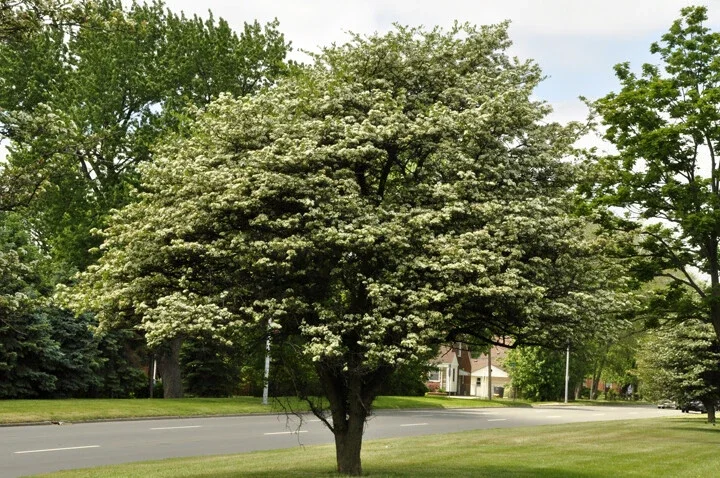
This offering is for one washington hawthorn tree, a live bare root plant that measures approximately 18 to 24 inches in height. It is typically 2 to 3 years old, indicating a well-developed root system ready for planting. As a bare root specimen, the plant is shipped without soil around its roots, which is a common and effective method for transplanting deciduous trees. Upon arrival, it’s recommended to plant it as soon as possible to minimize stress. The Washington Hawthorn is a moderately growing tree, typically adding 12-18 inches of height per year. In maturity, it can reach a height of 15-25 feet with a similar spread, forming an attractive rounded or oval crown. Its flowering stage occurs in spring, followed by the development of green foliage and then bright red berries in the fall that often persist through winter. The presence of thorns on its branches adds a unique characteristic and can offer a protective quality to your landscape.
Frequently Asked Questions
- Q: How big does this washington hawthorn tree get? A: A mature Washington Hawthorn tree typically reaches a height of 15-25 feet with a spread of 15-25 feet, forming a rounded to oval shape. Its moderate growth rate means it will enhance your landscape for years to come.
- Q: Is this an indoor or outdoor plant? A: The Washington Hawthorn is an outdoor tree, ideal for landscaping, gardens, and naturalized areas. It is not suitable for indoor cultivation.
- Q: How much sunlight does a washington hawthorn tree need? A: This tree thrives in full sun to medium sun, requiring at least 6 hours of direct sunlight daily for optimal flowering, fruiting, and overall health.
- Q: Is this plant easy to care for? Is it good for beginners? A: Yes, once established, the Washington Hawthorn is considered a low-maintenance tree. Its hardiness and adaptability make it a good choice for both experienced and beginner gardeners looking for a beautiful and resilient plant.
- Q: What condition will the bare root hawthorn tree for sale arrive in? A: Your Washington Hawthorn will arrive as a bare root plant, meaning its roots are carefully packaged without soil. This method ensures successful transplanting and reduces shipping stress.
- Q: When is the best time to plant a planting hawthorn tree? A: The best time to plant bare root trees like the Washington Hawthorn is in early spring or late fall when the tree is dormant. This allows the roots to establish before extreme temperatures.
- Q: Will a crataegus phaenopyrum survive winter in my zone? A: The Washington Hawthorn is very hardy and suitable for USDA Zones 4-8, meaning it can withstand cold winter temperatures in a wide range of climates across the United States.
- Q: What type of soil does it prefer? A: While adaptable, the Washington Hawthorn prefers well-draining soil. It can tolerate a range of soil types, including clay, loam, and sand, as long as drainage is adequate.
- Q: Does this tree have thorns? A: Yes, the Washington Hawthorn is known for its sharp thorns on its branches, which can provide a natural protective barrier.
- Q: What are the main features of the washington hawthorn tree? A: Key features include attractive white spring flowers, vibrant green foliage, bright red berries that last into winter, and a generally low-maintenance, hardy nature.



Reviews
There are no reviews yet.