Overview
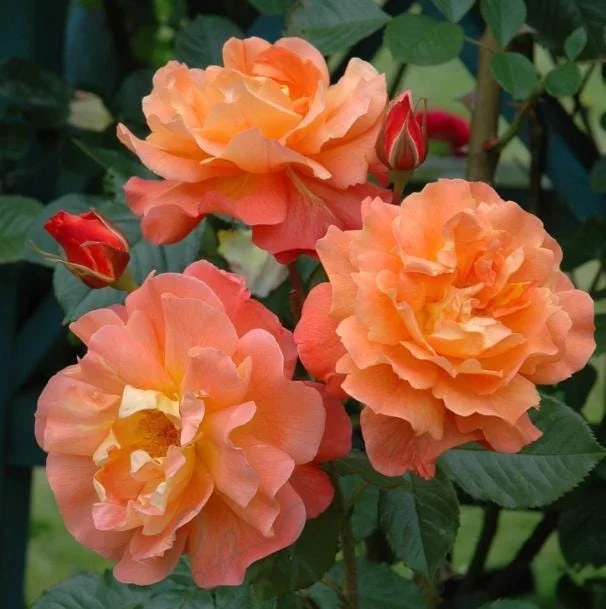
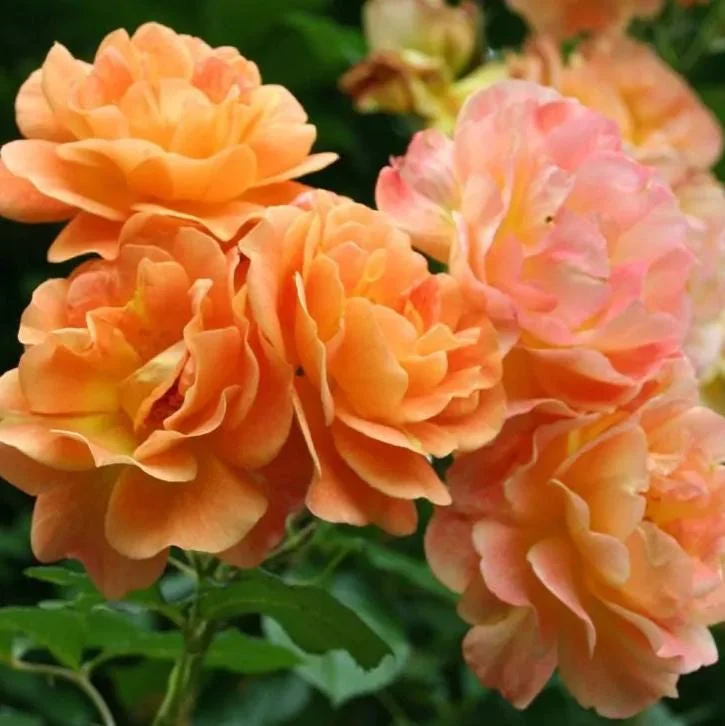
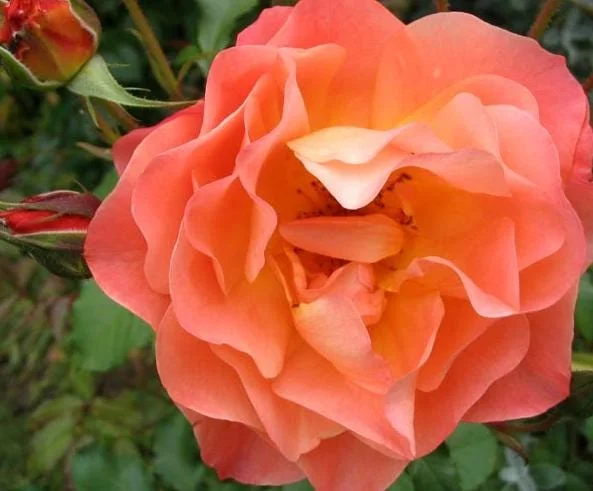
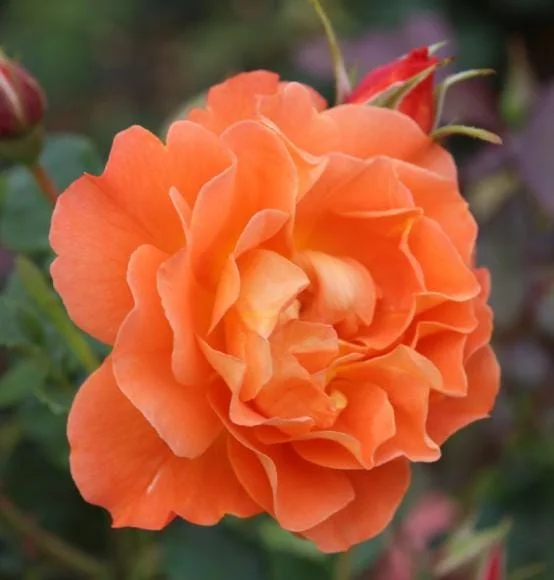
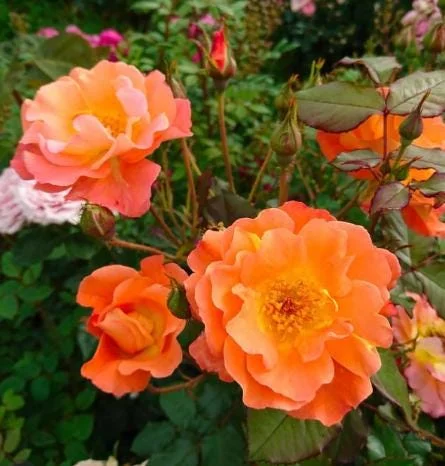
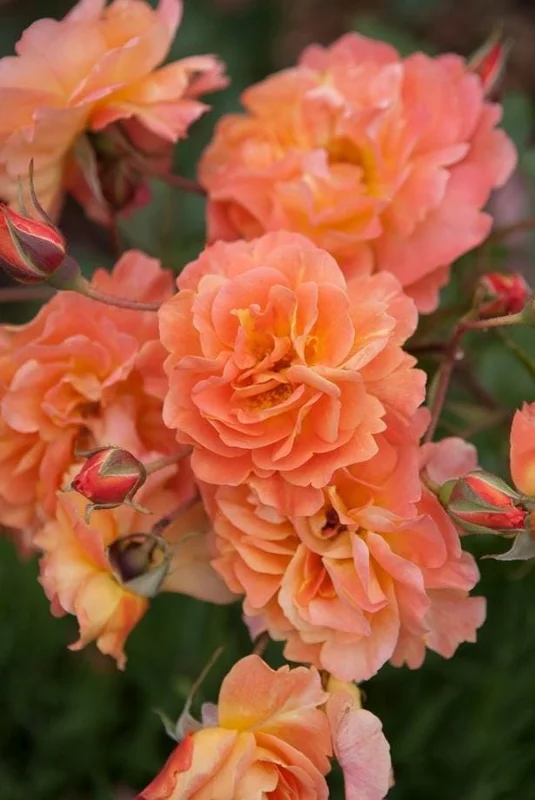
Introduce a cascade of color and fragrance to your landscape with the magnificent Westerland climbing rose. This highly sought-after heirloom variety is celebrated for its vigorous growth and abundant, large clusters of semi-double flowers. Each bloom presents a captivating spectacle, opening in a deep orange-apricot hue and gracefully transitioning to a softer apricot as it matures, often displaying multiple shades on the same plant. The ‘Westerland’ is not just a visual delight; it also boasts a potent, sweet, fruity-clove fragrance that will enchant anyone who passes by. Ideal for training on arbors, pergolas, fences, or walls, this live rose plant creates a breathtaking vertical display, transforming any garden space into a fragrant sanctuary. Its resilience and striking beauty make it a favorite among rose enthusiasts and a fantastic choice for those looking to add a touch of classic charm to their outdoor living areas.
Key Benefits
The Westerland climbing rose offers numerous advantages, making it a standout choice for any garden. Its combination of beauty, fragrance, and hardiness ensures a rewarding gardening experience and a spectacular display year after year. This fragrant climbing rose is truly a garden gem.
- Stunning Bi-Color Blooms: Enjoy a dynamic visual display as the semi-double flowers evolve from a vibrant orange-apricot to a delicate soft apricot, providing a multi-toned effect throughout the blooming season. This unique color transformation adds depth and interest to your garden.
- Exceptional Fragrance: Fill your garden with the rich, strong fruity-clove scent emanating from the large clusters of blooms. The intoxicating aroma of this orange apricot rose makes it perfect for planting near seating areas or windows where its perfume can be fully appreciated.
- Vigorous Climbing Habit: As a robust climbing rose plant, the Westerland is excellent for covering structures like arbors, trellises, and fences. It provides excellent vertical interest and can quickly establish itself to create a lush, flowering screen.
- Long Blooming Season: Experience continuous beauty from spring through fall, as the Westerland Rose consistently produces its cheerful blooms, ensuring your garden remains vibrant for an extended period.
- Hardy and Resilient: This heirloom rose plant is known for its hardiness, thriving in USDA Zones 5 to 9. It demonstrates good disease resistance and adaptability, making it a reliable choice for various climates and gardening skill levels.
- Pollinator Attractor: The vibrant flowers and rich fragrance of the Westerland Rose attract beneficial pollinators such as bees and butterflies, contributing to a healthier and more biodiverse garden ecosystem.
Plant Care & Growing Tips
To ensure your Westerland climbing rose thrives, understanding its specific care requirements is essential. This resilient plant, while generally low-maintenance, benefits greatly from proper attention to its environmental needs. It requires a location where it can receive ample sunlight to produce its abundant blooms and maintain vigorous growth. Choose a site that provides at least six hours of direct sunlight per day, ideally full sun.
Soil and Watering: The Westerland Rose prefers well-draining, fertile soil. Amend heavy clay soils with organic matter to improve drainage and aeration. For sandy soils, adding compost will help retain moisture and nutrients. Maintain consistent soil moisture, especially during dry spells and the blooming season. Water deeply once per week, ensuring the soil is evenly moist but never waterlogged. In hotter climates or during periods of intense heat, more frequent watering may be necessary. Avoid overhead watering late in the day to minimize fungal diseases. The ideal soil pH for this orange apricot rose is slightly acidic to neutral, between 6.0 and 7.0.
Temperature and Humidity: This fragrant climbing rose thrives in temperatures between 65°F and 85°F. It is cold hardy in USDA Zones 5 to 9, meaning it can tolerate winter temperatures down to -20°F with proper care and protection in colder zones. During extreme heat, ensure adequate watering to prevent stress. Good air circulation around the plant helps to manage humidity and prevent common rose diseases. Fertilize your heirloom rose plant with a balanced rose fertilizer in early spring as new growth begins, and again after the first flush of blooms. Follow package instructions for application rates.
Size & Details
The Westerland climbing rose is a vigorous grower, typically reaching heights of 10 to 15 feet with a spread of 4 to 6 feet, making it an impressive focal point in any garden. This live rose plant is shipped as a well-rooted specimen, approximately 4 to 7 inches tall, ready for planting. It is shipped without a pot to minimize shipping costs and environmental impact, ensuring the plant’s energy is focused on root development. With proper care, you can expect this climbing rose to establish quickly and begin producing its stunning orange-apricot blooms from spring through fall. Its robust nature allows it to develop into a substantial and beautiful climbing specimen within a few growing seasons, providing years of enjoyment. The strong growth habit of this Westerland climbing rose makes it suitable for training on various structures, allowing you to customize its display in your garden.
Frequently Asked Questions
- Q: How big does the Westerland climbing rose get? A: The Westerland climbing rose is a vigorous grower, typically reaching heights of 10 to 15 feet with a spread of 4 to 6 feet, depending on growing conditions and pruning.
- Q: What condition will my live rose plant arrive in? A: You will receive a well-rooted live rose plant, approximately 4 to 7 inches tall. It is shipped without a pot to ensure healthy root development upon arrival.
- Q: Is this an indoor or outdoor plant? A: The Westerland Rose is an outdoor climbing rose, best suited for gardens where it can receive full sun and has space to climb. It thrives in USDA Zones 5-9.
- Q: How much sunlight does this fragrant climbing rose need? A: This fragrant climbing rose requires full sun, meaning at least 6 hours of direct sunlight per day, to produce the most abundant blooms and maintain vigorous growth.
- Q: When is the best time to plant the Westerland climbing rose? A: The best time to plant this heirloom rose plant is in early spring after the last frost, or in early fall before the ground freezes.
- Q: What kind of soil does the orange apricot rose prefer? A: The orange apricot rose thrives in well-draining, fertile soil. Amending with organic matter can improve both drainage and nutrient content.
- Q: Is this rose easy to care for for beginners? A: Yes, the Westerland Rose is known for its hardiness and adaptability, making it a good choice for both experienced gardeners and beginners looking for a stunning and relatively low-maintenance climbing rose.
- Q: Will this climbing rose plant survive winter in my zone? A: The climbing rose plant is hardy in USDA Zones 5-9. In colder parts of zone 5, some winter protection may be beneficial to ensure its survival.
- Q: How long until this live rose plant blooms? A: With proper care, your live rose plant should begin producing its beautiful orange-apricot blooms in the spring of its first full growing season after planting, and continue blooming through fall.
- Q: Does this rose attract pollinators? A: Yes, the vibrant and fragrant blooms of the Westerland Rose are very attractive to various pollinators, including bees and butterflies, contributing positively to garden biodiversity.






Reviews
There are no reviews yet.