Overview
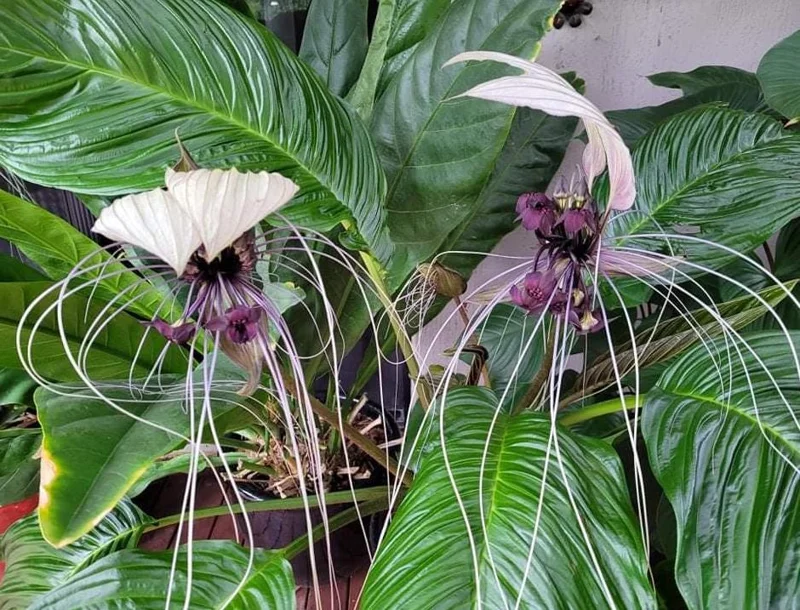
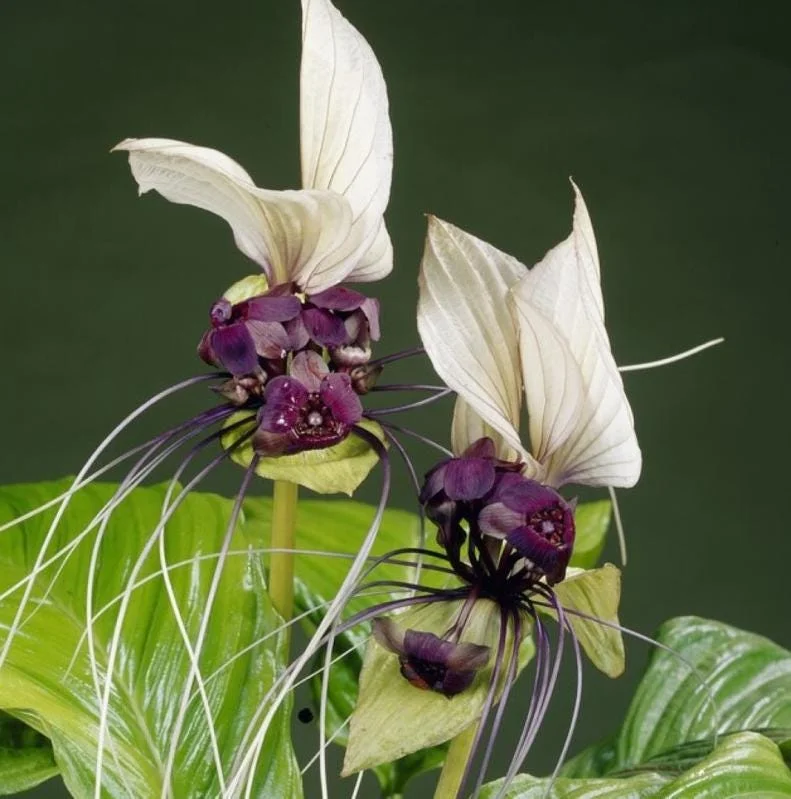
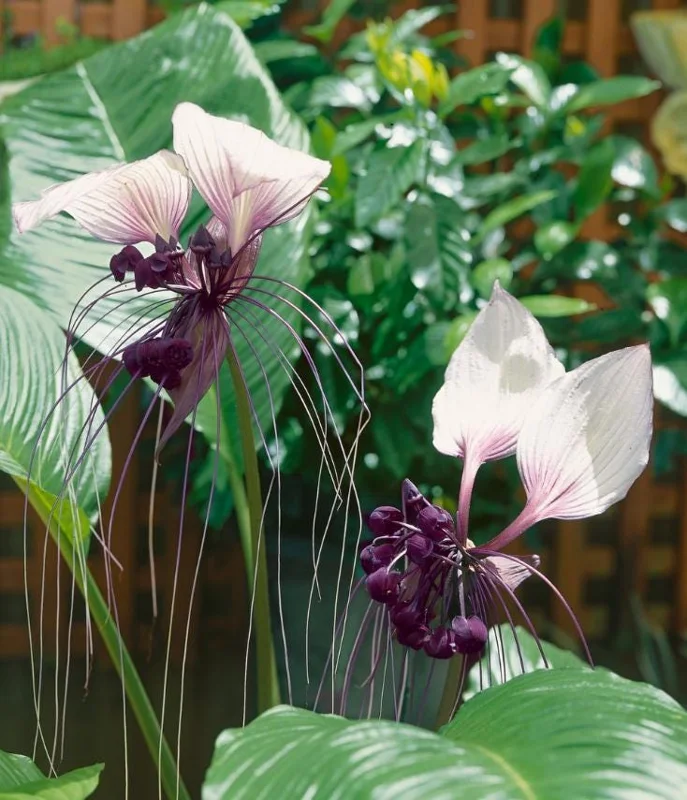
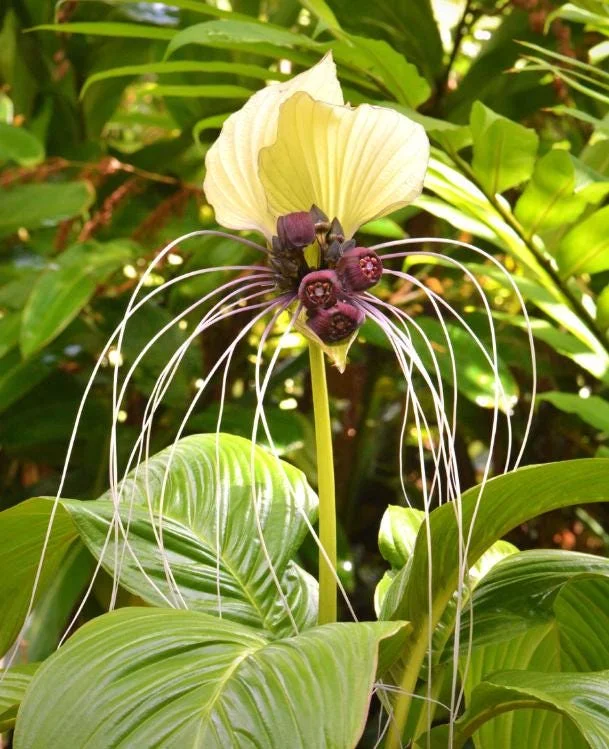
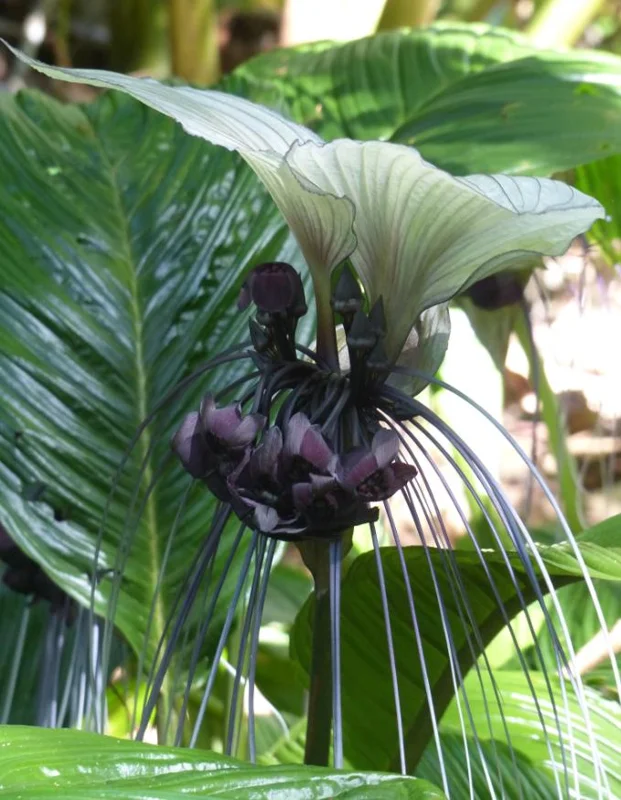
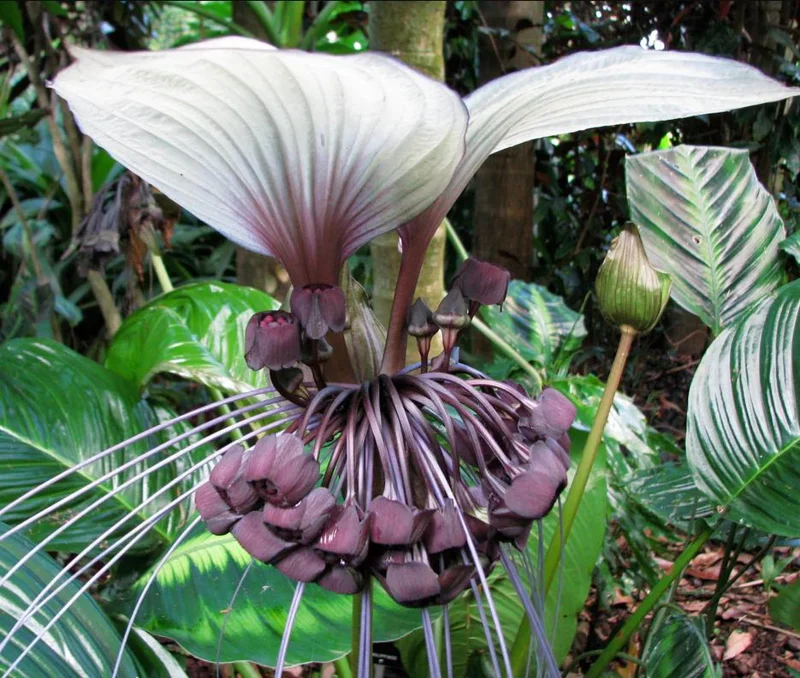
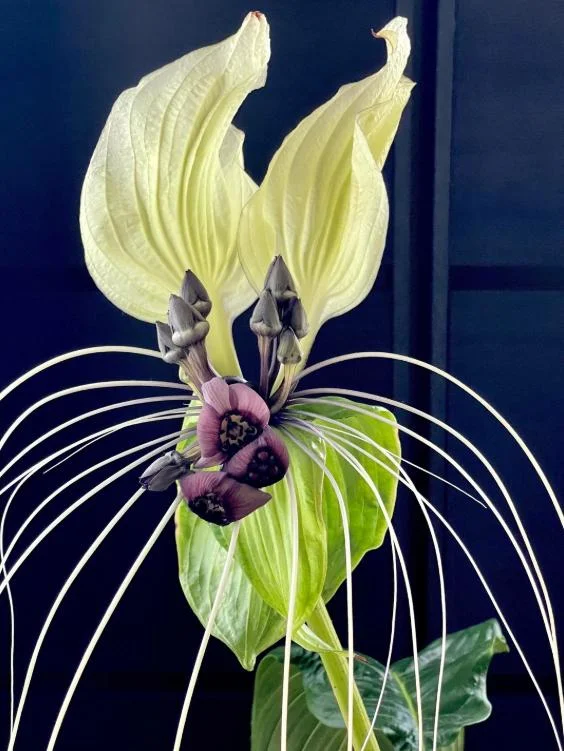
Introduce an element of mysterious elegance to your collection with the stunning white bat flower plant, scientifically known as Tacca Integrifolia. This extraordinary live plant is renowned for its unique and dramatic white blooms, which bear a striking resemblance to a bat in flight, complete with long, flowing whisker-like bracts. Far from a common garden variety, the white bat flower plant is a true conversation starter, offering an exotic and captivating display that transforms any space into a tropical haven. Ideal for enthusiasts of rare flora, this plant promises to be a focal point, drawing admiration and intrigue with its unusual beauty. Its orchid-like appearance adds a touch of sophistication, making it a prized possession for those who appreciate the unusual and the spectacular in botanical specimens.
The white bat flower plant (Tacca Integrifolia) is distinct from its darker cousin, Tacca chantrieri, offering a lighter, ethereal presence in your garden or indoor setting. Each plant is carefully cultivated to ensure healthy growth, arriving ready to establish itself and eventually unfurl its magnificent blossoms. If you’re searching for rare orchid plants that stand out from the crowd, the Tacca Integrifolia is an unparalleled choice, delivering both visual drama and horticultural interest.
Key Benefits
The white bat flower plant offers a multitude of benefits, making it a must-have for both seasoned collectors and aspiring horticulturists. Its unique attributes contribute to its appeal and ease of integration into various garden styles.
- Striking Visual Appeal: The primary draw of the white bat flower plant is its incredibly distinctive blossom. The large, white, bat-shaped flowers with their long, flowing bracts create an unforgettable visual spectacle, unlike almost any other plant. This makes it an instant centerpiece in any collection.
- Exotic & Rare Specimen: As a relatively uncommon plant, owning a Tacca Integrifolia positions you as a connoisseur of unique and rare orchid plants. It’s a plant that sparks curiosity and admiration, perfect for those who love to showcase unusual botanical treasures.
- Tropical Ambiance Creator: With its origins in tropical regions, this plant effortlessly brings a lush, exotic, and mysterious atmosphere to your indoor spaces or shaded outdoor tropical gardens. It evokes a sense of faraway lands right in your home.
- Unique Conversation Starter: The unusual form of the white bat flower plant guarantees it will be a topic of discussion among guests and fellow plant enthusiasts. Its peculiar beauty is captivating and often leads to questions about its origin and care.
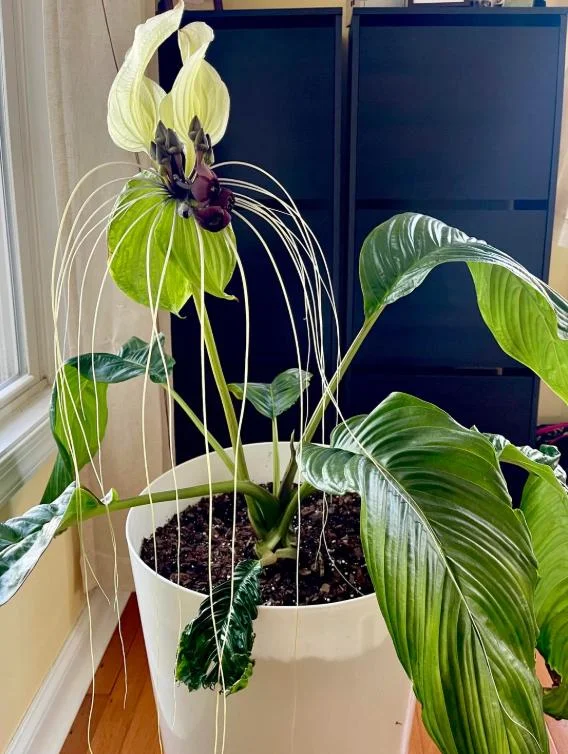
- Adaptable to Containers: While it thrives in tropical garden settings, its moderate size and specific environmental needs make it an excellent choice for container planting. This allows for flexibility in placement and easy relocation to suit its care requirements, making it ideal for creating tropical garden plants displays.
- Low Maintenance for the Exotic: Despite its exotic appearance, the Tacca Integrifolia care requirements are relatively straightforward once its basic needs for warmth, humidity, and shade are met. It’s not as demanding as some other rare orchids, offering a rewarding experience without excessive effort.
- Air Purifying Qualities: Like many broad-leaved plants, the Tacca Integrifolia contributes to a healthier indoor environment by naturally filtering airborne toxins, enhancing the air quality of your living spaces.
Plant Care & Growing Tips
Proper Tacca Integrifolia care is crucial for ensuring the health and prolific blooming of your white bat flower plant. This tropical beauty thrives in conditions that mimic its natural habitat. It prefers warm, humid environments and consistent moisture, but absolutely requires excellent drainage to prevent root rot. For optimal growth, provide bright, indirect light. Direct sunlight can scorch its delicate leaves, so a location with filtered light, such as near an east-facing window or under the canopy of larger plants outdoors, is ideal. Aim for temperatures between 65-80°F (18-27°C) and protect it from cold drafts or temperatures below 50°F (10°C).
When it comes to watering, keep the soil consistently moist but never waterlogged. Allow the top inch of soil to dry slightly between waterings. During the growing season (spring and summer), water more frequently, reducing frequency in the cooler months. High humidity is essential; consider placing the plant on a pebble tray, misting regularly, or using a humidifier, especially in drier climates. Use a rich, well-draining potting mix, ideally one formulated for orchids or a blend of peat, perlite, and bark. Fertilize every 2-4 weeks during the growing season with a balanced liquid fertilizer diluted to half strength. The white bat flower plant is generally pest-resistant, but keep an eye out for common houseplant pests like spider mites or mealybugs, treating them promptly if observed. With consistent Tacca Integrifolia care, you’ll be rewarded with stunning exotic white flowers.
Size & Details
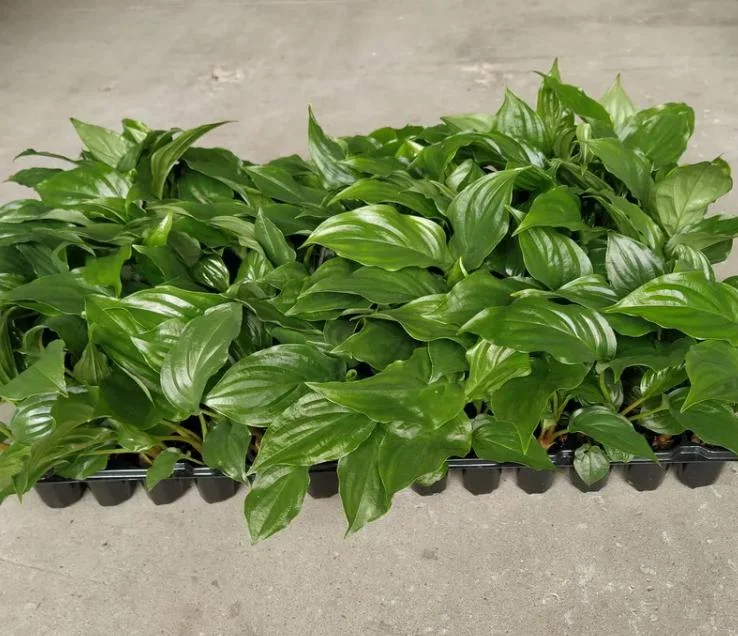
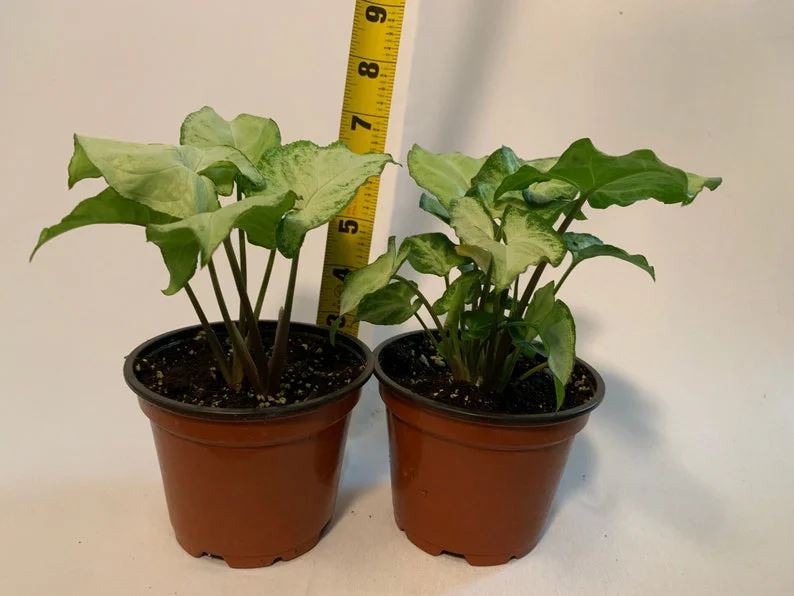
Each offering includes one healthy white bat flower plant, Tacca Integrifolia, standing approximately 5–9 inches tall from the base of the plant to the tip of its tallest leaf. These plants are shipped without a pot, carefully packaged to ensure their safe arrival. While young, these plants are robust and ready to be transplanted into your chosen container or garden bed. The mature size of a white bat flower plant can vary, typically reaching 18-24 inches in height and spread, although some specimens may grow larger under ideal conditions. Expect the dramatic white blooms to emerge once the plant has established itself and reached a certain level of maturity, usually within 1-2 years of planting. The unique structure and impressive size of the flowers, with their long bracts, make them a truly magnificent sight, particularly prized among collectors of tropical garden plants.
Frequently Asked Questions
- Q: How big does this white bat flower plant get? A: Your plant will arrive 5-9 inches tall. Mature plants typically grow to about 18-24 inches in height and spread, with some growing larger under optimal conditions.
- Q: Is this an indoor or outdoor plant? A: The white bat flower plant can be grown both indoors and outdoors. Outdoors, it thrives in warm, humid, shaded tropical environments. Indoors, it makes an excellent houseplant provided it receives bright, indirect light and high humidity.
- Q: How much sunlight does it need? A: This plant requires bright, indirect light. Direct sunlight can scorch its leaves. A north or east-facing window indoors, or a heavily shaded spot outdoors, is ideal.
- Q: Is this plant easy to care for? A: While exotic, Tacca Integrifolia care is relatively straightforward once you understand its needs for warmth, humidity, and indirect light. It’s considered moderately easy for those with some plant care experience.
- Q: What condition will it arrive in? A: Your white bat flower plant will arrive as a live, healthy specimen, carefully packaged without a pot to ensure safe transit. It will be ready for immediate planting upon arrival.
- Q: How long until it blooms? A: The white bat flower plant typically begins to bloom when it reaches maturity, which can be within 1-2 years after planting, depending on growing conditions and care.
- Q: What type of soil is best for tropical garden plants like this? A: A rich, well-draining potting mix is best. Consider a blend designed for orchids or a mix of peat, perlite, and bark to ensure good aeration and drainage.
- Q: Will it survive winter in my zone? A: The white bat flower plant is a tropical species and is not cold-hardy. It thrives in USDA zones 10-11 for outdoor planting. In cooler climates, it must be brought indoors when temperatures drop below 50°F (10°C).
- Q: Are these exotic white flowers fragrant? A: The flowers of the white bat plant are not known for a strong fragrance. Their appeal lies primarily in their striking visual form and unique structure.
- Q: Can I propagate this plant? A: Propagation can be done through division of rhizomes, or from seeds, though seed propagation can be a slow and challenging process.








Reviews
There are no reviews yet.