Overview
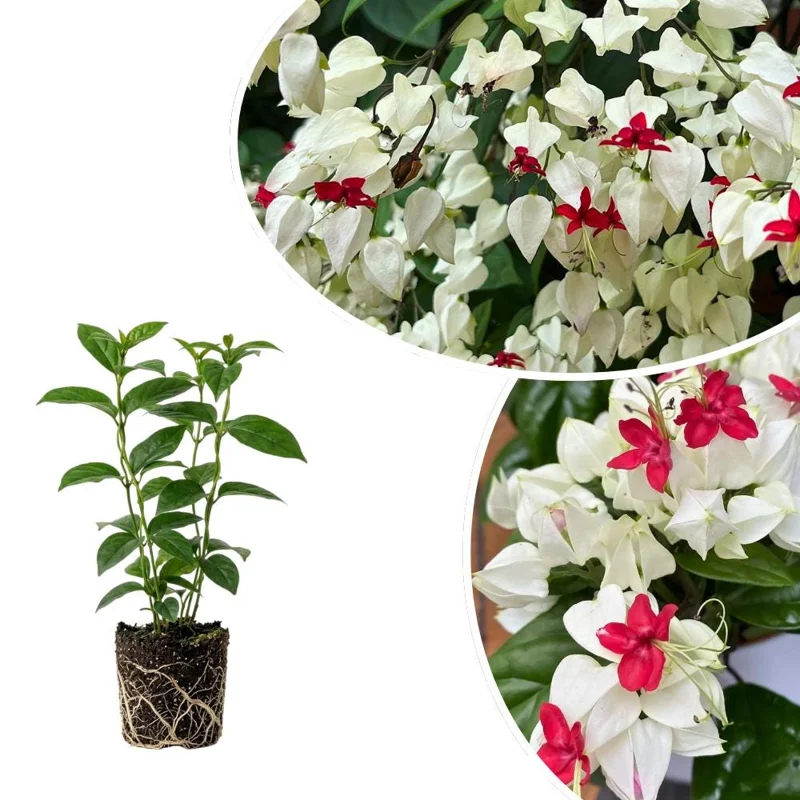
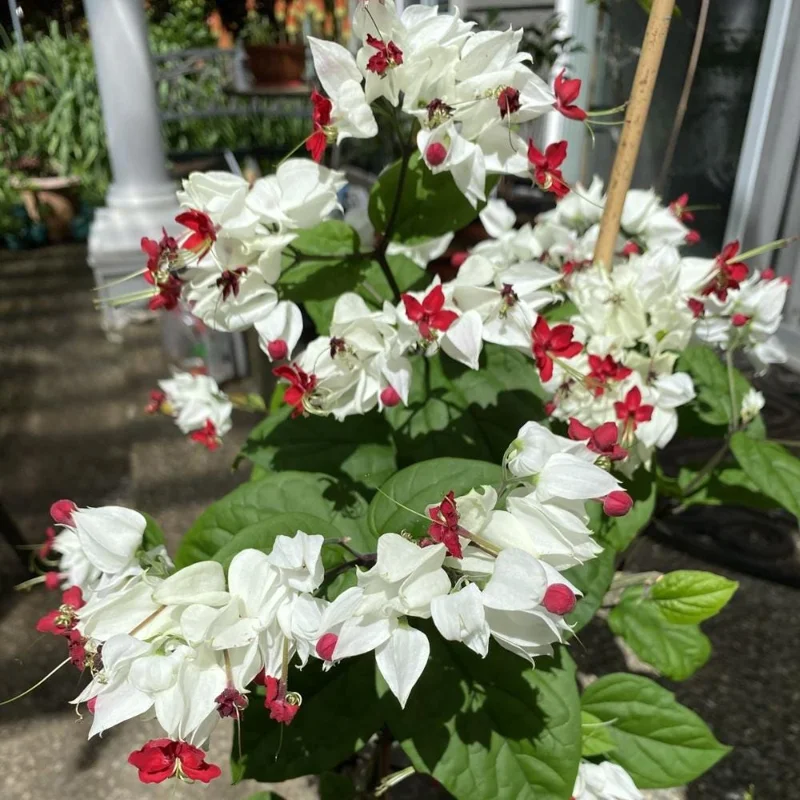
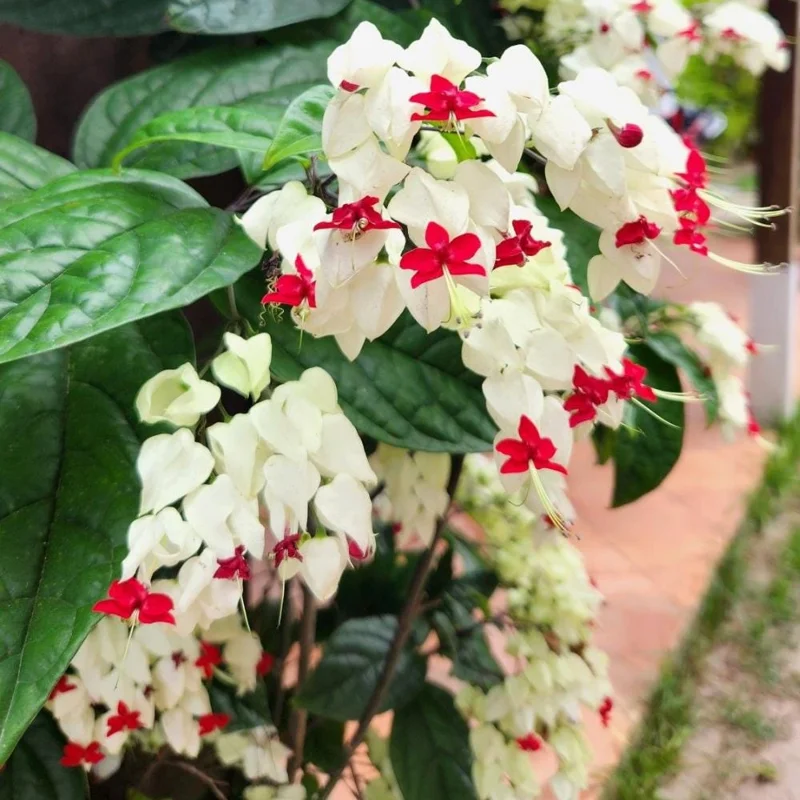
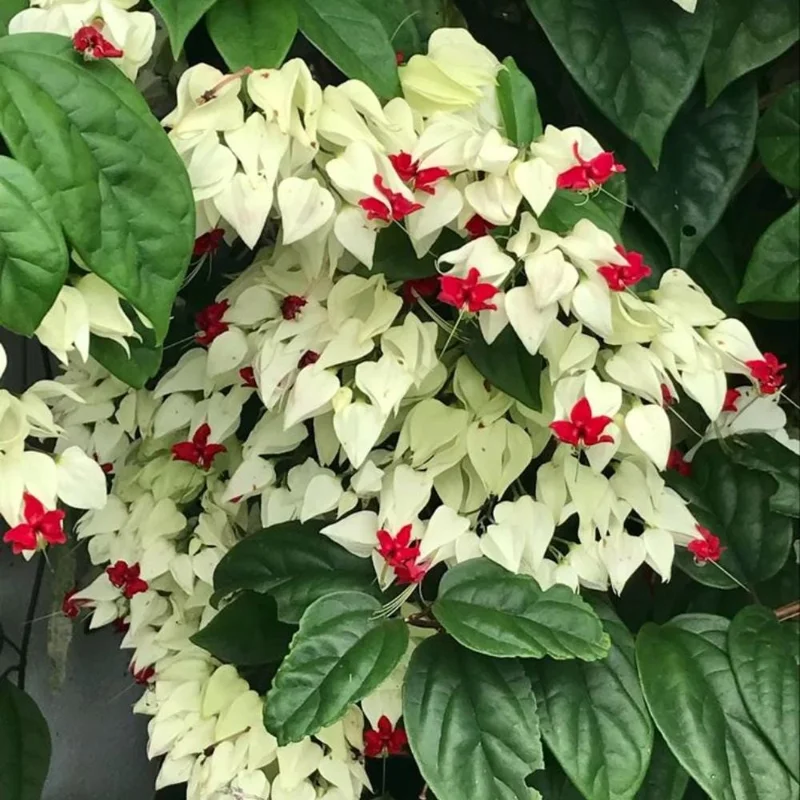
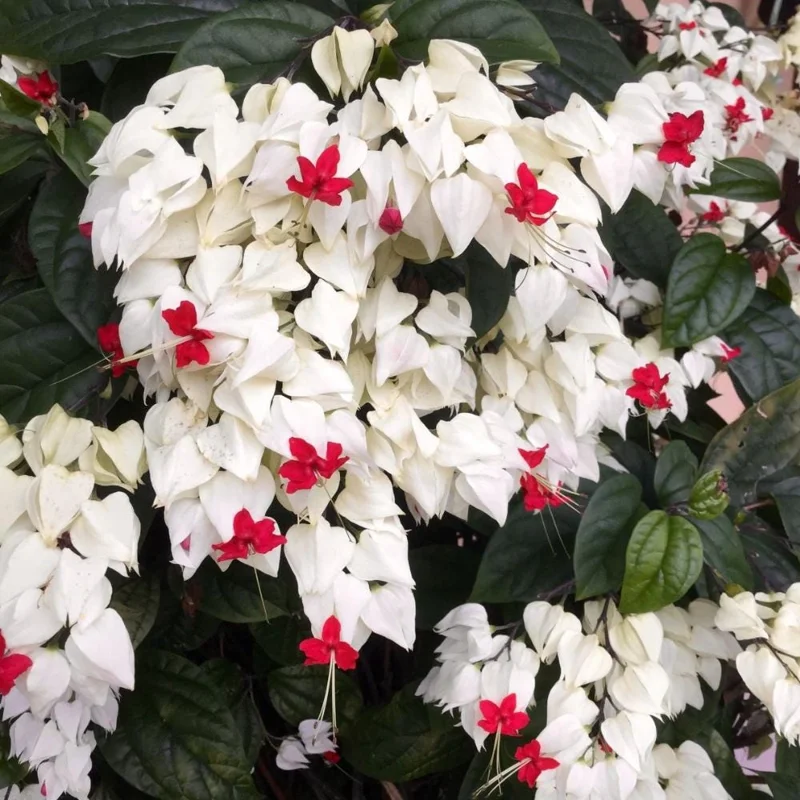
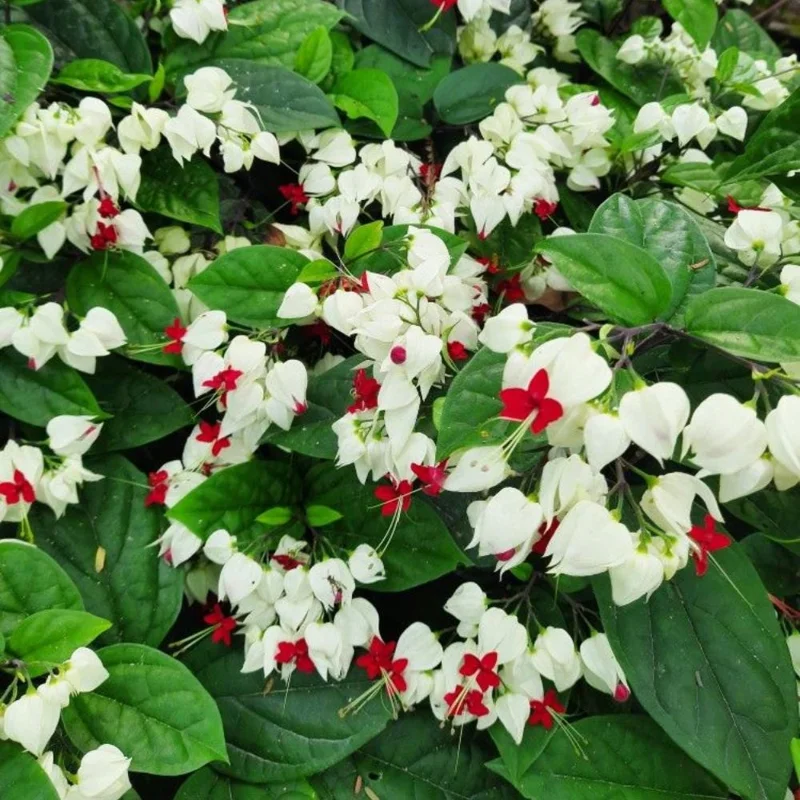
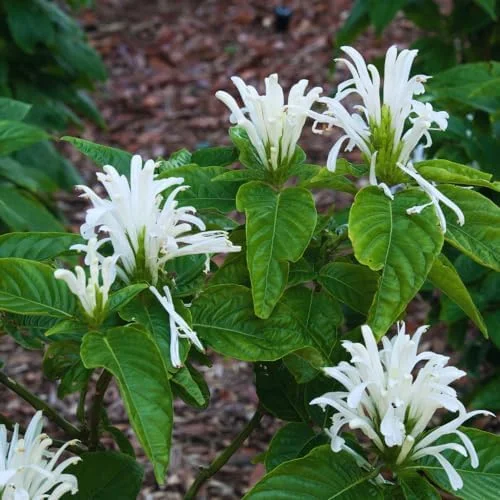
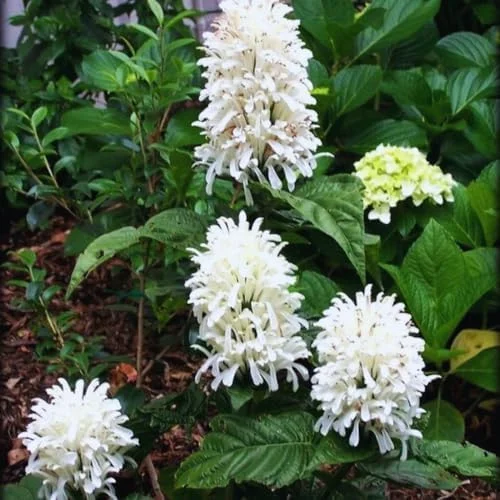
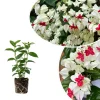
Introduce a touch of elegance and charm to your garden with the exquisite white bleeding heart vine plant. This live starter plant, scientifically known as Clerodendrum thomsoniae, is celebrated for its unique and striking bell-shaped flowers that appear in clusters, creating a captivating display. Often referred to simply as ‘Bleeding Heart Vine,’ this plant is a classic perennial known for its distinctive heart-shaped blooms that emerge along arching stems, typically in spring and continuing through summer. The delicate white calyxes, from which vibrant red petals emerge, create a stunning visual contrast that will be a focal point in any garden setting. Our live starter plant arrives ready to establish reliably under suitable growing conditions, promising to transform your outdoor spaces into a serene oasis. This particular specimen is supplied as a thriving starter plant, ensuring a strong foundation for future growth and abundant blooms.
The white bleeding heart vine plant thrives in outdoor environments, preferring partial shade and well-drained soil. It’s an excellent choice for those looking to add vertical interest or a touch of romantic beauty to their landscapes. As a vine, it can be trained to climb trellises, arbors, or fences, or allowed to gracefully spill over containers and hanging baskets. This plant naturally goes dormant after its flowering period, making it a thoughtful companion plant for shaded borders, woodland gardens, and patio containers. Its adaptability and stunning floral display make it a must-have for both novice and experienced gardeners.
Key Benefits
The white bleeding heart vine plant offers numerous advantages for both the plant enthusiast and the garden itself, enhancing beauty and providing delightful characteristics.
- Stunning Floral Display: Enjoy a prolonged bloom period with unique, bell-shaped white and red flowers that add a dramatic and elegant touch to any garden setting. The intricate design of each bloom is truly a spectacle.
- Versatile Garden Use: This vine can be used in various ways, from climbing trellises and arbors to serving as a beautiful groundcover or a striking container plant. Its flexibility makes it suitable for diverse garden designs.
- Partial Shade Performance: Ideal for areas with less direct sunlight, making it perfect for shaded borders, woodland gardens, or under larger trees where other flowering plants might struggle. It thrives where many plants won’t.
- Attractive to Pollinators: The vibrant flowers of the white bleeding heart vine plant can attract beneficial pollinators like hummingbirds and butterflies, bringing more life and activity to your garden.
- Low Maintenance Perennial: Once established, this plant is relatively low maintenance, returning year after year with its beautiful blooms. Its natural dormancy simplifies seasonal care.
- Excellent Companion Plant: Its ability to go dormant after flowering makes it an ideal companion, allowing other shade-loving plants to take center stage later in the season.
- Adds Vertical Interest: As a climbing vine, it naturally adds height and dimension to your garden, transforming plain walls or structures into living works of art.
Plant Care & Growing Tips
Proper clerodendrum plant care is essential for ensuring your white bleeding heart vine plant thrives and produces its stunning bell-shaped flowers. This plant performs best in partial shade, meaning it prefers areas that receive filtered sunlight or morning sun with afternoon shade, especially in warmer climates where intense afternoon sun can scorch its delicate foliage. While it can tolerate some sun, consistent shade during the hottest parts of the day is crucial for optimal health and blooming. Ensure the planting location has good air circulation to prevent fungal issues.
When it comes to watering, the bleeding heart vine starter prefers well-drained soil with moderate moisture retention. Keep the soil consistently moist, but not waterlogged, during the active growing period and flowering season. Avoid letting the soil dry out completely between waterings. Once the plant enters its natural dormancy phase after flowering, you can reduce watering frequency as its growth slows down. Good drainage is paramount to prevent root rot. For soil, a rich, organic, well-draining loam is ideal. You can amend heavy clay soils with compost or peat moss to improve drainage and fertility. Fertilize monthly during the growing season with a balanced liquid fertilizer, reducing frequency as dormancy approaches.
The white bleeding heart vine plant is suitable for USDA zones 3–9, demonstrating its resilience across a wide range of climates. Protect it from harsh winter winds in colder zones. Common problems include aphids or spider mites, which can be managed with insecticidal soap. Ensure proper watering and light conditions to prevent stress, which can make plants more susceptible to pests and diseases. Regular pruning after flowering can help maintain its shape and encourage bushier growth and more blooms. This ensures a healthy and vigorous plant, making outdoor shade plant gardening a rewarding experience.
Size & Details
This offering is for a live white bleeding heart vine plant, supplied as a healthy starter plant approximately 4 inches tall. This size is ideal for easy establishment in your garden or container. At maturity, this vigorous vine typically reaches approximately 24–36 inches tall and spreads about 18–24 inches wide, depending on growing conditions and support structure. Its moderate growth rate allows for steady development into a robust and floriferous specimen. It is perfect for adding to existing garden beds, creating captivating shaded borders, enhancing woodland areas, or gracing large patio containers. The plant will arrive carefully packaged to ensure its health and vitality during transit, ready for immediate planting and nurturing.
Frequently Asked Questions
- Q: How big does this white bleeding heart vine plant get? A: At maturity, this vine typically reaches approximately 24–36 inches tall and spreads 18–24 inches wide. Its final size can vary based on growing conditions, available support, and pruning.
- Q: Is this an indoor or outdoor plant? A: This is primarily an outdoor shade plant, thriving in gardens, shaded borders, and large containers. While it can be overwintered indoors in very cold climates, it performs best outdoors.
- Q: How much sunlight does the clerodendrum plant care require? A: The white bleeding heart vine plant prefers partial shade. It tolerates morning sun but requires afternoon shade, especially in warmer climates, to prevent leaf scorch and ensure optimal blooming.
- Q: Is this plant easy to care for? A: Yes, once established, the bleeding heart vine starter is relatively low-maintenance. It requires consistent moisture during its growing season and protection from harsh sun, but is otherwise quite resilient.
- Q: What condition will the white bleeding heart vine plant arrive in? A: Your plant will arrive as a healthy live starter plant, approximately 4 inches tall, carefully packaged to ensure its vitality and readiness for planting upon arrival.
- Q: How long until it blooms? A: With proper care, your white bleeding heart vine plant can begin to produce its beautiful bell-shaped flowers plant within its first growing season, with more abundant blooms expected in subsequent years as it matures.
- Q: Will it survive winter in my zone? A: This plant is suitable for USDA zones 3–9. In colder zones, it may die back to the ground but typically regrows in spring. In warmer zones, it can be more evergreen.
- Q: What type of soil does this plant prefer? A: The white bleeding heart vine plant thrives in well-drained soil with moderate moisture retention. Amending with organic matter can improve soil structure and fertility.
- Q: Can I grow this plant in a container? A: Absolutely! This vine is an excellent choice for large patio containers, especially if you provide it with a trellis or support to climb, showcasing its beautiful bell-shaped flowers.
- Q: Is the white bleeding heart vine plant considered a perennial? A: Yes, it is a classic perennial, meaning it will return year after year, especially within its suitable USDA hardiness zones.




Reviews
There are no reviews yet.