Overview
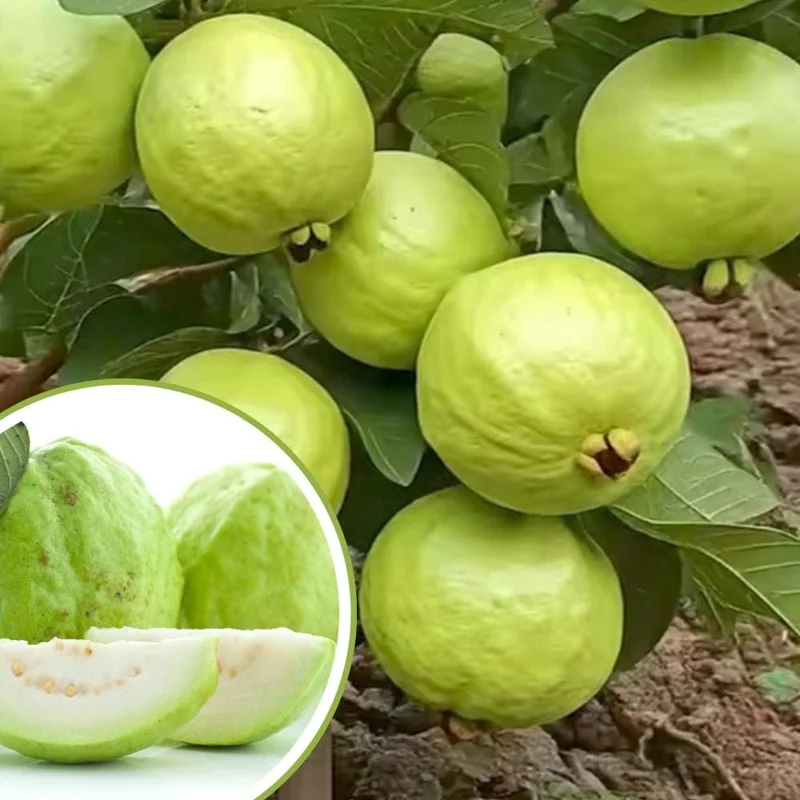
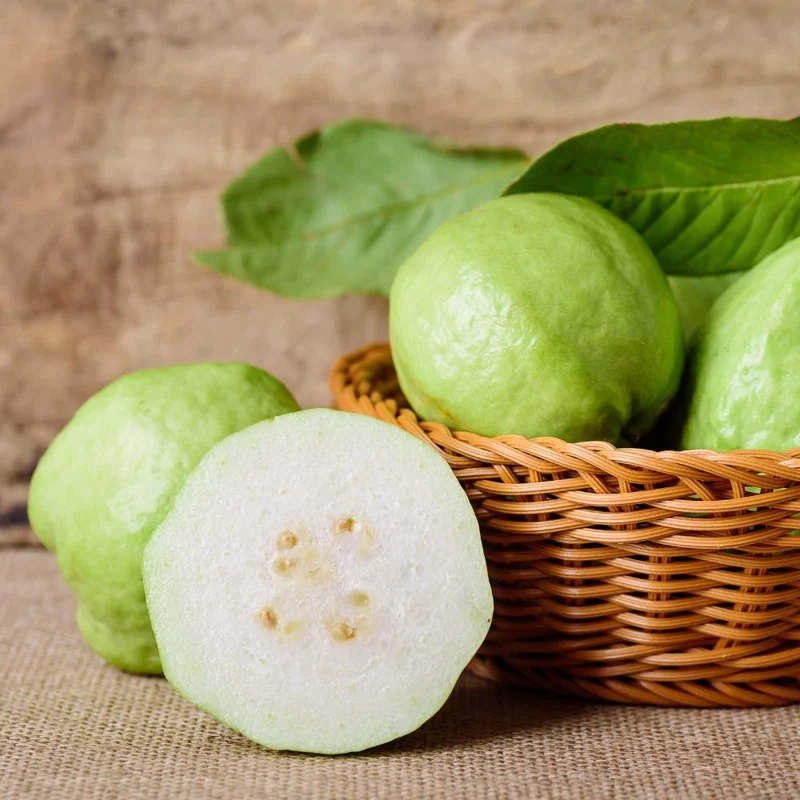
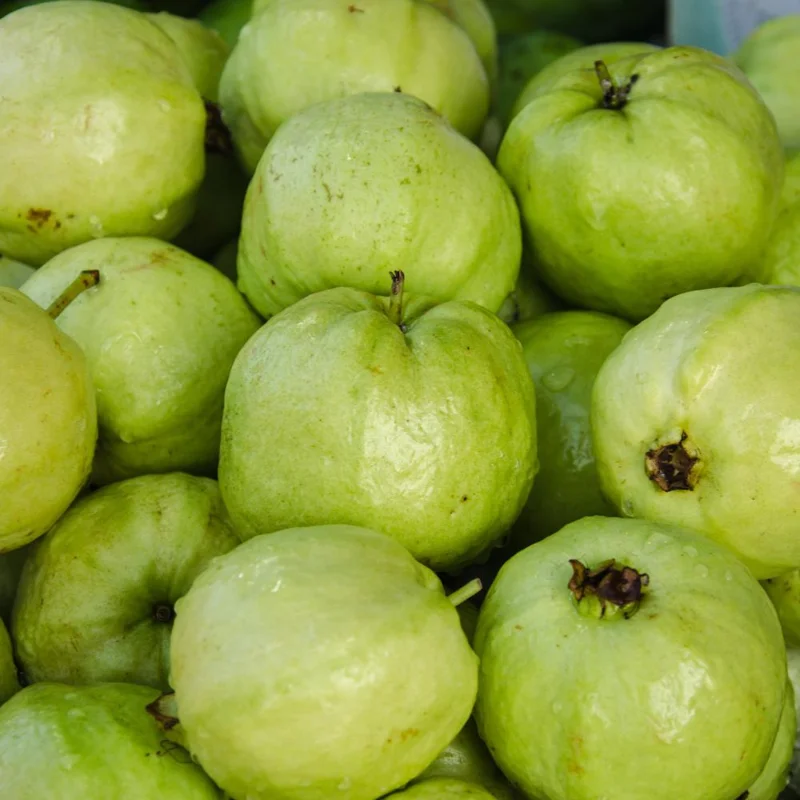
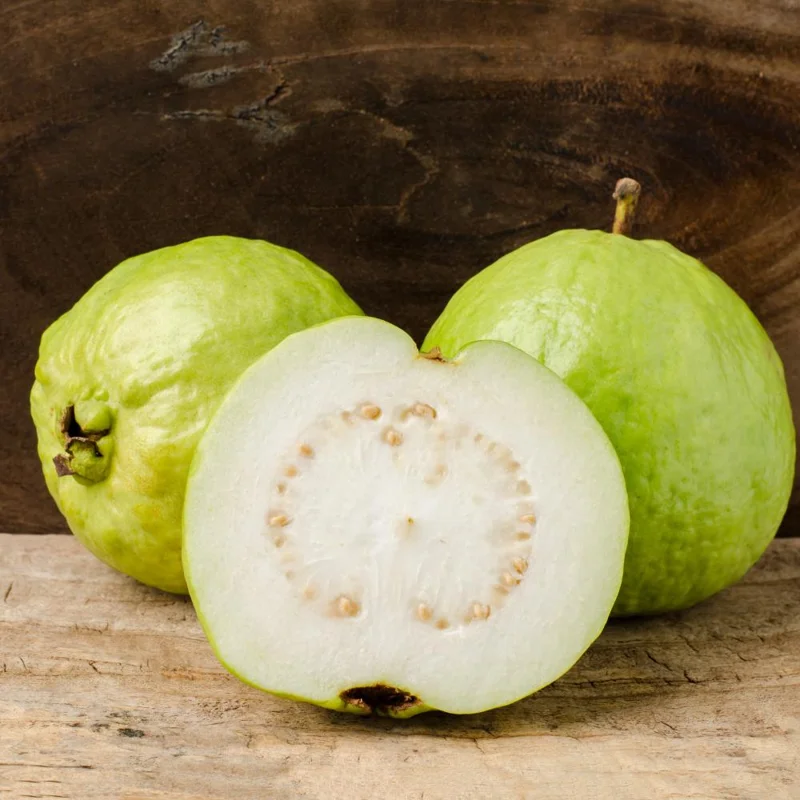
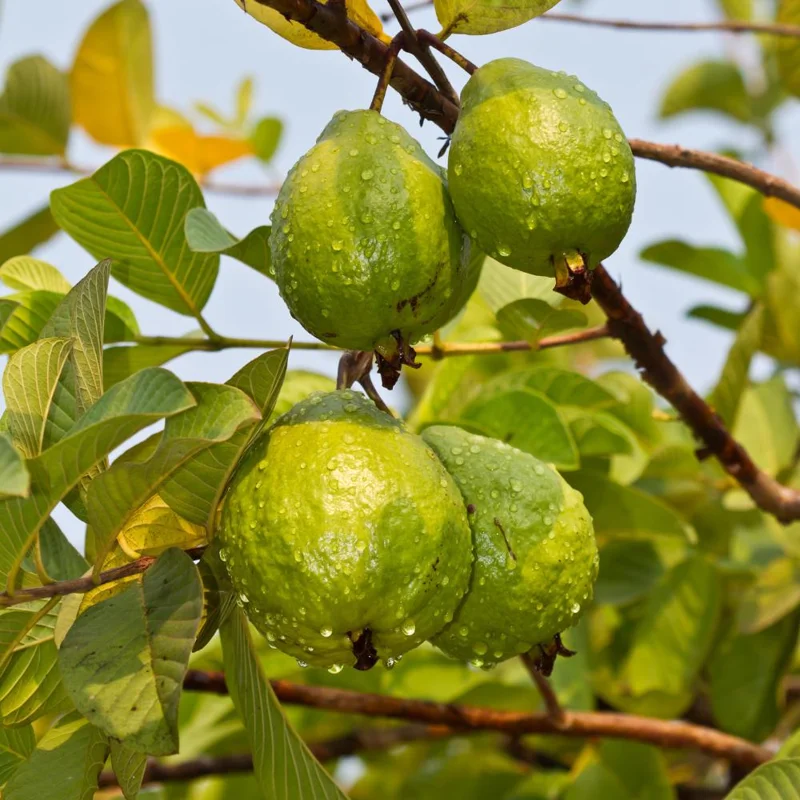
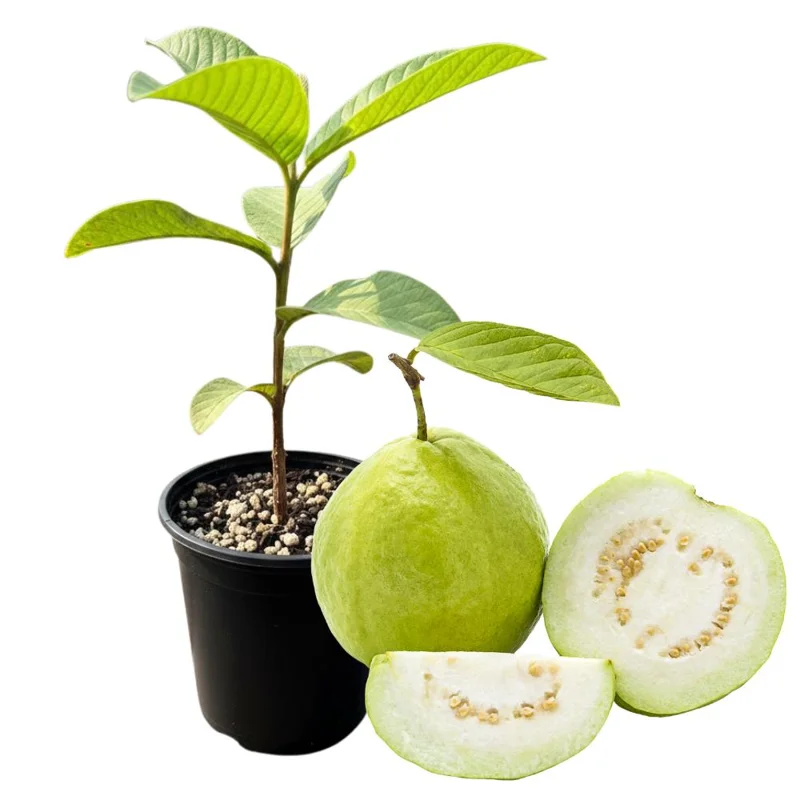
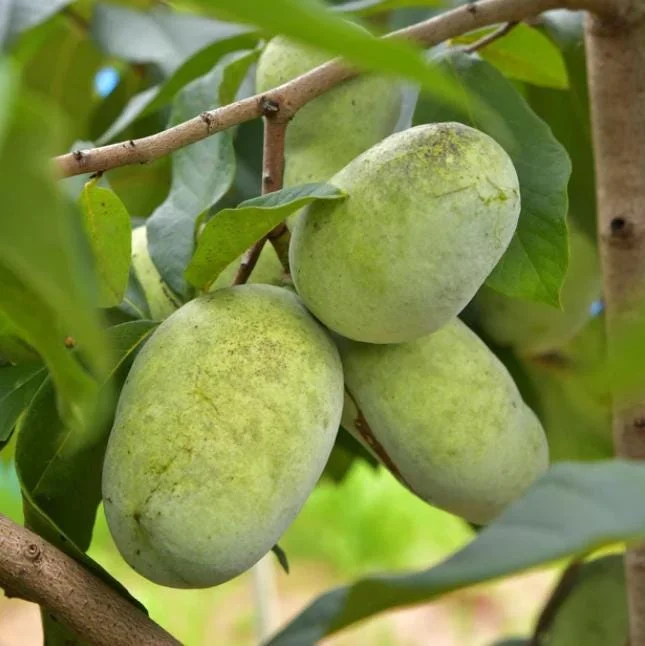
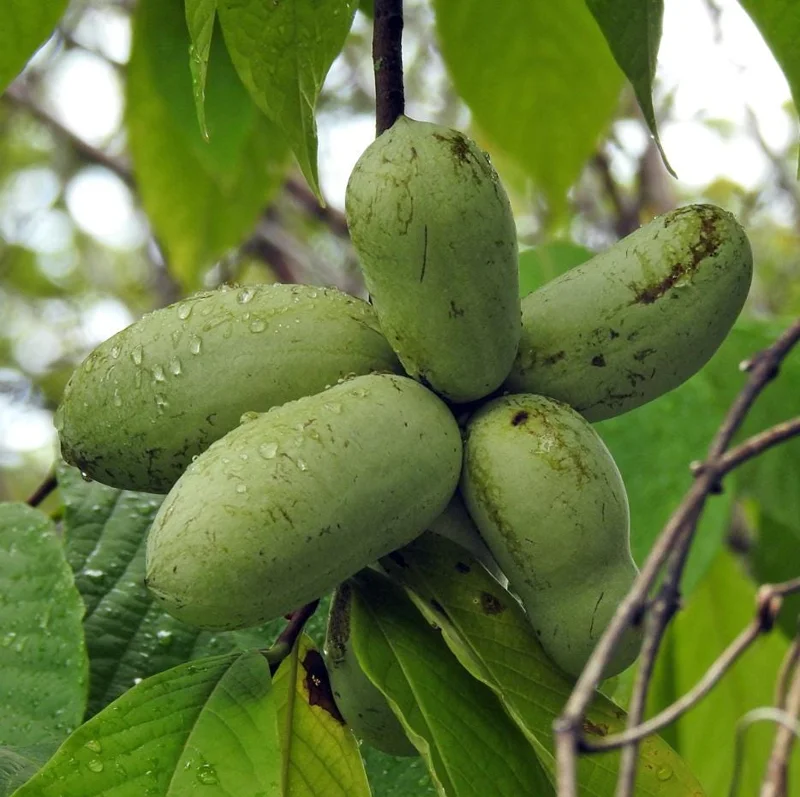
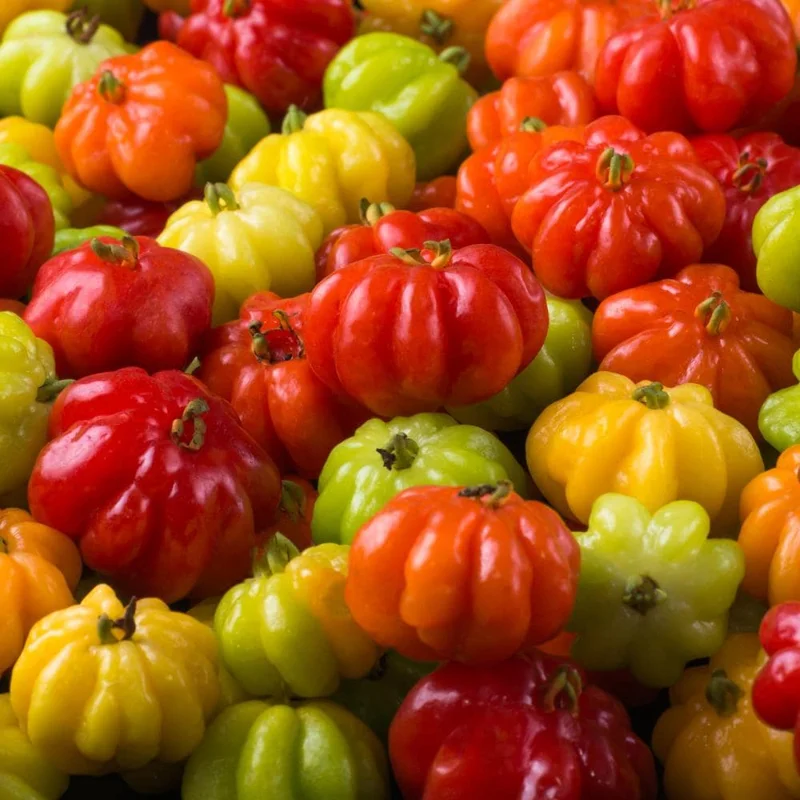
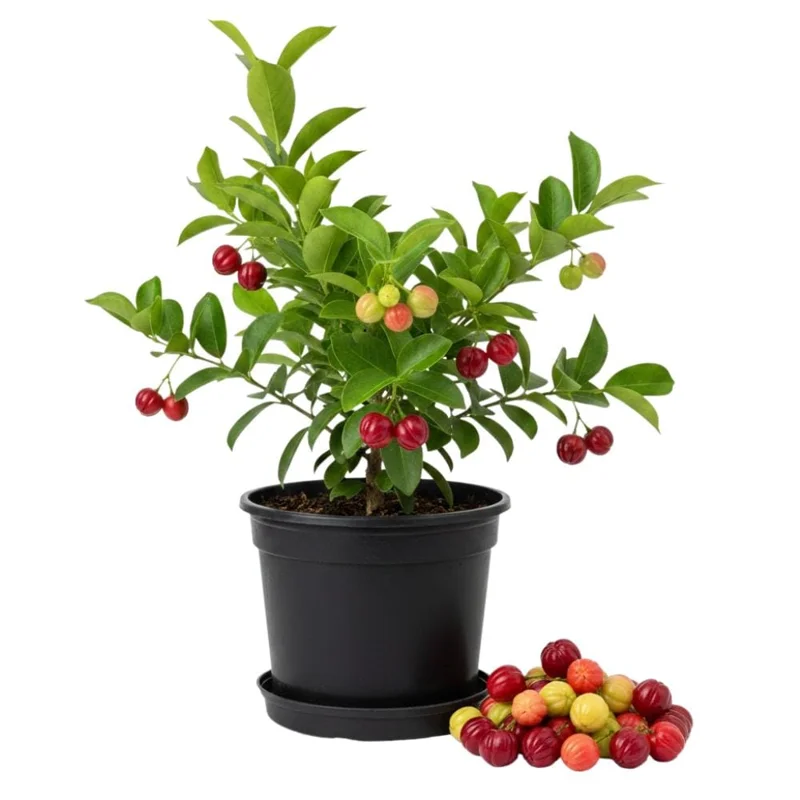
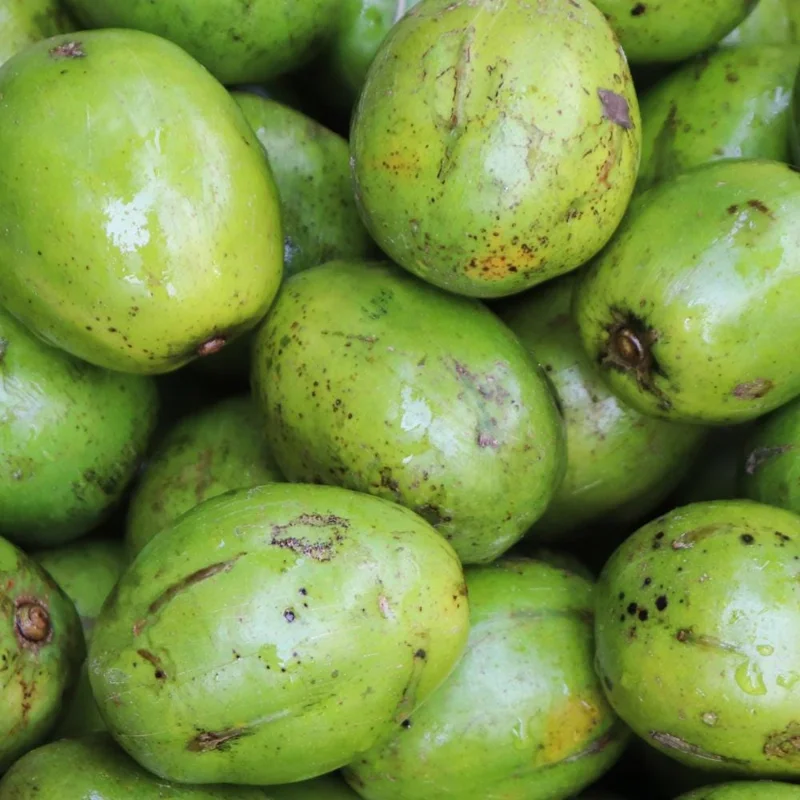
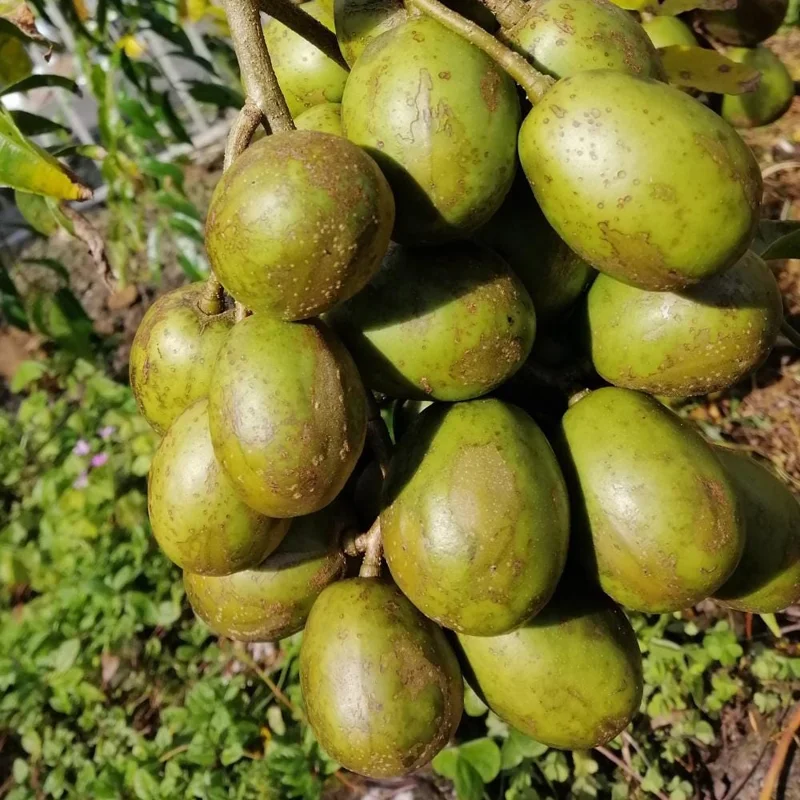
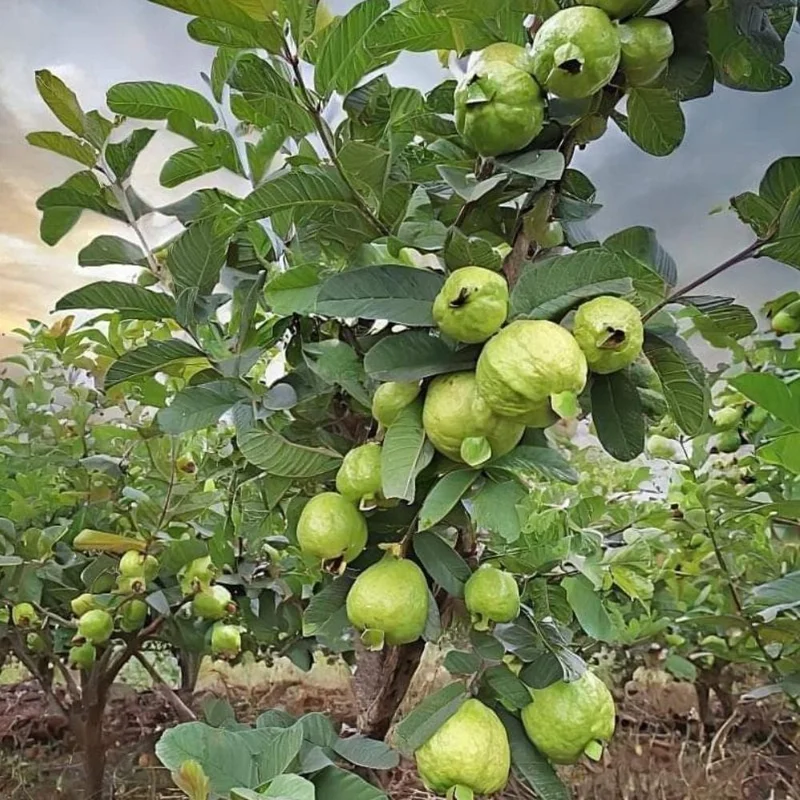
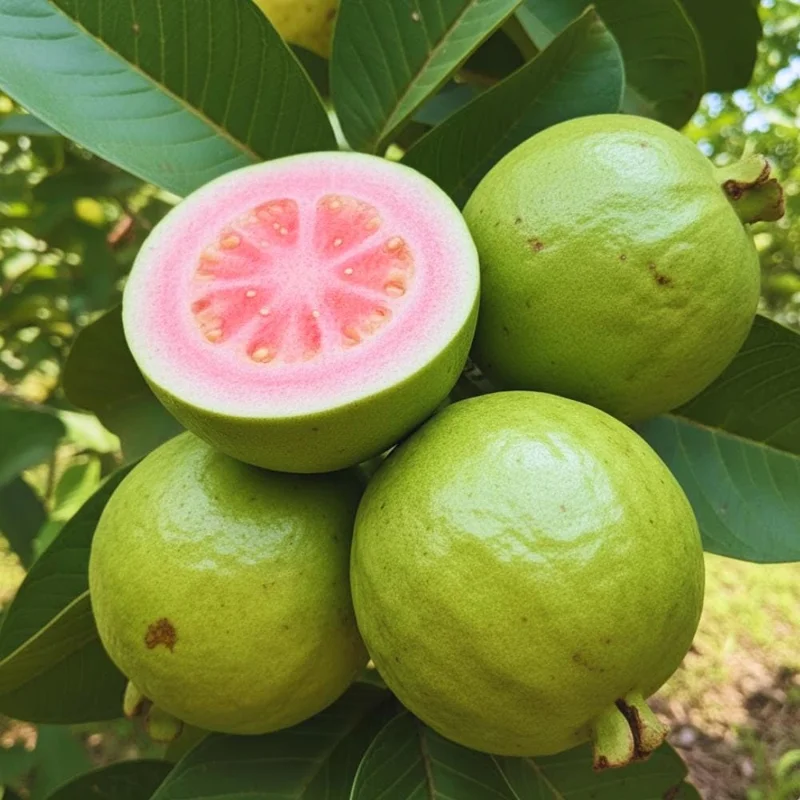
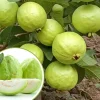
Embark on a delightful gardening journey with our white guava tree live plant. This small to medium-sized tropical plant is a fantastic addition to any garden or patio, especially in warmer regions. Known for its ease of growth and delicious fruit, the white guava tree live plant produces round or oval guavas with a vibrant green exterior and a sweet, aromatic interior. These young plants, typically 6-8 inches tall and supplied in a 4-inch pot, are eager to establish themselves and begin fruiting within a few years, offering a taste of the tropics right at home. Guava trees are not just fruit producers; their lush foliage adds an attractive, exotic touch to your landscape.
The guava (Psidium guajava) is a popular tropical fruit tree cherished for its distinctive flavor and nutritional benefits. Our guava fruit plant is carefully nurtured to ensure a healthy start in your environment, promising a rewarding experience for both novice and experienced gardeners. It’s a robust plant that adapts well to various conditions, making it a versatile choice for many sunny locations. Experience the satisfaction of harvesting your own fresh guavas, perfect for eating fresh, making juices, or creating delicious desserts.
Key Benefits
Bringing a white guava tree live plant into your home or garden offers numerous advantages beyond just delicious fruit:
- Produces Delicious Fruit: Enjoy the unique, sweet, and fragrant taste of fresh white guavas directly from your own tree. These fruits are ideal for healthy snacking, making refreshing juices, or incorporating into various culinary creations. The satisfaction of growing your own produce is immense.
- Easy to Grow: Guava trees are known for their resilience and relatively low maintenance requirements, making them suitable for gardeners of all skill levels. They can adapt to different soil types and are generally forgiving once established, simplifying the process to grow guava tree.
- Aesthetic Appeal: With its attractive foliage and tropical vibe, the guava tree adds significant ornamental value to your garden, patio, or even as a potted specimen indoors in cooler climates. Its presence enhances the visual appeal of any space.
- Nutritional Value: Guavas are packed with vitamins, especially Vitamin C, and other essential nutrients, contributing to a healthy diet. Growing your own ensures a fresh, organic source of these beneficial fruits.
- Drought-Tolerant Once Established: While young plants require regular watering, mature guava trees are quite drought-tolerant, reducing water consumption in the long run and making them a sustainable choice for your landscape.
- Versatile Planting: Suitable for planting directly in the ground in appropriate USDA zones or for container growing, offering flexibility for various living situations. You can enjoy a guava plant care routine that fits your lifestyle.
- Fast Fruiting: Unlike many fruit trees, guava trees can begin producing fruit within just a few years of planting, providing a relatively quick return on your gardening efforts and patience.
Plant Care & Growing Tips
Proper care is essential for ensuring your white guava tree live plant thrives and produces abundant fruit. Guava trees are tropical plants that flourish in warm climates and require specific conditions to reach their full potential. They are generally robust but benefit greatly from attention to their light, water, and soil needs. Understanding how to best grow guava tree will lead to a successful and fruitful experience.
For optimal growth and fruit production, guava trees demand full sunlight, needing at least 6–8 hours of direct sun each day. If planting outdoors, choose a location that receives ample sunlight throughout the day. For container-grown plants, especially where temperatures drop, ensure they are placed in the sunniest spot available, moving them indoors if necessary. Regular watering is crucial, especially for young trees. Water deeply, allowing the topsoil to dry slightly between waterings, but avoid waterlogging, which can lead to root rot. Once established, guava trees develop good drought tolerance, but consistent moisture will promote better fruit development. When considering guava plant care, remember that proper drainage is key.
Guava trees prefer well-drained soil, with sandy loam or loamy soil being ideal. They can adapt to various soil types but will not tolerate heavy, waterlogged conditions. Ensuring good drainage is vital for root health. Fertilize your guava tree during the growing season (spring and summer) with a balanced fertilizer, reducing frequency in fall and winter. Follow product instructions for application rates. Guava trees are best suited for USDA Zones 9–11, where the climate is consistently warm, as they are sensitive to cold temperatures. Protecting young trees from frost is crucial in transitional zones. Watch out for common pests and diseases; early detection and appropriate treatment will keep your tropical fruit tree healthy and productive.
Size & Details
This offering is for one white guava tree live plant, which typically measures 6-8 inches in height from the base of the pot to the top of the foliage. Each plant is carefully grown and shipped in a 4-inch nursery pot, providing a healthy root system ready for transplanting. While relatively small upon arrival, these young guava trees have a moderate growth rate and, with proper care, will quickly begin to mature and increase in size. They are expected to start producing their sweet, fragrant guava fruit within a few years, offering a rewarding experience for the patient gardener.
The plant will arrive carefully packaged to ensure its safety during transit, ready to be acclimated to its new environment. Depending on your climate and growing conditions, it can be transplanted into a larger container or directly into the ground. When fully mature, a guava fruit plant can reach heights of 10-20 feet, though container-grown trees will remain smaller. The eventual size depends on factors like pruning, pot size, and overall growing conditions, allowing you to manage its growth to suit your space.
Frequently Asked Questions
- Q: How big does this plant get? A: This white guava tree live plant arrives 6-8 inches tall in a 4-inch pot. Mature trees can reach 10-20 feet tall when planted in the ground, but they can be kept smaller through pruning and container growing.
- Q: What size pot does it come in? A: The guava plant care offering includes a plant shipped in a 4-inch nursery pot, providing a good foundation for its initial growth.
- Q: Is this an indoor or outdoor plant? A: Guava trees are tropical plants best suited for outdoor planting in USDA Zones 9-11. In cooler climates, they can be grown outdoors during warm months and brought indoors as a tropical fruit tree during winter.
- Q: How much sunlight does it need? A: Your guava fruit plant requires full sunlight, meaning at least 6-8 hours of direct sun per day, to thrive and produce fruit effectively.
- Q: Is this plant easy to care for? A: Yes, guava trees are generally considered easy to care for, especially once established. They adapt well to various conditions, making them a good choice for beginners looking to grow guava tree.
- Q: What condition will it arrive in? A: Your plant will arrive healthy and carefully packaged to ensure its safety during shipping, ready for immediate planting or repotting.
- Q: Can I use the guava fruit in cooking? A: Absolutely! The sweet and fragrant guavas are excellent for eating fresh, making juices, jams, jellies, and a variety of desserts, offering many culinary uses.
- Q: How long until it blooms? A: With proper guava plant care, your young tree can begin to flower and produce fruit within a few years of planting.
- Q: When is the best time to plant? A: The best time to plant your white guava tree live plant is in spring or early summer, after all danger of frost has passed, allowing it ample time to establish before cooler weather.
- Q: Will it survive winter in my zone? A: Guava trees are sensitive to cold and thrive in USDA Zones 9-11. If you live in a colder zone, you’ll need to provide winter protection or grow it in a container that can be moved indoors.



Reviews
There are no reviews yet.