Overview
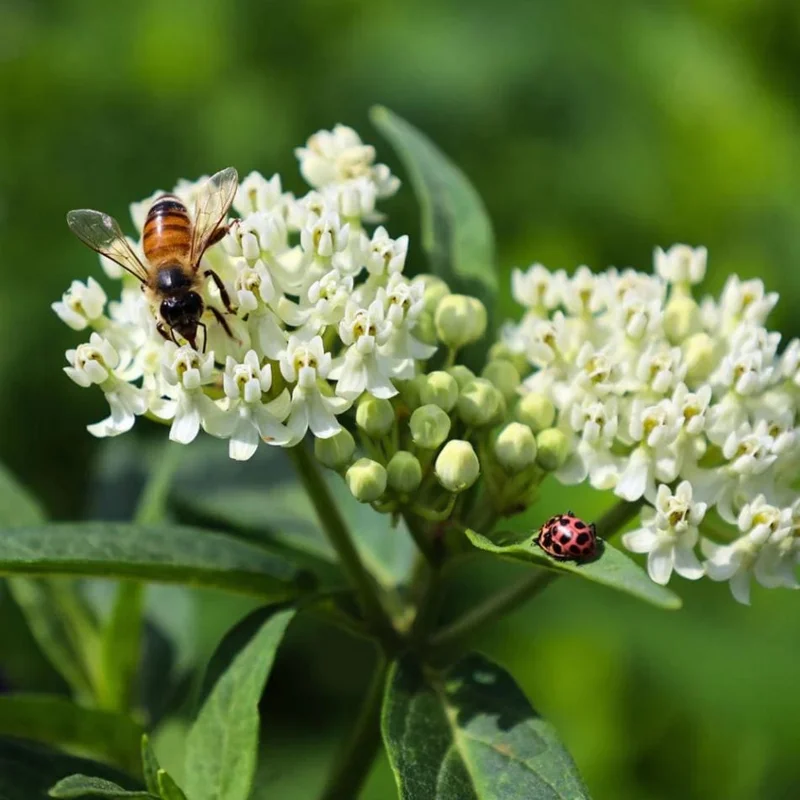
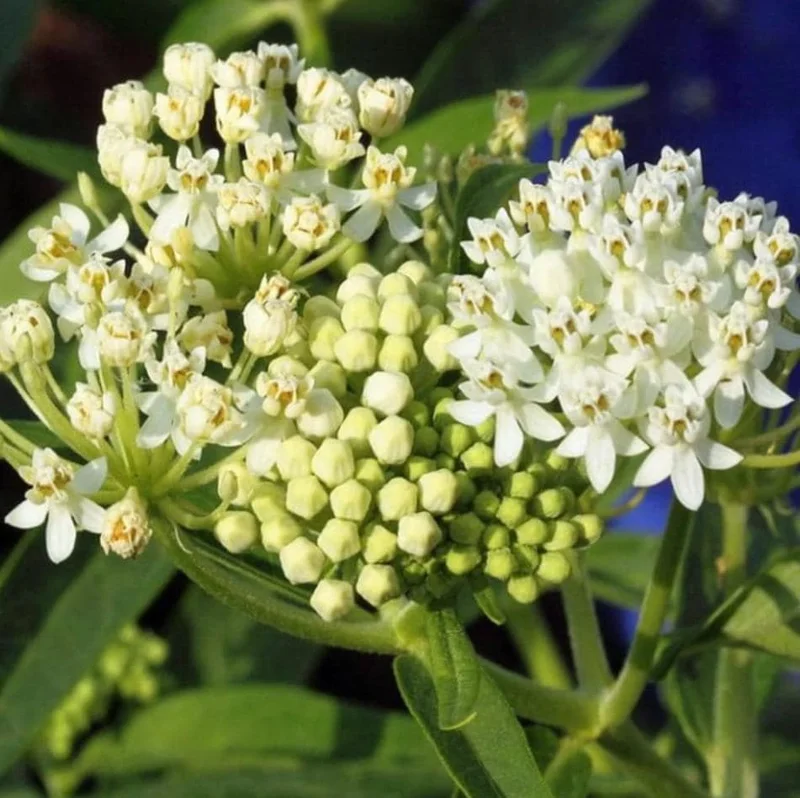
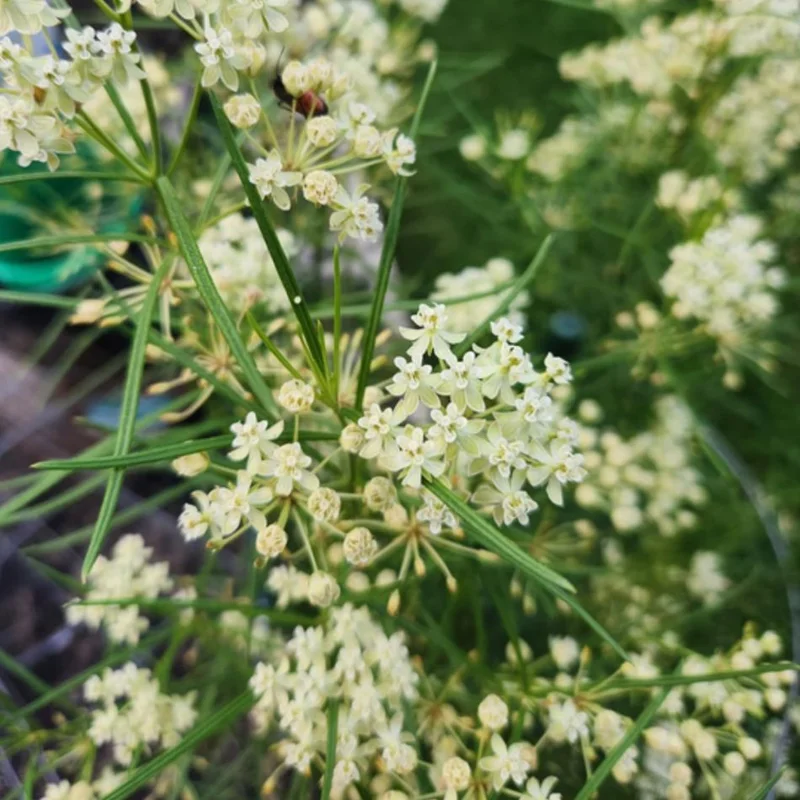
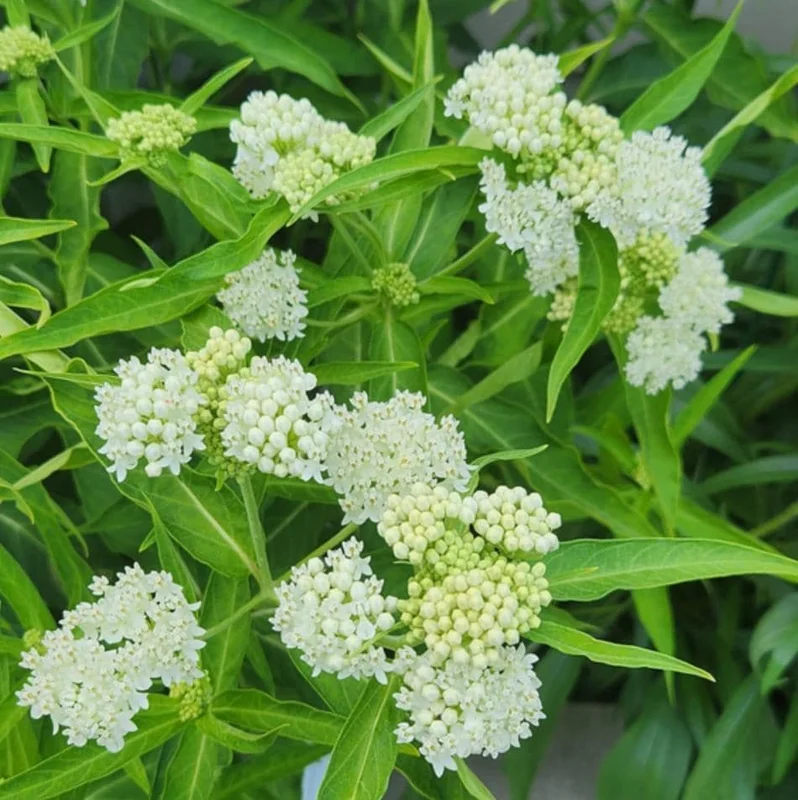
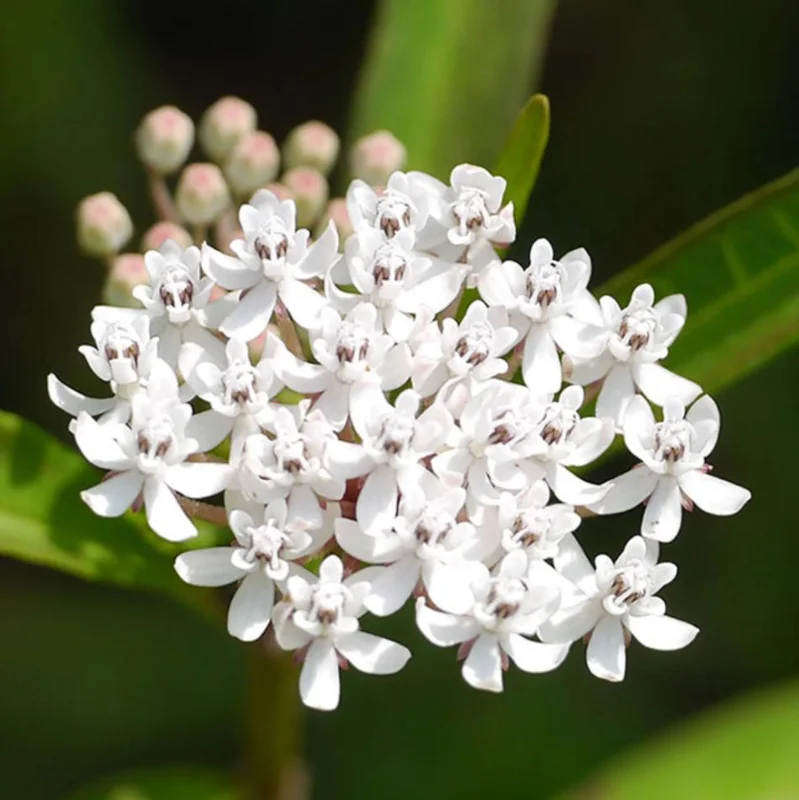
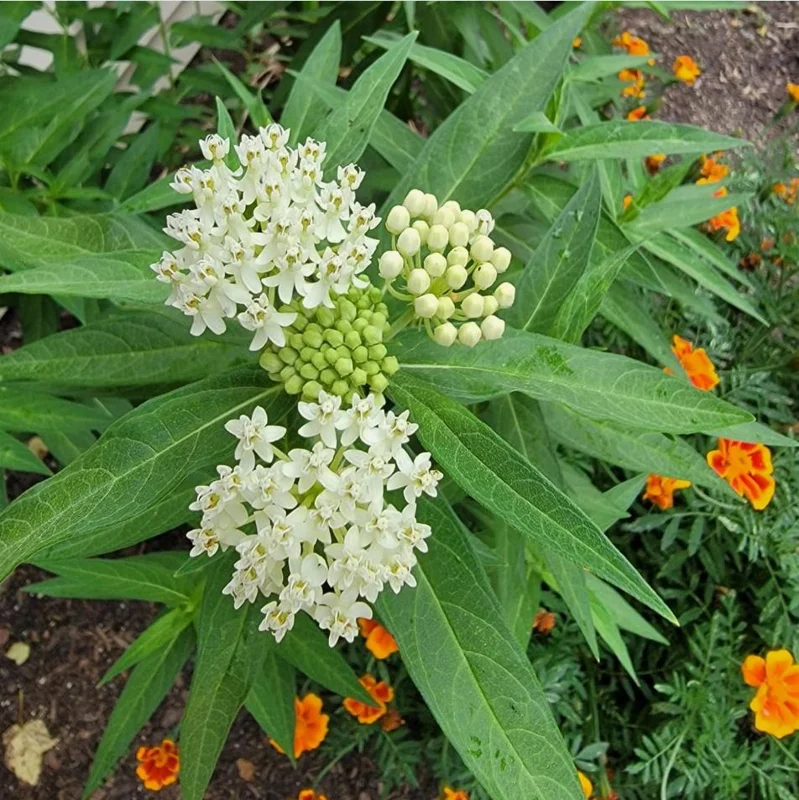
Introduce the beauty and ecological benefits of the white milkweed live plant to your garden. This offering includes a pack of two healthy, live starter plants, each measuring 4-9 inches tall. Scientifically known as Asclepias Tuberosa, this specific variety is often referred to as butterfly milkweed plant due to its crucial role in supporting monarch butterflies and other pollinators. Unlike some other milkweed varieties, the white milkweed typically features striking white to cream-colored blooms that add a unique touch to any landscape. These young plants are well-rooted and ready for planting, providing a robust foundation for future growth and vibrant displays.
The white milkweed live plant is a resilient perennial, native to various regions, making it an excellent choice for a wide range of climates. As a vital host plant for monarch butterfly caterpillars, planting milkweed for butterflies directly contributes to the conservation of these iconic insects. Beyond its ecological importance, white milkweed is also admired for its aesthetic appeal and relatively low maintenance requirements, making it a favorite among gardeners seeking both beauty and environmental impact.
Key Benefits
Adding white milkweed live plant to your garden offers a multitude of advantages, enhancing both its visual appeal and ecological value. This plant is a true cornerstone for a thriving garden ecosystem.
- Pollinator Magnet: The primary benefit of the white milkweed live plant is its incredible ability to attract a wide array of pollinators, especially monarch butterflies. Its flowers provide essential nectar for adult butterflies, while its leaves are the sole food source for monarch caterpillars, making it indispensable for their life cycle.
- Beautiful Blooms: Enjoy delicate white to cream-colored flowers that add a touch of elegance and brightness to your garden beds. These blooms are not only vital for wildlife but also visually appealing for human observers.
- Drought-Tolerant Once Established: After its initial establishment period, the drought tolerant milkweed requires minimal watering, making it an ideal choice for water-wise gardening and areas prone to dry spells. This resilience reduces the need for constant care.
- Low Maintenance: Once planted and established, these plants are relatively easy to care for, requiring little intervention beyond basic watering and occasional tidying. This makes the asclepias tuberosa plant a great option for busy gardeners.
- Native Plant Benefits: As a native species, white milkweed is well-adapted to local environments, contributing to local biodiversity and supporting the natural food web. Native plants often thrive with less intervention than non-native species.
- Erosion Control: Its strong root system can help stabilize soil, making it beneficial for preventing erosion in sloped areas or along banks.
- Habitat Creation: By providing both food and shelter, butterfly milkweed plant helps create a welcoming habitat for beneficial insects and other small wildlife in your garden.
Plant Care & Growing Tips
Caring for your white milkweed live plant is straightforward, especially once it has established itself in your garden. These plants thrive in conditions that mimic their natural habitat, ensuring robust growth and abundant blooms throughout the season. Proper care will ensure your asclepias tuberosa plant becomes a centerpiece for pollinators.
Sunlight requirements: White milkweed live plant prefers full sun to partial shade. For optimal growth and flowering, aim for at least 6 hours of direct sunlight per day. While it can tolerate some shade, too little sun may result in leggy growth and fewer blooms. When planting outdoors, choose a location that receives ample morning sun and some afternoon shade in extremely hot climates to prevent scorching.
Watering schedule and soil moisture preferences: During the initial establishment phase (first few weeks after planting), keep the soil consistently moist but not waterlogged. Once established, the drought tolerant milkweed lives up to its name, requiring significantly less water. It is highly drought-tolerant and can withstand dry periods. Water deeply once every 1-2 weeks during prolonged dry spells. Overwatering should be avoided as it can lead to root rot.
Soil type and drainage requirements: The white milkweed live plant is adaptable to a variety of soil types, but it thrives best in well-drained soil. It tolerates dry clay, loam, or rocky soil. Good drainage is crucial to prevent water accumulation around the roots. It can also tolerate moist to wet conditions and even temporary standing water, but consistent boggy conditions are not ideal. Amending heavy clay soils with organic matter can improve drainage if needed.
Temperature range and USDA hardiness zone: This perennial is hardy in USDA zones 3-9, making it suitable for a wide range of climates across the United States. It can withstand cold winters and hot summers. In colder zones, the plant will die back to the ground in winter and re-emerge in spring. In warmer zones, it may retain some foliage year-round.
Fertilization schedule and type: Asclepias tuberosa plant generally does not require heavy fertilization. In most garden soils, an annual application of compost or a balanced, slow-release granular fertilizer in early spring is sufficient. Avoid high-nitrogen fertilizers, which can promote leafy growth at the expense of flowers. Over-fertilization can also harm the plant and potentially impact the monarch caterpillars that feed on it.
Common problems and solutions: White milkweed is generally pest-resistant, but aphids can sometimes be an issue. A strong spray of water or insecticidal soap can manage aphid populations. Fungal diseases are rare, especially with good air circulation and proper watering. Ensure proper spacing between plants to promote airflow and reduce humidity around foliage. Keep an eye out for any signs of distress, but overall, this is a very robust and easy-to-grow species.
Size & Details
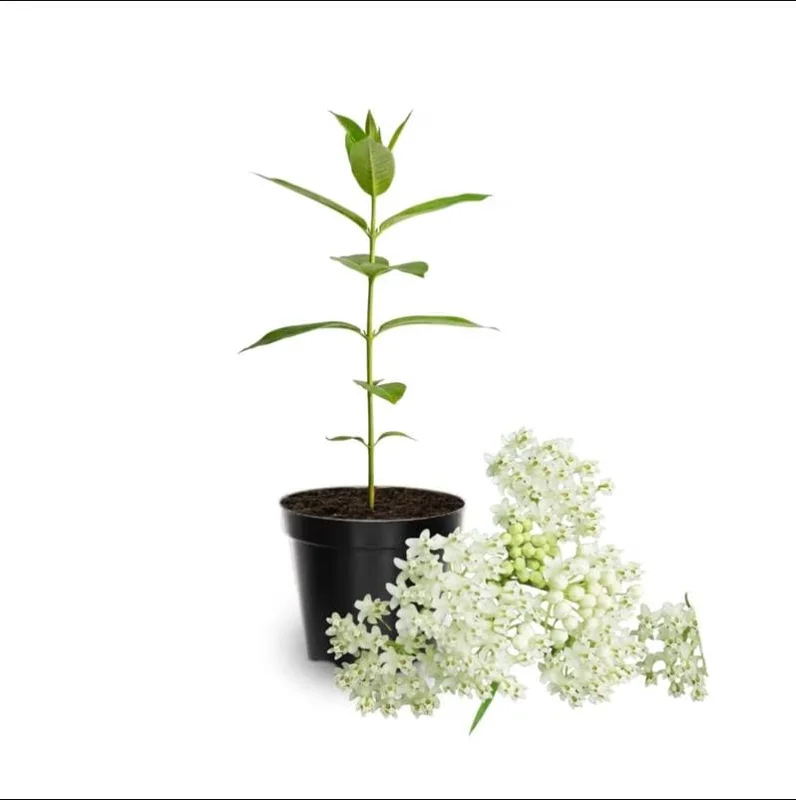
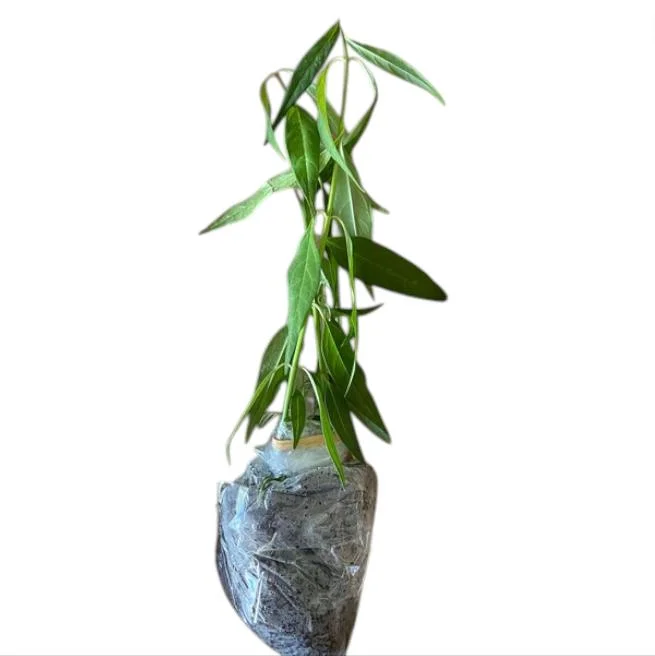
This offering provides a pack of two white milkweed live plant starter plants, each ranging from 4 to 9 inches in height. These young plants are well-rooted and prepared for immediate transplanting into your garden or larger containers. Being starter plants, they will not have flowers or fruit upon arrival, allowing them to focus their energy on establishing a strong root system in their new environment. The mature size of a butterfly milkweed plant can vary, typically reaching 1-3 feet tall and 1-2 feet wide, forming an attractive clump over time. They are known for a moderate growth rate, establishing themselves within the first year and producing blooms in subsequent seasons, typically from late spring to late summer, depending on the climate.
Each plant is carefully packaged to ensure it arrives in optimal condition, ready for its new home. They are shipped without a pot to minimize shipping stress and waste, making them ideal for direct planting. The focus is on providing a healthy, vigorous asclepias tuberosa plant that will quickly adapt and thrive in your outdoor garden, contributing to a vibrant ecosystem. Expect these plants to grow steadily, developing into mature, flowering specimens that will attract numerous pollinators for years to come.
Frequently Asked Questions
- Q: How big does this white milkweed live plant get at maturity? A: A: At maturity, the white milkweed live plant typically grows to be about 1 to 3 feet tall and 1 to 2 feet wide, forming an attractive, upright clump. Its size can be influenced by growing conditions and climate.
- Q: Is this an indoor or outdoor plant? A: This asclepias tuberosa plant is primarily an outdoor plant, thriving in garden beds, meadows, and naturalized areas. It is not generally recommended for long-term indoor cultivation as it requires specific light and temperature cycles.
- Q: How much sunlight does it need? A: For best results, the white milkweed live plant requires full sun exposure, meaning at least 6 hours of direct sunlight per day. It can tolerate partial shade, but flowering may be reduced.
- Q: What condition will the plants arrive in? A: You will receive white milkweed live plant starter plants that are 4-9 inches tall and well-rooted in soil. They are shipped without a pot to ensure safe transit and are ready for immediate planting upon arrival.
- Q: Is this plant easy to care for? Is it good for beginners? A: Yes, the drought tolerant milkweed is considered easy to care for, especially once established. Its resilience and minimal requirements make it an excellent choice for beginner gardeners looking to support pollinators.
- Q: How long until it blooms? A: As these are starter plants, they typically begin to produce flowers in their second growing season. With proper care, you can expect beautiful white blooms from late spring through late summer.
- Q: What is the best time to plant milkweed for butterflies? A: The best time to plant milkweed for butterflies is in spring after the danger of the last frost has passed, or in early fall in warmer climates. This allows the plants ample time to establish their root systems before extreme temperatures.
- Q: Will this butterfly milkweed plant survive winter in my zone? A: This variety of butterfly milkweed plant is hardy in USDA Zones 3-9, meaning it will typically survive winter in these regions. It is a perennial and will die back in colder areas, re-emerging from the roots in spring.
- Q: What type of soil does it prefer? A: It prefers well-drained soil, including dry clay, loam, or rocky soil. It can tolerate moist to wet conditions but thrives best where water does not stand for prolonged periods.
- Q: Is this asclepias tuberosa plant deer resistant? A: Yes, asclepias tuberosa plant is generally considered deer resistant. Deer tend to avoid it due to the milky sap it produces, which can be irritating.










Reviews
There are no reviews yet.