Overview
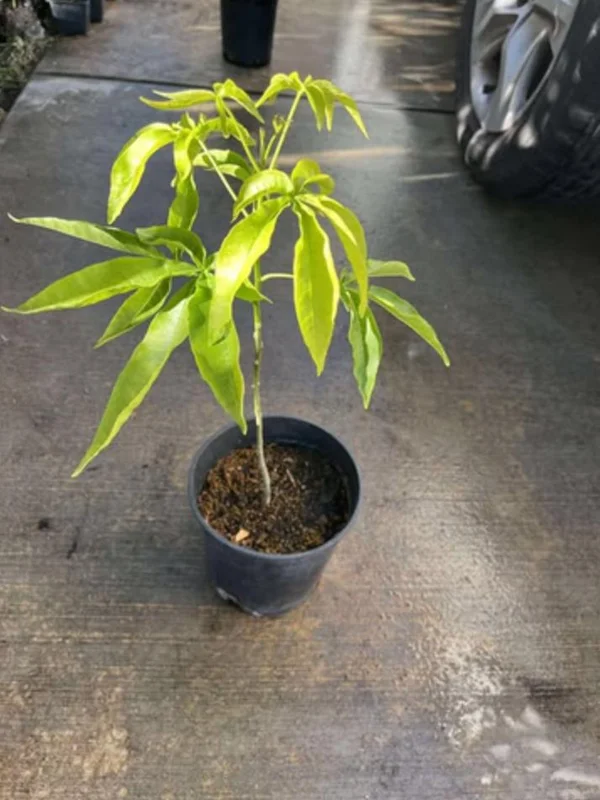
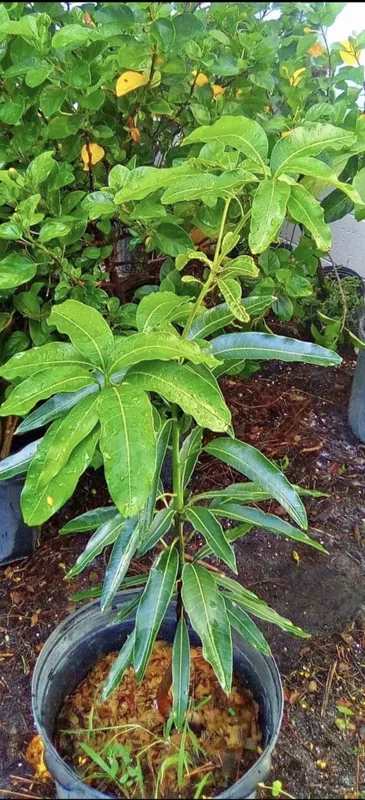
Introduce an exotic touch to your home garden or patio with this beautiful white sapote live plant. This healthy seedling, approximately 1.5 feet tall and delivered in a 1-gallon nursery pot, is ready to be nurtured into a fruit-bearing tree. The White Sapote, also known by common names such as Mexican Apple or Zapote Blanco, is a tropical to subtropical fruit tree native to Central Mexico and Central America. Prized for its uniquely flavored, creamy, custard-like fruit, it also offers attractive, glossy foliage, making it a wonderful addition to any landscape. Growing your own white sapote live plant allows you to enjoy fresh, delicious fruit right from your backyard, bringing a taste of the tropics to your table.
This young plant is an excellent choice for gardening enthusiasts looking for something beyond the ordinary. Its moderate growth rate and adaptability to various conditions make it a rewarding project. The White Sapote is not just about its fruit; its dense, rounded canopy and palmately compound glossy green leaves provide significant aesthetic appeal, enhancing the beauty of your outdoor space. Prepare to be delighted as your white sapote live plant grows and eventually yields its delectable harvest.
Key Benefits
Cultivating a white sapote live plant offers numerous advantages, from its unique fruit to its ornamental value. This tropical gem provides a rewarding gardening experience and a delicious harvest.
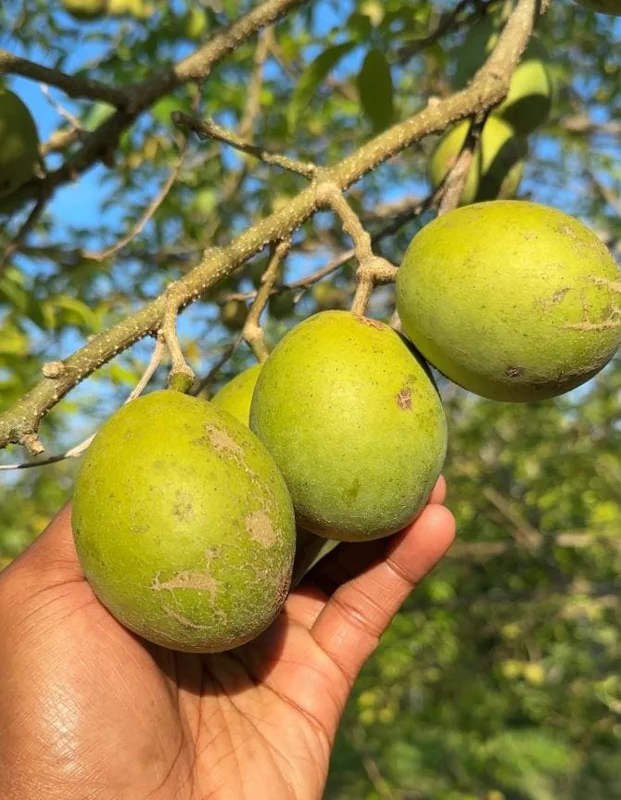
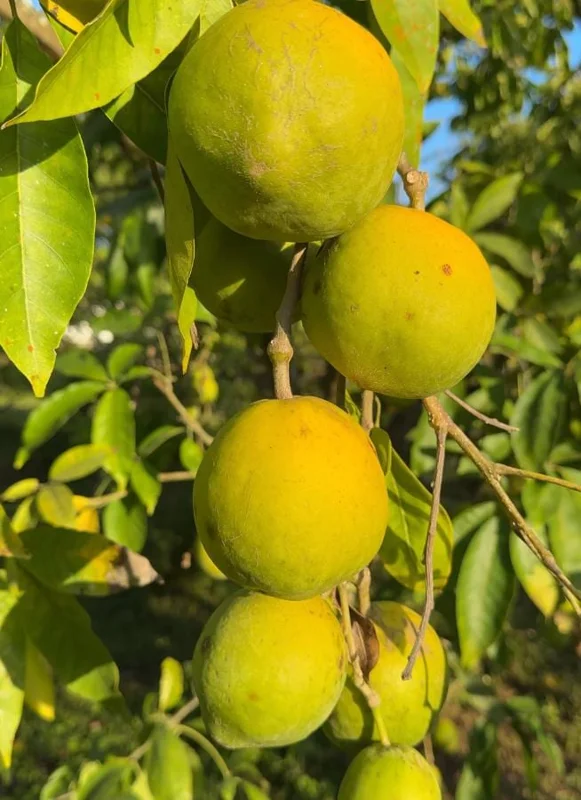
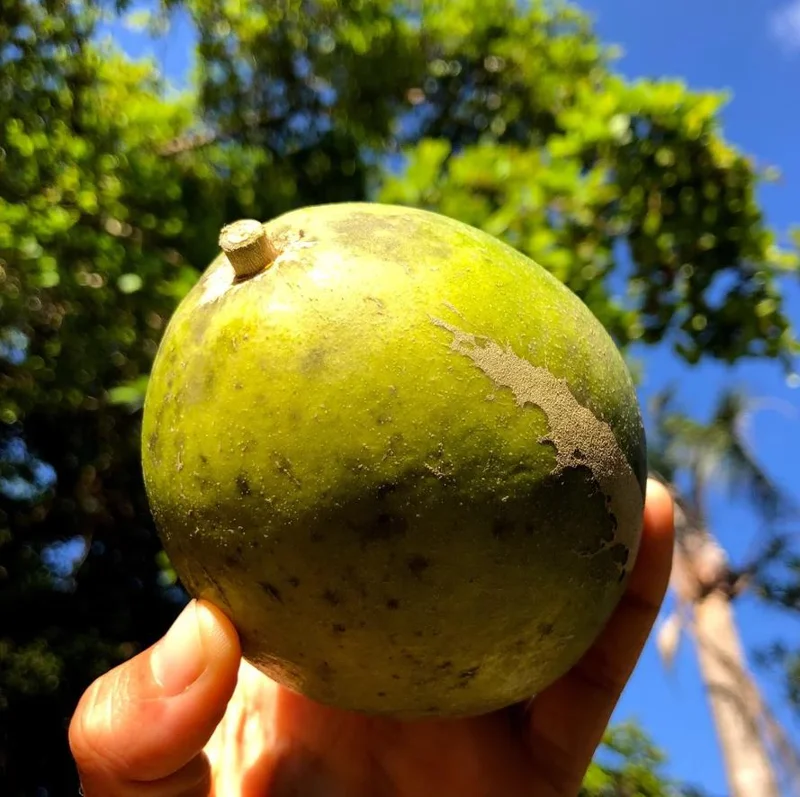
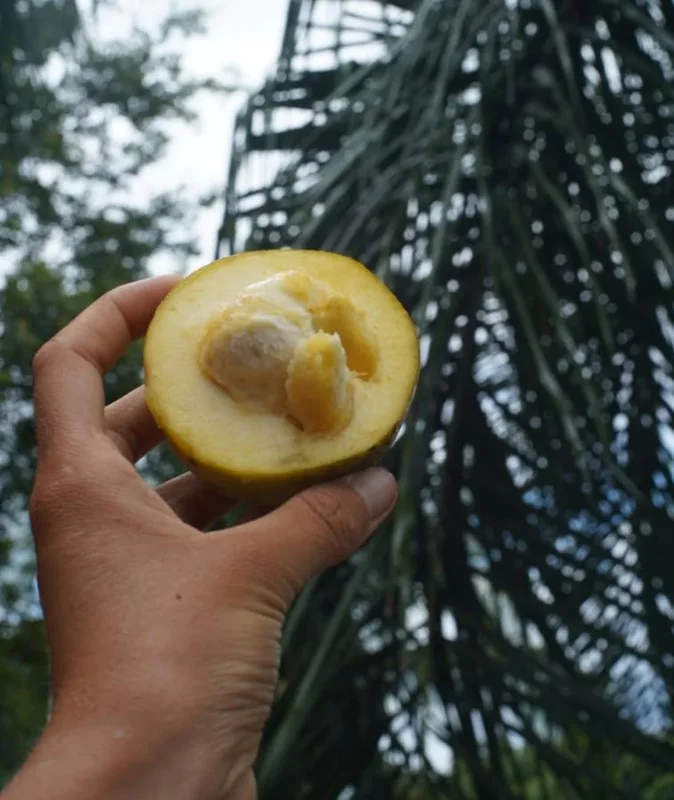
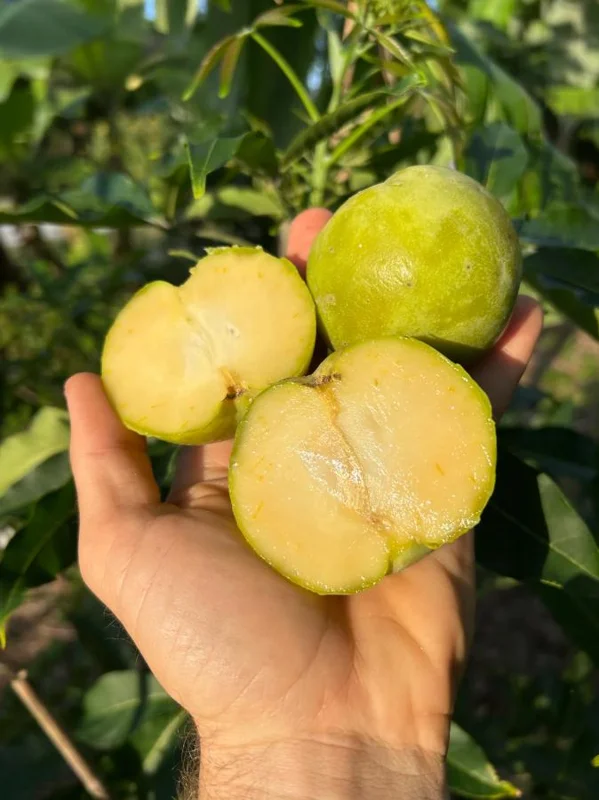
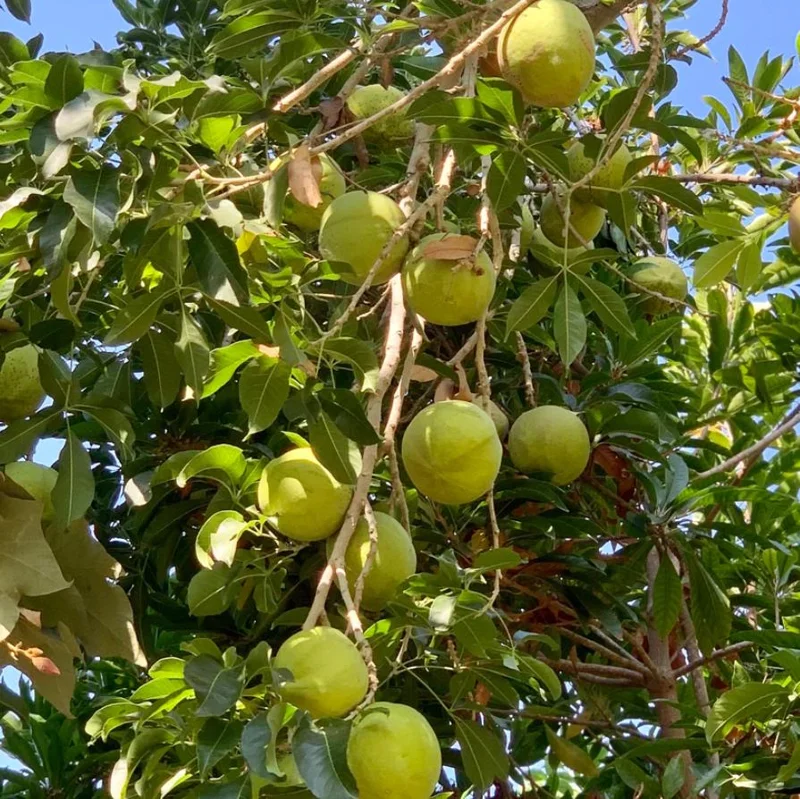
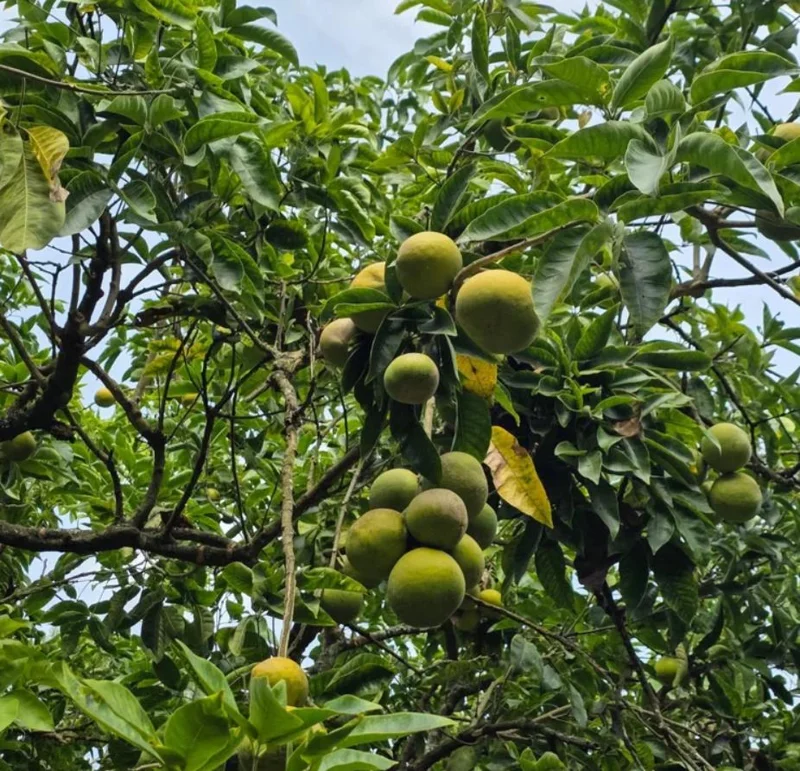
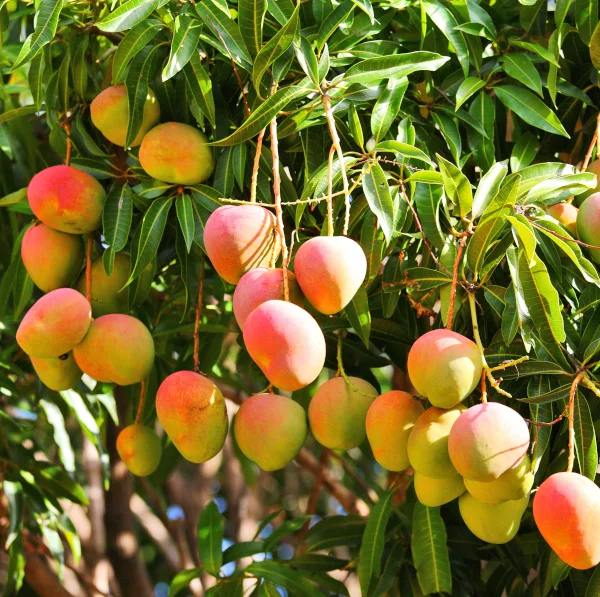
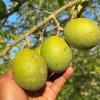
- Exotic Fruit Production: Enjoy round to oval fruits, typically 3–5 inches wide, with a creamy, custard-like flesh. The flavor is a delightful blend of banana, pear, and vanilla, offering a truly unique culinary experience. Growing your own fruit ensures freshness and quality.
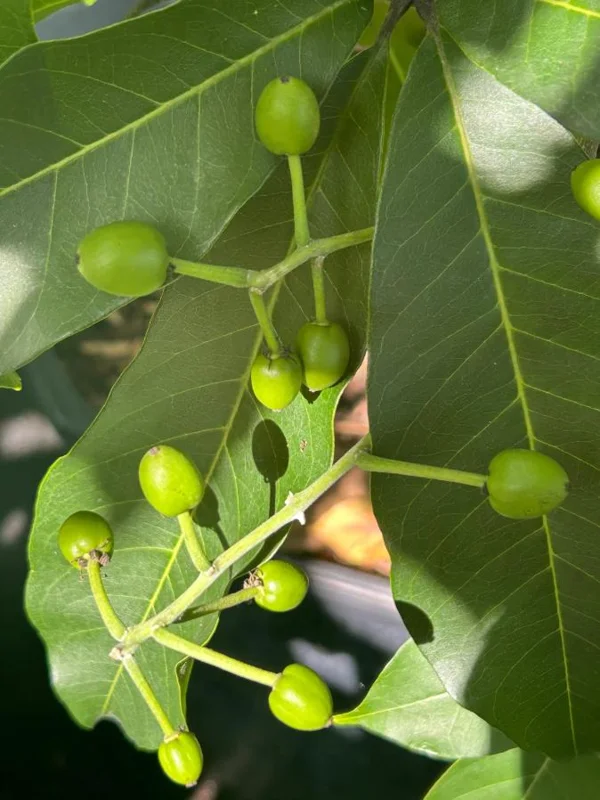
- Beautiful Ornamental Tree: The White Sapote develops a medium-sized tree with a dense, rounded canopy and attractive palmately compound glossy green leaves, adding significant aesthetic value to your garden or patio.
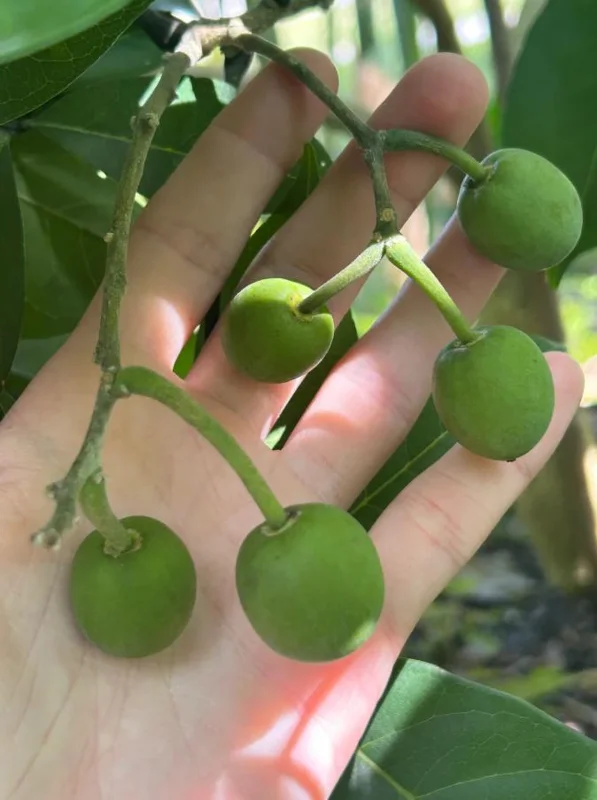
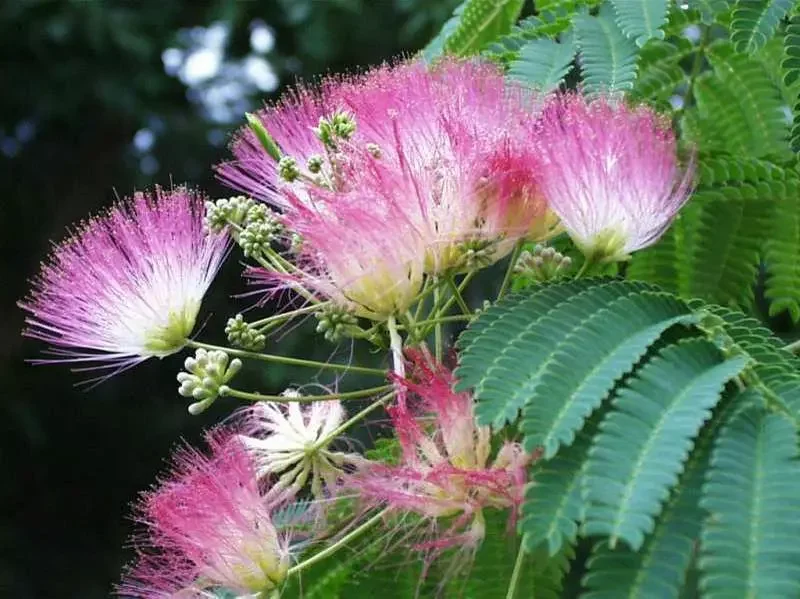
- Attracts Pollinators: Its small greenish-white flowers not only add to its charm but also attract beneficial pollinators to your garden, supporting local ecosystems.
- Fast-Growing & Adaptable: Known for its relatively fast growth rate, this tree quickly establishes itself, allowing you to enjoy its benefits sooner. It is suitable for USDA zones 9–11 and shows some frost tolerance once mature.
- Drought Tolerant Once Established: While young plants require consistent moisture, mature white sapote live plant specimens are relatively drought-tolerant, making them a resilient choice for various climates.
- Unique Flavor Profile: The distinctive taste of the White Sapote fruit sets it apart from more common tropical fruits, offering an exciting new flavor for your palate.
- Home Garden Freshness: Cultivating your own tropical fruit tree means you have access to fresh, organic fruit without trips to the grocery store, ensuring peak ripeness and flavor.
Plant Care & Growing Tips
Proper care is essential for your white sapote live plant to thrive and produce abundant fruit. This tropical fruit tree requires specific conditions to reach its full potential. For optimal fruit production, the White Sapote prefers full sun exposure, meaning at least 6-8 hours of direct sunlight per day. If you are in a very hot climate, some afternoon shade can be beneficial to prevent leaf scorch, especially for young plants. When considering where to grow white sapote, choose a location with good air circulation.
The ideal soil for a white sapote live plant is well-draining and fertile. Avoid heavy clay soils or those with high salinity, as these can hinder root development and overall plant health. Incorporating organic matter, such as compost, into the planting site will improve soil structure and nutrient content. While mature plants are somewhat drought-tolerant, young seedlings require moderate and consistent watering. Deep watering is beneficial, encouraging roots to grow deeper into the soil. Allow the top inch or two of soil to dry out slightly between waterings to prevent root rot. Protecting young plants from frost in colder climates is crucial; consider covering them or bringing potted plants indoors during winter.
Fertilize your mexican apple plant during its active growing season, typically spring through summer, with a balanced, slow-release fertilizer designed for fruit trees. Follow the product instructions for application rates. Pruning can help maintain the tree’s shape, encourage branching, and improve fruit production. Remove any dead, diseased, or crossing branches. Be patient, as it takes time for a seedling to mature and begin bearing fruit, but with consistent care, your white sapote tree care efforts will be richly rewarded.
Size & Details
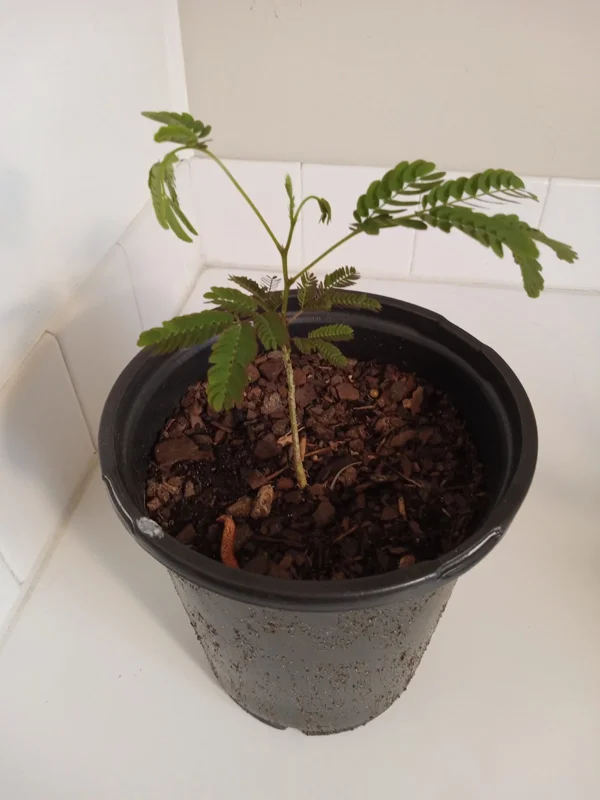
This offering is for a single white sapote live plant, delivered as a healthy seedling. The plant stands approximately 1.5 feet tall, measured from the base of the pot to the tip of the tallest stem. It comes pre-potted in a 1-gallon nursery pot, providing a suitable environment for its initial growth. The plant’s size may vary slightly depending on the season and specific growing conditions, as live plants are subject to natural variations. This is a young plant and not yet mature enough to bear fruit immediately; it will require time and proper care to develop into a productive tropical fruit tree. Expect a moderate growth rate, with the tree eventually reaching a medium size with a dense, rounded canopy.
The White Sapote is suitable for growing in USDA zones 9–11, with established plants showing some tolerance to light frost. It’s a fantastic choice for home gardeners who wish to cultivate unique fruit varieties. The plant will arrive carefully packaged to ensure its health and vitality during transit, ready for you to transplant or continue growing in its nursery pot. Enjoy the journey of nurturing this special mexican apple plant from a seedling to a fruit-bearing tree.
Frequently Asked Questions
- Q: How big does this white sapote live plant get? A: This particular plant is a 1.5ft tall seedling. When mature, a White Sapote tree can reach a medium size with a dense, rounded canopy, often growing 20-30 feet tall in ideal conditions if not pruned.
- Q: What size pot does it come in? A: The white sapote live plant is delivered in a 1-gallon nursery pot, providing a good starting size for its initial growth. You will likely want to transplant it to a larger container or directly into the ground as it grows.
- Q: Is this an indoor or outdoor plant? A: The White Sapote is primarily an outdoor tropical fruit tree, suitable for USDA zones 9-11. In colder climates, it can be grown in a large container and brought indoors during winter to protect it from frost.
- Q: How much sunlight does it need? A: For best fruit production and overall health, your white sapote live plant prefers full sun, meaning at least 6-8 hours of direct sunlight daily.
- Q: Is this plant easy to care for? A: While it has specific requirements for sunlight and soil, white sapote tree care is considered moderate. It is not overly difficult but requires consistent attention, especially when young.
- Q: What condition will it arrive in? A: Your white sapote live plant will arrive as a healthy, live seedling, carefully packaged to ensure its well-being during shipping. It will be approximately 1.5 feet tall in its 1-gallon pot.
- Q: How long until it bears fruit? A: As this is a young seedling, it will need time to mature. Fruit production typically begins several years after planting, depending on growing conditions and care. Patience is key to enjoying your own mexican apple plant fruit.
- Q: What’s the minimum temperature this tropical fruit tree can tolerate? A: The White Sapote is suitable for USDA zones 9-11 and can tolerate some light frost once established. Young plants are more sensitive and should be protected when temperatures drop below freezing.
- Q: Can I grow white sapote in a container? A: Yes, you can successfully grow white sapote in a large container, especially if you live outside its recommended USDA zones. This allows you to move the plant indoors during colder months.
- Q: What kind of soil does it prefer? A: The tropical fruit tree thrives in well-draining, fertile soils. Avoid heavy clay or overly sandy soils. Amending with organic matter is beneficial.



Reviews
There are no reviews yet.