Overview
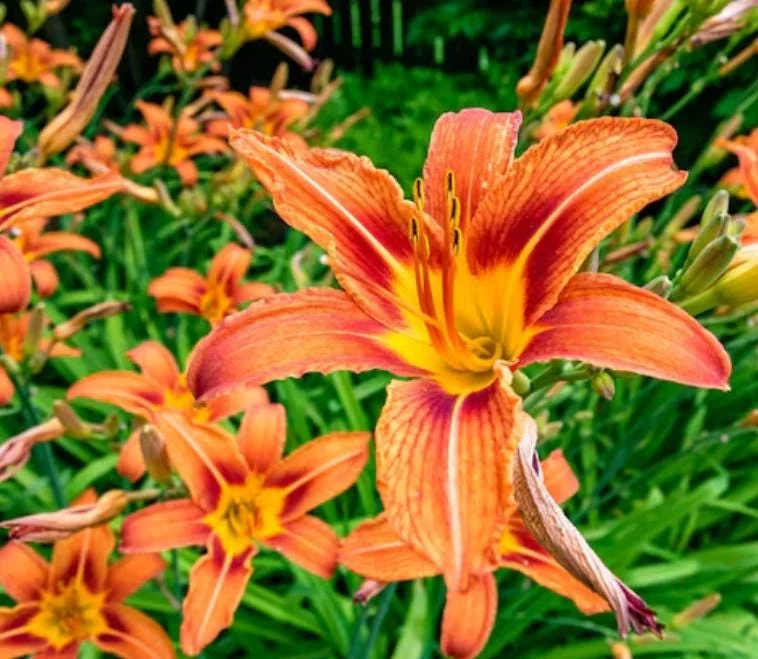
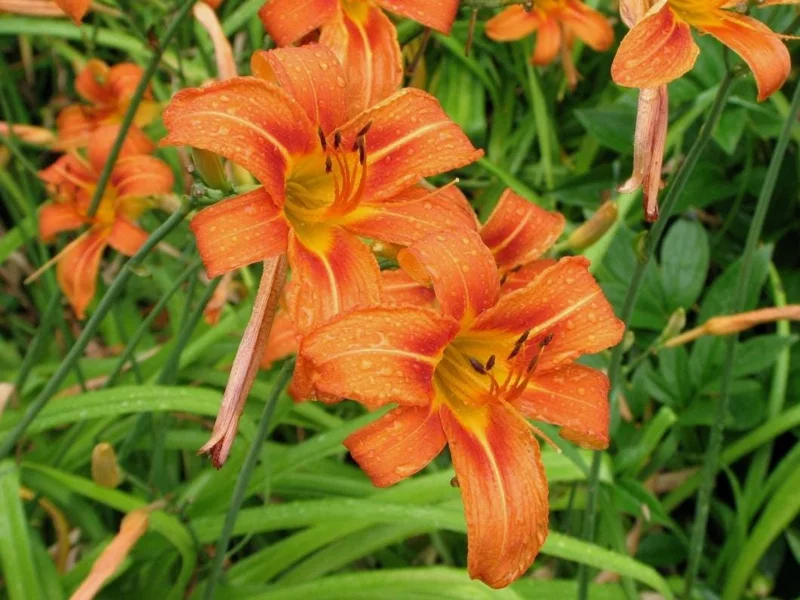
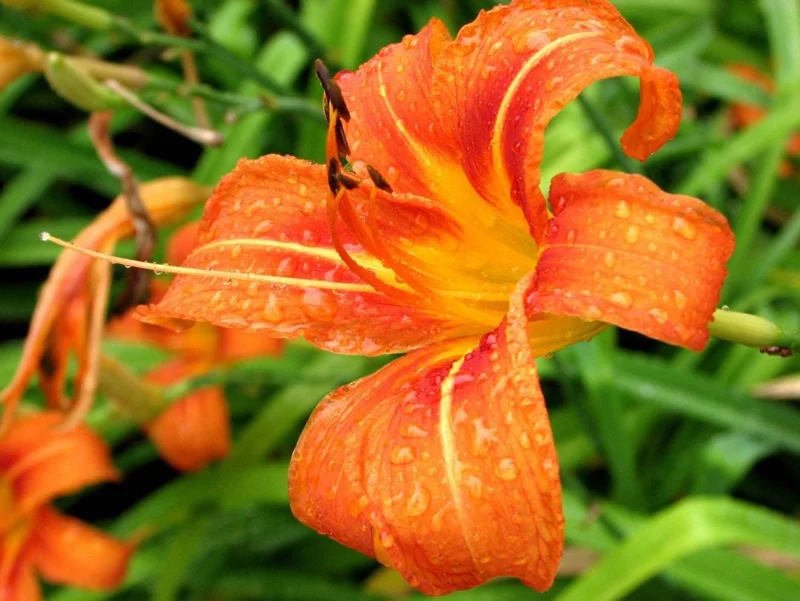
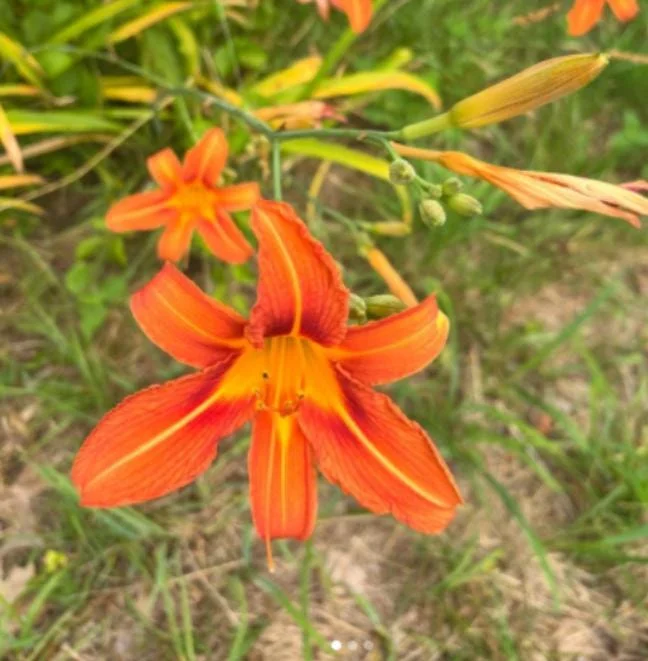
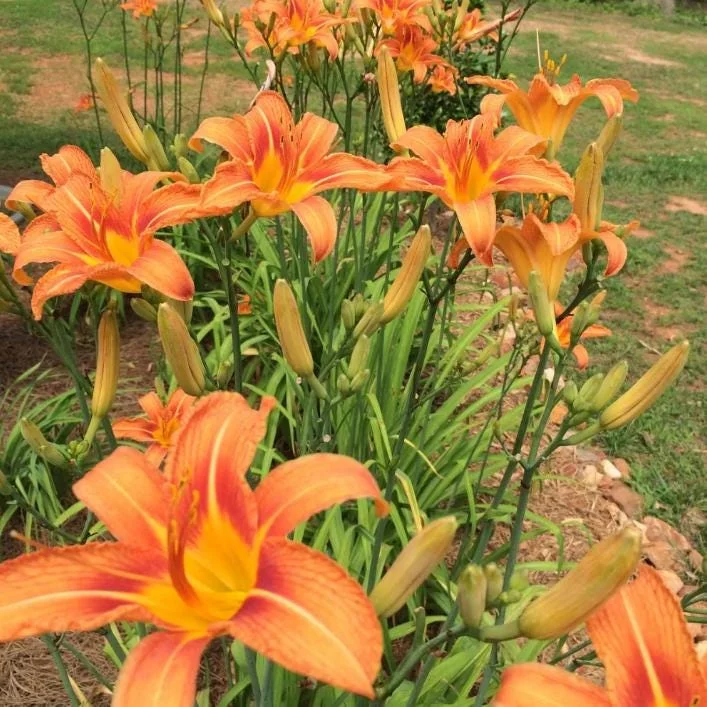
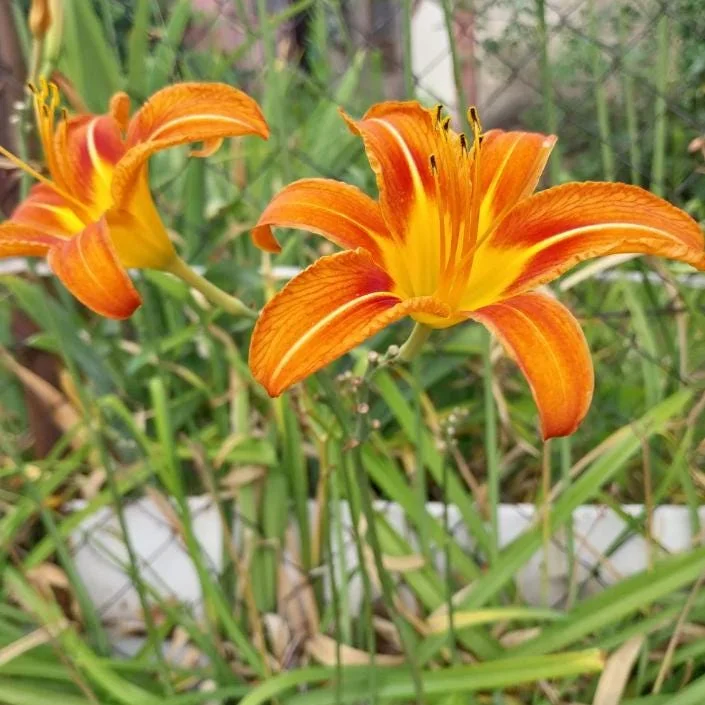
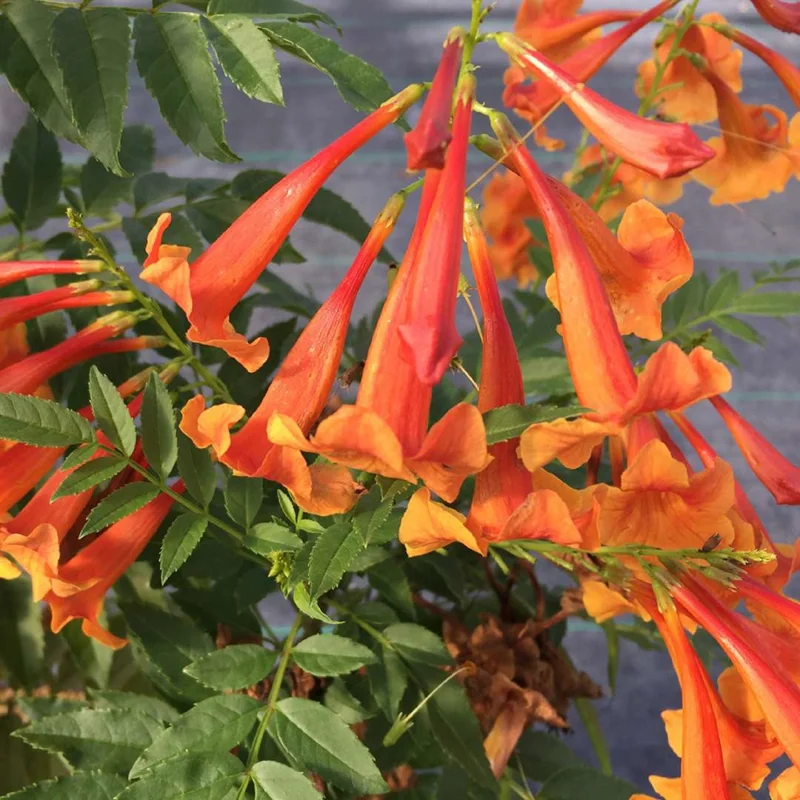
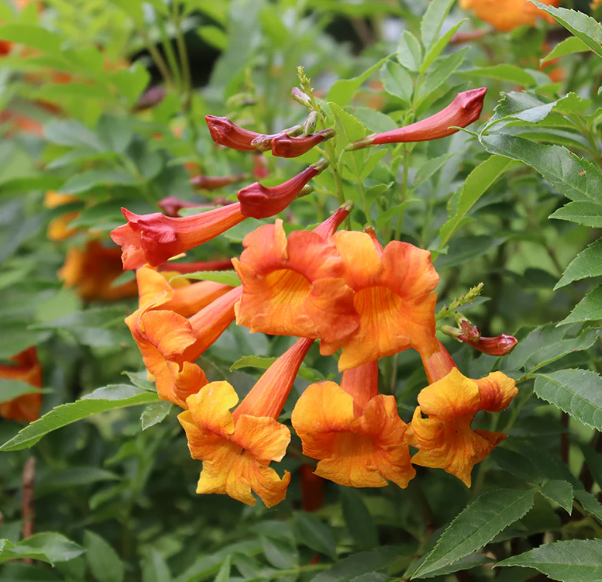
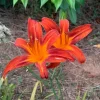
Bring vibrant color and effortless beauty to your landscape with this set of 10 Wild Daylily bare roots. The Wild Daylily, scientifically known as Hemerocallis fulva, is a classic and beloved perennial flowering plant that is celebrated for its striking orange blooms and lush, sword-like foliage. Each bare root is a starter size, ready to establish quickly and produce a continuous display of trumpet-shaped flowers throughout the warmer months. While each individual flower opens for a single day, the plant reblooms consistently, ensuring a long-lasting visual impact in your garden. This hardy and adaptable plant, also commonly referred to as the orange daylily plant or Tawny Daylily, is an excellent choice for gardeners seeking both beauty and durability. Once established, these hemerocallis fulva perennial plants require minimal care, making them ideal for gardeners of all experience levels.
The Wild Daylily is native to Asia but has naturalized beautifully across many parts of the U.S., proving its resilience and ability to thrive in diverse environments. Its robust nature and stunning floral display make it a perfect addition to perennial borders, naturalized areas, and cottage gardens. These low maintenance daylily plants are drought-tolerant once established and will return reliably each year, offering a dependable source of cheerful color.
Key Benefits
Choosing to plant Wild Daylilies offers a multitude of advantages for your garden and local ecosystem. These resilient plants provide ongoing beauty and ecological benefits, making them a wise investment for any landscape. The wild daylily bare roots are an economical and effective way to quickly establish a vibrant display.
- Easy to Grow & Low Maintenance: These daylilies are incredibly forgiving and require minimal attention once established. They adapt to various soil types and conditions, making them perfect for busy gardeners or beginners looking for a rewarding plant. This truly is a low maintenance daylily that delivers big results.
- Long-Lasting Blooms: Despite individual flowers lasting only a day, the plant continuously produces new blooms from late spring through summer, ensuring a prolonged period of vibrant orange color in your garden.
- Versatile Landscaping Use: Ideal for perennial borders, mass plantings, naturalized landscapes, slopes, and erosion control. Their robust growth habit allows them to fill spaces beautifully.
- Attracts Pollinators: The bright orange flowers are a magnet for butterflies and hummingbirds, bringing lively activity and supporting local biodiversity in your garden.
- Hardy Perennial: As a hardy perennial flower, the Wild Daylily returns year after year, growing stronger and more abundant with each season, providing enduring beauty without the need for annual replanting.
- Drought Tolerant: Once established, these plants are remarkably drought-tolerant, reducing the need for frequent watering and making them suitable for water-wise gardening.
- Naturalizes Beautifully: The Wild Daylily spreads gracefully over time, creating lush clumps and naturalized drifts of color, perfect for a cottage garden aesthetic or filling large areas.
Plant Care & Growing Tips
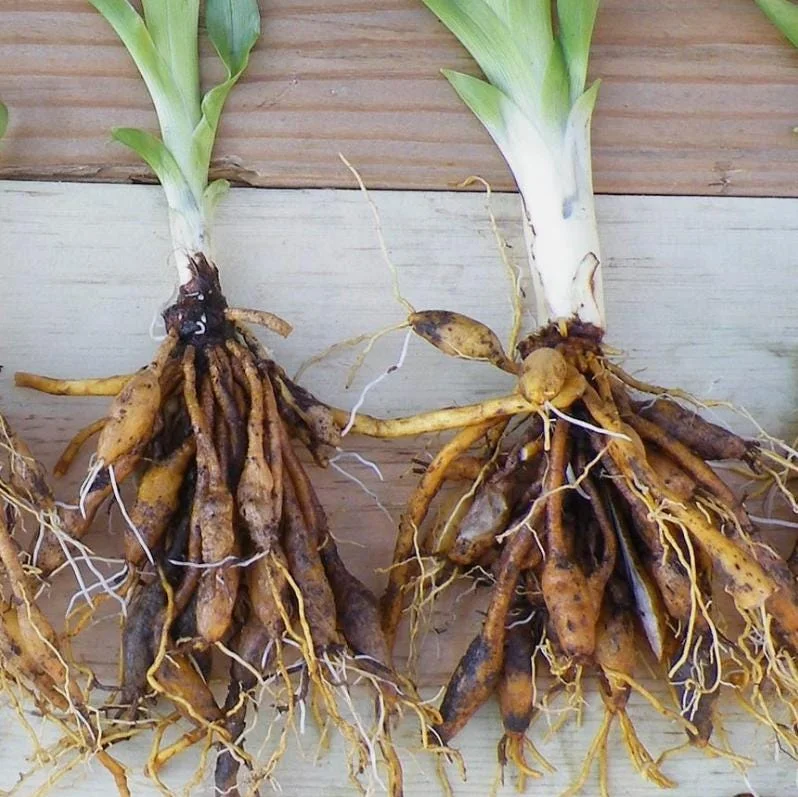
Caring for your wild daylily bare roots is straightforward, ensuring a successful and vibrant display in your garden. Upon arrival, it’s crucial to plant your bare roots promptly. Minor dryness is normal and does not affect viability. Dig a hole wide enough to spread the roots and deep enough so the crown (where the roots meet the foliage) is just at soil level, with the roots fanning out below. Backfill with soil, gently firming around the roots, and water thoroughly.
Wild Daylilies thrive in a variety of conditions, but for the best blooming performance, choose a site that receives full sun (at least 6 hours of direct sunlight per day). They can tolerate partial shade, especially in hotter climates, but flowering may be less prolific. They prefer well-drained, loamy soil but are highly adaptable to different soil types, including clay and sandy soils, as long as they are not waterlogged. These plants are hardy in USDA Zones 3–9, making them cold-tolerant and suitable for a wide range of climates.
Watering should be moderate; keep the soil evenly moist until the plants are established. Once mature, daylilies are quite drought-tolerant, though occasional deep watering during prolonged dry spells will encourage better blooming. Fertilization is generally not necessary in rich garden soil, but if your soil is poor, a balanced slow-release fertilizer in early spring can promote vigorous growth. Space your orange daylily plant roots about 18–24 inches apart to allow for mature growth. Deadheading spent flowers can improve the plant’s appearance and encourage more blooms, though it’s not strictly necessary for the plant’s health. Division every few years can help rejuvenate older clumps and control spread, providing you with more hemerocallis fulva perennial plants to share or expand your garden.
Size & Details
This offering includes a set of 10 Wild Daylily bare roots. These are starter-sized roots, carefully packaged to ensure safe arrival and optimal planting success. While they are not mature blooming plants, they are healthy and ready to establish quickly in your garden. Once planted, these roots will develop into robust plants, typically reaching a mature height of 2-3 feet with a similar spread. The foliage forms attractive clumps, and the flower stalks rise above, showcasing the vibrant orange blossoms.
The Wild Daylily is known for its vigorous growth and ability to naturalize, forming larger clumps over time. Expect blooms from late spring through summer, with the peak flowering period often occurring in mid-summer. These plants are long-lived, returning year after year to provide consistent color and texture to your landscape. The bare root format allows for easy planting and quick establishment, providing a cost-effective way to create a stunning display of this hardy perennial flower.
Frequently Asked Questions
- Q: How big will the Wild Daylily plants get? A: Once established, these hemerocallis fulva perennial plants typically grow to about 2-3 feet tall and spread 2-3 feet wide, forming substantial clumps of foliage and flowers.
- Q: Is this an indoor or outdoor plant? A: The Wild Daylily is a hardy outdoor perennial plant, best suited for garden beds, borders, and naturalized areas. It is not recommended for indoor cultivation.
- Q: How much sunlight do these daylilies need? A: For the best flowering, Wild Daylilies prefer full sun (at least 6 hours of direct sunlight daily). They can tolerate partial shade, but blooming may be reduced.
- Q: Are these plants easy to care for? A: Yes, Wild Daylilies are renowned for being extremely easy to grow and are considered a low maintenance daylily. They are very adaptable and drought-tolerant once established, making them suitable for beginners.
- Q: What condition will the bare roots arrive in? A: Your wild daylily bare roots will arrive carefully packed. Minor dryness is normal and does not affect the viability of the roots. Plant them promptly upon arrival for the best results.
- Q: When is the best time to plant Wild Daylily bare roots? A: The ideal time to plant bare roots is in early spring or early fall when temperatures are moderate. This allows the roots to establish before extreme heat or cold.
- Q: Will the Wild Daylily survive winter in my zone? A: Yes, the Wild Daylily (Hemerocallis fulva) is a very hardy perennial, thriving in USDA Zones 3–9. It is cold-tolerant and will return year after year even after freezing temperatures.
- Q: Does this plant attract pollinators? A: Absolutely! The vibrant orange blooms of the orange daylily plant are very attractive to butterflies and hummingbirds, making it a great addition to a pollinator garden.
- Q: How long until these bare roots bloom? A: With proper care, you can expect your newly planted wild daylily bare roots to produce blooms within their first or second growing season, with more abundant flowering in subsequent years.
- Q: Can I use Wild Daylilies for erosion control? A: Yes, their robust root systems and clumping growth habit make them an excellent choice for stabilizing slopes and preventing erosion in naturalized landscapes.





Reviews
There are no reviews yet.