Overview
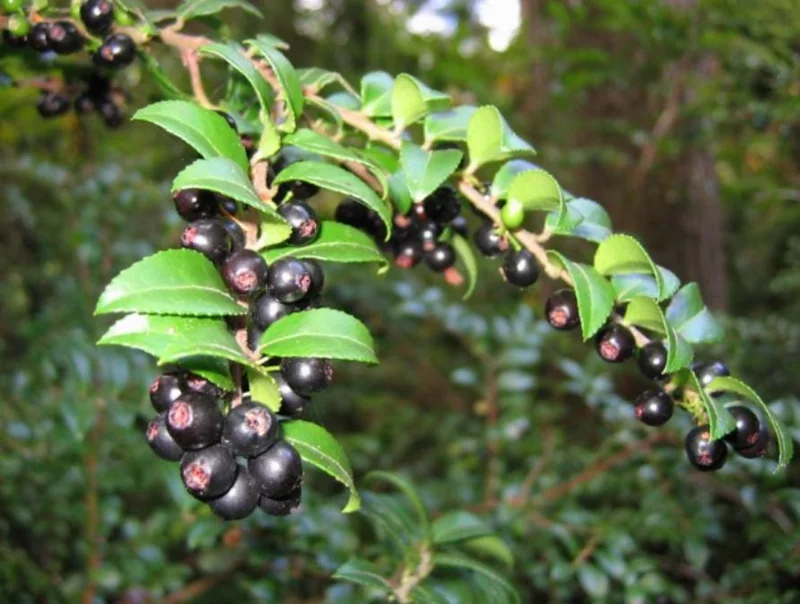
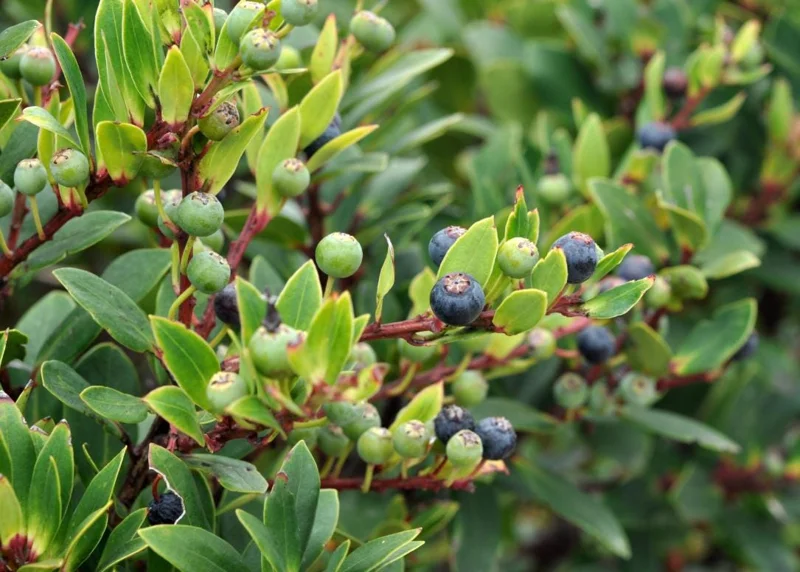
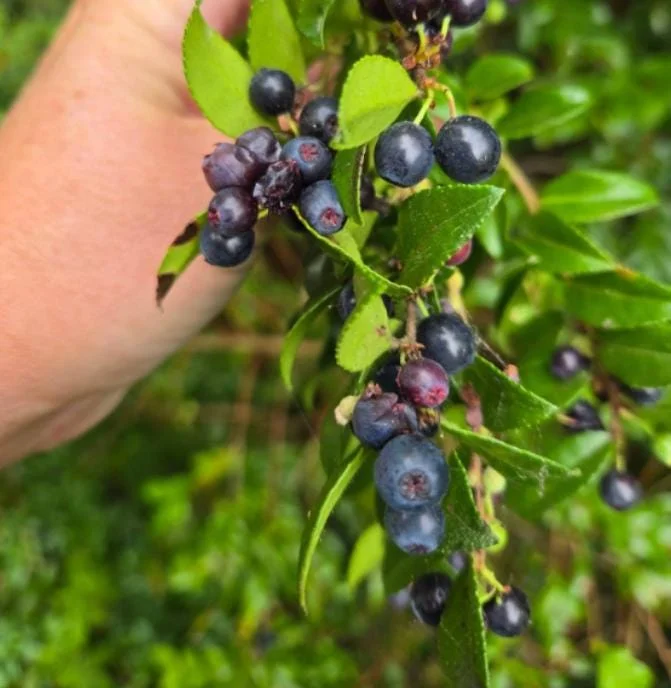
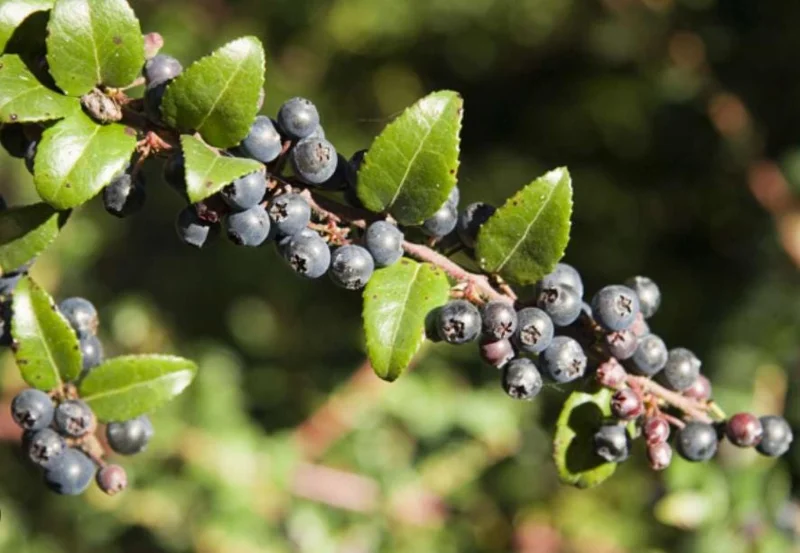
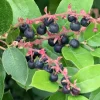
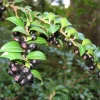
Introduce a touch of native wilderness to your garden with this wild huckleberry live plant. This starter plant, measuring 3-6 inches tall and provided in a 3-inch pot, is a wonderful addition for those seeking an edible and attractive native berry shrub. Known botanically as Vaccinium spp., the wild huckleberry live plant is cherished for its small, flavorful dark berries and appealing foliage. It’s perfectly suited for woodland landscapes and shade gardens, offering both ornamental beauty and delicious fruit. While this is a starter plant, it will gradually grow to its full potential, bringing the joy of homegrown huckleberries to your landscape.
The wild huckleberry live plant is a versatile perennial that thrives in conditions mimicking its natural woodland habitat. Its berries are a true culinary delight, often enjoyed fresh, baked into pies, or preserved as jams and jellies. Beyond its fruit, the plant itself provides an attractive green presence, making it a valuable component for native plant enthusiasts and those looking to support local ecosystems. Cultivating an edible huckleberry plant allows you to enjoy fresh, organic berries right from your backyard, connecting you with nature’s bounty.
Key Benefits
Adding a wild huckleberry live plant to your garden offers a multitude of advantages, from its aesthetic appeal to its delicious yield. This native shrub is not only a source of tasty berries but also contributes positively to the local environment and provides an engaging gardening experience.
- Delicious Edible Berries: The primary appeal of the wild huckleberry live plant is its production of small, dark, and intensely flavorful berries, perfect for a variety of culinary uses. These berries are a healthy and delicious treat, whether enjoyed fresh or incorporated into your favorite recipes.
- Native Plant Benefits: As a native species, Vaccinium spp. is well-adapted to local conditions and supports native wildlife, including pollinators and birds, contributing to a healthier ecosystem in your garden.
- Attractive Foliage: Beyond its fruit, the huckleberry plant boasts attractive green foliage that adds texture and visual interest to your landscape throughout the growing season.
- Versatile Garden Use: This shrub is ideal for woodland gardens, native plant landscapes, and even as an understory plant in shadier areas, making it a flexible choice for various garden designs.
- Low Maintenance Once Established: While requiring specific conditions to start, once established, the edible huckleberry plant is relatively low maintenance, making it suitable for gardeners of varying experience levels.
- Supports Biodiversity: Planting native species like the wild huckleberry live plant helps to foster biodiversity, providing food and habitat for local fauna.
- Unique Flavor Profile: Huckleberries offer a distinct, slightly tart yet sweet flavor that is often described as a cross between a blueberry and blackberry, providing a unique taste experience.
Plant Care & Growing Tips
Successfully growing your wild huckleberry live plant requires attention to specific environmental conditions, particularly regarding soil, sunlight, and moisture. These plants thrive when their native habitat is replicated as closely as possible. They are generally hardy in USDA zones 4–8, though specific hardiness can vary by species within the Vaccinium spp. genus. Proper care ensures a healthy, productive shrub that will yield delicious berries for years to come.
Sunlight: Huckleberries prefer full sun to partial shade. While they can tolerate more shade, more sunlight generally leads to better fruit production. In hotter climates, some afternoon shade can be beneficial to prevent leaf scorch. Soil: The most crucial factor for a thriving wild huckleberry live plant is acidic, well-drained soil rich in organic matter. An ideal pH range is 4.5–5.5. Amending your soil with peat moss, pine bark, or compost can help achieve the necessary acidity and improve drainage. Watering: Keep the soil consistently moist, especially during flowering and fruiting periods. Huckleberries do not tolerate drought well. However, ensure good drainage to prevent waterlogging, which can lead to root rot. Mulching with pine needles or pine bark is an excellent way to maintain soil acidity and moisture levels, while also suppressing weeds.
Fertilization: Use fertilizers specifically formulated for acid-loving plants, such as those used for blueberries and rhododendrons, and apply sparingly in early spring. Avoid fertilizers high in nitrates. Pruning: Prune in late winter or early spring to remove dead, damaged, or weak branches. This also helps to maintain the plant’s shape and encourage air circulation. Pest & Disease: Huckleberries are relatively resistant to most pests and diseases. Good air circulation and proper watering practices can help prevent fungal issues. Monitor for common garden pests and address them with organic solutions if necessary. Understanding how to grow vaccinium species plant successfully will ensure a bountiful harvest.
Size & Details
This offering is for a wild huckleberry live plant, provided as a starter plant that is approximately 3-6 inches tall and established in a 3-inch nursery pot. While modest in size upon arrival, these young shrubs are healthy and ready to be transplanted into your garden or a larger container. The plant will expand in height and spread over time, eventually becoming a mature, berry-producing shrub. The growth rate is moderate, and with proper care, you can expect the plant to begin producing berries within a few years of planting.
The mature size of a wild huckleberry live plant can vary significantly depending on the specific Vaccinium species and growing conditions, typically reaching 2-6 feet in height and spread. It ships as a potted plant, ensuring minimal transplant shock and providing a head start for your gardening efforts. This starter plant is an excellent way to begin your journey of growing huckleberries in your home garden, offering the promise of fresh, native fruit.
Frequently Asked Questions
- Q: How big does this plant get? A: This is a starter wild huckleberry live plant, 3-6 inches tall in a 3-inch pot. At maturity, depending on the specific species and growing conditions, it can reach 2-6 feet in height and spread.
- Q: What size pot does it come in? A: The wild huckleberry live plant is shipped in a 3-inch nursery pot, providing a secure environment for its initial growth.
- Q: Is this an indoor or outdoor plant? A: The wild huckleberry live plant is an outdoor shrub, best suited for woodland, native, or shade gardens. It requires specific outdoor conditions to thrive and produce fruit.
- Q: How much sunlight does it need? A: Huckleberries prefer full sun to partial shade. More sun generally leads to better fruit production, but some afternoon shade is beneficial in hot climates.
- Q: Is this plant easy to care for? A: Once established, the wild huckleberry live plant is relatively low maintenance, but it does require specific acidic soil conditions and consistent moisture. It’s a rewarding plant for gardeners willing to meet its needs.
- Q: What condition will it arrive in? A: Your wild huckleberry live plant will arrive as a healthy, live starter plant in its nursery pot, carefully packaged to ensure its safe journey.
- Q: Can I use huckleberries in cooking? A: Absolutely! The berries from your edible huckleberry plant are excellent for fresh eating, baking into pies, making jams, preserves, and various other culinary delights.
- Q: When is the best time to plant? A: The best time to plant your wild huckleberry live plant is typically in spring or early fall, allowing it time to establish roots before extreme weather.
- Q: Will it survive winter in my zone? A: Huckleberries are hardy in USDA zones 4–8, though specific hardiness can vary by species. Check your local hardiness zone to ensure it’s suitable for your area.
- Q: How long until it produces fruit? A: As a starter plant, it may take a few years for your wild huckleberry live plant to mature and begin producing a significant harvest of berries. Patience is key with native berry shrubs.




Reviews
There are no reviews yet.