Overview
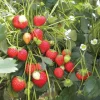
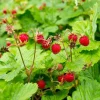
Discover the joy of growing your own delicious wild strawberry live plant, botanically known as Fragaria vesca. Also commonly referred to as Alpine Strawberry, this charming perennial fruiting plant is a true garden gem, prized for its small, intensely sweet, and aromatic red berries. Unlike many larger commercial varieties, alpine strawberry plant offers a continuous harvest of flavorful fruit, making it a favorite among gardeners and culinary enthusiasts. This live starter plant provides an excellent foundation for establishing a productive patch of these delightful berries in your own backyard or on your patio. Whether you’re looking to create an edible landscape, fill a container, or establish a natural ground cover, the fragaria vesca for sale is a versatile and rewarding choice.
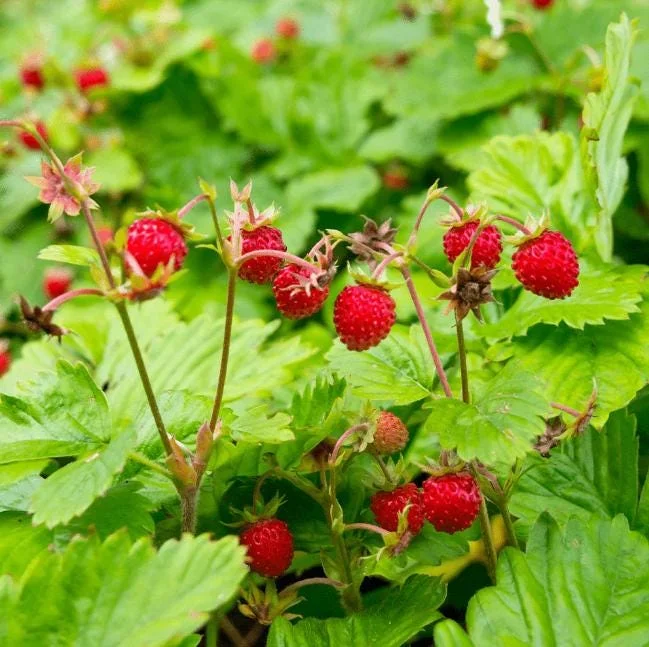
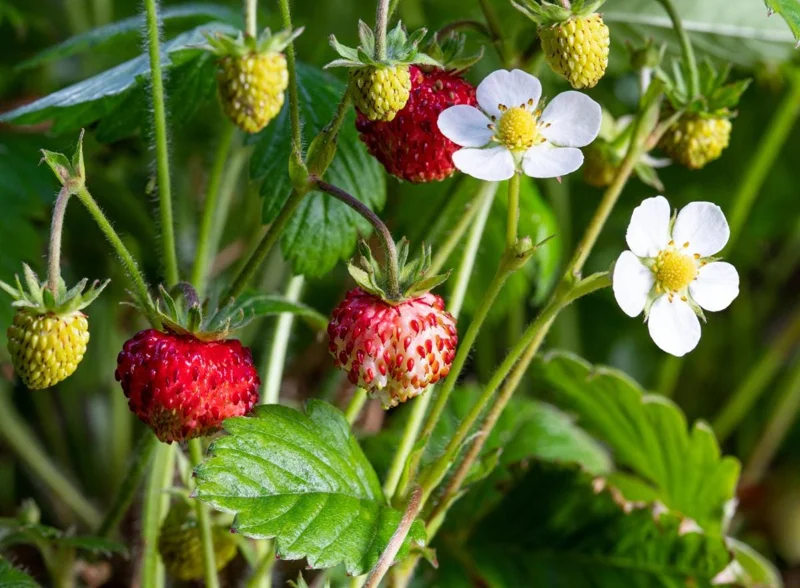
The wild strawberry live plant thrives in a variety of settings and is surprisingly resilient. Its delicate white flowers give way to an abundance of small, bright red berries that are bursting with a flavor far superior to their cultivated cousins. Imagine stepping outside and picking fresh, sun-warmed strawberries for your breakfast, desserts, or just a sweet snack. This plant’s compact size and spreading habit make it ideal for various garden designs, from formal beds to more rustic, naturalized areas. Embrace the simplicity and rich reward of cultivating these heritage berries.
Key Benefits
Cultivating a wild strawberry live plant brings a multitude of advantages to your garden and your palate. These plants are not just producers of delicious fruit; they also contribute to the beauty and biodiversity of your outdoor space, offering continuous enjoyment and a touch of natural charm. Here are some of the key benefits:
- Exceptional Flavor: The berries produced by Fragaria vesca are renowned for their intense sweetness and rich, complex aroma, often described as more concentrated and flavorful than larger store-bought strawberries.
- Continuous Fruiting: Unlike many June-bearing varieties, Alpine Strawberries are ever-bearing, providing a steady supply of fresh berries from spring until the first frost. This prolonged harvest ensures you can grow wild strawberries and enjoy them for months.
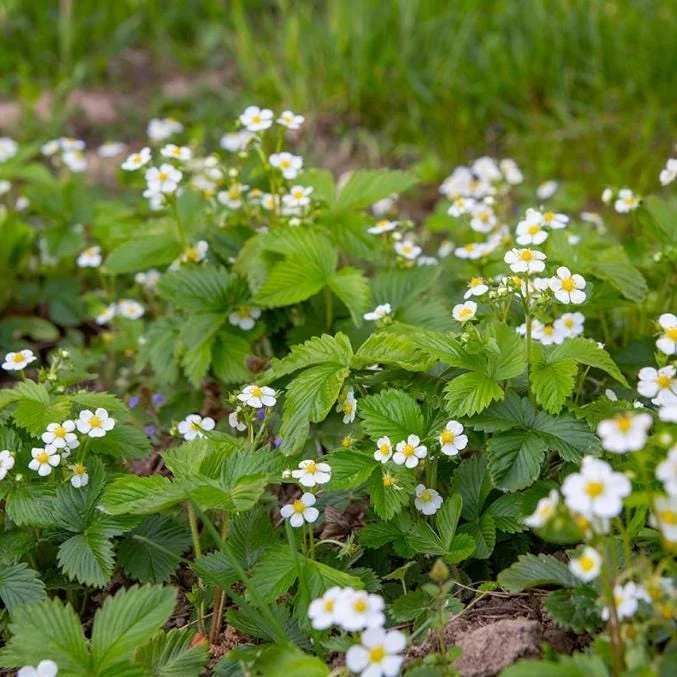
- Versatile Garden Use: These plants are excellent for ground cover, containers, hanging baskets, raised beds, and traditional garden rows. Their attractive foliage and delicate flowers add ornamental value to any space.
- Low Maintenance: Once established, wild strawberry live plant requires minimal care, making it an ideal choice for both novice and experienced gardeners. They are generally resistant to many common strawberry pests and diseases.
- Edible Landscaping: Integrate these beautiful and productive plants into your landscape design, creating an attractive and functional edible garden that delights the senses.
- Attracts Pollinators: The white flowers of the wild strawberry attract beneficial pollinators like bees, contributing to a healthier garden ecosystem.
- Natural Spreading Habit: If allowed, they will gently spread to form a lush carpet, suppressing weeds and providing a living mulch.
Plant Care & Growing Tips
To ensure your wild strawberry live plant thrives and produces an abundant harvest of sweet alpine berries, understanding its basic care requirements is essential. These plants are relatively forgiving but perform best when given the right conditions. This guide will help you successfully grow wild strawberries in your garden.
Sunlight Requirements
Wild strawberry plants prefer full sun, meaning at least 6 hours of direct sunlight per day, for maximum fruit production. While they can tolerate partial shade, fruit yield may be reduced. In hotter climates, some afternoon shade can be beneficial to prevent scorching. For optimal growth and fruiting, choose a location that receives ample morning sun.
Watering Schedule & Soil Moisture
Keep the soil consistently moist, especially during flowering and fruiting periods. Do not allow the soil to dry out completely between waterings. However, avoid waterlogging, which can lead to root rot. Good drainage is crucial. Water deeply and regularly, particularly during dry spells. Container-grown plants will require more frequent watering than those in the ground.
Soil Type & Drainage
Plant your wild strawberry live plant in well-drained, fertile soil. Enrich the soil with plenty of organic matter, such as compost, before planting. A slightly acidic to neutral pH (5.5 to 7.0) is ideal. Avoid heavy clay soils that retain too much water, as well as sandy soils that drain too quickly and don’t hold enough nutrients. Raised beds are an excellent option for ensuring good drainage.
Temperature Range & USDA Hardiness Zone
Fragaria vesca is hardy in USDA zones 4–8. It performs well in cool to moderate climates and can tolerate light frost. In colder zones (4-5), provide winter protection with a layer of mulch. In warmer zones (8+), ensure plants receive adequate water and some afternoon shade during the hottest months to prevent stress.
Fertilization & Maintenance
Fertilize lightly in early spring with a balanced organic fertilizer or compost. Avoid excessive nitrogen, which can promote leafy growth at the expense of fruit production. Mulch around the plants with straw or wood chips to help retain soil moisture, suppress weeds, and keep the berries clean. If you prefer compact growth, remove runners, or allow them to spread as a natural ground cover. Regular harvesting encourages more fruit production.
Size & Details
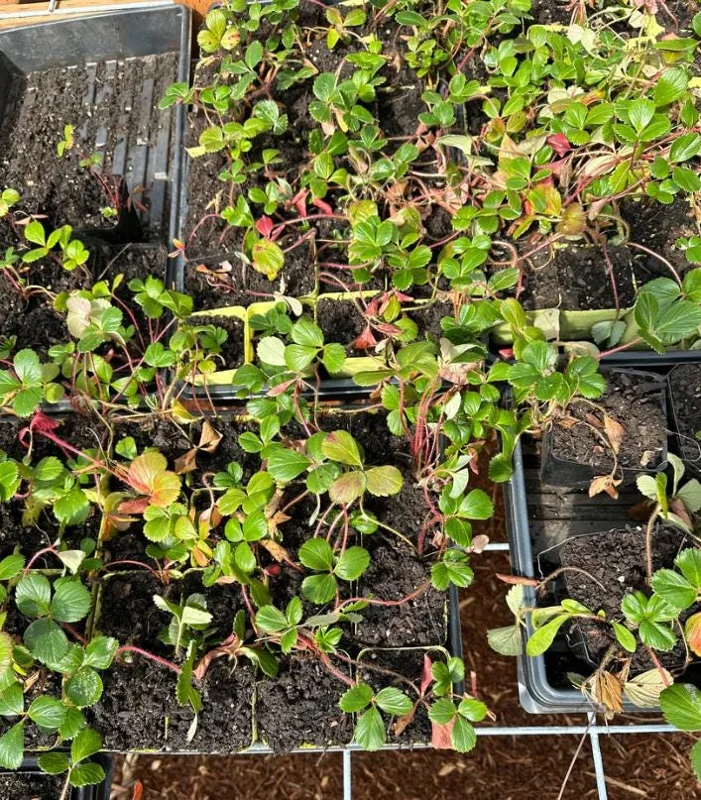
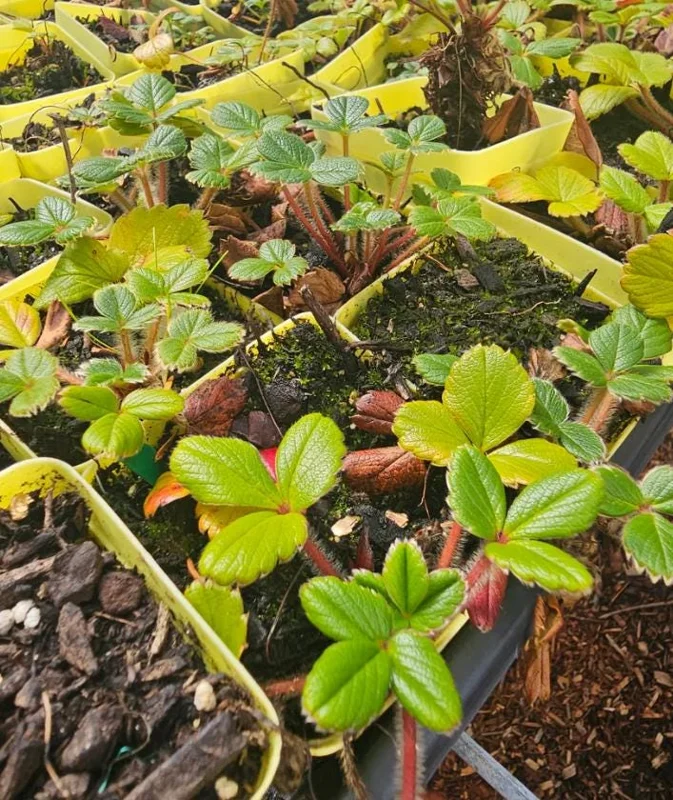
This offering is for a wild strawberry live plant, typically a starter plant measuring approximately 3-6 inches tall and shipped in a 3-inch nursery pot. These young plants are ready to be transplanted into your garden or larger containers upon arrival. The mature plant will spread to about 8-12 inches wide and reach a height of 4-8 inches, forming a low-growing clump or ground cover. The growth rate is moderate, and you can expect to see flowers and fruit within the first growing season if planted in optimal conditions. The berries are small, usually about 0.5 inches in diameter, but incredibly flavorful. This alpine strawberry plant is a perennial, meaning it will return year after year, providing a continuous source of delicious fruit for many seasons to come. It’s an ideal choice for anyone looking to grow wild strawberries that are easy to care for and highly rewarding.
Frequently Asked Questions
- Q: How big does this wild strawberry live plant get? A: This starter plant is typically 3-6 inches tall. Mature plants generally reach 4-8 inches in height and can spread 8-12 inches wide, forming a nice ground cover or compact clump.
- Q: Is this an indoor or outdoor plant? A: The wild strawberry live plant is best suited for outdoor cultivation in gardens, containers, or raised beds. While it can be briefly grown indoors, it thrives and fruits best with outdoor sunlight and conditions.
- Q: How much sunlight does it need? A: For optimal fruit production, your fragaria vesca for sale needs at least 6 hours of full sun per day. It can tolerate partial shade, but the berry yield might be lower.
- Q: What condition will the plant arrive in? A: Your wild strawberry live plant will arrive as a healthy starter plant in a 3-inch nursery pot. Some minor leaf yellowing or drop during transit is normal, and the plant will recover quickly with proper care.
- Q: Is this plant easy to care for? A: Yes, Alpine Strawberries are relatively low-maintenance plants, making them suitable for beginners. They require consistent moisture and good sunlight to produce abundant fruit.
- Q: When is the best time to plant wild strawberries? A: The best time to plant your wild strawberry live plant is in spring after the last frost, or in early fall. This allows the plant to establish itself before extreme temperatures.
- Q: Will it survive winter in my zone? A: This plant is hardy in USDA zones 4–8. In colder zones, applying a layer of mulch before winter can help protect the plant and ensure it returns in spring.
- Q: Can I grow wild strawberries in containers? A: Absolutely! Wild strawberry live plant is an excellent choice for containers, hanging baskets, and raised beds due to its compact size and spreading habit.
- Q: How long until it starts producing berries? A: With proper care and optimal conditions, your wild strawberry live plant can start producing small, sweet berries within its first growing season.
- Q: What are the berries like? A: The berries are small, intensely sweet, and have a rich, aromatic flavor. Many find them superior in taste to larger, cultivated strawberries.





Reviews
There are no reviews yet.