Overview
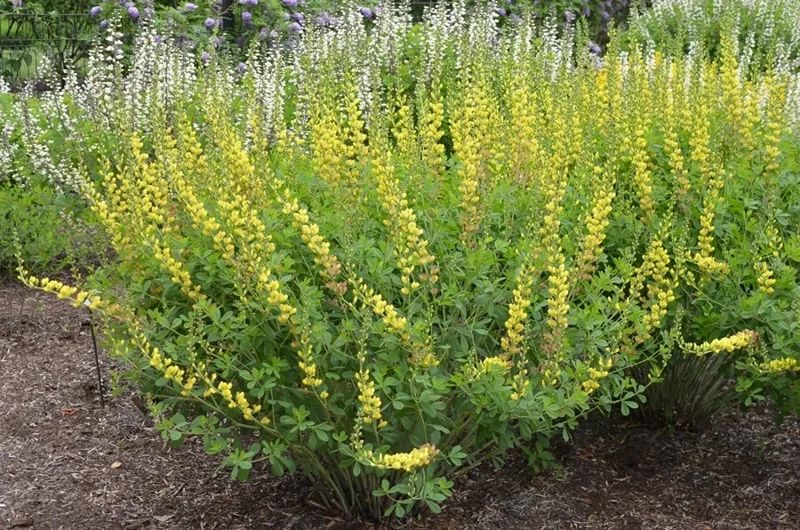
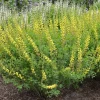
Transform your garden with the stunning beauty of a yellow baptisia plant. This captivating perennial, commonly known as False Indigo perennial, is renowned for its elegant, pea-like yellow flowers that emerge in late spring to early summer. Our live plants are provided potted and measure approximately 6-8 inches tall, ensuring a healthy start in your garden. Baptisia is a long-lived and low-maintenance plant, perfect for adding structure and vibrant color to perennial borders, native plant gardens, or meadow-style landscapes. Its sturdy stems and attractive blue-green foliage offer year-round interest, even when not in bloom.
The botanical name for this genus is Baptisia, and it’s celebrated for its nitrogen-fixing properties, which enrich the soil over time. This particular variety showcases spectacular yellow blossoms that create a dramatic display, attracting pollinators such as bees and butterflies. Enjoy the charm and effortless elegance of this remarkable yellow baptisia plant in your outdoor space.
Key Benefits
The yellow baptisia plant offers numerous advantages for both novice and experienced gardeners, making it a highly desirable addition to any landscape. Its robust nature and aesthetic appeal contribute significantly to a thriving garden ecosystem.
- Stunning Floral Display: Produces striking spikes of bright yellow, pea-like flowers that create a dramatic visual impact in late spring and early summer, adding a burst of color to your garden.
- Drought Tolerance: Once established, this drought tolerant plant requires minimal watering, making it an excellent choice for xeriscaping or gardens in drier climates, conserving water and reducing maintenance.
- Low Maintenance: Known for its resilience and adaptability, the false indigo perennial thrives with little intervention, requiring minimal pruning or special care once it has settled into its location.
- Attracts Pollinators: The vibrant yellow blooms are a magnet for beneficial insects, including various species of bees and butterflies, supporting local ecosystems and encouraging garden biodiversity.
- Deer Resistant: Its foliage is generally unpalatable to deer, providing a reliable option for gardens in areas where deer browsing is a concern.
- Long-Lived Perennial: Baptisia plants are known for their longevity, establishing deep root systems that allow them to return year after year, growing larger and more impressive with age.
- Soil Improvement: As a member of the legume family, Baptisia fixes nitrogen in the soil, naturally improving its fertility and benefiting surrounding plants without the need for excessive fertilization.
Plant Care & Growing Tips
Caring for your yellow baptisia plant is straightforward, as this hardy false indigo perennial is quite adaptable. For optimal growth and prolific blooming, choose a site that receives full sun, meaning at least 6-8 hours of direct sunlight per day. While it can tolerate partial shade, too little sun may result in fewer flowers and a more open, sprawling habit. Good air circulation is also beneficial to prevent fungal issues.
This drought tolerant plant prefers well-draining soil. It thrives in a variety of soil types, including sandy, loamy, or clay soils, as long as they are not waterlogged. Once established, Baptisia is exceptionally drought-tolerant and requires infrequent watering. During its first growing season, ensure consistent moisture to help it establish a strong root system. Fertilization is rarely necessary due to its nitrogen-fixing capabilities, which naturally enrich the soil. If your soil is particularly poor, a light application of balanced, slow-release granular fertilizer in early spring can be beneficial. The plant is hardy in USDA zones 3-9, making it suitable for a wide range of climates. Pruning is generally not required, but you can deadhead spent flower spikes if desired, or cut back the entire plant by about one-third after flowering to maintain a tidy shape and encourage dense growth. Divide plants only if absolutely necessary, as Baptisia dislikes root disturbance due to its deep taproot.
Size & Details
This offering includes one healthy yellow baptisia plant, approximately 6-8 inches tall, provided in a nursery pot. This size ensures the plant has a well-developed root system, ready for transplanting into your garden. Baptisia is a relatively slow-growing plant in its first few years but establishes a robust presence once mature. Expect mature plants to reach a height of 3 to 4 feet and a similar spread, forming an attractive, bushy mound. The plant will typically begin flowering in its second or third year, with blooms appearing in late spring to early summer. It ships as a live, potted perennial, carefully packaged to ensure its safe arrival. The substantial root system of this false indigo perennial allows it to quickly adapt to its new environment and establish itself as a long-term fixture in your landscape.
Frequently Asked Questions
- Q: How big does this yellow baptisia plant get? A: A: This plant typically grows to a mature height of 3 to 4 feet and spreads about the same width, forming a substantial and attractive bush in your garden.
- Q: Is this an indoor or outdoor plant? A: This false indigo perennial is an outdoor plant, best suited for garden beds, borders, and naturalized areas where it can receive adequate sunlight and space to grow.
- Q: How much sunlight does it need? A: Baptisia thrives in full sun, requiring at least 6-8 hours of direct sunlight daily for the best flowering performance and overall plant health.
- Q: Is this plant easy to care for? A: Yes, Baptisia is considered a low-maintenance and very easy-to-care-for plant, especially once established, making it suitable for gardeners of all experience levels.
- Q: What condition will it arrive in? A: Your plant will arrive as a healthy, potted live plant, approximately 6-8 inches tall, carefully packaged to ensure it reaches you in excellent condition.
- Q: When is the best time to plant a yellow baptisia plant? A: The best time to plant Baptisia is in spring or early fall, allowing the plant sufficient time to establish its root system before extreme weather conditions.
- Q: Will it survive winter in my zone? A: This drought tolerant plant is hardy in USDA zones 3-9, meaning it is well-equipped to survive cold winters in a wide range of climates.
- Q: What kind of soil does it prefer? A: Baptisia prefers well-draining soil and can tolerate various soil types, including sandy, loamy, or clay, as long as it doesn’t remain waterlogged.
- Q: Does this false indigo perennial attract pollinators? A: Yes, the vibrant yellow flowers are highly attractive to bees, butterflies, and other beneficial pollinators, enhancing the biodiversity of your garden.
- Q: Do I need to fertilize my Baptisia? A: Generally, Baptisia does not require much fertilization due to its nitrogen-fixing properties; however, a light, balanced fertilizer can be applied in early spring if your soil is very poor.



Reviews
There are no reviews yet.