Overview
Cultivate your own exotic produce with a vibrant yellow dragon fruit plant. This unique climbing cactus, also known as Pitaya or Pitahaya, is a fascinating addition to any garden or patio. Our live plant arrives in a 4 inch pot, establishing a strong root system, and is ready for you to nurture. Known for its striking appearance and delicious fruit, the yellow dragon fruit plant offers both ornamental beauty and a rewarding harvest. Originating from Central and South America, this tropical gem thrives in warm conditions and can be a stunning focal point with its long, fleshy green stems that eagerly climb upwards.
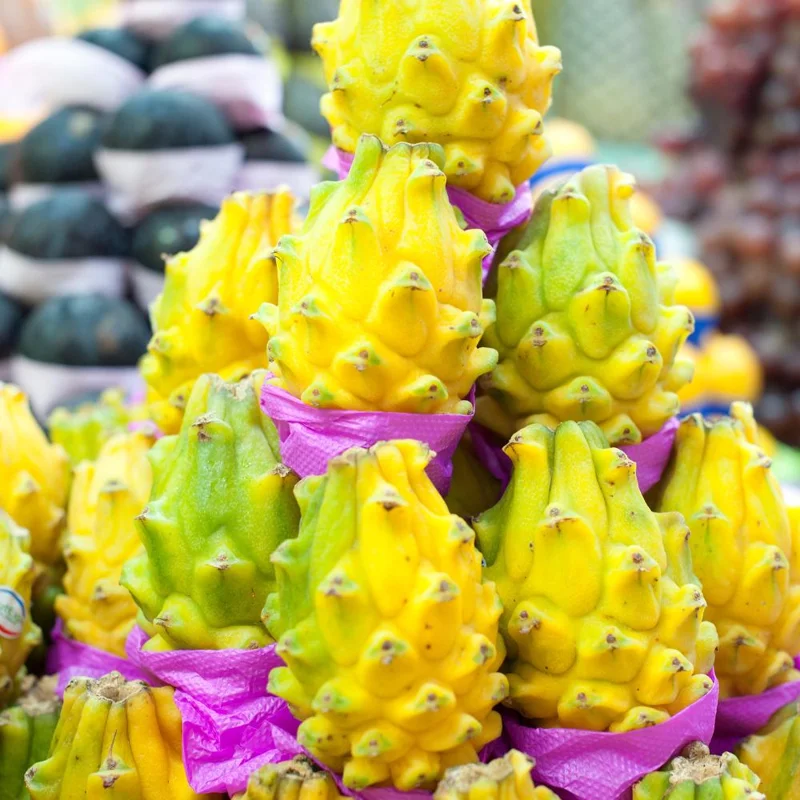
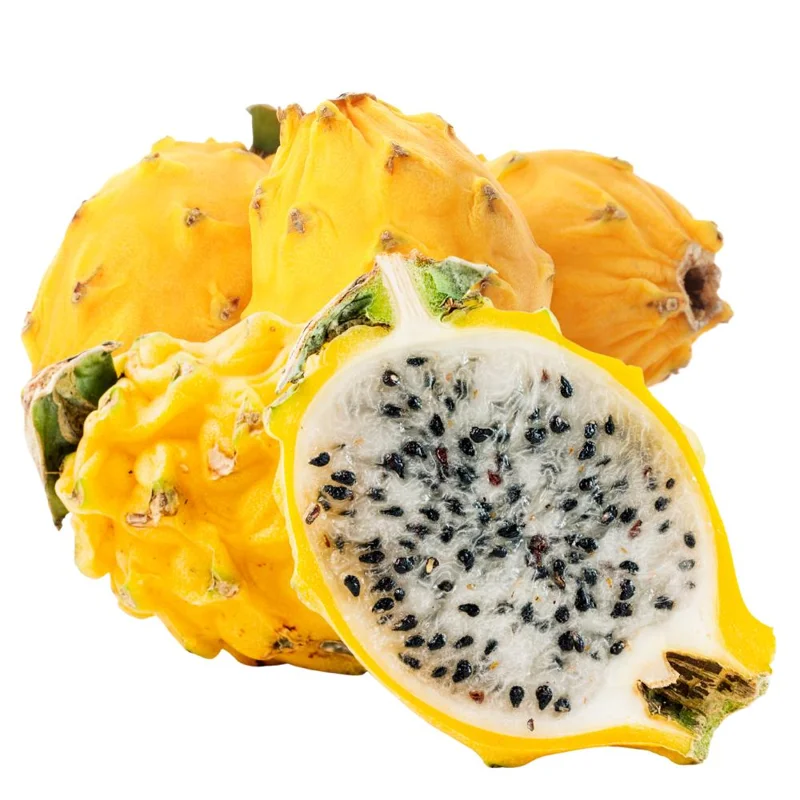
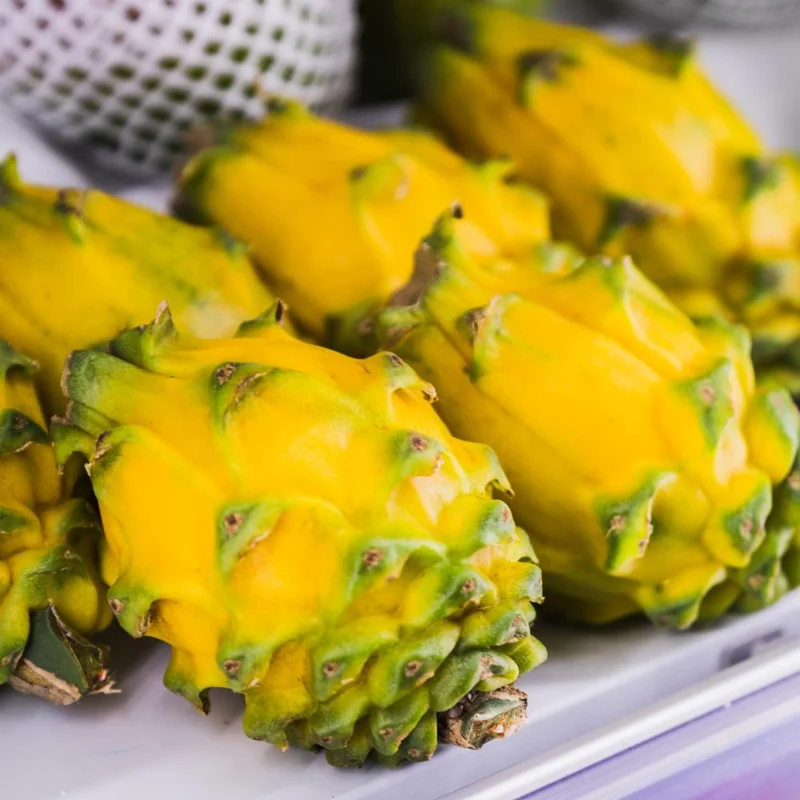
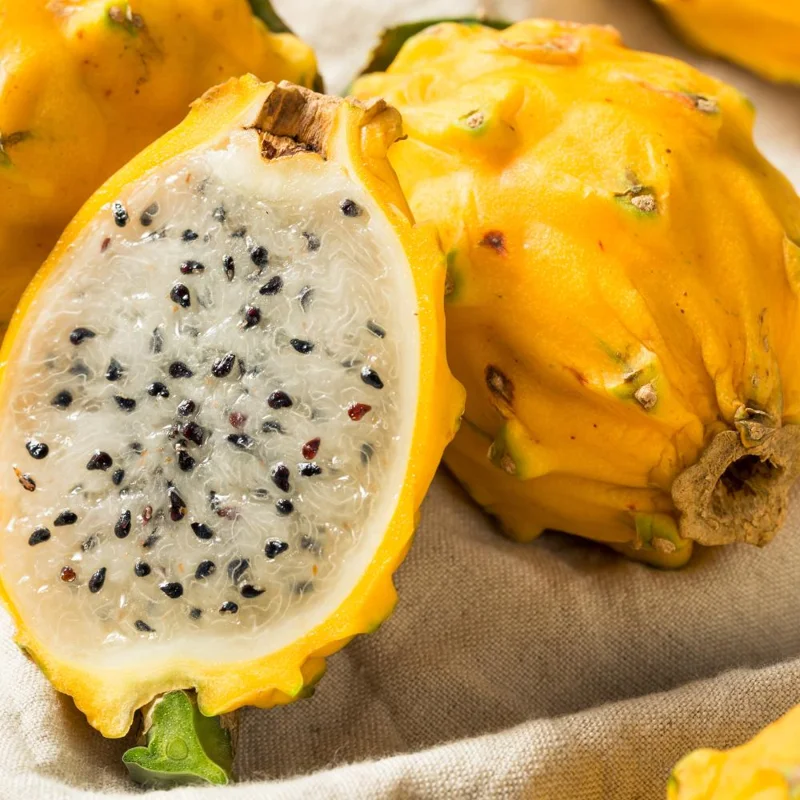
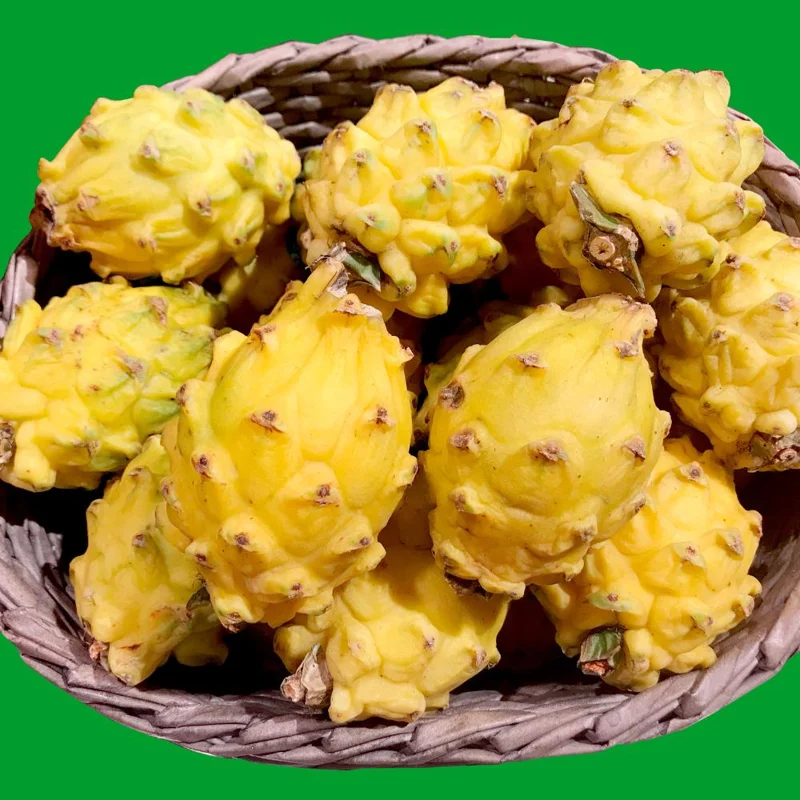
The stems of this dragon fruit cactus feature three distinctive ribs with wavy edges and small spines, perfectly adapted for gripping onto supports like fences, trees, or trellises. As it matures, the vine can reach impressive lengths of 10 to 20 feet, creating a lush, green display. Beyond its captivating form, the true allure lies in its fruit. The small, oval-shaped fruit boasts a bright yellow exterior, a stark contrast to the white, subtly sweet flesh studded with numerous tiny, crunchy black seeds within. It’s a delightful treat that’s as healthy as it is delicious.
Growing a dragon fruit cactus tree is a rewarding experience, providing fresh, homegrown fruit that’s rich in antioxidants. This particular variety is celebrated for its sweet flavor profile, making it a favorite among fruit enthusiasts. Whether you are an experienced gardener or just starting, this live dragon fruit plant offers a unique opportunity to grow something truly special.
Key Benefits
The yellow dragon fruit plant offers a multitude of benefits, combining ornamental appeal with the joy of harvesting your own delicious, healthy fruit. It’s a truly versatile and rewarding plant for various settings.
- Produces Delicious Edible Fruit: Enjoy the sweet, succulent flavor of homegrown yellow dragon fruit, a healthy and exotic treat. The fruit is easy to harvest and packed with nutrients.
- Stunning Ornamental Value: The unique climbing habit and fleshy green stems add a tropical touch to gardens, patios, or even large indoor spaces. Its architectural form is a conversation starter.
- Beautiful Night-Blooming Flowers: Witness massive, fragrant white flowers that bloom dramatically at night, adding an enchanting spectacle to your evenings. These flowers are often pollinated by nocturnal creatures.
- Climbing Growth Habit: Naturally climbs using its stems, making it ideal for trellises, arbors, or fences, providing vertical interest and maximizing space. This also helps with fruit production.
- Relatively Low Maintenance: Once established, this pitaya plant is fairly resilient and requires moderate watering, making it accessible for a range of gardeners. It’s a great choice for those seeking a unique plant without excessive fuss.
- Adaptable to Containers: Can be successfully grown in large pots or containers, allowing it to be moved indoors during colder months, extending its growing range for those who want to grow dragon fruit outside of tropical zones.
- Healthy and Nutritious Yield: Dragon fruit is known for being rich in vitamins, minerals, and antioxidants, contributing to a healthy diet directly from your garden.
Plant Care & Growing Tips
Caring for your yellow dragon fruit plant involves understanding its tropical origins and providing an environment that mimics its natural habitat. This climbing cactus thrives with the right balance of light, water, and support.
Sunlight Requirements: This plant requires full sun to partial shade. For optimal fruit production and vigorous growth, aim for at least 6 hours of direct sunlight per day. If growing indoors, place it near a south-facing window or use supplemental grow lights. In very hot climates, partial shade during the intense afternoon sun can prevent scorching of the stems. The ideal USDA Hardiness Zones for outdoor growth are 10-11, where temperatures rarely drop below freezing. If you live in a cooler zone, growing in a container that can be brought indoors during winter is essential.
Watering and Soil: The dragon fruit cactus tree has moderate water needs. During the active growing season, especially when the fruit is developing in summer, the soil should be kept consistently moist but never waterlogged. Allow the top inch or two of soil to dry out between waterings. In winter, when the plant is less active, reduce watering significantly, allowing the soil to dry out more thoroughly between applications. Well-draining soil is crucial to prevent root rot. A good quality cactus or succulent potting mix, or a blend of potting soil with perlite and sand, works well. Ensure your pot has drainage holes.
Temperature and Fertilization: Dragon fruit plants prefer warm temperatures, ideally between 65°F and 85°F (18°C-29°C). Protect them from frost, as they are not cold-hardy. Fertilize your live dragon fruit plant every 2-4 weeks during the growing season (spring and summer) with a balanced, organic fertilizer or a fertilizer formulated for cacti and succulents, diluted to half strength. Reduce or stop fertilizing in fall and winter. Provide a sturdy trellis, fence, or support structure for your plant to climb, as its stems will naturally seek to attach and grow upwards. Pruning can help manage size and encourage branching for more flowers and fruit.
Size & Details
Your yellow dragon fruit plant arrives as a live specimen in a 4 inch nursery pot, providing a healthy start for its journey in your home or garden. The plant’s current height will vary but typically ranges from 6 to 12 inches tall upon arrival, already showing the characteristic fleshy green stems. This climbing cactus is a relatively fast grower under ideal conditions, with vines capable of reaching 10 to 20 feet in length when provided with adequate support. Expect to see significant growth and the development of its unique three-ribbed stems as it establishes itself.
Shipped as a well-rooted, potted plant, it is ready for transplanting into a larger container or directly into the ground in appropriate climates. While flowering can occur within 1-3 years from planting, fruit production typically begins once the plant is more mature and has established a robust climbing structure. The fruit itself is small and oval, maturing to a bright yellow skin with white, seedy flesh inside. Growing your own grow dragon fruit is an investment in both a beautiful plant and a future source of exotic, sweet produce. This variety is chosen for its delicious fruit and vigorous growth, making it a favorite among enthusiasts.
Frequently Asked Questions
- Q: How big does this yellow dragon fruit plant get? A: With proper support, the vines of this climbing cactus can reach impressive lengths of 10 to 20 feet. It’s important to provide a sturdy trellis or structure for it to climb.
- Q: What size pot does the plant come in? A: Your live dragon fruit plant will arrive in a 4 inch nursery pot, ready for you to transplant into a larger pot or your garden.
- Q: Is this an indoor or outdoor plant? A: This plant thrives outdoors in USDA Zones 10-11. In cooler climates, it can be grown in a container and brought indoors during colder months. It requires plenty of sunlight.
- Q: How much sunlight does it need? A: The dragon fruit cactus tree prefers full sun to partial shade, ideally receiving at least 6 hours of direct sunlight daily for best growth and fruit production.
- Q: Is this plant easy to care for? A: Yes, once established, this pitaya plant is relatively low maintenance. It requires moderate watering and a sturdy support structure, making it suitable for both experienced and novice gardeners.
- Q: What condition will it arrive in? A: Your plant will arrive as a healthy, well-rooted specimen in its 4 inch pot, carefully packaged to ensure its safe journey to you.
- Q: Is it shipped in soil? A: Yes, the yellow dragon fruit plant is shipped actively growing in its nursery pot with soil, preserving its root system and health during transit.
- Q: How long until it blooms and produces fruit? A: While flowering can begin within 1-3 years, consistent fruit production typically starts once the plant is more mature and has an established climbing framework.
- Q: When is the best time to plant this dragon fruit? A: In warm climates, it can be planted year-round, but spring to early summer is often ideal to allow it to establish before colder weather. If growing indoors, you can plant year-round.
- Q: Will it survive winter in my zone? A: This plant is suited for USDA Zones 10-11 and is not frost-tolerant. If you live in a colder zone, you must bring the plant indoors during winter to protect it from freezing temperatures.





Reviews
There are no reviews yet.