Overview
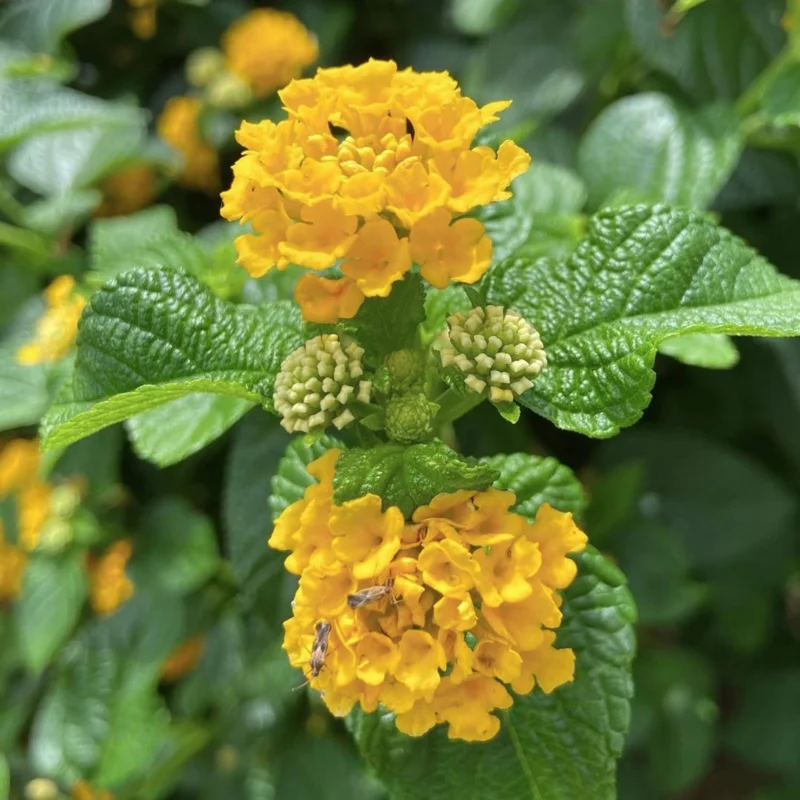
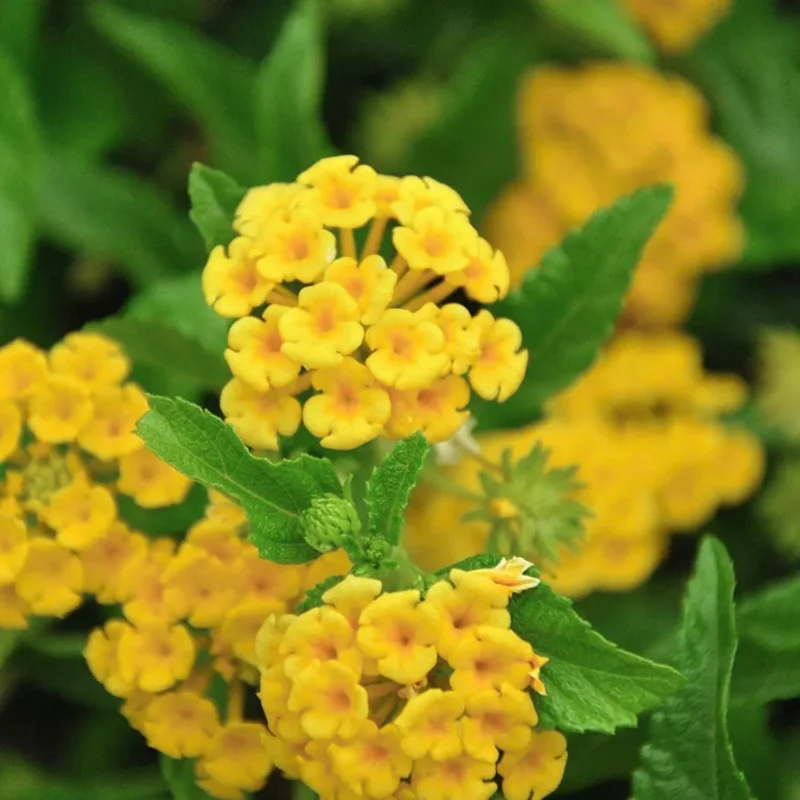
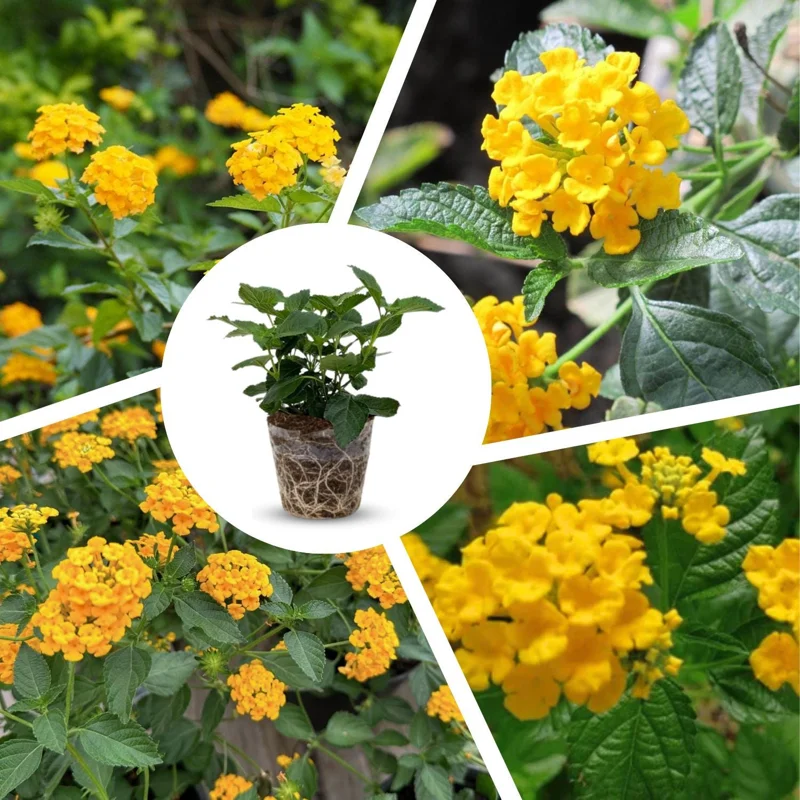
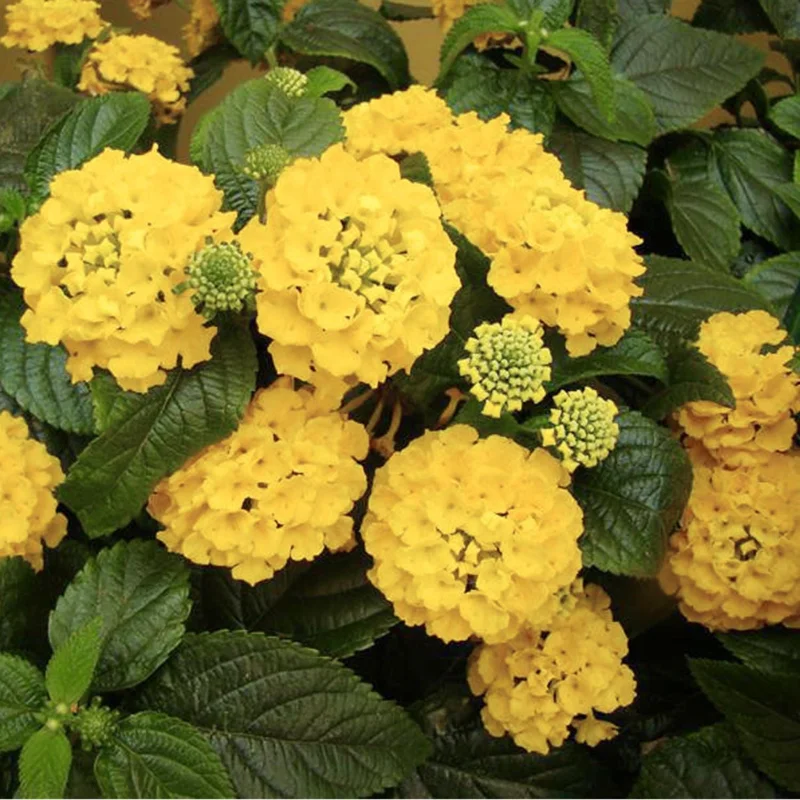
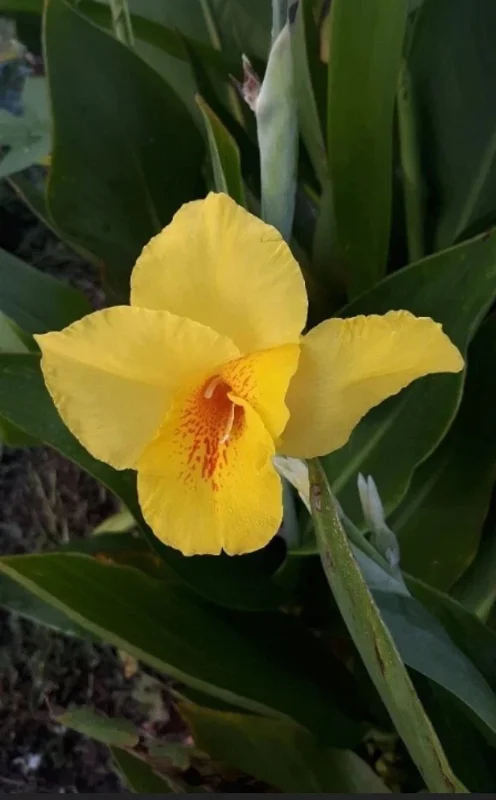
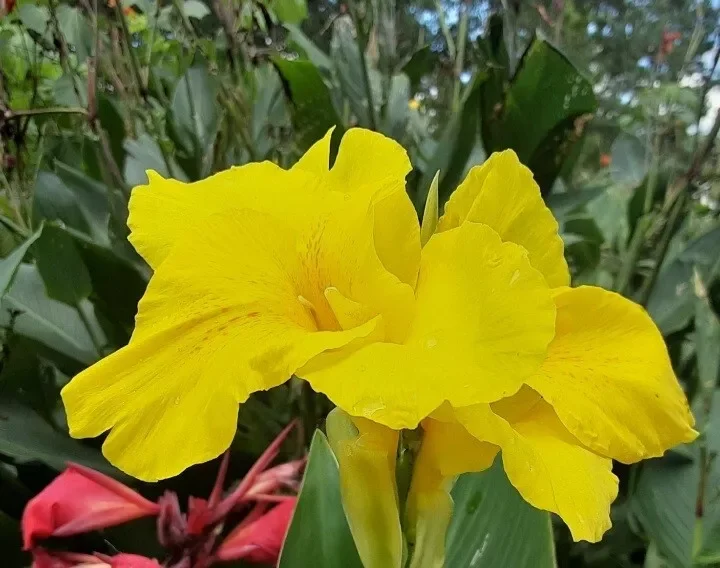
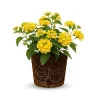
Bring a burst of sunshine to your landscape with the beautiful yellow lantana live plant. This stunning perennial is cherished for its continuous display of bright, multi-colored flower clusters that evolve in shade as they mature, creating a captivating visual effect. Known scientifically as Lantana camara, this vigorous plant is a favorite among gardeners for its resilience and ability to attract beneficial insects, including butterflies and hummingbirds, throughout the growing season. Whether you’re looking to fill garden beds, enhance borders, or create eye-catching patio containers, this yellow lantana live plant offers a low-maintenance solution for vibrant, long-lasting color. It’s an excellent choice for adding tropical flair to various garden styles.
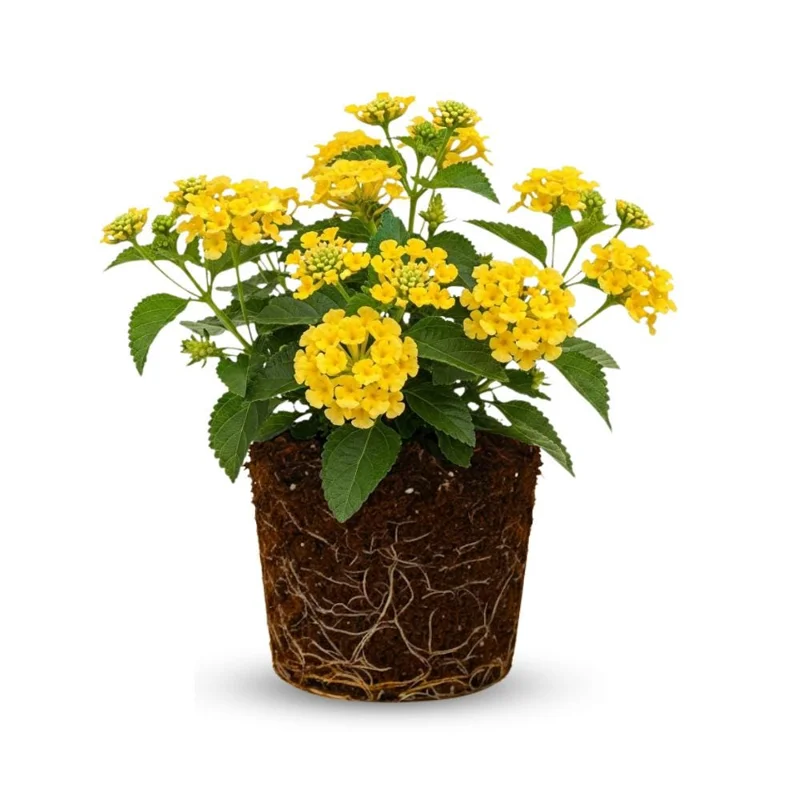
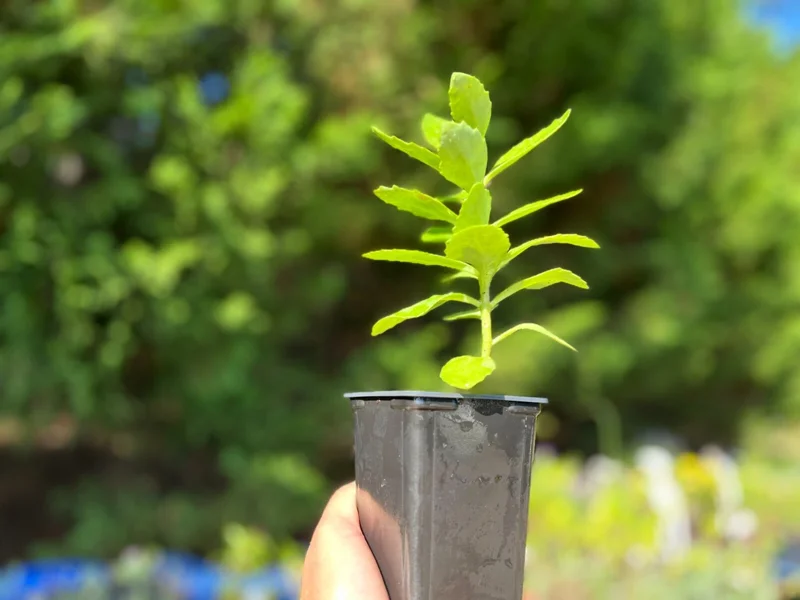
Our yellow lantana live plant arrives well-rooted and ready to thrive in its new home. Standing approximately 4 inches tall, it’s perfectly sized for immediate planting and establishment. Lantana is celebrated for its hardiness and adaptability, making it suitable for a wide range of growing conditions. Its vigorous growth habit ensures a quick establishment, allowing you to enjoy its spectacular blooms sooner rather than later. Embrace the beauty and ecological benefits of this remarkable plant in your outdoor or indoor spaces.
Key Benefits
The yellow lantana live plant offers numerous advantages for both seasoned gardeners and beginners alike, making it a highly desirable addition to any plant collection. Its combination of aesthetic appeal and practicality sets it apart.
- Vibrant, Continuous Blooms: Enjoy a prolonged display of bright, multi-colored yellow flowers from spring until the first frost. The ever-changing hues add dynamic visual interest to your garden.
- Attracts Pollinators: The nectar-rich flowers are a magnet for butterflies, bees, and hummingbirds, contributing to a healthy and biodiverse garden ecosystem.
- Low Maintenance & Hardy: This lantana perennial plant is remarkably easy to care for. It tolerates heat, drought, and various soil conditions once established, requiring minimal intervention.
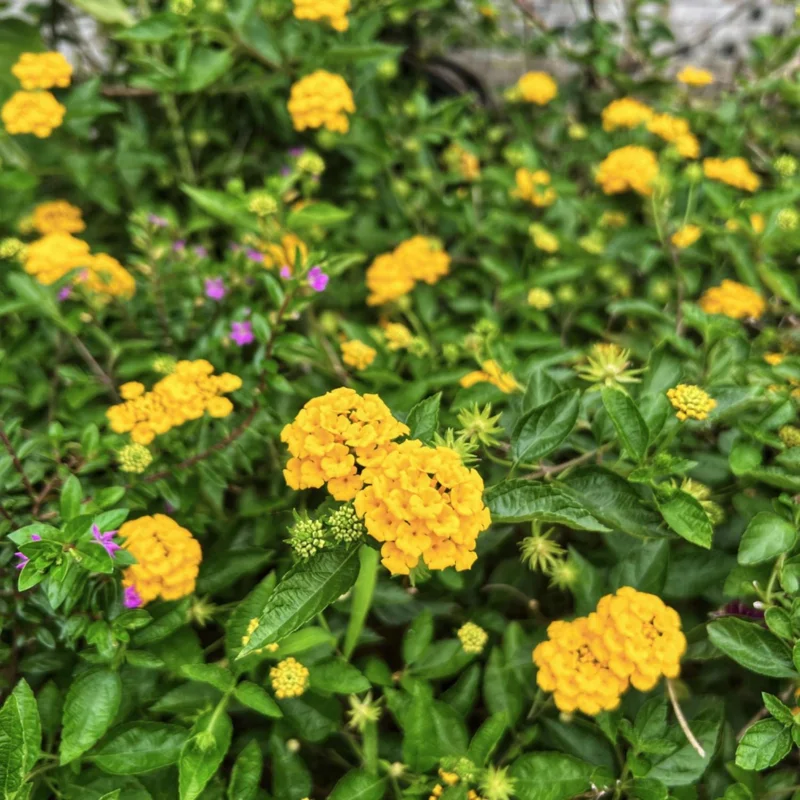
- Versatile Landscaping Plant: Ideal for a multitude of uses, including ground cover, borders, container planting, and mass plantings. Its trailing or mounding habit fits diverse garden designs.
- Drought Tolerant: Once mature, the plant is highly resistant to dry spells, making it an excellent choice for water-wise gardening and regions with hot summers.
- Pest Resistant: Lantana naturally deters many common garden pests, reducing the need for chemical interventions and promoting a healthier garden environment.
- Thrives in Full Sun: This plant absolutely loves the sun, performing best and producing the most abundant blooms when exposed to at least 6 hours of direct sunlight daily, making it perfect for sunny spots.
Plant Care & Growing Tips
Caring for your yellow lantana live plant is straightforward, ensuring a season of spectacular blooms with minimal effort. Understanding its basic needs will help you cultivate a thriving and beautiful specimen. Lantana is known for its forgiving nature, making it a great choice for gardeners of all experience levels.
For optimal growth and abundant flowering, your lantana requires plenty of sunlight. Plant your lantana full sun exposure, meaning at least 6 hours of direct sunlight per day. In hotter climates, some afternoon shade can be beneficial to prevent scorching, but generally, the more sun, the better the blooms. When it comes to watering, establish a regular schedule during the plant’s initial growth phase, keeping the soil consistently moist but not waterlogged. Once the lantana is established, it becomes highly drought tolerant and will only need occasional watering, especially during prolonged dry periods. Overwatering can lead to root rot, so ensure good drainage.
The ideal soil for your lantana perennial plant is well-draining, tolerating sandy or average garden soil. It’s not particularly fussy about soil pH. Fertilize sparingly; a balanced slow-release granular fertilizer once in spring is usually sufficient. Over-fertilization can promote foliage growth at the expense of flowers. Pruning is beneficial for maintaining shape and promoting continuous blooming. Deadhead spent flowers to encourage new growth and more blooms. In cooler zones (below USDA Zone 8), lantana can be grown as an annual or brought indoors for the winter. For indoor outdoor lantana growth, ensure the indoor environment provides ample light and consistent temperatures.
Size & Details
This yellow lantana live plant is supplied as a well-rooted specimen, standing approximately 4 inches tall from the top of the soil. It is shipped in a nursery pot, ready for transplanting into your garden or a larger container. Lantana typically grows to a mature size of 1-3 feet tall and 3-6 feet wide, forming a spreading mound or trailing over the edges of containers, depending on the variety and growing conditions. Its growth rate is moderate to fast, quickly filling out spaces with its vibrant foliage and flowers. Expect it to begin blooming soon after establishment, providing continuous color throughout the warm months. The plant will arrive healthy and carefully packaged to ensure a safe journey.
Once planted, give your lantana sufficient space to spread, especially if using it as ground cover. For container planting, choose a pot with good drainage that is at least 8-12 inches in diameter to allow for root development. This plant is a long-lived perennial in its preferred hardiness zones and can provide years of beauty with proper care. The 4-inch height at shipping allows for easy handling and quick adaptation to its new environment, making it a convenient choice for any planting project.
Frequently Asked Questions
- Q: How big does this yellow lantana live plant get? A: This lantana variety typically grows to be 1 to 3 feet tall and spreads 3 to 6 feet wide, forming a beautiful mounding or trailing habit. Its size can vary based on growing conditions and climate.
- Q: Is this an indoor or outdoor plant? A: This yellow lantana live plant is primarily an outdoor plant, thriving in garden beds and containers. However, in cooler climates, it can be grown as an annual or brought indoors during winter as an indoor outdoor lantana, provided it receives sufficient light.
- Q: How much sunlight does it need? A: Lantana requires full sun exposure, meaning at least 6 hours of direct sunlight daily, for the best blooming performance. Less sun will result in fewer flowers.
- Q: Is this plant easy to care for? A: Yes, this lantana perennial plant is considered very easy to care for. It’s drought-tolerant once established and requires minimal maintenance, making it perfect for beginners and busy gardeners.
- Q: What condition will it arrive in? A: Your lantana will arrive as a well-rooted, healthy plant, approximately 4 inches tall, securely packaged in its nursery pot to ensure its safe delivery.
- Q: When is the best time to plant yellow lantana? A: The best time to plant lantana is in spring after the last frost, allowing it ample time to establish before the summer heat. It can also be planted in early summer.
- Q: Will it survive winter in my zone? A: This lantana is hardy in USDA Zones 8-11. In these zones, it will typically return as a perennial. In cooler zones, it can be grown as an annual or overwintered indoors.
- Q: Does this lantana attract butterflies? A: Absolutely! Lantana is well-known for attracting a wide variety of butterflies, as well as bees and hummingbirds, making it a great addition to a pollinator garden.
- Q: What kind of soil does lantana prefer? A: Lantana thrives in well-draining soil and is quite tolerant of average garden soils, including sandy conditions. Good drainage is crucial to prevent root issues.
- Q: Can I grow this lantana in a container? A: Yes, lantana is an excellent choice for container gardening due to its mounding and trailing habit. Just ensure the container has drainage holes and is adequately sized.



Reviews
There are no reviews yet.