Overview
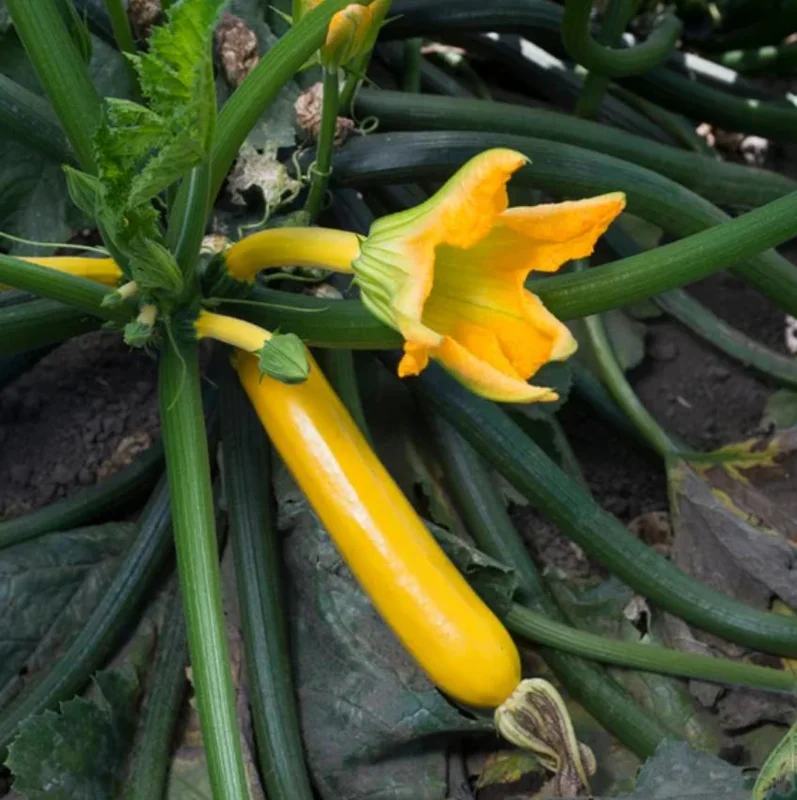
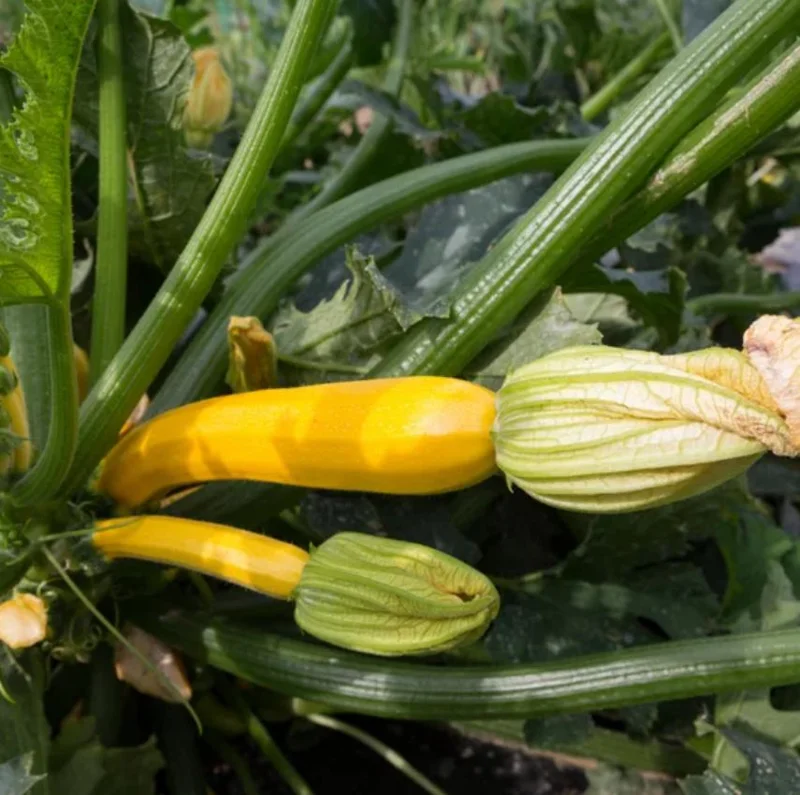
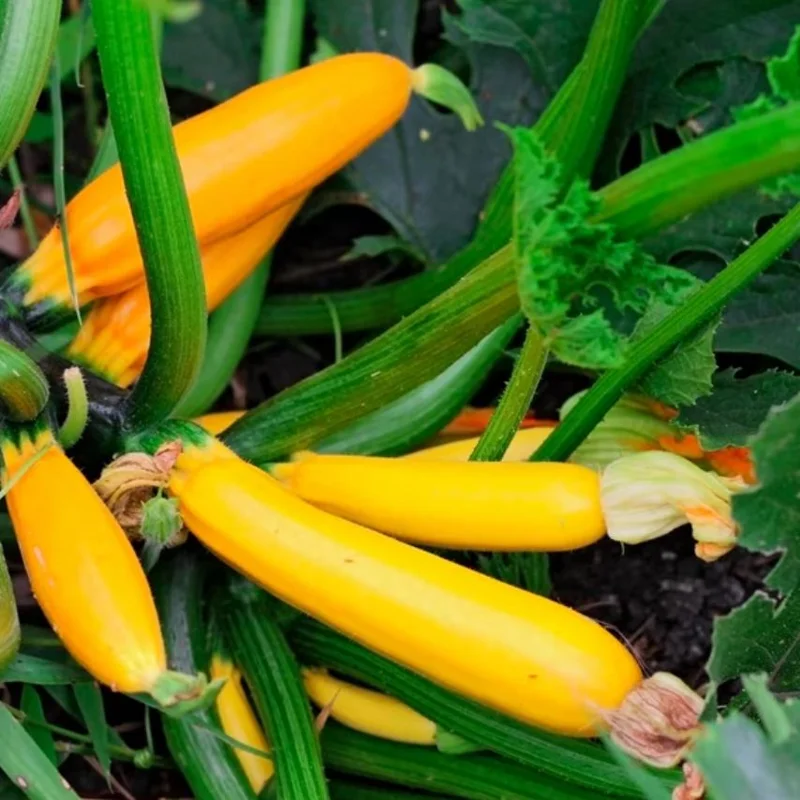
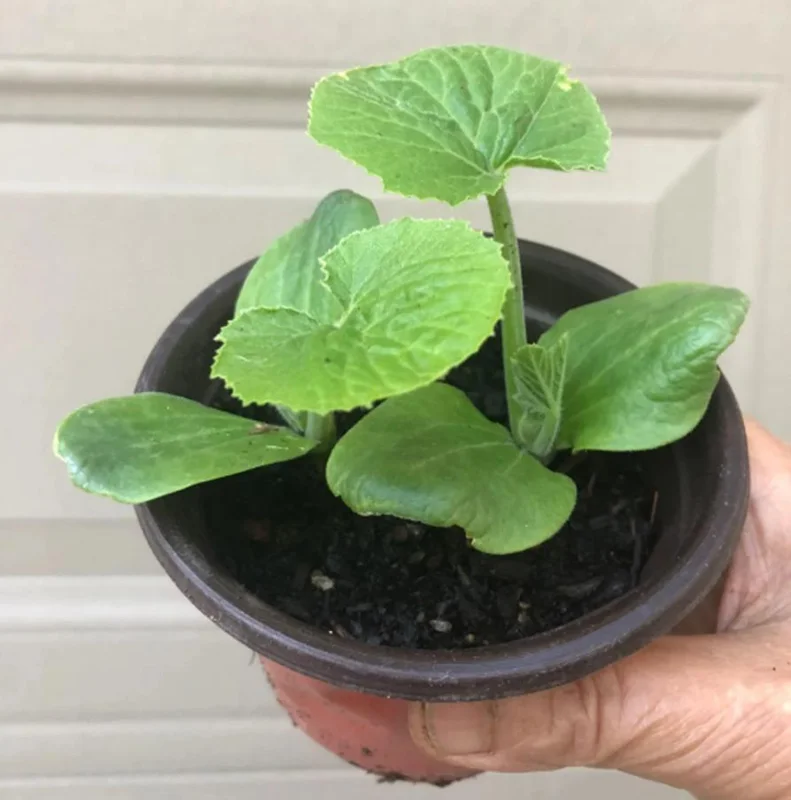
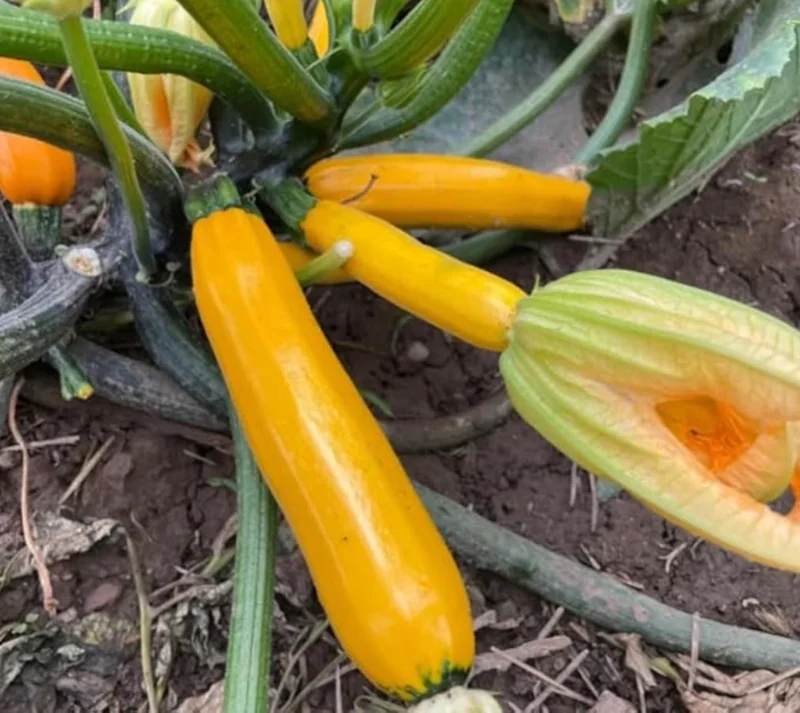
Embark on a rewarding gardening journey with this vibrant yellow zucchini live plant offering. Each listing provides two robust young yellow zucchini live plant seedlings, carefully grown together in a convenient 4-inch nursery pot. These starter plants are specifically cultivated to thrive in your outdoor vegetable garden or raised beds, promising a bountiful harvest of delicious yellow zucchini. Ideal for gardeners of all experience levels, these healthy seedlings are ready to be transplanted once the risk of frost has passed and temperatures are consistently warm. Growing your own fresh produce is a delightful experience, and these fast-growing squash plants make it incredibly accessible. Get ready to enjoy home-grown, tender yellow zucchini straight from your garden.
Key Benefits
Adding a yellow zucchini live plant to your garden offers numerous advantages, from fresh produce to the joy of nurturing your own food supply. These particular seedlings are chosen for their vigor and readiness to grow.
Fresh, Homegrown Produce
Enjoy the unparalleled taste and superior quality of fresh yellow zucchini picked directly from your garden. Knowing exactly how your food was grown provides peace of mind and a healthier diet. This yellow zucchini live plant ensures a continuous supply of fresh vegetables during its growing season.
Easy to Grow for All Levels
These young seedlings are an excellent choice for both novice and experienced gardeners. They arrive healthy and established, reducing the initial challenges associated with starting from seed. Transplanting is straightforward, making it simple to grow yellow zucchini successfully.
High Yield Potential
Yellow zucchini plants are known for their prolificacy under proper care. With two plants per pot, you’re setting yourself up for an abundant harvest, ensuring plenty of squash for cooking, sharing, and even preserving.
Space-Efficient Starter
The compact 4-inch pot with two seedlings is an efficient way to start your garden. It saves space in the initial stages and provides a strong foundation for rapid growth once transplanted. These zucchini starter plants are perfectly sized for easy handling.
Nutritious & Versatile Vegetable
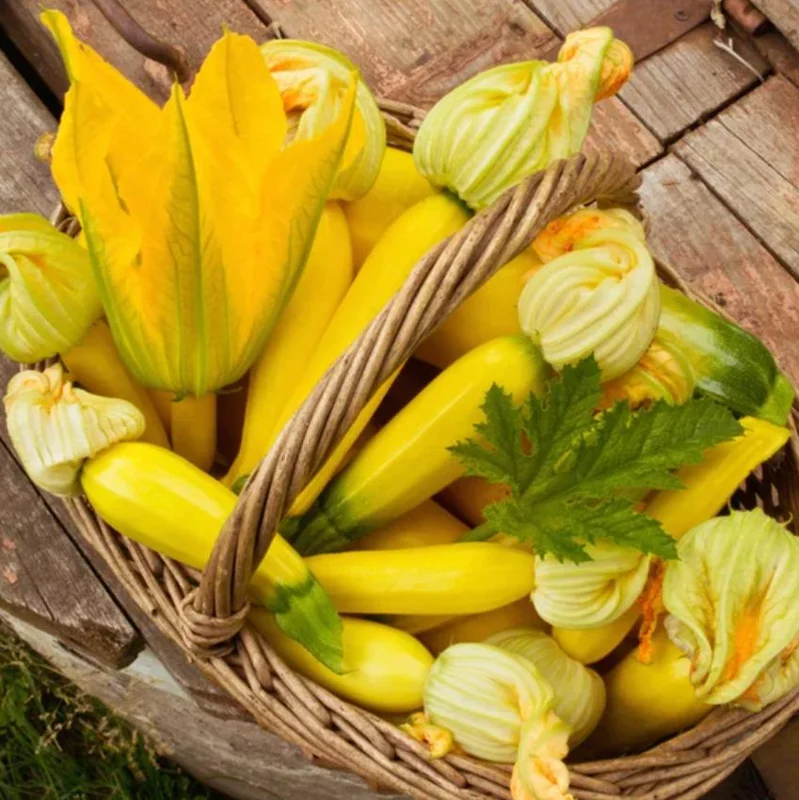
Yellow zucchini is not only delicious but also packed with vitamins and minerals. Its mild flavor and firm texture make it incredibly versatile in the kitchen, suitable for grilling, sautéing, baking, and more. Cultivating yellow squash seedlings brings healthy options to your table.
Enhances Garden Biodiversity
Introducing a new vegetable variety like yellow zucchini adds diversity to your garden ecosystem, attracting beneficial pollinators and contributing to a healthier environment.
Fast-Growing and Rewarding
Squash plants grow quickly, offering a relatively fast turnaround from planting to harvest. This rapid growth provides a satisfying and rewarding experience for gardeners eager to see results.
Plant Care & Growing Tips
To ensure your yellow zucchini live plant thrives and produces a bountiful harvest, understanding its specific care requirements is crucial. These plants are generally robust, but providing optimal conditions will lead to the best results. Proper care for your zucchini starter plants will ensure they establish quickly and grow strong.
Sunlight: Yellow zucchini requires full sun, meaning at least 6–8 hours of direct sunlight per day. Choose a location in your garden that receives ample sun exposure throughout the day. Insufficient light can lead to leggy plants and reduced fruit production. Temperature: The ideal growing temperature range for yellow zucchini is 70–85°F (21–30°C). It is critical to protect these plants from cold temperatures and any risk of frost, as they are not frost-hardy. Wait until all danger of frost has passed before transplanting outdoors. Soil: These plants prefer well-draining, fertile soil with a pH range of 6.0–7.0. Amending your garden soil with compost or aged manure before planting will significantly improve soil structure, fertility, and drainage, providing the perfect environment for your yellow squash seedlings to flourish. Good drainage is key to preventing root rot.
Watering: Keep the soil consistently moist but never soggy. Yellow zucchini needs about 1–2 inches of water per week, either from rainfall or irrigation. Water deeply at the base of the plant to avoid wetting the foliage, which can help prevent fungal diseases. During hot, dry spells, you may need to water more frequently. Fertilization: While fertile soil is a great start, a balanced vegetable fertilizer can be beneficial once the plants begin to set fruit. Follow the product instructions carefully to avoid over-fertilizing. Transplanting: Before moving your seedlings outdoors permanently, it’s essential to harden them off. This process gradually acclimates them to outdoor conditions over a week or two by exposing them to increasing periods of sun and wind. This minimizes transplant shock and helps your outdoor vegetable plants adapt.
Size & Details
Each purchase includes one 4-inch nursery pot containing two healthy yellow zucchini live plant seedlings. These young starter plants are typically 3–5 inches tall upon arrival, representing a robust stage for successful transplanting. They are carefully packed to ensure safe delivery to your home, ready to be integrated into your garden. Yellow zucchini plants are fast-growing and can produce fruit within 45-60 days under optimal conditions. The mature plants will develop into bush-type squash, making them suitable for various garden sizes and raised beds. Expect your two zucchini starter plants to grow vigorously once established, providing a continuous harvest.
Frequently Asked Questions
-
Q: How big do these zucchini plants get?
A: These are bush-type yellow zucchini plants. While the seedlings arrive 3–5 inches tall, mature plants typically grow to a height of 2-3 feet and can spread about 2-3 feet wide, making them suitable for most garden spaces and containers.
-
Q: What size pot does it come in?
A: Each order includes two yellow zucchini live plant seedlings planted together in a single 4-inch nursery pot. This size is ideal for safe shipping and provides a good start for the young plants before transplanting.
-
Q: Is this an indoor or outdoor plant?
A: Yellow zucchini is an outdoor vegetable plant. It requires full sun and warm temperatures to thrive and produce fruit. These outdoor vegetable plants are not suitable for long-term indoor cultivation.
-
Q: How much sunlight does it need?
A: For optimal growth and fruit production, your yellow zucchini live plant requires at least 6–8 hours of direct sunlight per day. Choose the sunniest spot in your garden.
-
Q: Is this plant easy to care for?
A: Yes, yellow zucchini is generally considered easy to care for, especially when starting with healthy zucchini starter plants like these. Providing consistent water, ample sunlight, and good soil will lead to successful growth.
-
Q: What condition will it arrive in?
A: Your yellow squash seedlings will arrive as young, healthy starter plants, approximately 3–5 inches tall, in a 4-inch nursery pot. They will not have flowers or fruit upon delivery, as these develop after transplanting and growth.
-
Q: When is the best time to plant these seedlings outdoors?
A: The best time to transplant these outdoor vegetable plants is after all danger of frost has passed in your area and soil temperatures have warmed up, typically in late spring or early summer.
-
Q: What’s the minimum temperature these plants can tolerate?
A: Yellow zucchini plants are sensitive to cold. They thrive in temperatures between 70–85°F (21–30°C) and cannot tolerate frost. Ensure nighttime temperatures are consistently above 50°F (10°C) before transplanting.
-
Q: Can I grow yellow zucchini in a raised bed?
A: Absolutely! Raised beds are an excellent environment for these yellow zucchini live plant seedlings, as they allow for better drainage and temperature control, which zucchini plants appreciate.
-
Q: How long until I can harvest yellow zucchini?
A: You can typically expect to start harvesting yellow zucchini fruit within 45-60 days after transplanting the seedlings, provided they receive proper care and ideal growing conditions.





Reviews
There are no reviews yet.