Overview
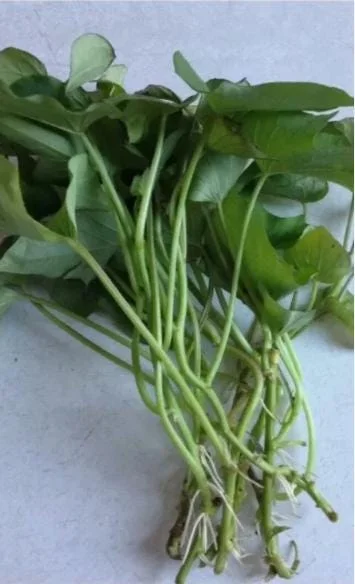
Embark on a rewarding gardening journey with our premium red Japanese sweet potato slips. These live cuttings of Ipomoea batatas are perfect for cultivating your own supply of this highly sought-after sweet potato variety. Known for its distinctive reddish-purple skin and creamy, sweet, and nutty flesh, the Red Japanese Sweet Potato is a culinary delight that can be enjoyed baked, roasted, or fried. These slips are vigorous growers, quickly establishing themselves to produce abundant harvests. Whether you’re an experienced gardener or just starting out, learning to grow sweet potato slips is a fulfilling endeavor that yields delicious results. They are also versatile plants, serving as an attractive ground cover or spilling vine in containers before you harvest their tubers.
Each set provides 10 healthy, well-rooted cuttings, ready to be planted in your garden or chosen containers. These slips are specifically selected for their vitality, ensuring a higher success rate for your planting efforts. The Ipomoea batatas plant is not only productive but also adds a touch of lush greenery to your landscape with its heart-shaped leaves. Prepare to enjoy homegrown sweetness that surpasses store-bought options in flavor and freshness.
Key Benefits
Growing your own red Japanese sweet potato slips offers a multitude of advantages, from culinary satisfaction to aesthetic appeal in your garden. These plants are a fantastic addition to any edible landscape.
- Exceptional Flavor and Nutrition: The Red Japanese Sweet Potato is celebrated for its superior taste – a rich, creamy texture with a delightful sweetness and subtle nutty undertones. It’s also packed with vitamins and antioxidants, making it a healthy choice for your diet.
- Versatile Culinary Use: From baking and roasting to frying and mashing, these sweet potatoes are incredibly versatile in the kitchen. Their unique flavor profile enhances a wide range of dishes, offering a gourmet experience from your own garden.
- Easy to Grow: Sweet potato slips are relatively easy to establish and maintain, making them an excellent option for gardeners of all skill levels. With proper care, you can expect a bountiful harvest. Learning to grow sweet potato slips is a straightforward and rewarding process.
- Beautiful Edible Ground Cover: Beyond their edible tubers, the vines of the Ipomoea batatas plant create an attractive, dense ground cover. Their lush foliage can suppress weeds and add a tropical feel to your garden, making them a beautiful and functional addition.
- High Yield Potential: Given adequate growing conditions, a single sweet potato plant can produce multiple tubers, offering a generous harvest from just a few slips. This makes them a cost-effective way to enjoy fresh produce.
- Adaptable to Various Settings: These slips can thrive in traditional garden beds, raised beds, or even large containers, making them suitable for different garden sizes and styles. You can easily adapt them to your specific growing environment.
- Pest and Disease Resistance: Sweet potato plants are generally robust and less susceptible to many common garden pests and diseases, simplifying their care and enhancing your chances of a successful crop.
Plant Care & Growing Tips
Caring for your red Japanese sweet potato slips is straightforward, ensuring a healthy plant and a plentiful harvest. These vigorous vines thrive in warm conditions and require specific attention to light, water, and soil.
Sunlight Requirements: Sweet potatoes are sun-loving plants. They require at least 6-8 hours of direct sunlight per day to produce the best yields. Choose a location in your garden that receives full sun throughout the day. In areas with intense afternoon sun, some partial shade might be beneficial to prevent leaf scorch, though full sun is generally preferred for optimal tuber development for your edible sweet potato vine.
Watering Schedule and Soil Moisture: Consistent moisture is crucial, especially during the establishment phase and tuber development. Water deeply and regularly, aiming for about 1 inch of water per week, either from rainfall or irrigation. The soil should be kept consistently moist but not waterlogged. Reduce watering as harvest time approaches to help cure the tubers and prevent cracking. Ensure good drainage to prevent root rot, a common issue for many garden plants.
Soil Type and Drainage Requirements: Sweet potatoes prefer loose, well-draining soil that is rich in organic matter. Sandy loam is ideal, as it allows for easy tuber expansion. Avoid heavy clay soils, which can restrict tuber growth and lead to misshapen potatoes. A soil pH between 5.5 and 6.5 is optimal. Amend heavy soils with compost or sand to improve drainage and aeration before planting your red Japanese sweet potato slips. This preparation is key for successful growth.
Temperature Range and USDA Hardiness Zone: Sweet potatoes are tropical plants and are sensitive to cold. They thrive in warm temperatures, ideally between 65°F and 85°F (18°C-29°C). Plant slips after all danger of frost has passed and soil temperatures have warmed to at least 60°F (15°C). They are typically grown as annuals in most regions, but can be perennial in USDA Zones 9-11. For those wondering about Japanese sweet potato plant care, ensure warm conditions are met.
Fertilization Schedule and Type: While sweet potatoes don’t require heavy fertilization, a balanced fertilizer or compost can be beneficial. Incorporate a good amount of organic compost into the soil before planting. You can also use a low-nitrogen fertilizer once the slips are established, focusing on phosphorus and potassium to encourage tuber formation. Avoid excessive nitrogen, which promotes leafy growth at the expense of tuber development.
Size & Details
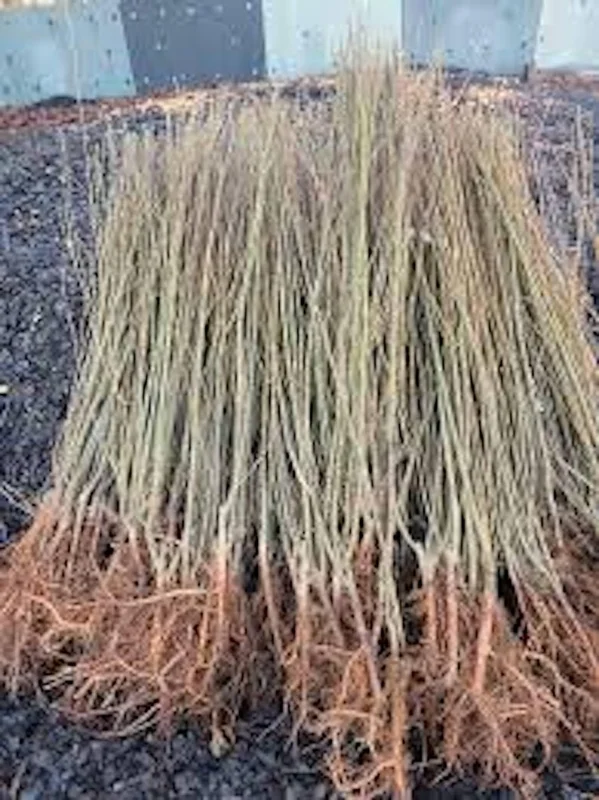
This offering includes 10 live red Japanese sweet potato slips, each typically measuring between 3 to 6 inches long. These are young, healthy cuttings, often with developing roots, ready for immediate planting upon arrival. When established, the Ipomoea batatas plant can produce vines that spread several feet, making it an excellent choice for ground cover or cascading from containers. Tubers typically develop below ground, reaching harvestable size in about 90 to 120 days after planting, depending on your climate and growing conditions. Each slip has the potential to yield several delicious sweet potatoes, providing a plentiful harvest for your kitchen. They are shipped carefully to ensure they arrive in prime condition, ready to thrive in your garden.
Frequently Asked Questions
- Q: How big does this plant get? A: The vines of the red Japanese sweet potato slips can spread extensively, often several feet, making them excellent ground cover. The tubers themselves vary in size but typically reach a harvestable size of 4-8 inches long.
- Q: Is this an indoor or outdoor plant? A: Sweet potato plants are primarily grown outdoors as annuals in most climates, thriving in full sun and warm temperatures. In tropical or subtropical regions (USDA Zones 9-11), they can be perennial.
- Q: How much sunlight does it need? A: For optimal growth and tuber production, the Ipomoea batatas plant requires at least 6 to 8 hours of direct sunlight daily. Choose a sunny spot in your garden.
- Q: Is this plant easy to care for? A: Yes, sweet potato plants are relatively easy to care for, especially when provided with warm weather, plenty of sun, and consistent moisture. They are a good choice for beginner gardeners looking to grow sweet potato slips.
- Q: What condition will it arrive in? A: Your red Japanese sweet potato slips will arrive as live, healthy cuttings, carefully packaged to ensure their vitality during transit. They may have some small roots already formed.
- Q: When is the best time to plant these slips? A: The best time to plant is after all danger of frost has passed in your area and soil temperatures have consistently warmed up, typically late spring to early summer.
- Q: Can I use these sweet potatoes in cooking? A: Absolutely! The Red Japanese Sweet Potato is highly prized for its delicious taste and versatility in cooking. It can be baked, roasted, fried, or mashed. This is a truly edible sweet potato vine.
- Q: What’s the minimum temperature these plants can tolerate? A: Sweet potato plants are very sensitive to cold and cannot tolerate frost. They thrive in temperatures above 60°F (15°C) and will suffer damage or die if exposed to freezing temperatures.
- Q: Is it good for beginners? A: Yes, due to their robust nature and relatively straightforward care requirements, growing Japanese sweet potato plant care is suitable for beginner gardeners looking to try growing an edible crop.
- Q: How long until I can harvest the sweet potatoes? A: Sweet potatoes are typically ready for harvest about 90 to 120 days after planting the slips, depending on the variety and local growing conditions.








Reviews
There are no reviews yet.