Overview
Transform your garden into a haven for pollinators with our premium orange bee balm seeds. Each packet contains 100 high-quality seeds, ready to sprout into beautiful, fiery orange blooms. Also known as Monarda didyma, Bee Balm is a cherished perennial flower, celebrated for its unique, shaggy blossoms and its irresistible appeal to hummingbirds, bees, and butterflies. These vibrant flowers add a splash of color to any landscape, from cottage gardens to naturalized meadows, and provide essential nectar for local wildlife. Growing Monarda didyma seeds is a rewarding experience, offering both aesthetic beauty and ecological benefits. This hardy plant is a North American native, making it well-suited for various climates and relatively low-maintenance once established. Its distinctive appearance and ecological value make it a must-have for any gardener looking to create a dynamic and living outdoor space.
Our orange bee balm seeds are carefully selected to ensure high germination rates, giving you the best chance for a successful and bountiful bloom. Whether you’re a seasoned gardener or just starting, these seeds provide an excellent opportunity to grow a robust and visually striking plant. The aromatic foliage adds another layer of sensory appeal, releasing a minty scent when brushed against. Embrace the joy of gardening and contribute to local biodiversity by planting these wonderful Bee Balm seeds, and watch as your garden comes alive with the buzzing and darting of its delighted visitors.
Key Benefits
Discover the many advantages of cultivating orange bee balm seeds in your garden, from their ecological impact to their aesthetic charm. These benefits make Monarda didyma a truly exceptional choice for any gardening enthusiast.
- Attracts Pollinators: These flowers are a proven magnet for hummingbirds, bees, and butterflies. Planting bee friendly flowers like Bee Balm significantly supports local ecosystems and enhances biodiversity in your garden.
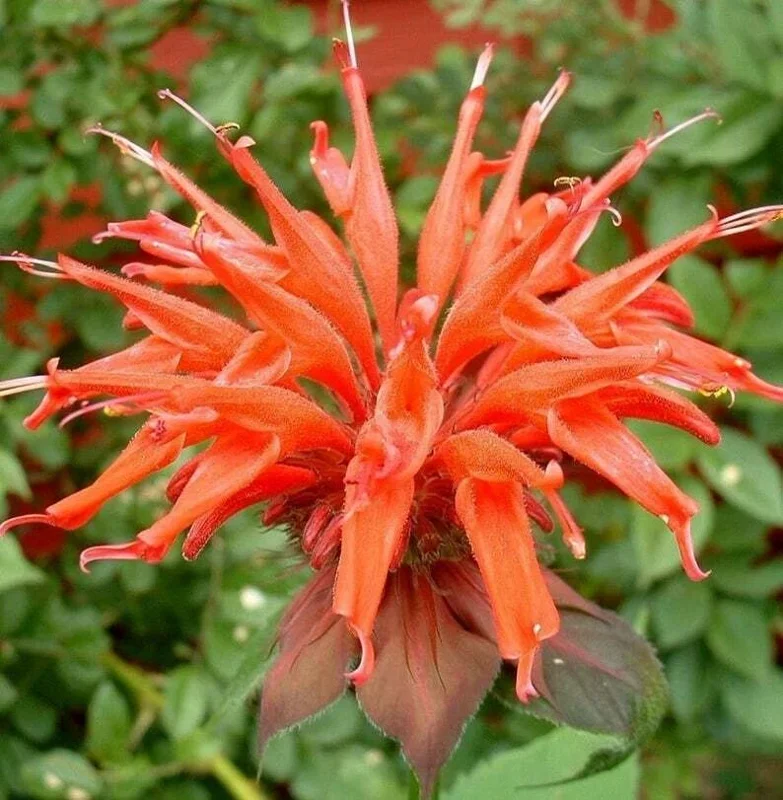
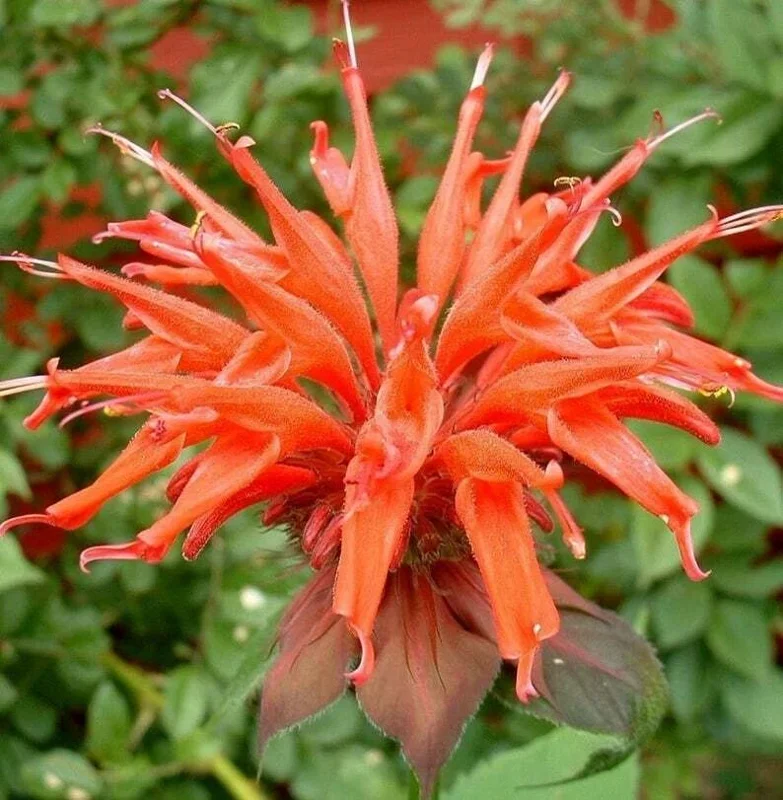
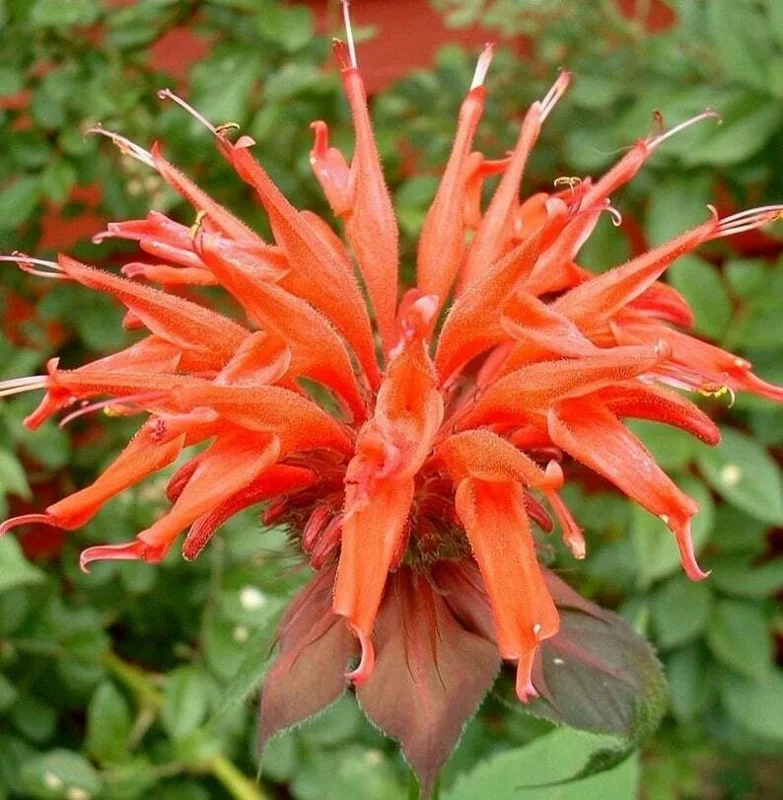
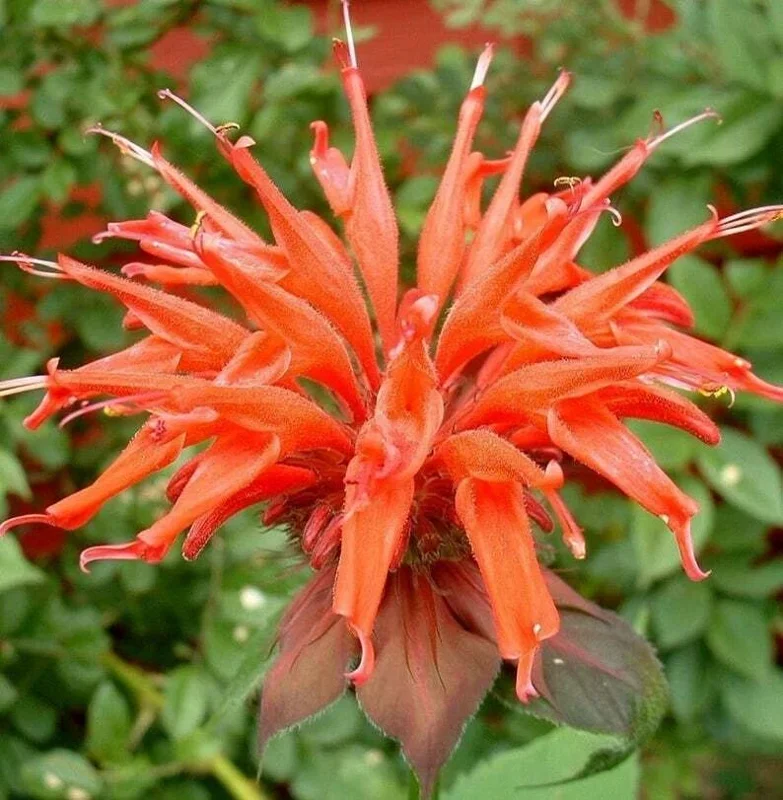
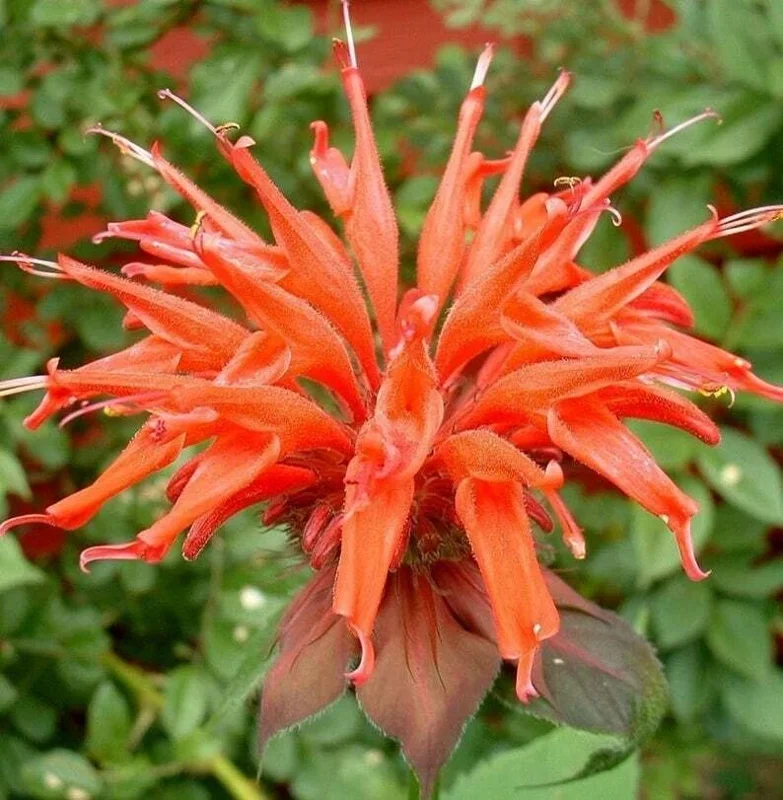
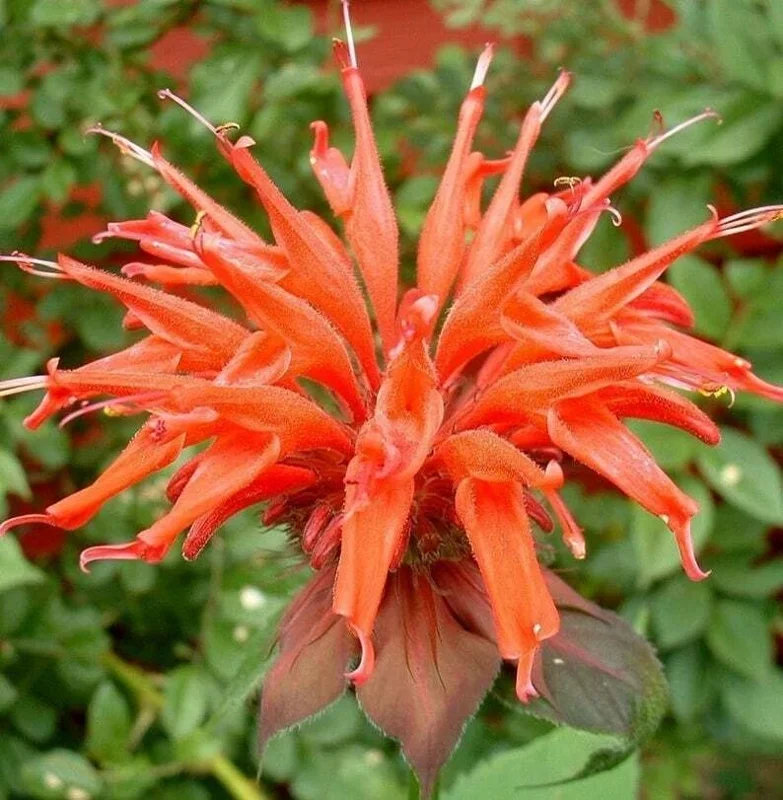
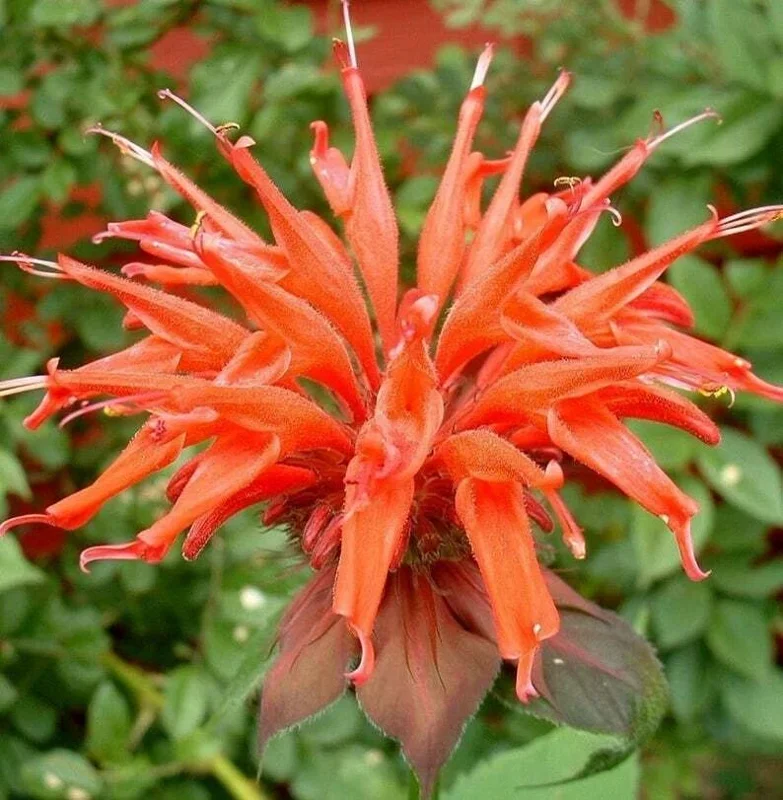
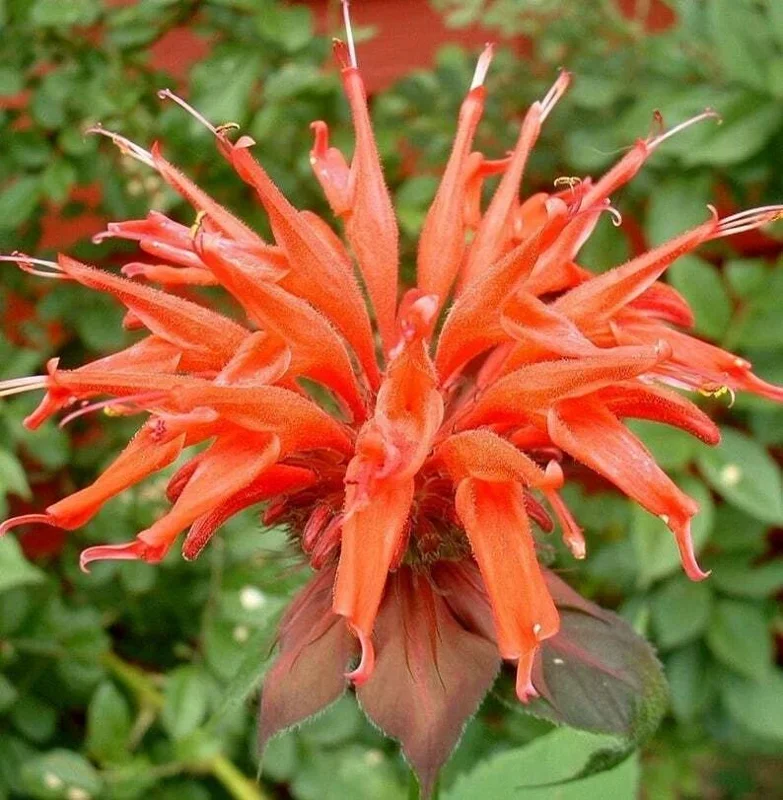
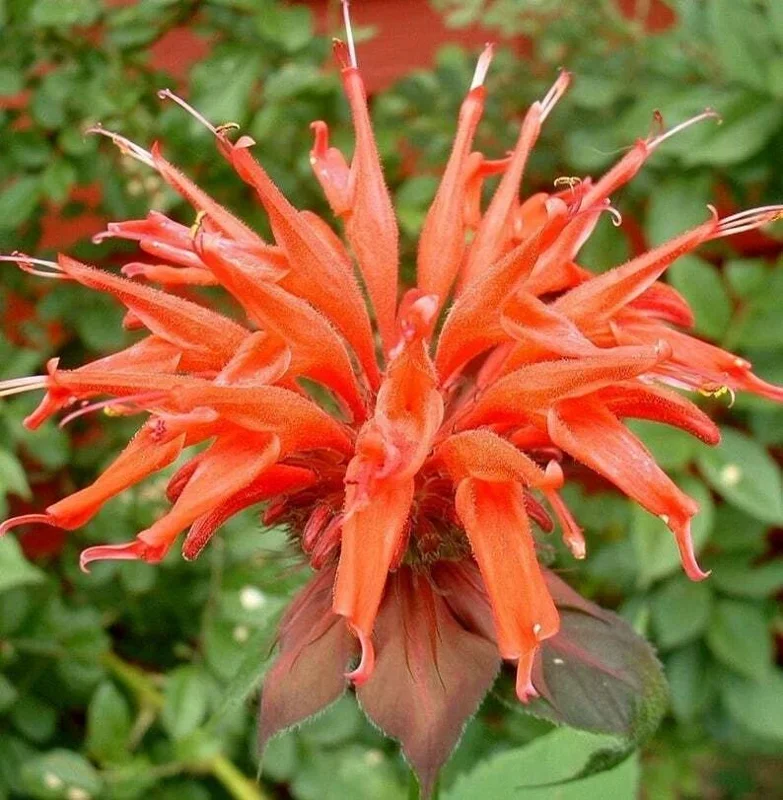
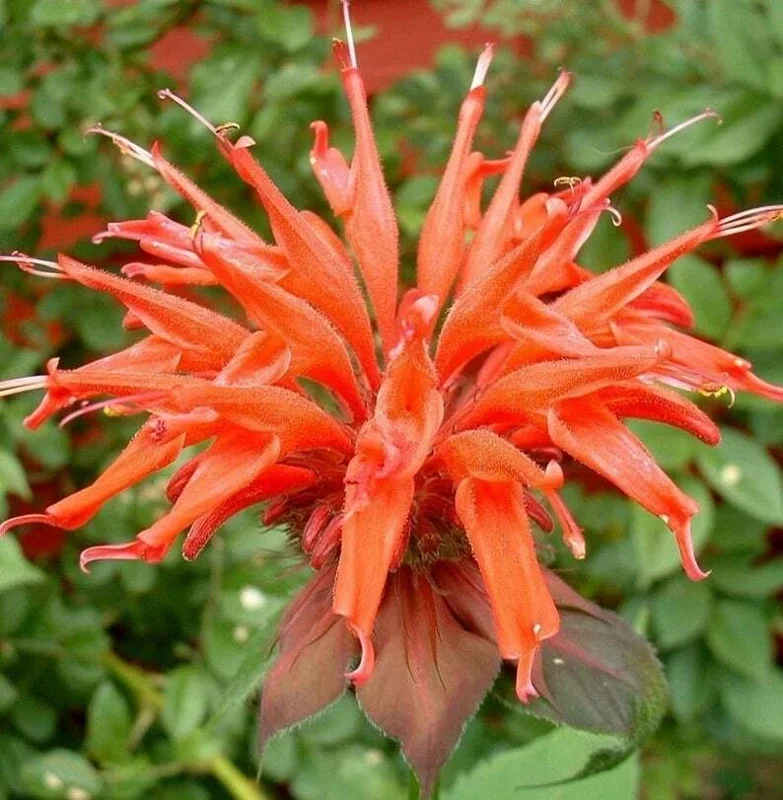
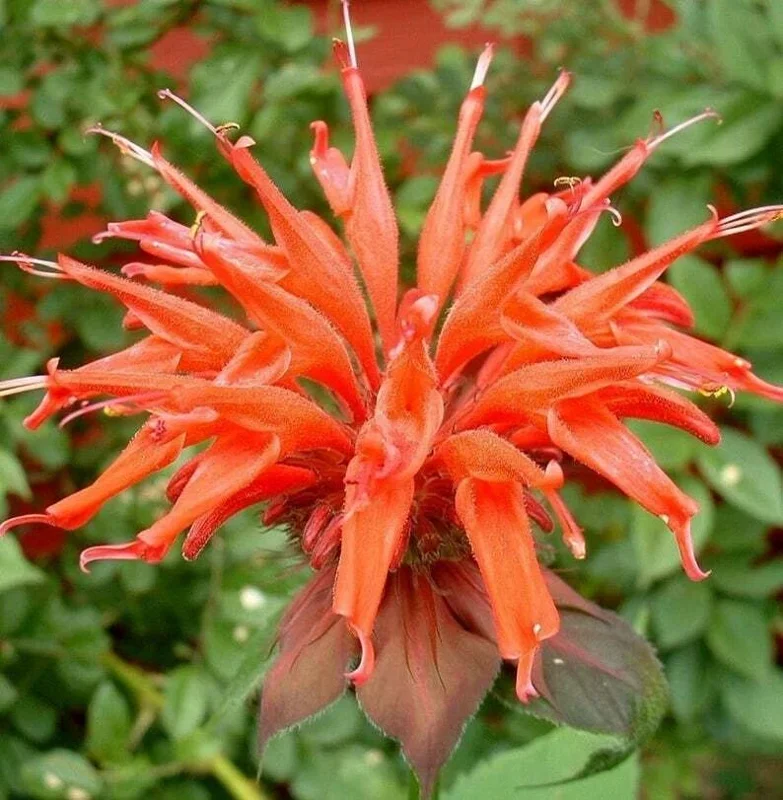
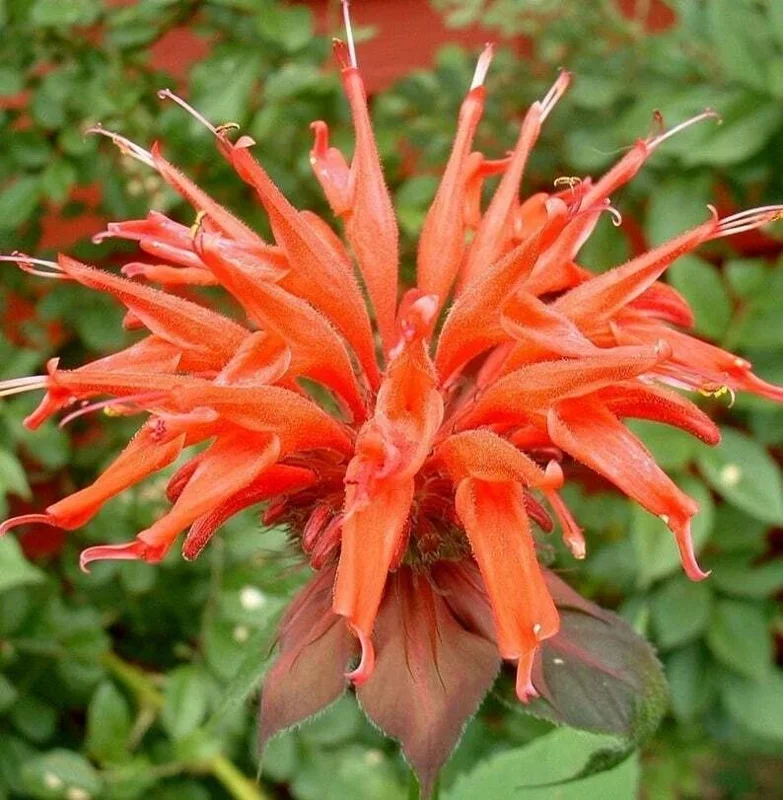
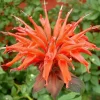
- Vibrant Orange Blooms: Enjoy spectacular, fiery orange flowers that create a dramatic focal point. The unique, shaggy appearance of the blooms adds texture and visual interest to borders and naturalized areas.
- Easy to Grow Perennial: Once established, perennial flower seeds like Bee Balm require minimal care, returning year after year. They are resilient and tolerant of various conditions, making them suitable for gardeners of all skill levels.
- Aromatic Foliage: The leaves emit a pleasant, minty fragrance when crushed or brushed, adding an extra sensory dimension to your garden experience. This natural aroma can also deter some common garden pests.
- North American Native: As a native plant, Bee Balm is well-adapted to North American climates, making it robust and less prone to disease than many non-native species. It thrives naturally in many regions.
- Versatile Garden Use: Ideal for perennial beds, cottage gardens, naturalized areas, and wildlife gardens. Its upright habit and striking color make it a versatile plant for various landscape designs.
- Deer Resistant: The aromatic foliage of Bee Balm tends to deter deer, making it a good choice for gardens in areas where deer browsing is a concern, helping to protect your beautiful blooms.
Plant Care & Growing Tips
Caring for your orange bee balm seeds and subsequent plants is relatively straightforward, ensuring a vibrant display of color and activity in your garden. To start, sow seeds indoors 6-8 weeks before the last frost or directly outdoors after all danger of frost has passed. Lightly cover the seeds with soil, as they need some light to germinate. Maintain consistent moisture during germination, which typically takes 10-20 days. Once seedlings are established, thin them to about 18-24 inches apart to allow for proper air circulation and growth. This spacing is crucial for preventing powdery mildew, a common issue for Monarda. The first step towards a flourishing garden is successfully germinating your monarda didyma seeds.
For established plants, Bee Balm thrives in full sun to partial shade, preferring at least 6 hours of direct sunlight daily for the best blooms. It adapts to a range of soil types but performs best in moist, well-draining soil rich in organic matter. Amend heavy clay soils with compost to improve drainage. Water regularly, especially during dry spells, to keep the soil consistently moist but not waterlogged. Mulching around the base of the plants can help retain soil moisture and suppress weeds. Deadhead spent flowers to encourage continuous blooming and prevent self-seeding if desired. Dividing clumps every 2-3 years in early spring or fall will help maintain plant vigor and prevent overcrowding. With proper care, your perennial flower seeds will yield beautiful, healthy plants.
Bee Balm is generally hardy in USDA Zones 4-9. While relatively pest and disease resistant, watch out for powdery mildew, especially in humid conditions or when plants are too crowded. Ensure good air circulation and consider using an organic fungicide if needed. Fertilize lightly in spring with a balanced slow-release fertilizer if your soil is poor, but avoid over-fertilization, which can lead to lush foliage but fewer flowers. By following these simple guidelines, you’ll enjoy a spectacular display of orange bee balm seeds and attract a host of friendly pollinators to your garden year after year.
Size & Details
Our offering includes 100 Orange Bee Balm Seeds, providing ample opportunity to establish a robust and colorful patch in your garden. These seeds, once germinated, will grow into mature plants typically reaching a height of 2-4 feet (60-120 cm) and spreading about 2-3 feet (60-90 cm) wide. Bee Balm exhibits a moderate to fast growth rate, often producing blooms in its first year from seed if planted early. The plants form attractive clumps that expand gradually over time. Expect the vibrant orange flowers to begin appearing in mid to late summer, typically from July through September, adding a continuous burst of color to your landscape.
The seeds are shipped in a protective packet, ensuring their viability upon arrival. Each seed is small, reflecting the potential for a large, impactful plant. These Monarda didyma seeds are designed for direct sowing or indoor starting, offering flexibility in your gardening approach. With a successful planting, you will enjoy a garden brimming with the dynamic activity of hummingbirds and bees, drawn to the rich nectar of the bright orange blooms. The plant’s mature size makes it an excellent choice for the middle or back of a border, providing height and structure, while its spreading habit fills in gaps beautifully.
Frequently Asked Questions
- Q: How big does this plant get? A: Orange Bee Balm typically grows to a height of 2-4 feet (60-120 cm) and spreads about 2-3 feet (60-90 cm) wide, forming a lovely clump.
- Q: Is this an indoor or outdoor plant? A: While you can start monarda didyma seeds indoors, Bee Balm is primarily an outdoor perennial plant, best suited for garden beds and naturalized areas.
- Q: How much sunlight does it need? A: Bee Balm thrives in full sun to partial shade, ideally receiving at least 6 hours of direct sunlight each day for optimal blooming.
- Q: Is this plant easy to care for? A: Yes, Bee Balm is considered an easy-to-care-for perennial, especially once established. It’s a great choice for both beginner and experienced gardeners.
- Q: What condition will the seeds arrive in? A: The 100 Orange Bee Balm Seeds will arrive in a sealed packet, ensuring they are protected and viable for planting.
- Q: How long until it blooms? A: If planted early in the season, Bee Balm can often produce its first blooms in the first year from seed, typically in mid to late summer.
- Q: Will it survive winter in my zone? A: Orange Bee Balm is hardy in USDA Zones 4-9, meaning it will typically survive winter and return year after year in these regions.
- Q: What types of pollinators do these flowers attract? A: These bee friendly flowers are particularly effective at attracting hummingbirds, various bee species, and butterflies, making your garden a vibrant ecosystem.
- Q: What kind of soil does Bee Balm prefer? A: Bee Balm prefers moist, well-draining soil that is rich in organic matter. It can tolerate a range of soil types but performs best with good drainage.
- Q: Can I use these seeds to create a wildflower meadow? A: Absolutely! These perennial flower seeds are an excellent addition to wildflower meadows and naturalized areas, providing both beauty and ecological benefit.




Reviews
There are no reviews yet.