Overview
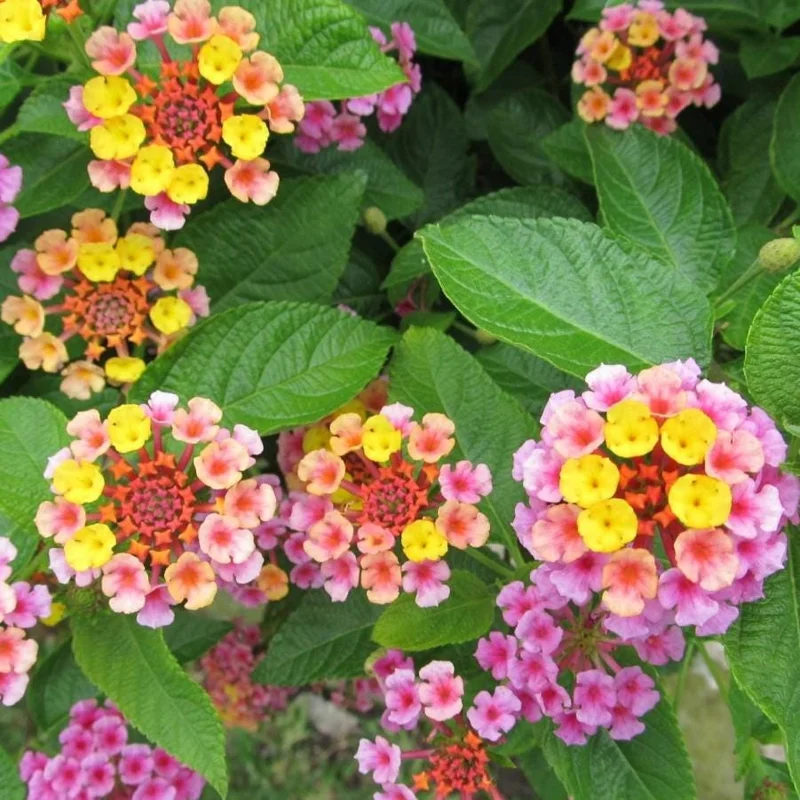
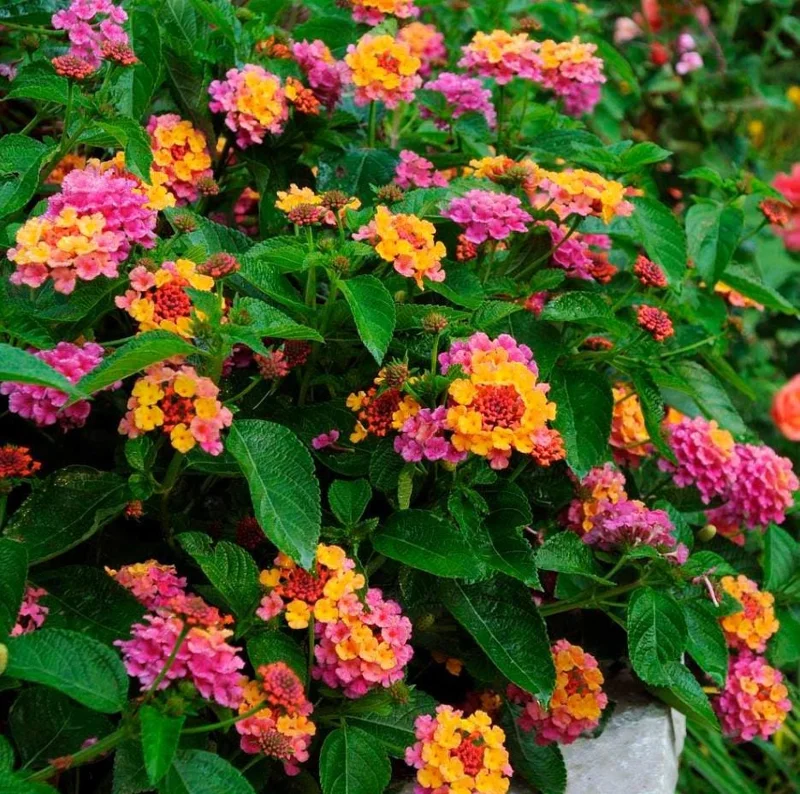
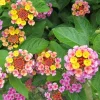
Introduce a burst of continuous color and life into your garden with the stunning Chapel Hill Pink Huff Lantana. This offering includes two live starter plants, each measuring 3-5 inches tall, ready to establish themselves and transform your outdoor spaces. Known for its exceptional cold hardiness and long blooming season, this variety of lantana produces an abundance of vibrant pink and yellow flowers that create a captivating display from spring until frost. As a robust and easy-to-grow perennial, it’s an excellent choice for gardeners seeking both beauty and resilience. The ‘Chapel Hill Pink Huff’ cultivar is celebrated for its ability to thrive in challenging conditions, making it a reliable and rewarding addition to various garden styles.
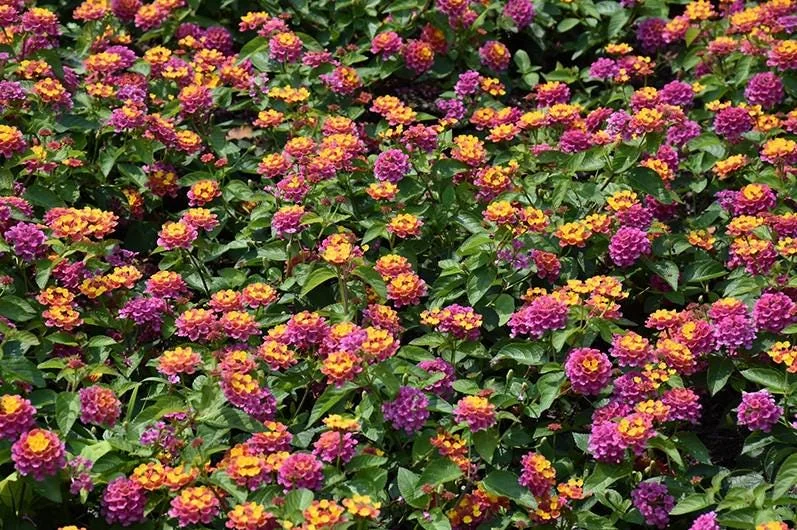
The Chapel Hill Pink Huff Lantana is botanically known by its genus, Lantana, with the specific cultivar ‘Chapel Hill Pink Huff’. Native to tropical and subtropical Americas, this plant has adapted well to many climates, particularly excelling in warmer zones. Its vigorous growth habit makes it an ideal perennial groundcover, quickly filling in spaces with lush foliage and a continuous carpet of blooms. Beyond its aesthetic appeal, this lantana is a favorite among gardeners for its ecological benefits, especially its role in supporting local ecosystems by attracting a wide array of pollinators. Whether you’re an experienced gardener or just starting, this plant offers a low-maintenance solution for high-impact landscaping.
Key Benefits
The Chapel Hill Pink Huff Lantana offers numerous advantages for both your garden and the local environment. Its versatile nature and striking appearance make it a top choice for a variety of landscaping needs. Here are some of the key benefits:
- Vibrant, Long-Lasting Blooms: Enjoy a continuous display of beautiful pink and yellow flowers from spring through fall. The constant bloom cycle ensures your garden remains colorful and lively for an extended period, enhancing curb appeal and providing a cheerful atmosphere.
- Attracts Pollinators: This plant is a magnet for butterflies, bees, and hummingbirds. By planting Chapel Hill Pink Huff Lantana, you contribute to local biodiversity and support essential pollinator populations, making your garden a vibrant hub of activity.
- Exceptional Cold-Hardiness: Unlike many lantana varieties, ‘Chapel Hill Pink Huff’ is remarkably cold-hardy, thriving as a perennial in USDA Zones 7–11. This means it can withstand cooler temperatures and return year after year, offering reliable beauty with minimal effort.
- Drought and Heat Tolerant: Once established, this cold-hardy lantana is highly resistant to drought and extreme heat. This makes it an ideal choice for xeriscaping or gardens in hot, dry climates, reducing the need for frequent watering and making it a truly low-maintenance option.
- Low Maintenance: This plant is incredibly easy to care for, requiring minimal attention once established. It tolerates poor soils and doesn’t demand constant fuss, allowing you more time to enjoy your garden rather than working in it.
- Versatile Landscaping Use: Perfect for use as a perennial groundcover, in borders, rock gardens, containers, or even hanging baskets. Its spreading habit and continuous blooms make it adaptable to various design schemes, adding texture and color wherever it’s planted.
- Deer Resistant: Lantana is generally disliked by deer, making it a good choice for gardens in areas where deer browsing is a concern. Enjoy your beautiful blooms without worrying about them becoming a deer snack.
Plant Care & Growing Tips
Caring for your Chapel Hill Pink Huff Lantana is straightforward, making it an excellent choice for both novice and experienced gardeners. These plants thrive with minimal intervention once established, but a little care upfront will ensure vigorous growth and abundant blooms. Understanding their specific needs for light, water, and soil will help you cultivate a healthy and beautiful display.
Sunlight Requirements: This cold-hardy lantana absolutely loves the sun. For optimal growth and the most prolific flowering, plant your lantana in a location that receives full sun, meaning at least 6 hours of direct sunlight daily. While it can tolerate partial sun, flowering may be reduced. Ensure it’s placed in a spot where it won’t be shaded by larger plants or structures throughout the day. Ample sunlight is crucial for the vibrant color of the flowers and the overall health of the plant.
Watering Schedule and Soil Preferences: When first planting your Chapel Hill Pink Huff Lantana, water moderately to help it establish its root system. Once established, it becomes highly drought-tolerant and requires less frequent watering. Allow the top inch or two of soil to dry out completely between waterings. Overwatering can lead to root rot, so ensuring good drainage is key. This plant is not particular about soil type and can even tolerate poor soils, but it absolutely requires well-drained soil. Amend heavy clay soils with organic matter or sand to improve drainage. A slightly acidic to neutral pH is ideal, but it’s quite adaptable.
Temperature Range and USDA Hardiness Zone: The ‘Chapel Hill Pink Huff’ cultivar is known for being a cold-hardy lantana, making it a perennial in USDA Zones 7–11. In Zone 7, it may benefit from winter protection, such as a thick layer of mulch, to ensure it returns in the spring. In colder zones, it can be grown as an annual. It thrives in warm temperatures and tolerates heat exceptionally well, making it perfect for hot summer climates. Lantana plant care in colder zones primarily involves ensuring adequate protection during winter months or treating it as a seasonal plant.
Fertilization and Pruning: Lantana is not a heavy feeder. A light application of a balanced, slow-release granular fertilizer in spring is usually sufficient to support its growth and flowering throughout the season. Avoid over-fertilizing, as this can lead to more foliage and fewer flowers. Pruning can be done in early spring to shape the plant and encourage bushier growth. Deadheading spent flowers is not strictly necessary as the plant is self-cleaning, but it can encourage even more blooms and prevent seed formation. Regular deadheading can also contribute to a tidier appearance for your perennial groundcover.
Size & Details
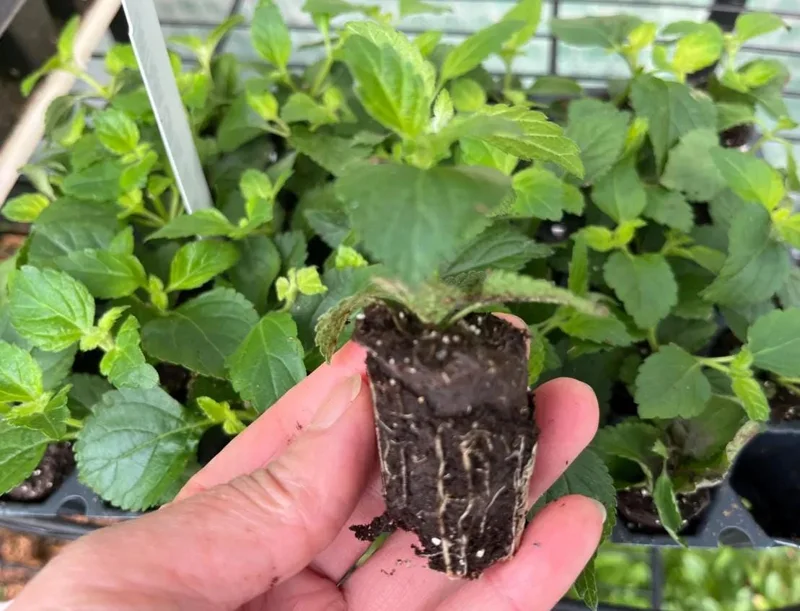
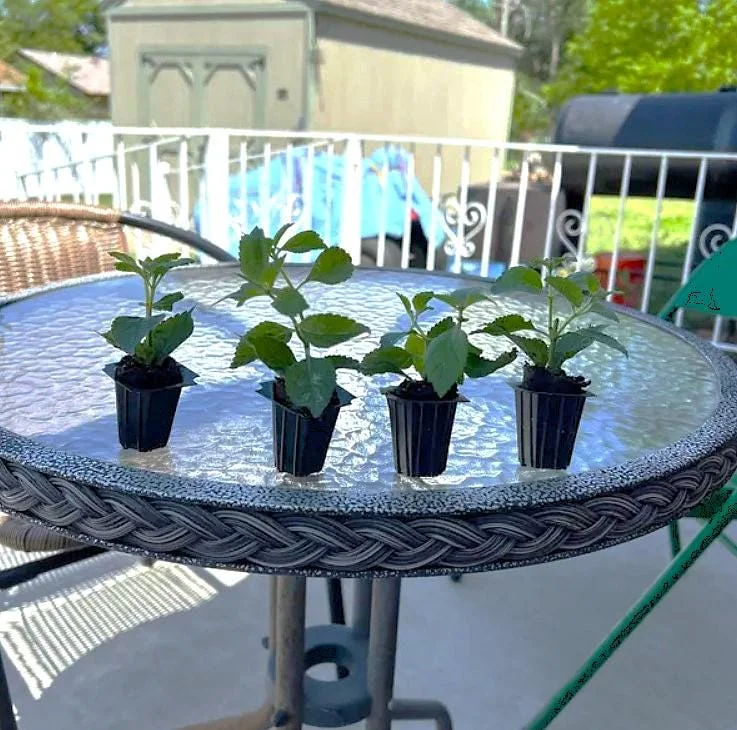
This offering includes two Chapel Hill Pink Huff Lantana starter plants, each typically measuring 3-5 inches tall at the time of shipment. These young plants are an excellent way to begin cultivating this vibrant perennial in your garden. As they mature, these lantanas will develop into robust, spreading plants, making them an ideal perennial groundcover. Expect a moderate to fast growth rate, quickly filling out their designated space.
The mature size of the Chapel Hill Pink Huff Lantana generally reaches 12-18 inches in height with a spread of 18-24 inches, forming a dense, low-growing mound of foliage and flowers. The plants are shipped in plug form or small nursery pots, carefully packaged to ensure their safe arrival. With proper lantana plant care, you can expect these starter plants to establish quickly and begin blooming profusely in their first growing season, providing continuous color and attracting pollinators to your garden. These plants are designed for outdoor use and will thrive in a sunny garden spot.
Frequently Asked Questions
- Q: How big does this plant get? A: The Chapel Hill Pink Huff Lantana typically grows to a height of 12-18 inches and can spread 18-24 inches wide, forming a beautiful, mounding groundcover. These starter plants are 3-5 inches tall upon arrival.
- Q: Is this an indoor or outdoor plant? A: This is primarily an outdoor plant, best suited for gardens as a perennial groundcover. While some lantanas can be overwintered indoors in containers, this variety is known for its outdoor cold-hardiness.
- Q: How much sunlight does it need? A: For the best blooms and strongest growth, your Chapel Hill Pink Huff Lantana requires full sun, meaning at least 6 hours of direct sunlight per day.
- Q: Is this plant easy to care for? A: Yes, this is a very low-maintenance plant once established. It’s drought-tolerant, heat-tolerant, and generally pest-free, making lantana plant care quite simple even for beginners.
- Q: What condition will it arrive in? A: Your Chapel Hill Pink Huff Lantana starter plants will arrive carefully packaged, typically in plug form or small nursery pots, ready for planting. Some minor leaf yellowing or wilting during transit is normal and they will recover quickly.
- Q: How long until it blooms? A: With good growing conditions, these starter plants can begin to produce their vibrant pink and yellow flowers in their first growing season, often within a few weeks to a couple of months after planting.
- Q: Will it survive winter in my zone? A: The cold-hardy lantana is perennial in USDA Zones 7–11. In Zone 7, it may benefit from winter protection like mulching. In colder zones, it is typically grown as an annual.
- Q: Is this plant good for attracting pollinators? A: Absolutely! The vibrant flowers of the Chapel Hill Pink Huff Lantana are a fantastic attractant for butterflies, bees, and hummingbirds, making it an excellent choice for a pollinator friendly plants garden.
- Q: What kind of soil does it need? A: This lantana thrives in well-drained soil and is tolerant of various soil types, including poor soils. Good drainage is the most critical factor to prevent root issues.
- Q: When is the best time to plant? A: The best time to plant your Chapel Hill Pink Huff Lantana is in spring after the last frost, allowing it ample time to establish before the heat of summer.




Reviews
There are no reviews yet.