Overview
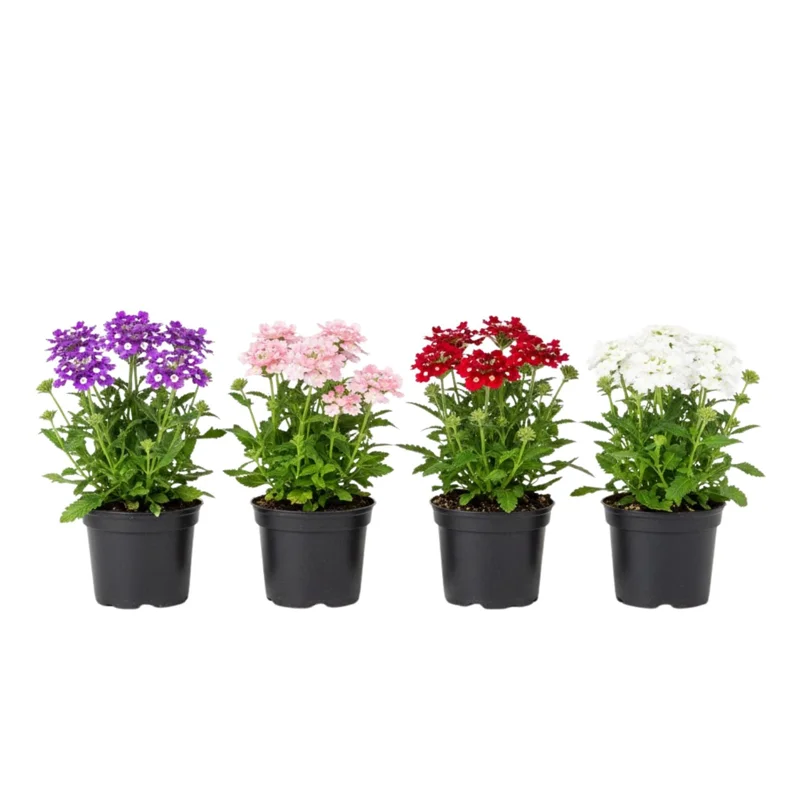
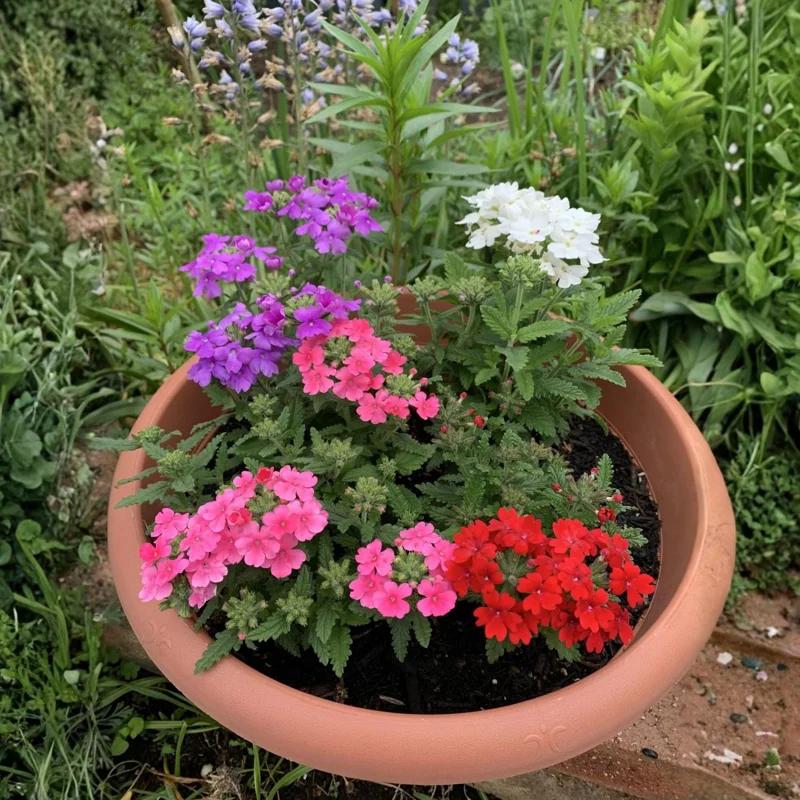
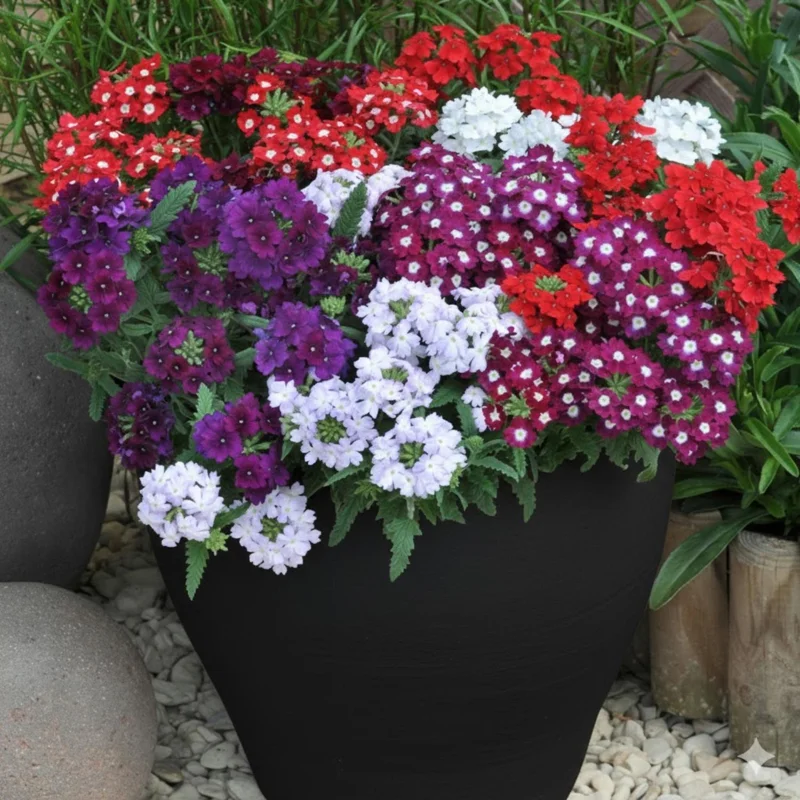
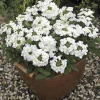
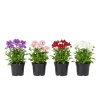
Transform your garden or patio into a vibrant spectacle with our stunning verbena live plant duo. Each order includes two healthy, mixed-color Verbena plants, approximately 4-7 inches tall, ready to brighten your outdoor spaces. Verbena, scientifically known as Verbena x hybrida, is a highly popular flowering plant cherished for its prolific blooming habit and cheerful clusters of small, colorful flowers. These adaptable plants are perfect for adding continuous color to borders, rock gardens, hanging baskets, or sunny containers, ensuring a lively display throughout the warmer months. Whether you’re an experienced gardener or just starting, these beautiful plants offer an easy way to achieve a professional-looking landscape.
Known for their resilience and long blooming season, these mixed verbena flowers will provide an explosion of color from spring through fall, depending on your climate. They are a fantastic choice for attracting pollinators like butterflies to your garden, enhancing its ecological diversity. Our Verbena plants are carefully nurtured to ensure they arrive healthy and ready to thrive in their new home, making them an excellent addition to any outdoor living area. Discover the joy of continuous blooms and easy care with these delightful flowering plants.
Key Benefits
Our verbena live plant offers numerous advantages for both novice and experienced gardeners, making it a stellar choice for adding color and life to your outdoor environment. These benefits extend beyond just their beautiful appearance:
- Long-Lasting Blooms: Enjoy a spectacular display of vibrant, mixed-color flowers from spring all the way through fall, providing extended seasonal interest in your garden or on your patio. This extended bloom time ensures your garden remains colorful for months.
- Attracts Pollinators: The cheerful flowers are a magnet for butterflies, bees, and other beneficial pollinators, helping to support local ecosystems and improve the health of your garden. Watching the pollinators visit is an added delight.
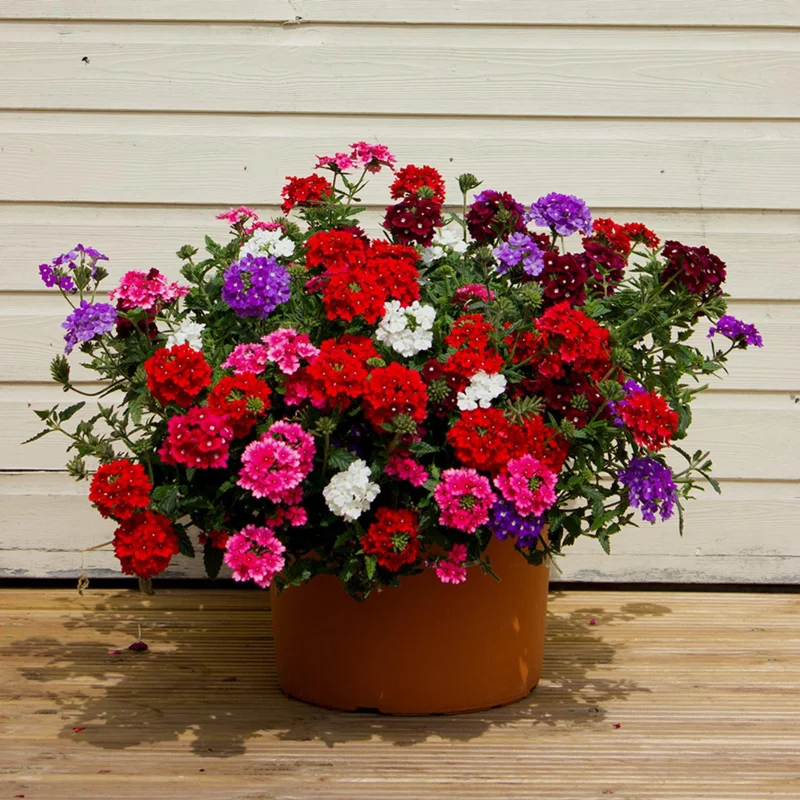
- Versatile Landscaping: Verbena’s mounding or trailing growth habit makes it incredibly versatile. It’s perfect for ground cover, spilling over the edges of hanging baskets, brightening window boxes, or filling out garden beds.
- Low Maintenance: This adaptable plant requires minimal fuss once established. It’s known for its drought tolerance and general hardiness, making it an excellent choice for busy gardeners or those new to plant care.
- Drought Tolerant: Once established, Verbena can tolerate periods of dry weather, making it a water-efficient choice for gardens in various climates. This resilience helps save water and reduces the need for constant watering.
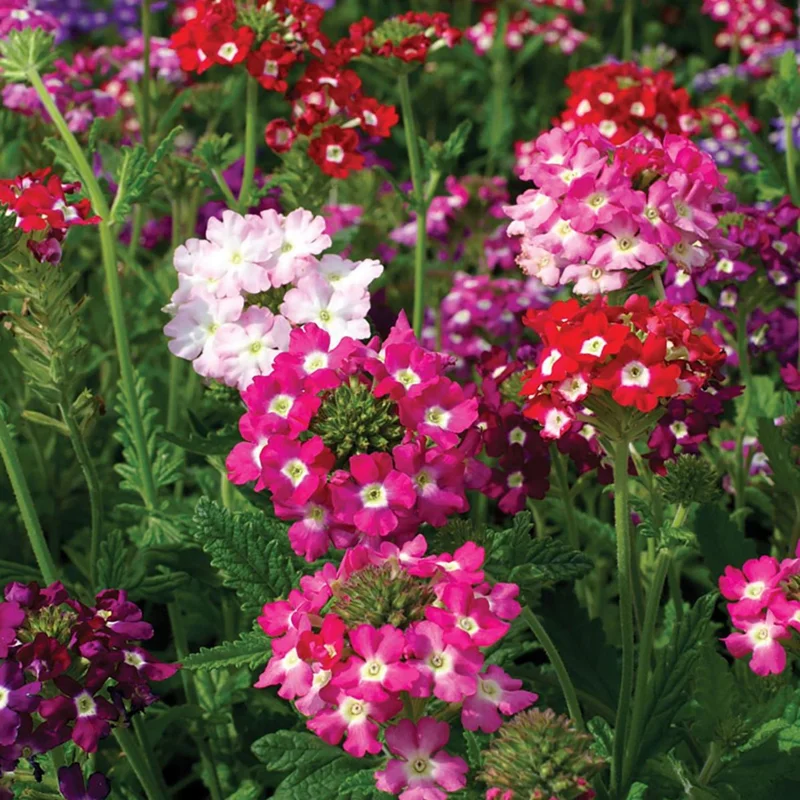
- Vibrant Mixed Colors: Receive two plants with a beautiful mix of colors, adding dynamic visual appeal and ensuring a diverse and eye-catching display in your garden. The variety in hues creates a stunning tapestry.
- Excellent for Containers: Its compact size and trailing nature make it an ideal verbena for containers, allowing you to easily move and arrange your floral displays on patios, balconies, or decks.
Plant Care & Growing Tips
Caring for your verbena live plant is straightforward, ensuring a long season of beautiful blooms with minimal effort. Verbena thrives in conditions that mimic its natural habitat. For optimal growth and flowering, plant your Verbena in a location that receives full sun, meaning at least six hours of direct sunlight per day. Adequate sunlight is crucial for prolific blooming and preventing leggy growth. If planted in too much shade, the plant may produce fewer flowers and become more susceptible to powdery mildew. These plants are excellent as an outdoor flowering plant, thriving in the warmth and light of your garden.
When it comes to watering, Verbena prefers moderate moisture levels and well-draining soil. Allow the top inch or two of soil to dry out completely between waterings to prevent root rot, which is a common issue for many flowering plants. Overwatering can be detrimental, so ensure your soil or potting mix drains freely. A good quality, general-purpose potting mix or garden soil amended with compost will provide the ideal environment. For soil that retains too much moisture, consider adding sand or perlite to improve drainage. Understanding proper verbena plant care is key to a flourishing display.
Verbena is generally hardy in USDA zones 9-11 as a perennial, but it is often grown as an annual in cooler climates. It prefers warm temperatures and can tolerate heat well. Fertilize lightly every 4-6 weeks during the blooming season with a balanced liquid fertilizer to encourage continuous flowering. Deadheading spent blooms, though not strictly necessary for all varieties, can encourage a bushier growth habit and more flowers. Watch out for common pests like aphids and spider mites, and treat with insecticidal soap if necessary. With these simple tips, your Verbena will flourish and provide continuous beauty.
Size & Details
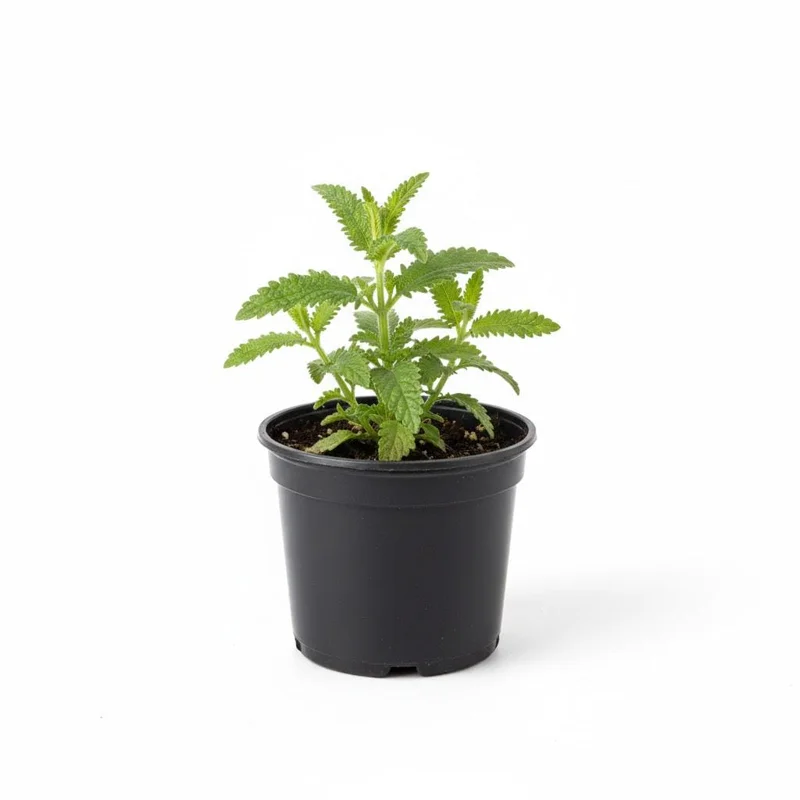
This offering includes two individual verbena live plant specimens, each carefully grown to an approximate height of 4–7 inches, measured from the soil line to the top of the plant. These plants are shipped in a nursery pot, ensuring their roots are well-established and ready for transplanting into your garden beds or chosen containers. The growth habit of Verbena can vary by variety, ranging from mounding forms that create neat, compact displays to trailing types that gracefully cascade over edges, making them perfect for hanging baskets or ground cover. You will receive a mixed selection, offering a dynamic display.
While the exact time to maturity can vary, Verbena typically begins to bloom shortly after planting and will continue to produce flowers throughout its active growing season, which is generally from spring through fall, depending on the local climate and specific conditions. These plants are chosen for their vigor and ability to quickly establish themselves, providing an almost immediate impact in your garden. When considering verbena for containers, ensure the pot has adequate drainage holes to support healthy root development and prevent waterlogging.
Frequently Asked Questions
- Q: How big does this plant get? A: Each verbena live plant will arrive approximately 4-7 inches tall. Its mature size can vary depending on the variety, with some mounding types reaching 12-18 inches in height and spread, while trailing varieties can spread much further.
- Q: Is this an indoor or outdoor plant? A: Verbena is primarily an outdoor flowering plant. It thrives in full sun and is best suited for garden beds, borders, containers, or hanging baskets outdoors. It can be brought indoors as an annual in colder climates, but it generally performs best outside.
- Q: How much sunlight does it need? A: For abundant blooms and healthy growth, Verbena requires full sun, which means at least 6 hours of direct sunlight per day. Insufficient light can lead to sparse flowering and leggy growth.
- Q: Is this plant easy to care for? A: Yes, Verbena is known for being a relatively easy-care plant, making it suitable for gardeners of all experience levels. It tolerates drought once established and requires minimal maintenance, especially if you follow basic verbena plant care guidelines.
- Q: What condition will it arrive in? A: Your Verbena plants will arrive healthy and well-rooted in their nursery pots, carefully packaged to ensure they withstand transit. They will be ready for immediate planting upon arrival.
- Q: Can I grow mixed verbena flowers in hanging baskets? A: Absolutely! Many Verbena varieties have a beautiful trailing habit that makes them perfect for hanging baskets, window boxes, and containers, where their vibrant blooms can spill over the edges.
- Q: When is the best time to plant Verbena? A: The best time to plant Verbena is after the last danger of frost has passed in spring, once soil temperatures have warmed up. This allows the plant to establish itself before the peak blooming season.
- Q: Will it survive winter in my zone? A: Verbena is typically perennial in USDA Zones 9-11. In colder zones, it is usually grown as an annual and will not survive winter outdoors. You can try to overwinter it indoors in a sunny spot, but it’s often easier to replant each spring.
- Q: What kind of soil does Verbena prefer? A: Verbena prefers well-draining soil, whether in the ground or in containers. A good quality potting mix amended with compost works well. Avoid heavy, waterlogged soils to prevent root rot.
- Q: How often should I water my Verbena? A: Water moderately, allowing the top inch or two of soil to dry out completely between waterings. Verbena is somewhat drought-tolerant once established, so it’s better to underwater slightly than to overwater.



Reviews
There are no reviews yet.