Overview
Cultivate your own nutritional powerhouse with this pack of 20 moringa seeds. Often referred to as the ‘Miracle Tree’ or drumstick tree seeds, Moringa oleifera is celebrated worldwide for its incredibly nutrient-dense leaves. These fast-growing seeds allow you to easily establish your own source of this remarkable plant, which thrives in various warm climates. The moringa tree is not only a beautiful addition to any garden but also a practical one, providing a continuous harvest of leaves that can be used in countless ways, from culinary delights to health-boosting teas. Discover the joy of growing your own superfood and harness the widespread moringa plant benefits right from your backyard.
The moringa tree is also known by common names such as the horseradish tree, ben oil tree, or clarifier tree, reflecting its diverse uses and characteristics. These particular moringa seeds are selected for their freshness and viability, ensuring a higher success rate for your gardening efforts. Whether you’re an experienced gardener or a novice, growing moringa from seed is a rewarding experience that yields significant returns in terms of health and sustainability.
Key Benefits
Growing your own moringa from these high-quality seeds offers a multitude of advantages, making it a valuable addition to any home garden. The leaves are packed with essential vitamins and minerals, providing a natural boost to your diet.
- Nutrient-Rich Superfood: Moringa leaves are an excellent source of vitamins A, C, E, and K, as well as calcium, potassium, and protein. Incorporating them into your diet can significantly enhance your nutritional intake, contributing to overall well-being.
- Fast-Growing & Productive: These drumstick tree seeds germinate quickly and grow into mature trees that can be harvested regularly, providing a continuous supply of fresh, edible leaves throughout the growing season. This rapid growth makes it an incredibly efficient plant for food production.
- Versatile Culinary Uses: The fresh moringa leaves can be added to smoothies, salads, soups, curries, and stir-fries. They can also be dried and powdered to create a nutrient-dense supplement for teas or baked goods, offering flexibility in how you consume this superfood.
- Supports Healthy Living: Many proponents of moringa highlight its potential to support a healthy immune system and provide natural energy, aligning with a holistic approach to health. Understanding how to grow moringa means you always have access to these benefits.
- Adaptable & Resilient: Moringa trees are known for their hardiness and ability to thrive in warm, arid conditions once established, making them a sustainable choice for various climates, particularly in USDA zones 9-11.
- Easy to Cultivate: Despite its exotic origins, growing horseradish tree seeds is relatively straightforward. With proper care, even beginner gardeners can successfully grow and harvest this beneficial plant.
Plant Care & Growing Tips
Successfully growing moringa seeds begins with proper germination and establishment. Start your seeds indoors 4-6 weeks before the last frost date in cooler climates, or directly sow them outdoors in warm regions. Plant seeds about 1 inch deep in well-draining soil, spaced at least 6-12 inches apart if you plan to thin them later, or 3-5 feet apart if you intend for them to grow into full trees. Keep the soil consistently moist but not waterlogged during germination, which typically occurs within 1-2 weeks. Moringa thrives in full sun, requiring at least 6-8 hours of direct sunlight daily to ensure robust growth and maximum leaf production.
Once established, moringa trees are quite drought-tolerant but will benefit from regular watering, especially during dry spells. Allow the top inch of soil to dry out between waterings. They prefer well-draining, sandy loam soil with a pH between 6.3 and 7.0. While not heavy feeders, a balanced organic fertilizer can be applied every 2-3 months during the active growing season to encourage lush foliage. Pruning is essential for maintaining a manageable size and encouraging bushier growth for easier leaf harvesting. You can trim back branches to promote new shoots. For those looking to grow moringa for consistent leaf production, regular harvesting of the young, tender leaves is recommended.
Moringa is generally pest-resistant, but keep an eye out for common garden pests like aphids or spider mites, especially in dry conditions. Address any infestations with organic pest control methods. In regions with cold winters, moringa can be grown as an annual or brought indoors to overwinter in containers. Understanding these care requirements will help you maximize the yield from your horseradish tree seeds and enjoy the continuous benefits of fresh moringa.
Size & Details
This offering includes 20 moringa seeds, providing a generous quantity to start your garden or expand your existing collection. Each seed has the potential to grow into a substantial moringa tree, capable of reaching heights of 15-30 feet if left unpruned. However, for leaf production, it’s often best to keep the trees pruned to a more manageable bush size, typically 3-6 feet tall, which encourages more prolific leaf growth. The growth rate is remarkably fast, with young plants often reaching several feet in height within their first year under optimal conditions. Expect your first harvest of edible leaves within 60-90 days of planting.
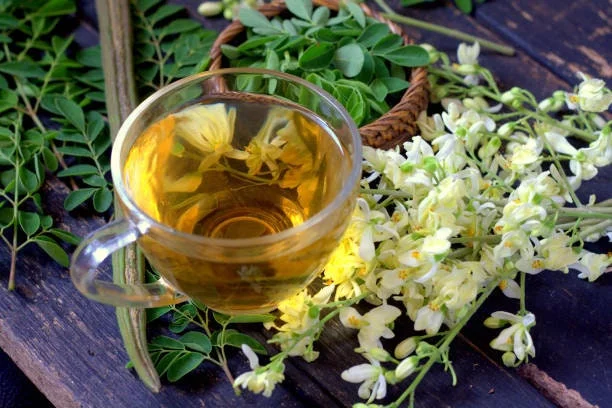
The seeds are typically shipped in a protective packet to ensure their viability upon arrival. Moringa trees are known for their delicate, feathery leaves and small, fragrant, creamy-white flowers that develop into long, slender seed pods, resembling drumsticks. These pods are also edible when young. These drumstick tree seeds are meant for planting and growing, offering a sustainable way to produce your own fresh moringa. With proper care, these seeds will germinate and grow into healthy, productive plants, allowing you to enjoy the full range of moringa plant benefits.
Frequently Asked Questions
- Q: How big does a moringa tree get? A: If left unpruned, a moringa tree can grow quite large, reaching heights of 15-30 feet. However, for easier harvesting of leaves, it is often pruned back to a bush size of 3-6 feet tall.
- Q: Is this an indoor or outdoor plant? A: Moringa thrives outdoors in warm climates (USDA Zones 9-11) with full sun. In colder regions, it can be grown as an annual or brought indoors during winter in a container with ample light.
- Q: How much sunlight does moringa need? A: Moringa requires at least 6-8 hours of direct sunlight per day to grow vigorously and produce abundant leaves. Full sun exposure is ideal for these moringa seeds to flourish.
- Q: Is this plant easy to care for? A: Yes, moringa is generally considered an easy-to-care-for plant, especially once established. It’s drought-tolerant and relatively pest-resistant, making it suitable for beginner gardeners interested in how to grow moringa.
- Q: What condition will the seeds arrive in? A: The 20 moringa seeds will arrive fresh and carefully packaged to ensure their viability and readiness for planting.
- Q: Can I use moringa leaves in cooking? A: Absolutely! Moringa leaves are highly versatile and can be used in a wide variety of dishes, including salads, soups, smoothies, curries, and stir-fries. They can also be dried and powdered.
- Q: When is the best time to plant moringa seeds? A: In warm climates, you can plant moringa seeds directly outdoors after the last frost. In cooler areas, start them indoors 4-6 weeks before the last frost date to give them a head start.
- Q: What are the main uses of the drumstick tree? A: The drumstick tree seeds are primarily grown for their highly nutritious leaves, which are used as a superfood. The young pods (drumsticks) are also edible and used in cooking, particularly in South Asian cuisine.
- Q: What kind of soil does moringa prefer? A: Moringa prefers well-draining, sandy loam soil with a neutral to slightly acidic pH (6.3-7.0). Good drainage is crucial to prevent root rot.
- Q: What are the primary moringa plant benefits? A: The primary benefits include its high nutritional content (vitamins, minerals, protein), fast growth, versatility in culinary uses, and potential to support overall health and well-being.





Reviews
There are no reviews yet.