Overview
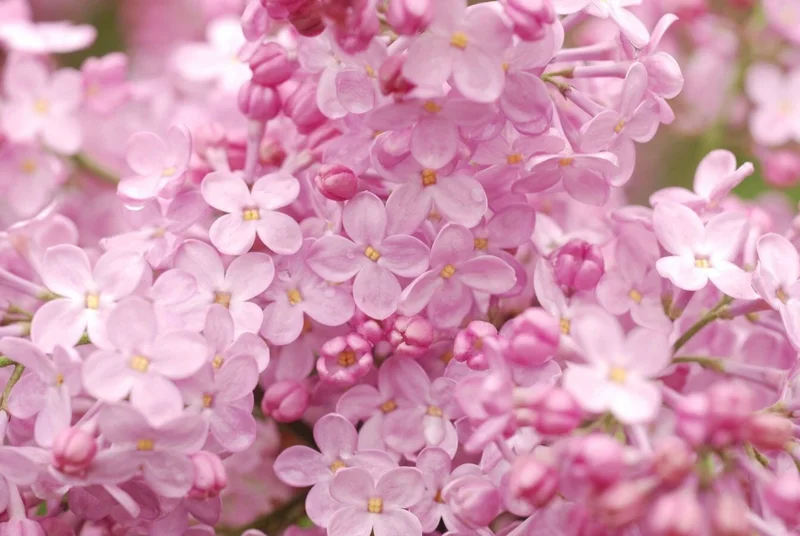
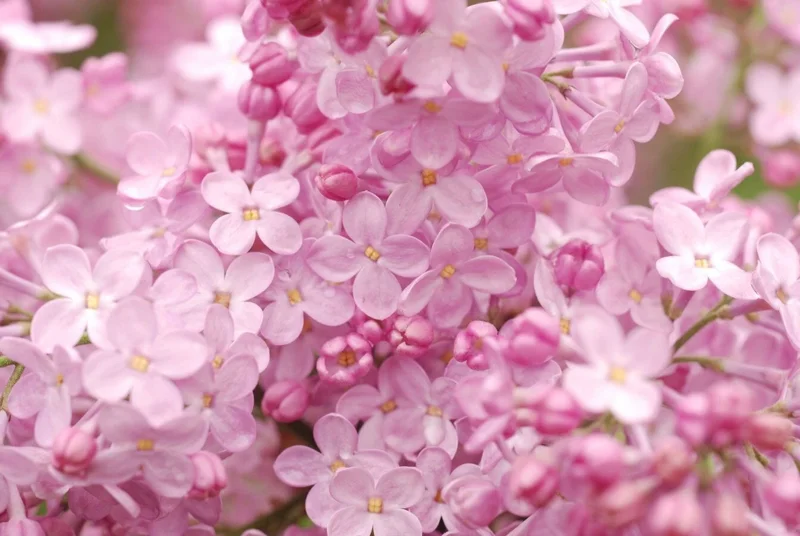
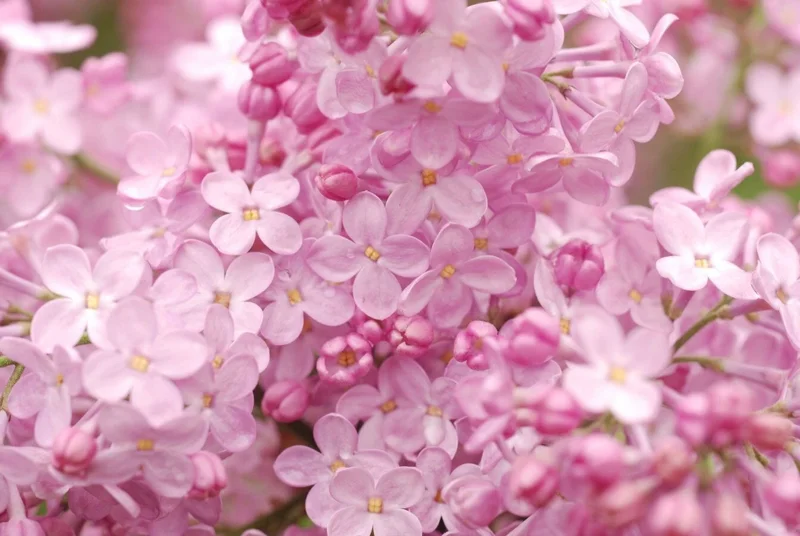
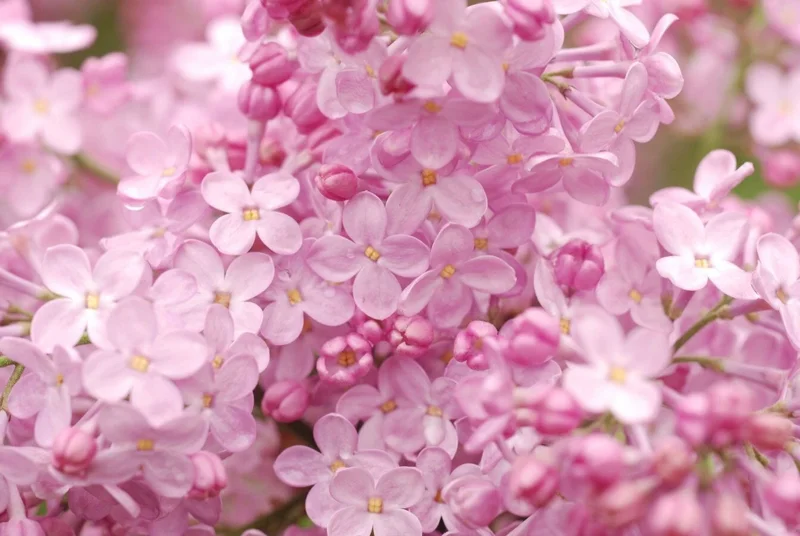
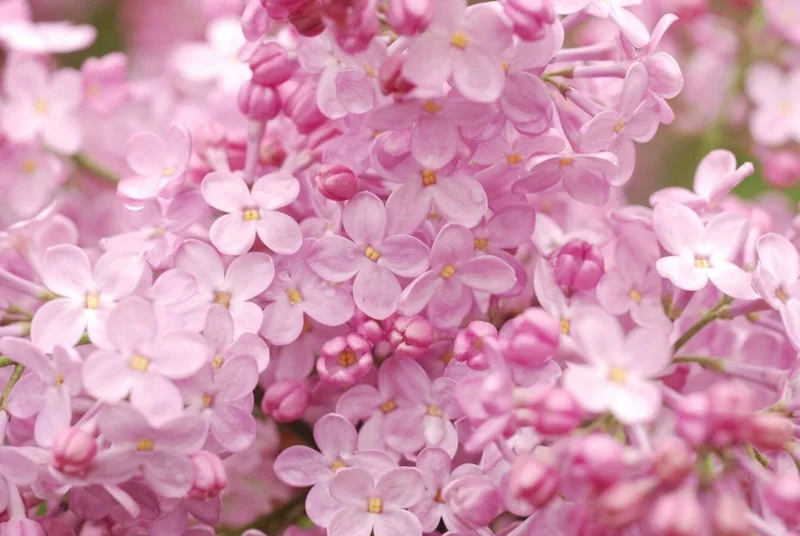
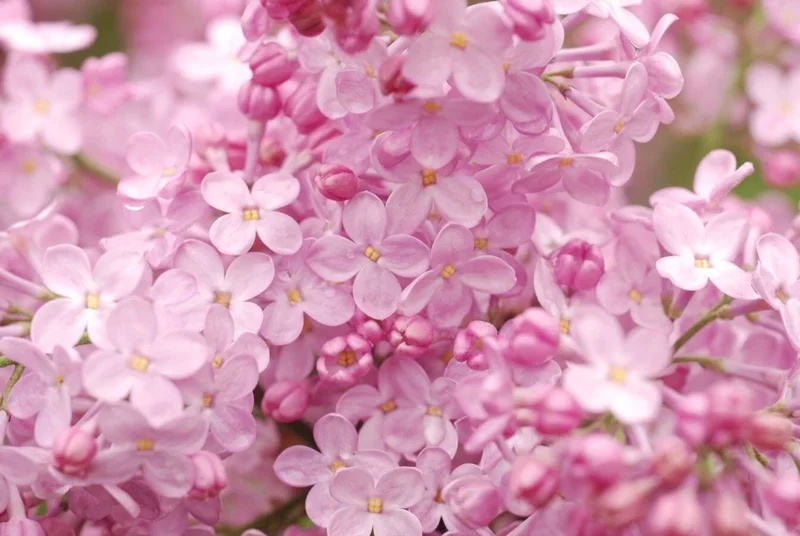
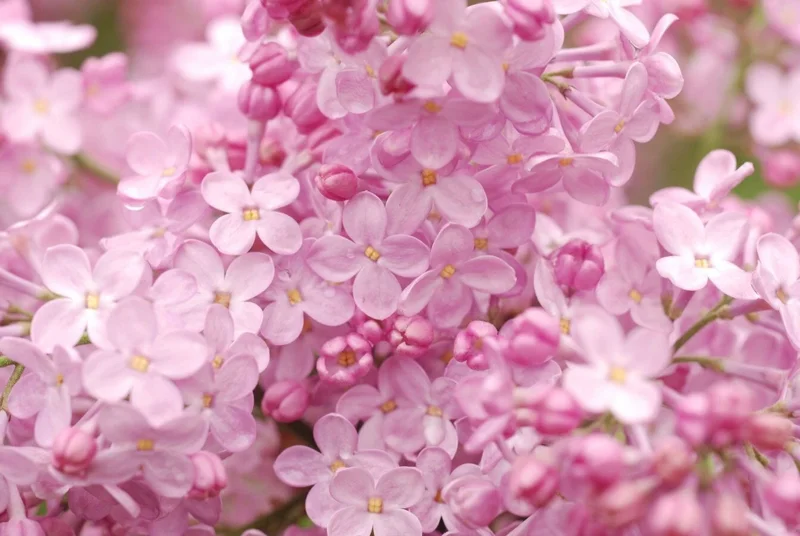
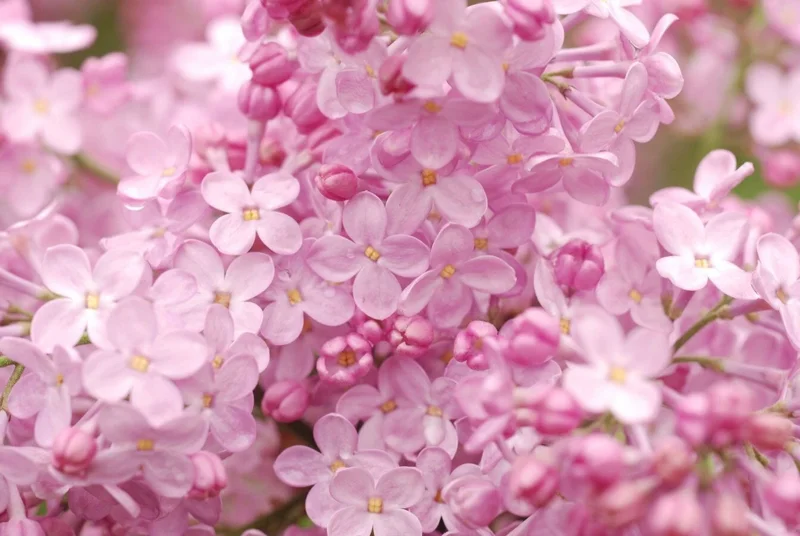
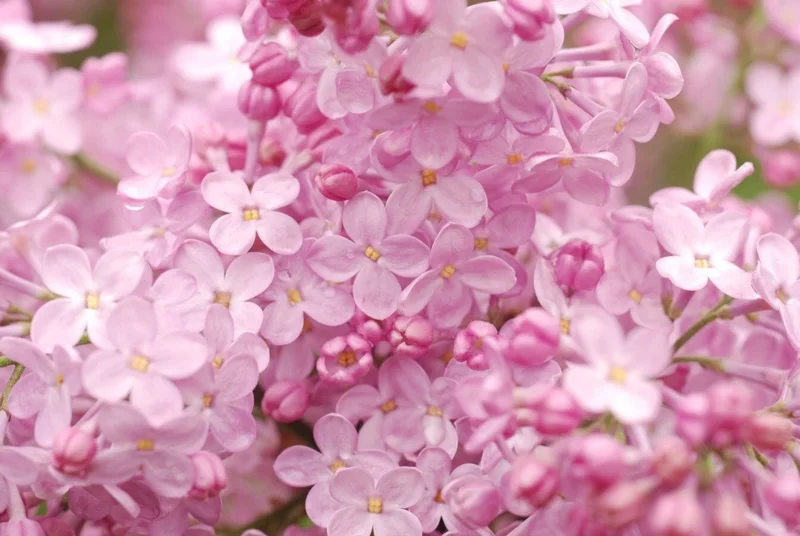
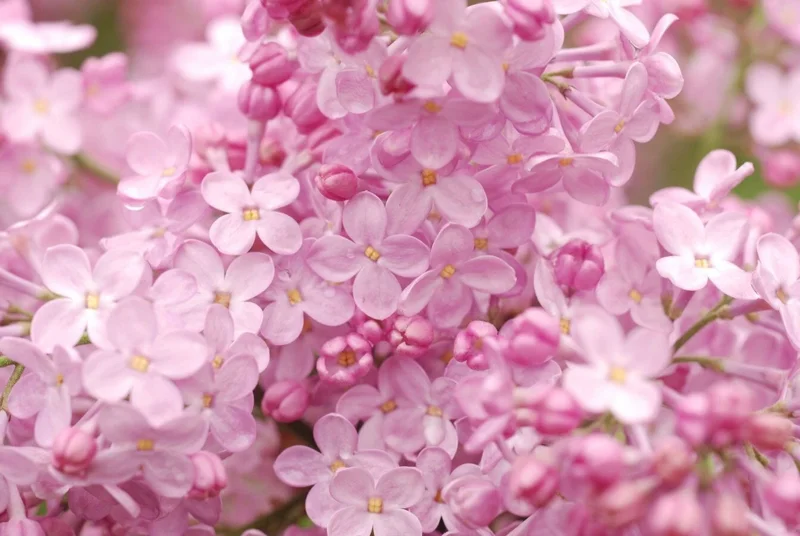
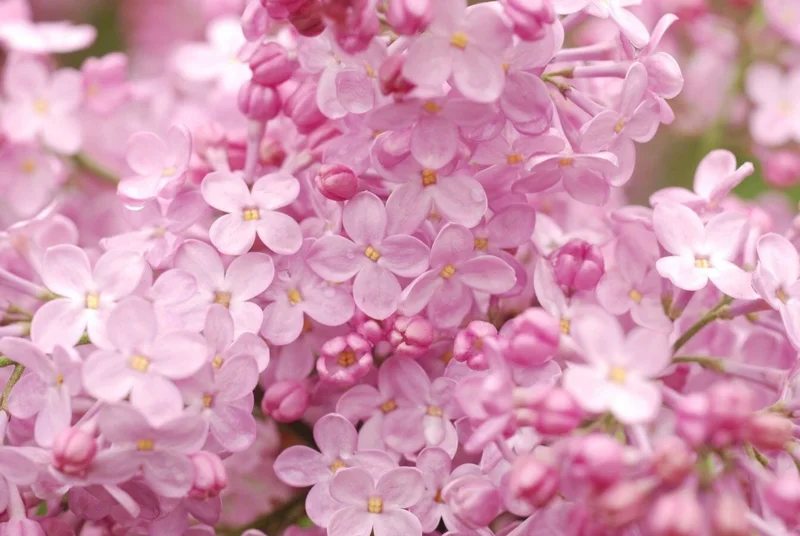
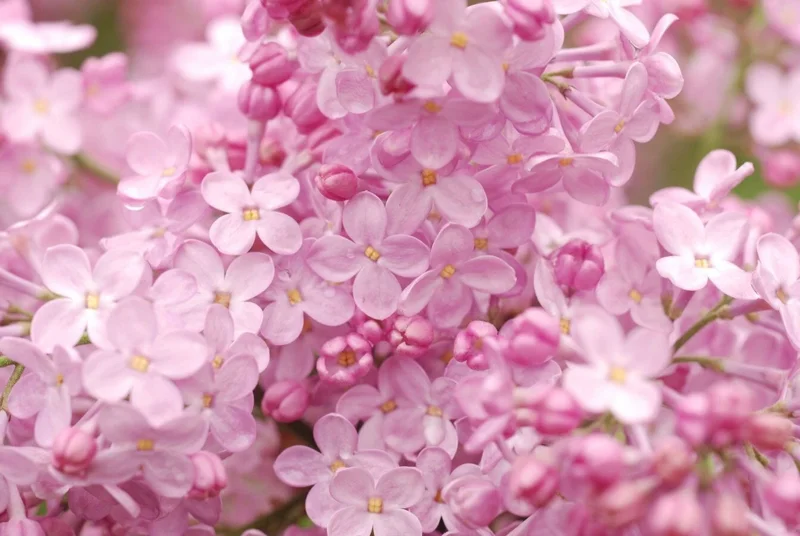
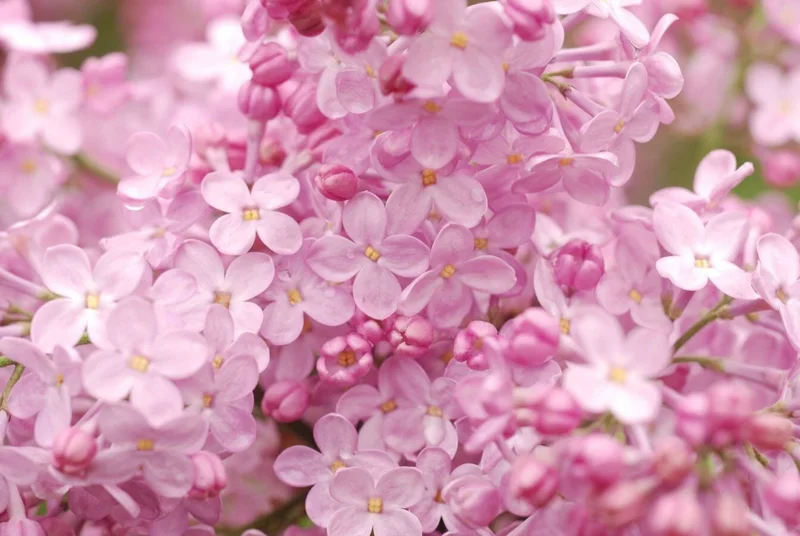
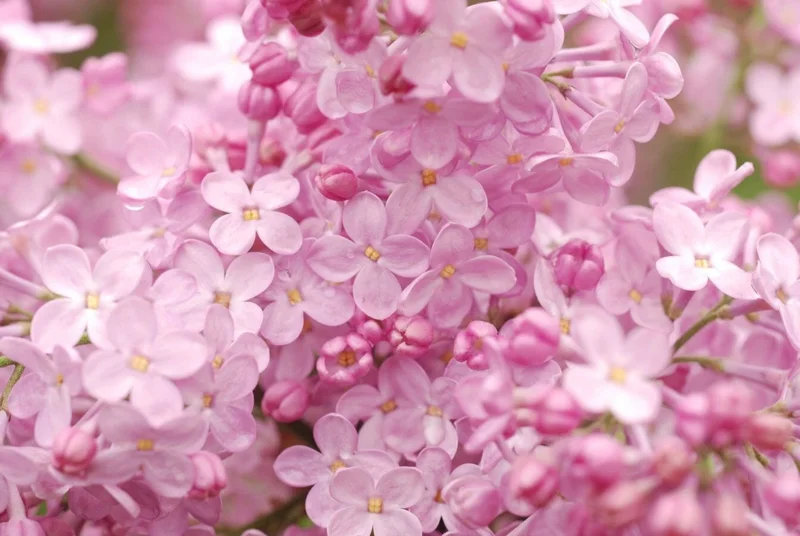
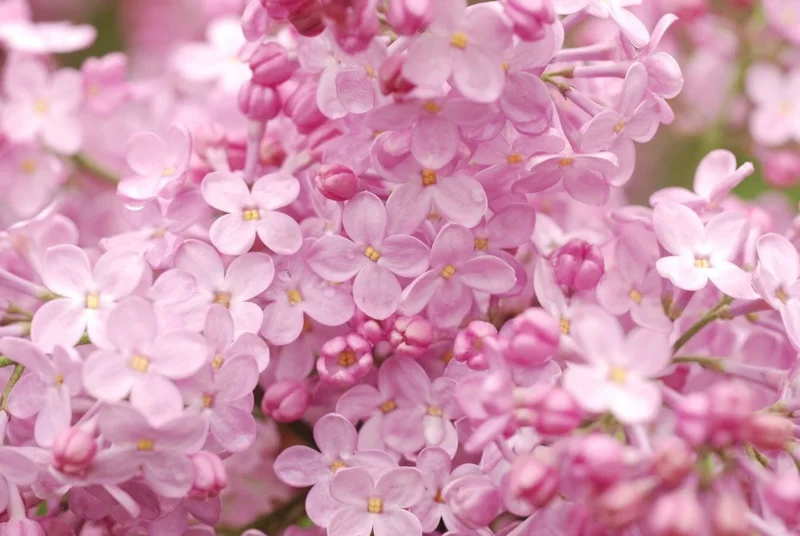
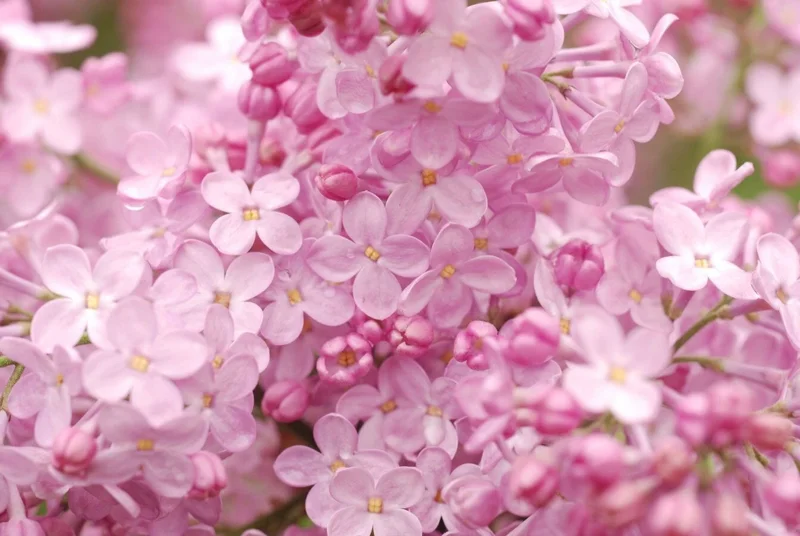
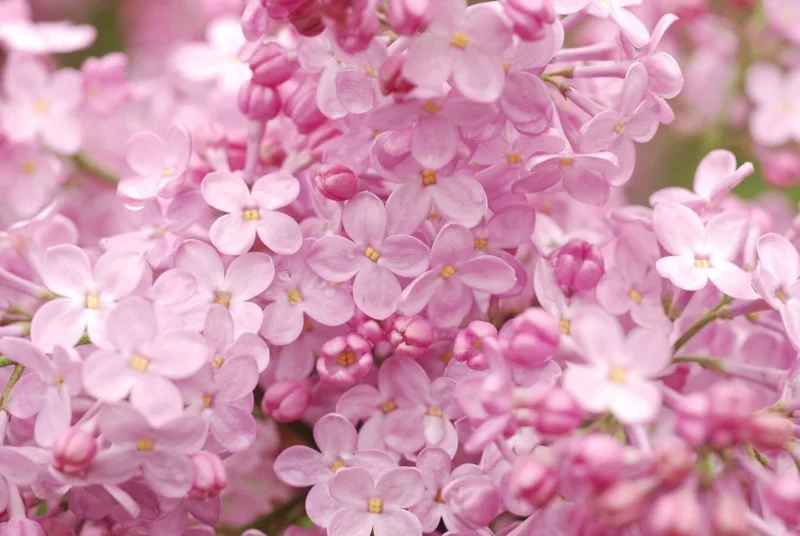
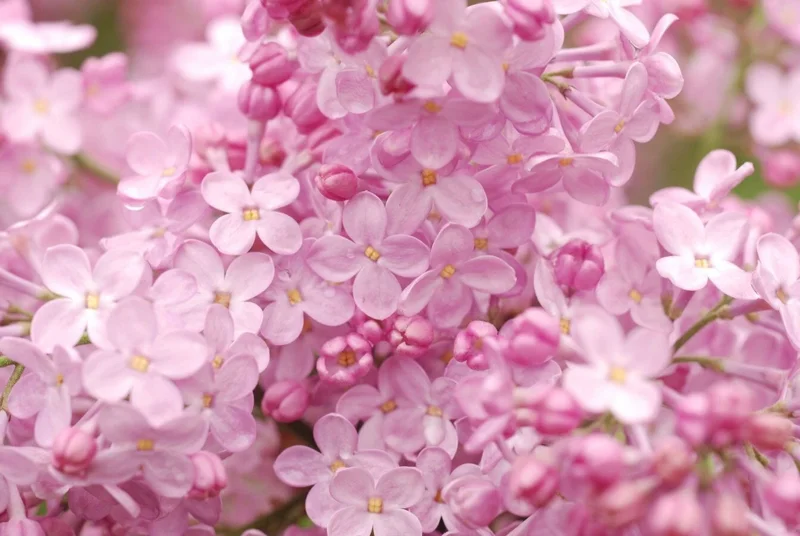
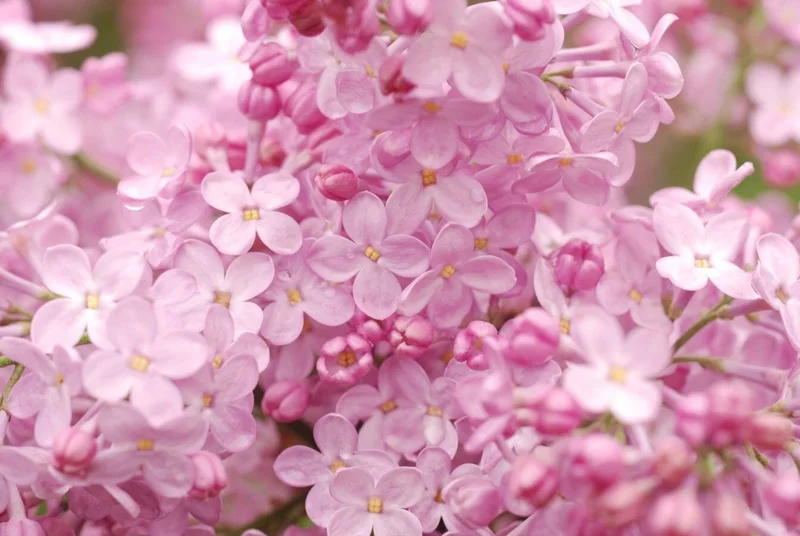
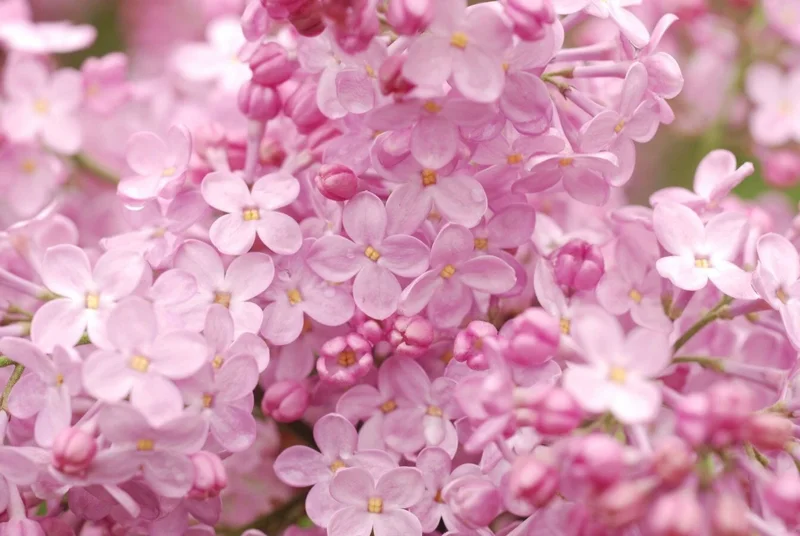
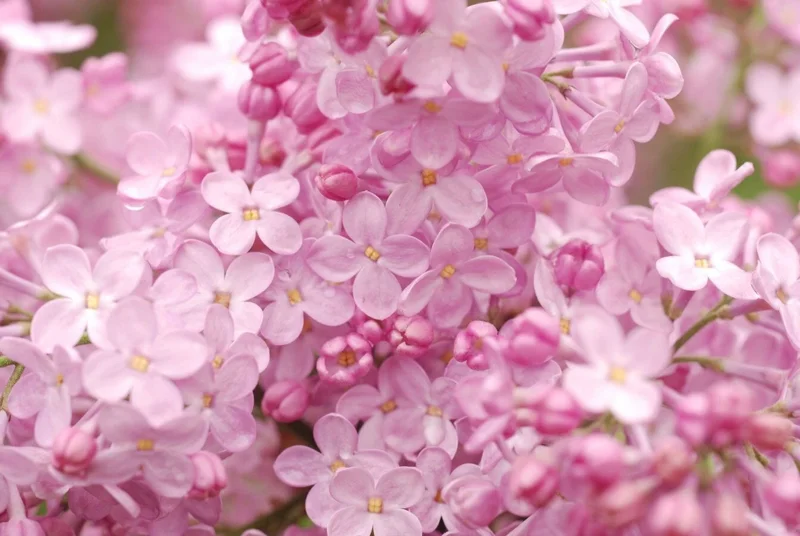
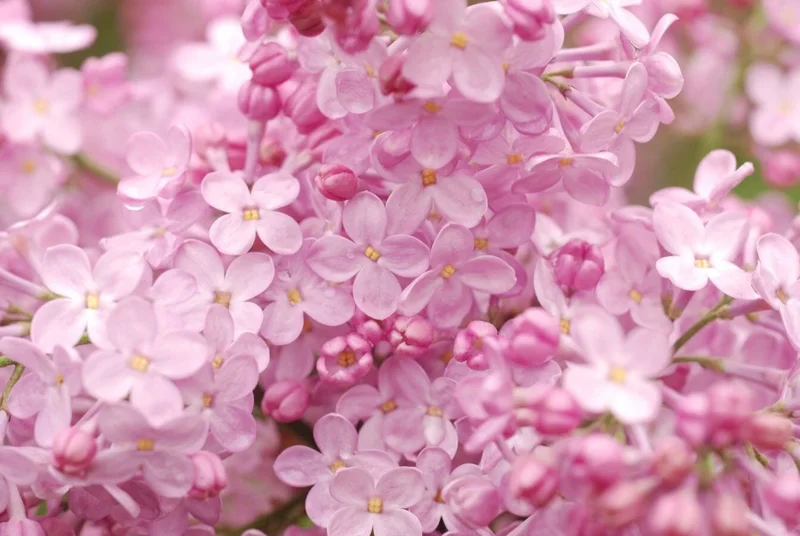
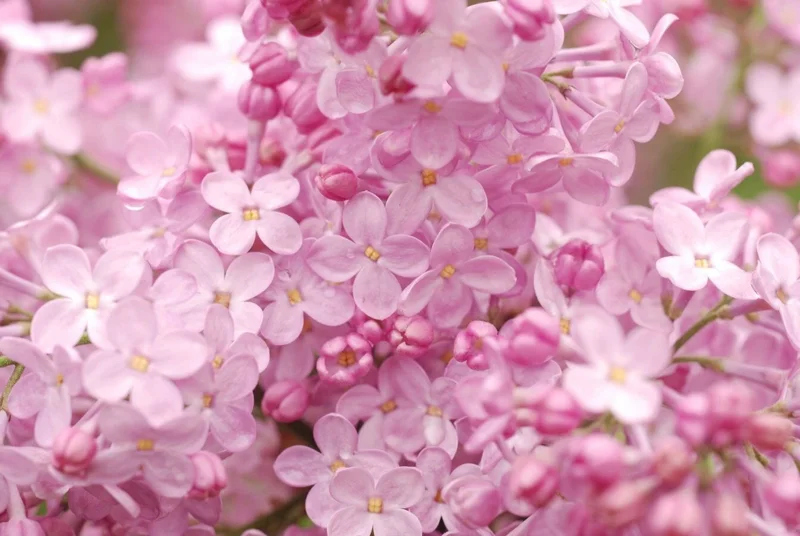
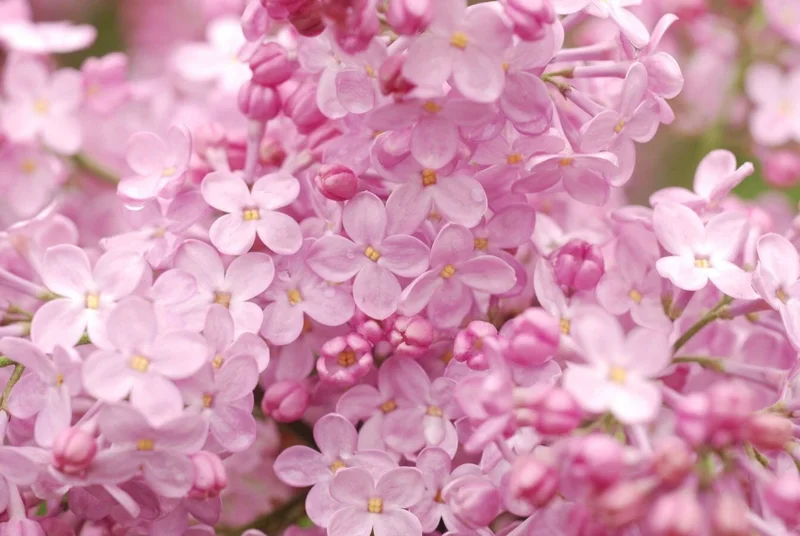
Embark on a rewarding gardening journey with our premium pack of blush lilac tree seeds. Each packet contains 25 high-quality seeds, ready to be nurtured into magnificent trees adorned with fragrant, delicate flowers. Lilacs are beloved for their captivating aroma and clusters of beautiful blooms, signaling the arrival of spring and early summer. These perennial plants offer enduring beauty and a sweet perfume that can transform any outdoor space into a serene and inviting haven. Growing a lilac tree from seed is a fulfilling experience, allowing you to witness its growth from a tiny seed to a majestic flowering specimen. Our blush lilac tree seeds are carefully selected to ensure viability and robust growth, providing you with the best chance for success in cultivating these classic garden favorites.
The lilac, scientifically known as Syringa vulgaris, is a deciduous shrub or small tree celebrated worldwide for its ornamental value. While commonly known for their vibrant purple hues, these blush varieties introduce a softer, enchanting shade to your landscape. They are relatively easy to grow and maintain, making them an excellent choice for both novice and experienced gardeners looking to add a touch of elegance and a delightful scent to their outdoor environments. Imagine the pleasure of stepping into your garden and being greeted by the sweet, memorable fragrance of freshly bloomed lilacs.
Key Benefits
Cultivating blush lilac tree seeds offers a multitude of benefits, enriching your garden and your life with their charm and beauty. These seeds promise to grow into stunning plants that provide joy for many seasons.
- Exquisite Fragrance: Lilacs are renowned for their intensely sweet and captivating perfume, filling your garden with an unforgettable aroma, especially during their spring blooming period.
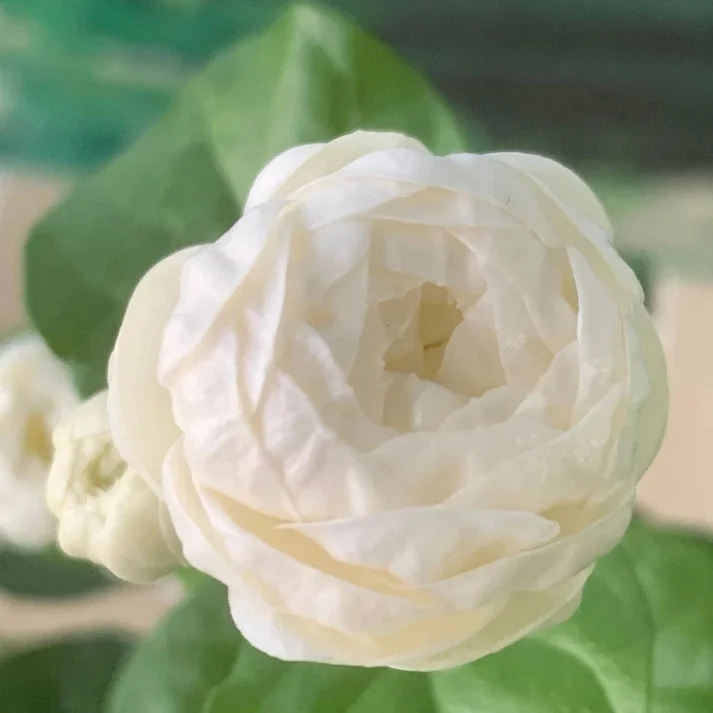
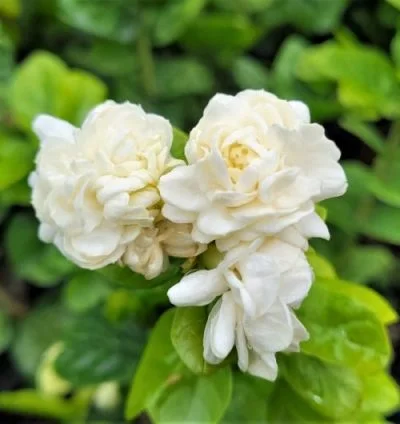
- Stunning Visual Appeal: The soft blush-colored flowers create a picturesque display, adding elegance and a romantic touch to garden beds, borders, or as a standalone specimen.
- Perennial Beauty: As perennial plants, lilac trees return year after year, offering reliable blooms and growth without the need for annual replanting, making them a sustainable choice.
- Attracts Pollinators: The fragrant flowers are a magnet for beneficial pollinators like bees and butterflies, contributing to a healthy and vibrant ecosystem in your garden.
- Low Maintenance: Once established, lilac trees are surprisingly resilient and require minimal care, thriving with basic watering and occasional pruning.
- Versatile Landscaping: Suitable for various garden designs, lilacs can be used as hedges, privacy screens, specimen plants, or incorporated into mixed shrub borders, enhancing curb appeal.
- Long-Lasting Blooms: Enjoy weeks of beautiful blooms in late spring to early summer, providing a prolonged period of color and fragrance in your outdoor living space.
Plant Care & Growing Tips
Successfully growing blush lilac tree seeds requires understanding their specific needs, though they are generally forgiving plants. Start by preparing your seeds through stratification, which mimics winter conditions and encourages germination. Place seeds in a moist paper towel inside a plastic bag and refrigerate for 4-6 weeks. After stratification, sow the seeds about 1/4 inch deep in well-draining seed starting mix. Keep the soil consistently moist but not waterlogged. Germination can be slow and sporadic, so patience is key. Provide ample sunlight for your seedlings once they emerge, ideally 6-8 hours of direct sun per day.
Lilac trees thrive in full sun, meaning at least six hours of direct sunlight daily. While they can tolerate some partial shade, too little sun will result in fewer blooms. They prefer well-draining, fertile soil with a neutral to slightly alkaline pH. If your soil is heavy clay, amend it with organic matter like compost to improve drainage. Water deeply and regularly during the first year of growth to help establish a strong root system. Once established, lilacs are quite drought-tolerant but will benefit from watering during prolonged dry spells. Fertilize in early spring with a balanced slow-release fertilizer or a fertilizer formulated for flowering shrubs to encourage vigorous growth and abundant blooms. Proper pruning is essential for maintaining the shape and vigor of your lilac tree and promoting better flowering. Prune immediately after flowering to avoid cutting off next year’s flower buds.
These hardy plants are generally resistant to most pests and diseases, especially when grown in optimal conditions. Ensure good air circulation around the plant to prevent fungal issues. Monitor for common garden pests like powdery mildew or borers, and address them promptly if observed. Understanding how to grow lilac from seed effectively means providing the right environment from the start. With proper care, your young lilac trees will grow into robust, flowering specimens that will delight you for many years. Consider planting your fragrant lilac seeds in a location where their scent can be fully appreciated, such as near a patio or walkway.
Size & Details
This product includes 25 blush lilac tree seeds, providing a generous quantity to start your lilac garden or expand an existing one. Lilac trees typically grow to a mature height of 8 to 15 feet tall and can spread 6 to 12 feet wide, forming a beautiful, dense shrub or small multi-stemmed tree. The growth rate is moderate, usually adding about 1 to 2 feet per year once established. Our seeds are harvested from healthy, robust parent plants to ensure high viability and desirable characteristics. Expect the first blooms to appear within 3-5 years after planting, with the plant reaching its full splendor in subsequent years.
The seeds are packaged to maintain freshness and viability until planting. Lilac trees are deciduous, meaning they will lose their leaves in the fall and regrow them in the spring. They are known for their resilience and ability to thrive in various climates. With proper care, these trees will provide a spectacular floral display each spring, making them a truly rewarding long-term addition to your landscape. The specific bloom time for these perennial flower seeds is typically late spring to early summer, depending on your local climate and growing conditions.
Frequently Asked Questions
- Q: How big does a lilac tree get from these seeds? A: A lilac tree grown from these blush lilac tree seeds typically reaches a mature height of 8 to 15 feet and a spread of 6 to 12 feet. Its ultimate size can depend on growing conditions and pruning.
- Q: Is this an indoor or outdoor plant? A: Lilac trees are primarily outdoor plants, thriving in full sun and needing ample space to grow. They are not suitable for long-term indoor cultivation.
- Q: How much sunlight do fragrant lilac seeds need to grow? A: Lilac trees require at least 6 hours of direct sunlight per day to produce abundant blooms. Full sun exposure is crucial for their optimal growth and flowering.
- Q: Is this plant easy to care for? A: Yes, once established, lilac trees are relatively easy to care for. They are drought-tolerant and disease-resistant, making them a good choice for gardeners of all experience levels.
- Q: What condition will the seeds arrive in? A: The blush lilac tree seeds will arrive in a sealed packet, carefully protected to ensure their viability and freshness. They are ready for stratification and planting upon arrival.
- Q: How long until the lilac tree blooms from seed? A: It typically takes 3 to 5 years for a lilac tree grown from seed to produce its first blooms. Patience is a virtue when growing these beautiful plants from scratch.
- Q: What’s the best time to plant these perennial flower seeds? A: After stratification, the best time to plant lilac seeds is in late winter or early spring, allowing them to establish before the heat of summer.
- Q: Can I use the blooms for cut flowers? A: Absolutely! Lilac blooms make excellent cut flowers, bringing their delightful fragrance and beauty indoors. Cut them in the morning for the longest vase life.
- Q: What USDA zones are suitable for lilac trees? A: Lilac trees are very hardy and generally thrive in USDA Hardiness Zones 3 through 7. Some varieties may tolerate zones 2 or 8.
- Q: Do I need to stratify these seeds? A: Yes, cold stratification is highly recommended for blush lilac tree seeds to break dormancy and significantly improve germination rates.







Reviews
There are no reviews yet.