Overview
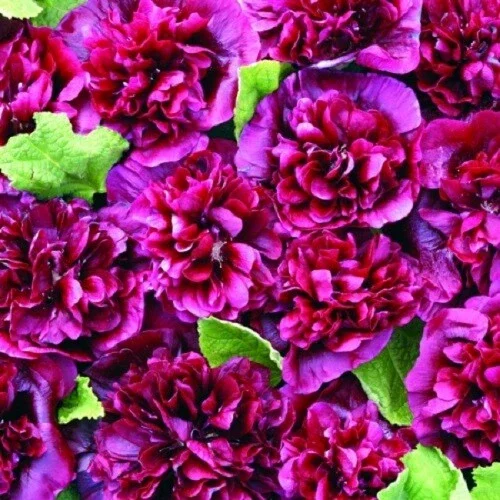
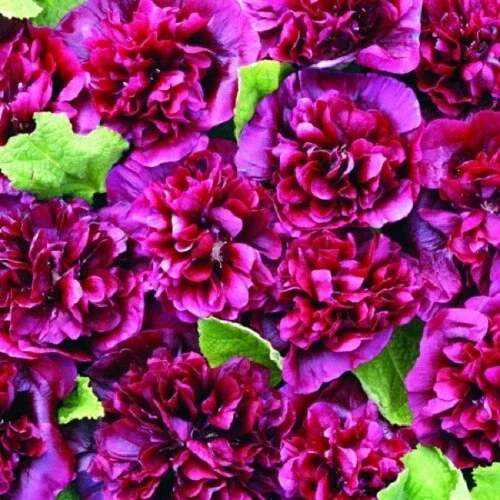
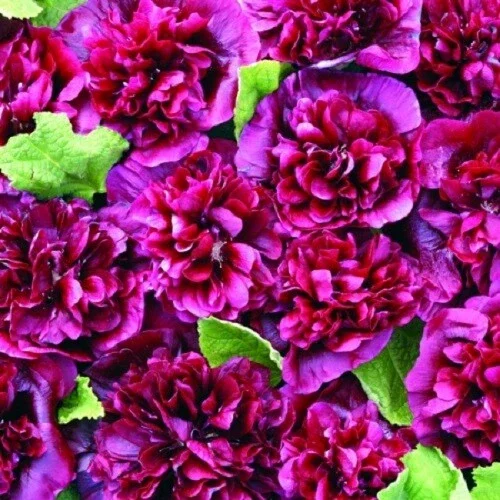
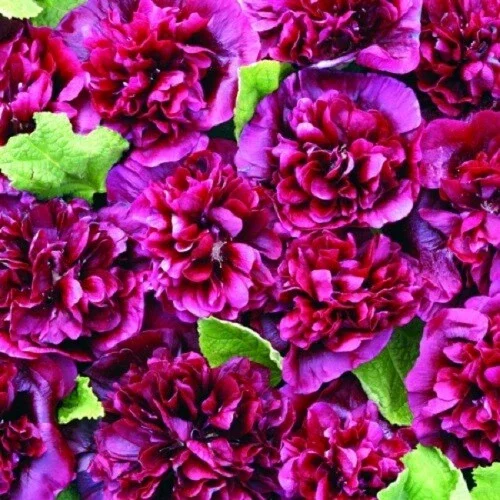
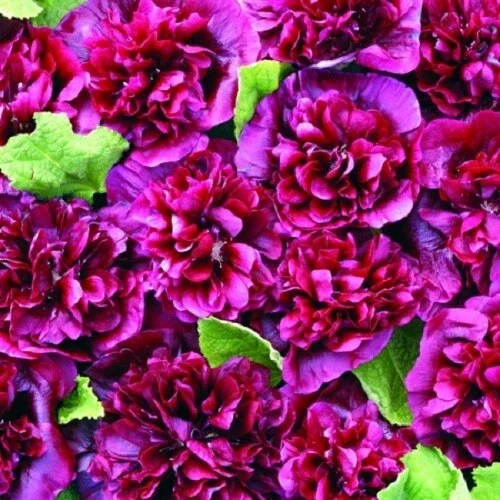
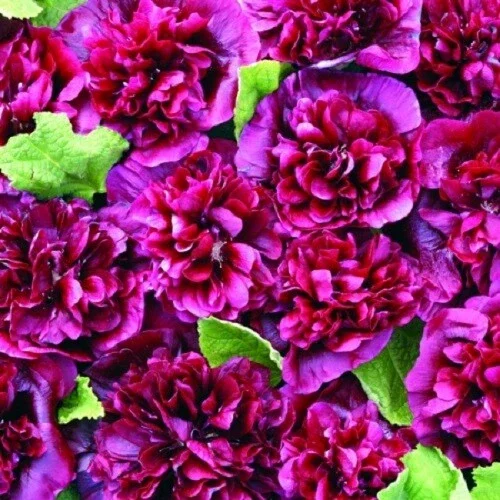
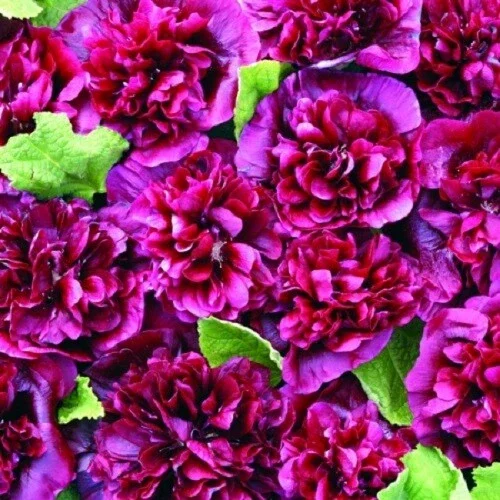
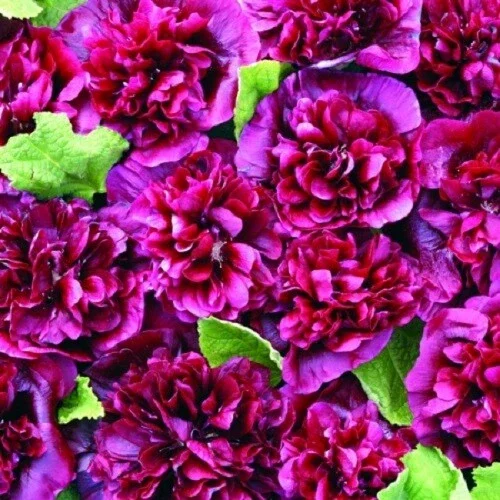
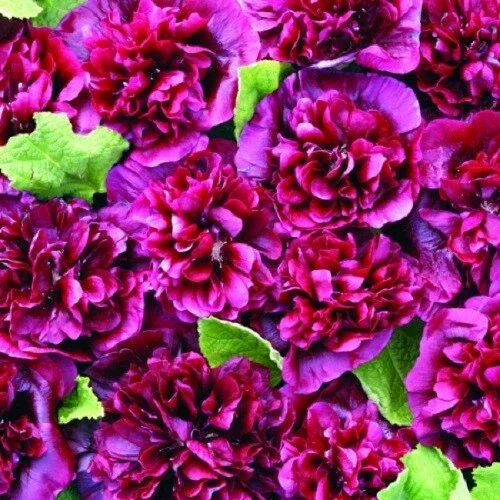
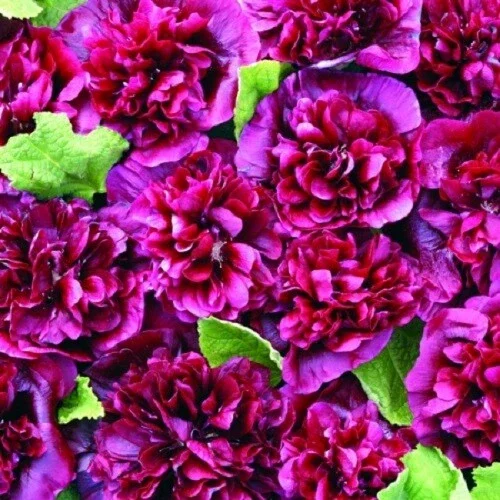
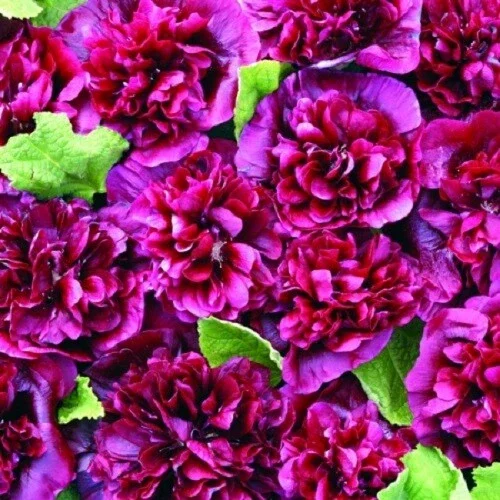
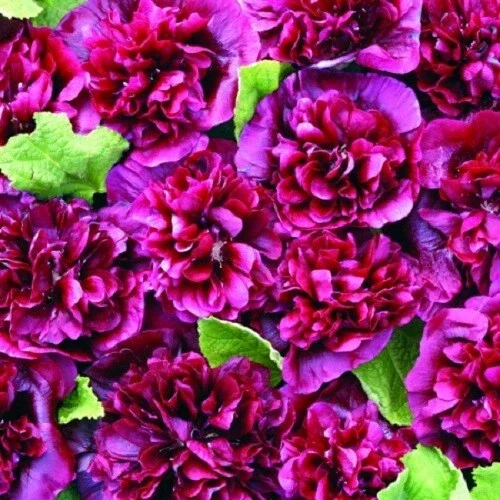
Transform your garden into a captivating display of rich, dark hues with our premium double blackberry hollyhock seeds. Each packet contains 25 Double Blackberry Hollyhock Seeds, providing ample opportunity to cultivate these magnificent perennial flowers. Known botanically as Alcea rosea, hollyhocks are cherished for their towering flower stalks and showy blooms, making them a dramatic focal point in any landscape. The ‘Double Blackberry’ variety is particularly striking, featuring layers of deep, velvety purple petals that resemble a lush, ripe blackberry. These robust plants are a classic cottage garden favorite, bringing an old-world charm and a touch of elegance to borders, fences, and garden walls. Growing perennial hollyhock seeds is a rewarding experience, as these plants return year after year, offering a reliable source of beauty and attracting pollinators.
Our alcea rosea seeds are carefully selected to ensure high germination rates and vigorous growth. Hollyhocks are biennials or short-lived perennials, often reseeding themselves to create a continuous cycle of bloom. The ‘Double Blackberry’ cultivar stands out with its densely packed, double-form flowers, which are more resilient to weather conditions than their single-petaled counterparts. These seeds are perfect for gardeners looking to introduce strong vertical elements and rich color into their planting schemes. Whether you’re a seasoned gardener or just starting, these double blackberry hollyhock seeds offer an accessible way to grow truly spectacular flowers.
Key Benefits
Planting double blackberry hollyhock seeds offers numerous advantages for enhancing your garden’s aesthetic and ecological value:
- Dramatic Visual Impact: These hollyhocks produce tall, stately spires adorned with large, deep purple, double-petaled flowers. They create an immediate and impressive vertical accent, drawing the eye upwards and adding depth to your garden design.
- Long-Lasting Blooms: Enjoy a prolonged flowering season from early summer through fall. The continuous production of these striking dark hollyhock flowers ensures your garden remains vibrant and colorful for months.
- Attracts Pollinators: The abundant blooms serve as an excellent nectar source for bees, butterflies, and other beneficial insects, contributing to a healthier garden ecosystem and supporting local wildlife.
- Low Maintenance Perennial: Once established, these hollyhocks are relatively low-care. They are drought-tolerant and disease-resistant, making them a great choice for busy gardeners seeking beauty without constant fuss.
- Cottage Garden Charm: These classic flowers evoke a sense of nostalgia and add a timeless, rustic elegance to any garden style, from formal borders to informal cottage gardens.
- Easy to Grow from Seed: Our high-quality alcea rosea seeds make it simple for even novice gardeners to successfully cultivate these beautiful plants, watching them grow from tiny seeds into magnificent flowering specimens.
- Versatile Garden Use: Ideal for planting along fences, at the back of borders, or as standalone specimens. Their height and vibrant color make them suitable for a variety of landscaping applications.
Plant Care & Growing Tips
Growing beautiful double blackberry hollyhock seeds is straightforward with a few key considerations. Hollyhocks thrive in full sun, meaning they need at least 6-8 hours of direct sunlight per day to produce the most abundant blooms. In hotter climates, a little afternoon shade can be beneficial to prevent scorching. These plants are quite adaptable but prefer well-draining soil. A rich, loamy soil with a neutral to slightly alkaline pH is ideal. Amend heavy clay soils with compost or sand to improve drainage, and sandy soils with organic matter to enhance water retention.
Watering should be consistent, especially during dry spells and when the plants are young. Once established, hollyhocks are fairly drought-tolerant, but regular watering will encourage more vigorous growth and flowering. Avoid overhead watering to reduce the risk of fungal diseases; instead, water at the base of the plant. Fertilize sparingly; a balanced, all-purpose fertilizer can be applied in spring as new growth emerges, but often, rich soil is sufficient. Deadheading spent flower stalks will encourage more blooms and can prevent unwanted self-seeding, though allowing some seeds to mature will ensure a continuous supply of plants next season. Understanding how to grow hollyhocks successfully involves providing adequate space for air circulation to prevent issues like rust, a common hollyhock ailment. Ensure good plant spacing and consider applying a fungicide if rust becomes a persistent problem. These plants are hardy in USDA zones 3-8.
Size & Details
This packet contains 25 Double Blackberry Hollyhock Seeds, providing a generous quantity for planting a significant display. Each seed has the potential to grow into a robust plant, typically reaching heights of 5 to 8 feet (1.5 to 2.4 meters) and spreading about 1 to 2 feet (30 to 60 cm) wide. The impressive stature of these plants makes them perfect for the back of borders or against structures. They typically bloom in their second year, as they are biennials or short-lived perennials, but will often reseed themselves to maintain a continuous presence in your garden. The germination time for alcea rosea seeds usually ranges from 10 to 21 days under optimal conditions. The mature flowers are large, often 3-4 inches (7-10 cm) in diameter, featuring dense, ruffled petals that give them their distinctive double appearance. These seeds are shipped as dry seeds, ready for planting.
Frequently Asked Questions
- Q: How big do these hollyhocks get? A: These double blackberry hollyhock seeds will grow into plants that typically reach an impressive height of 5 to 8 feet (1.5 to 2.4 meters), with a spread of 1 to 2 feet. Their tall stature makes them excellent for creating vertical interest in your garden.
- Q: Is this an indoor or outdoor plant? A: Hollyhocks are primarily outdoor plants. They thrive in garden beds, borders, and against fences. While they can be started indoors from seed, they need to be transplanted outside to reach their full potential.
- Q: How much sunlight does it need? A: To produce the most vibrant and abundant dark hollyhock flowers, these plants require full sun, meaning at least 6-8 hours of direct sunlight daily. In very hot climates, some afternoon shade can be beneficial.
- Q: Is this plant easy to care for? A: Yes, hollyhocks are considered relatively easy to care for, especially once established. They are drought-tolerant and generally robust, making them suitable for gardeners of all skill levels who want to know how to grow hollyhocks successfully.
- Q: What condition will the seeds arrive in? A: Your 25 Double Blackberry Hollyhock Seeds will arrive as dry, viable seeds, carefully packaged to ensure their quality and readiness for planting.
- Q: How long until it blooms? A: Hollyhocks are typically biennials or short-lived perennials, meaning they usually establish foliage in the first year and bloom in the second year. However, they often self-seed, providing continuous blooms in subsequent years.
- Q: When is the best time to plant these seeds? A: The best time to plant perennial hollyhock seeds is in late spring after the last frost, or in late summer to early fall for blooms the following year. Starting them indoors 6-8 weeks before the last frost is also an option.
- Q: Will it survive winter in my zone? A: These hollyhocks are hardy perennials that are well-suited for USDA Zones 3-8. They are designed to withstand winter conditions in these zones and return each spring.
- Q: Do these flowers attract pollinators? A: Absolutely! The rich, double blooms of these hollyhocks are very attractive to bees, butterflies, and other beneficial pollinators, contributing positively to your garden’s biodiversity.
- Q: What type of soil do these alcea rosea seeds prefer? A: These seeds will grow best in well-draining, fertile soil. A loamy soil with a neutral to slightly alkaline pH is ideal. Good drainage is crucial to prevent root rot.




Reviews
There are no reviews yet.