Overview
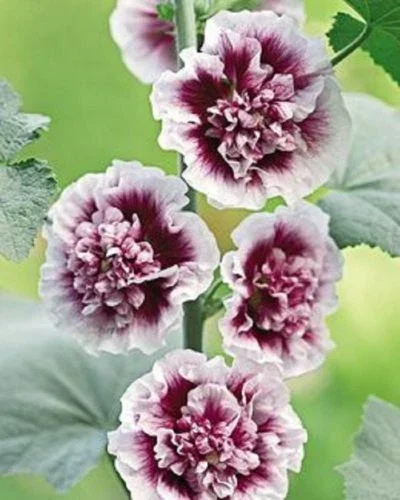
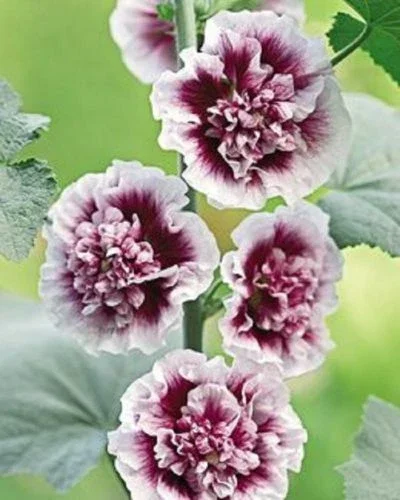
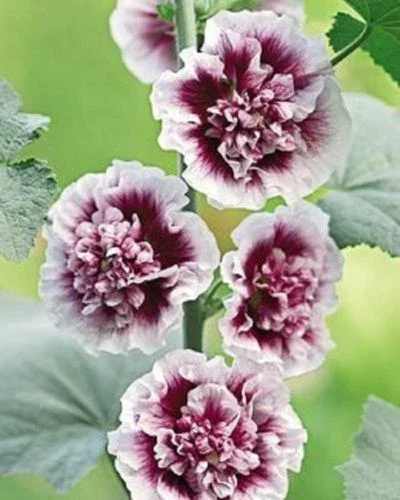
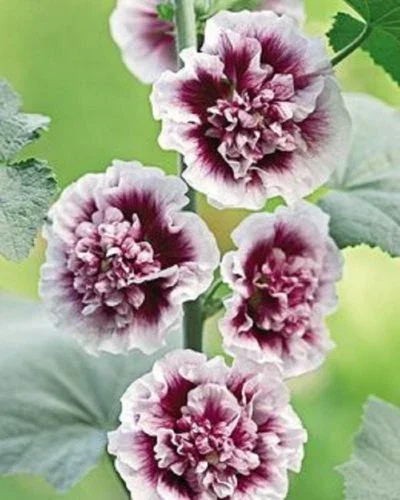
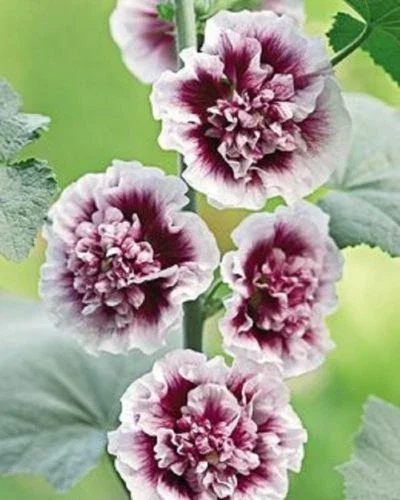
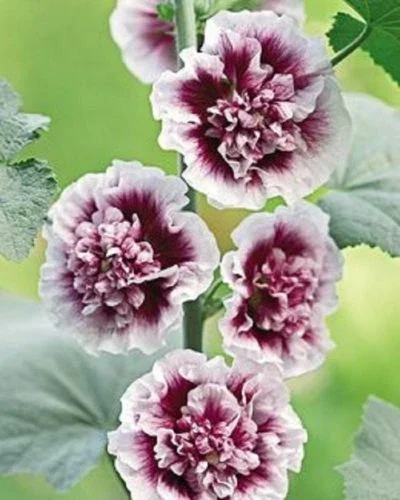
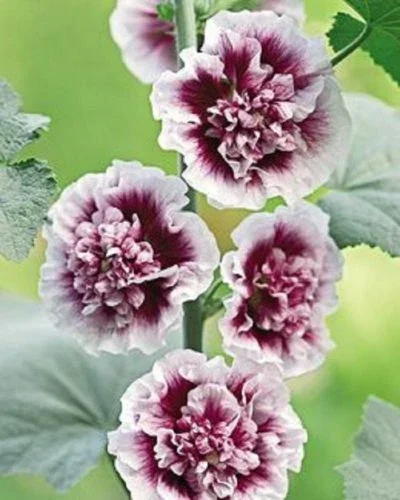
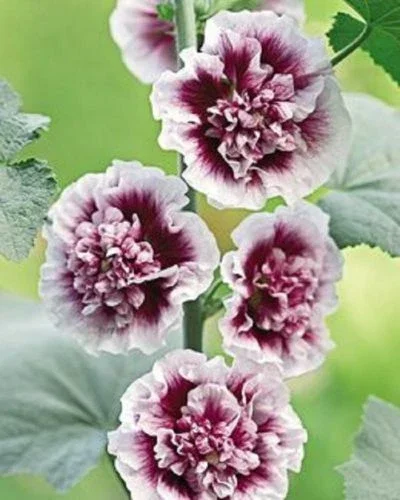
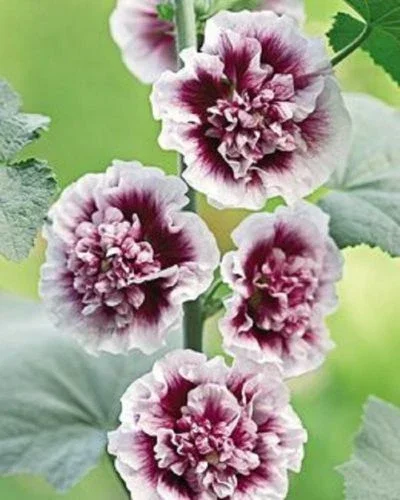
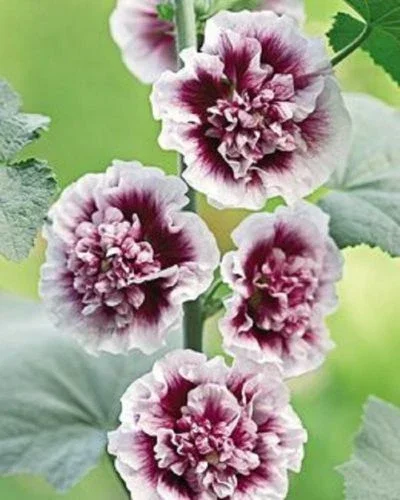
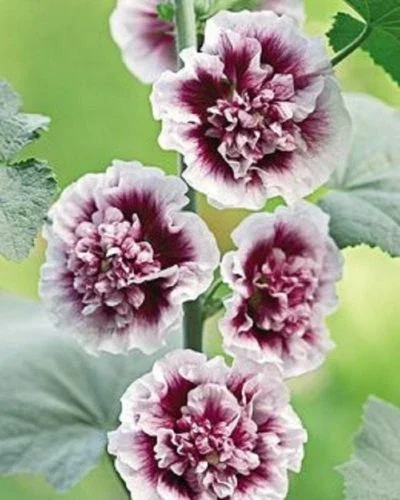
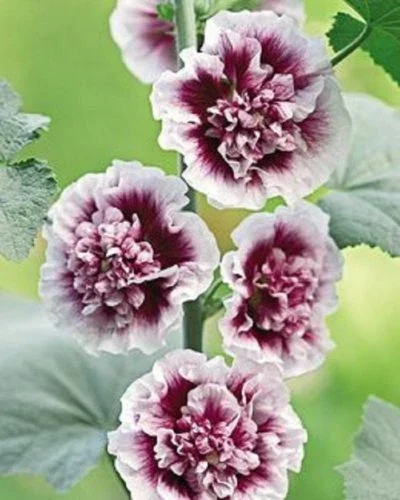
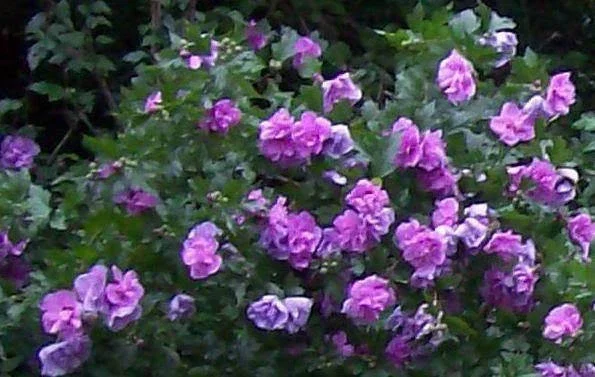
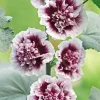
Transform your garden with these exquisite double purple hollyhock seeds. Each packet contains 25 high-quality seeds, ready to grow into magnificent Alcea rosea plants. Hollyhocks are classic garden favorites, renowned for their towering stalks adorned with large, showy, double-petaled flowers. The deep purple hue of these particular blooms adds a touch of regal elegance and sophistication to any landscape. Perfect for adding vertical interest, creating stunning backdrops, or lining fences and walls, these perennial flower seeds promise a spectacular display year after year. Growing your own hollyhocks from seed is a rewarding experience, allowing you to cultivate a garden filled with vibrant color and historical charm. These seeds are an excellent choice for gardeners looking to introduce a robust and beautiful perennial into their outdoor spaces.
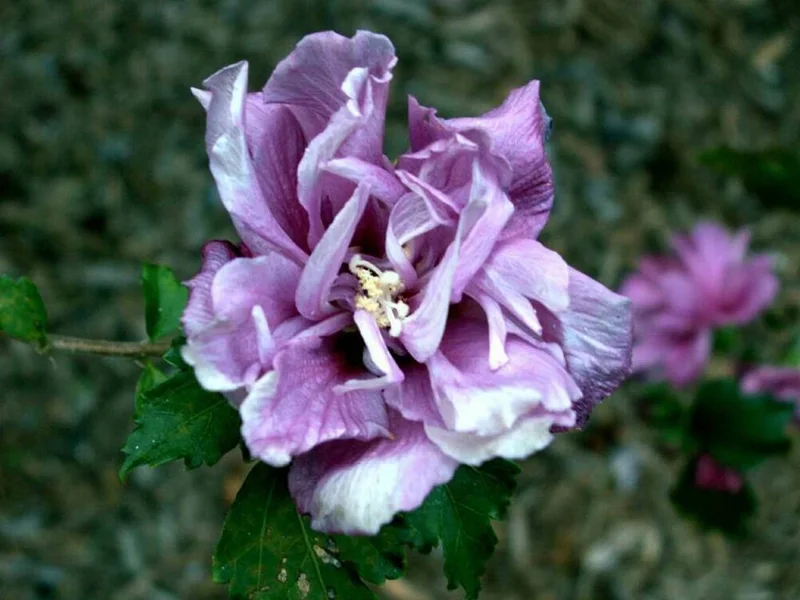
The Alcea rosea, commonly known as hollyhock, is a biennial or short-lived perennial that readily self-seeds, ensuring a continuous presence in your garden. The ‘Double Purple’ variety offers an extra layer of visual appeal with its full, ruffled petals that resemble peonies. These hardy plants are relatively easy to establish and maintain, making them suitable for both experienced gardeners and those new to growing flowers from seed. Enjoy the majestic presence of these purple beauties as they attract pollinators like bees and butterflies, bringing life and movement to your garden environment. The alcea rosea seeds are carefully selected to ensure high germination rates and vigorous growth.
Key Benefits
Planting double purple hollyhock seeds offers numerous advantages, enhancing the aesthetic and ecological value of your garden:
- Stunning Visual Impact: Produces tall, stately spires of deep purple, double-petaled flowers that create a dramatic focal point in any garden setting. The rich color and unique form are truly eye-catching.
- Attracts Pollinators: The vibrant blooms are a magnet for bees, butterflies, and other beneficial insects, supporting local ecosystems and promoting garden health. Enjoy watching your garden come alive with activity.
- Low Maintenance Perennial: Once established, these perennial flower seeds are relatively easy to care for, requiring minimal attention beyond basic watering and occasional feeding. They reliably return each year.
- Versatile Garden Use: Ideal for planting along fences, at the back of borders, against walls, or in cottage gardens. Their height and structure make them excellent for adding vertical dimension and privacy.
- Long Blooming Season: Hollyhocks typically bloom from early summer through late summer, providing a prolonged period of beautiful color and interest in your garden.
- Heirloom Appeal: Hollyhocks have a long history in gardens, evoking a sense of traditional charm and timeless beauty. Growing them from seed connects you to generations of gardeners.
- Drought Tolerant: Once mature, hollyhock plants can tolerate periods of drought, making them a resilient choice for various climates and water-conscious gardening.
Plant Care & Growing Tips
Caring for your double purple hollyhock seeds and subsequent plants is straightforward, ensuring a thriving display. Hollyhocks prefer a location with full sun, meaning at least 6-8 hours of direct sunlight per day. While they can tolerate partial shade, too little sun can lead to leggy growth and fewer blooms. Choose a site with good air circulation to help prevent fungal diseases. When considering how to grow hollyhocks, soil preparation is key. They thrive in well-draining soil that is rich in organic matter. A slightly alkaline to neutral pH (6.0-8.0) is ideal. Amend heavy clay soils with compost or sand to improve drainage, as hollyhocks do not like wet feet.
Water newly planted seeds and young plants regularly to keep the soil consistently moist but not waterlogged. Once established, hollyhocks are fairly drought-tolerant, but they will perform best with regular watering during dry spells, especially when flowering. Fertilize lightly with a balanced, all-purpose fertilizer in spring as new growth emerges, and again in mid-summer if desired. Stake taller varieties to prevent their heavy flower stalks from toppling over in wind or rain. Deadhead spent flowers to encourage more blooms and prevent unwanted self-seeding, or allow some to go to seed if you wish for new plants the following year. Be vigilant for common pests like spider mites and diseases such as rust, which can be managed with appropriate organic or chemical treatments. Understanding hollyhock plant care ensures a vibrant and healthy garden display.
Size & Details
This packet contains 25 double purple hollyhock seeds, providing a generous quantity for planting a striking display. The resulting plants typically grow quite tall, reaching heights of 5 to 8 feet (1.5 to 2.4 meters) and spreading about 1 to 2 feet (30-60 cm) wide. The impressive height makes them ideal for the back of borders or as a dramatic vertical accent. Hollyhocks are generally considered biennials or short-lived perennials, meaning they typically grow foliage in their first year and bloom in their second year, then often self-seed to continue the cycle. The large, double flowers can be several inches across, creating a lush, full appearance. Seeds are shipped in a protective packet to ensure viability upon arrival. Expect germination within 10-14 days under optimal conditions, with flowering typically occurring in the second year after planting.
Frequently Asked Questions
- Q: How big does this plant get? A: Double purple hollyhock seeds will grow into plants that typically reach impressive heights of 5 to 8 feet tall, with a spread of 1 to 2 feet. Their stately stature makes them excellent for adding vertical interest to your garden.
- Q: Is this an indoor or outdoor plant? A: These are outdoor plants, best suited for garden beds, borders, and landscapes where they can receive ample sunlight and space to grow to their full height. They are not typically grown indoors.
- Q: How much sunlight does it need? A: Hollyhocks thrive in full sun, requiring at least 6 to 8 hours of direct sunlight per day for optimal growth and abundant flowering. They can tolerate partial shade but may produce fewer blooms.
- Q: Is this plant easy to care for? A: Yes, hollyhocks are considered relatively easy to care for once established. They are quite hardy and resilient, making them a good choice for gardeners of all experience levels. Proper soil and sunlight are key to successful hollyhock plant care.
- Q: What condition will it arrive in? A: Your 25 double purple hollyhock seeds will arrive in a sealed packet, ensuring they are protected and viable for planting. They are dormant seeds, ready for germination when planted.
- Q: When is the best time to plant? A: The best time to plant alcea rosea seeds is in late spring after the last frost, or in late summer to early autumn for blooms the following year. This allows them to establish before extreme temperatures.
- Q: Will it survive winter in my zone? A: Hollyhocks are hardy perennials/biennials that can survive winter in USDA zones 3-9. In colder zones, a layer of mulch can help protect the roots. They often self-seed, ensuring new plants emerge each spring.
- Q: What type of soil do hollyhocks prefer? A: Hollyhocks prefer well-draining soil that is rich in organic matter. A slightly alkaline to neutral pH is ideal. Avoid heavy, waterlogged soils to prevent root rot. Learn more about how to grow hollyhocks in various soil types.
- Q: How long until it blooms? A: Hollyhocks typically bloom in their second year after planting from seed. If planted in spring, you can expect flowers the following summer. If planted in late summer, they will establish roots and bloom the next summer.
- Q: Do I need to fertilize my hollyhocks? A: While not heavy feeders, a light application of a balanced, all-purpose fertilizer in spring can promote vigorous growth and more abundant blooms for your perennial flower seeds.






Reviews
There are no reviews yet.