Overview
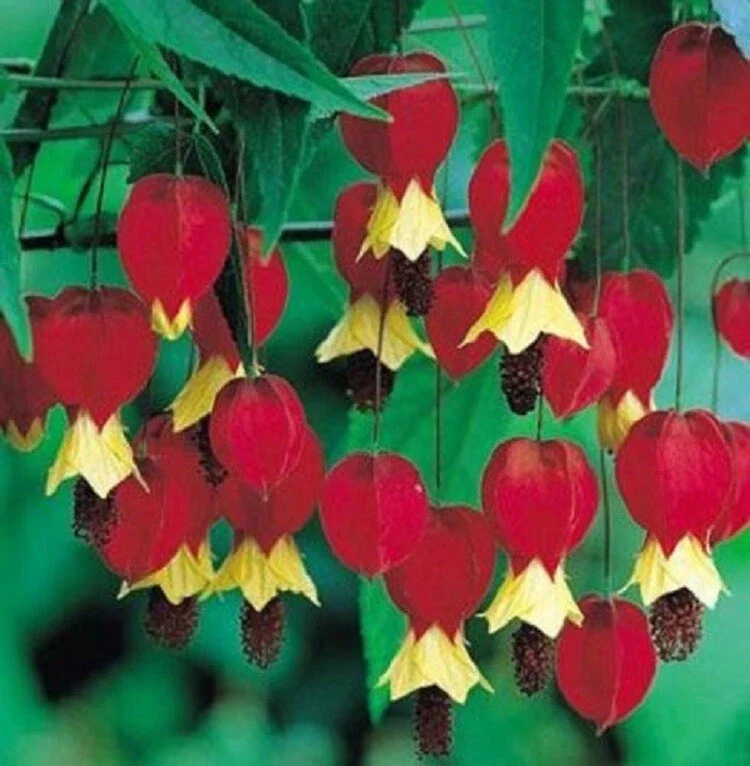
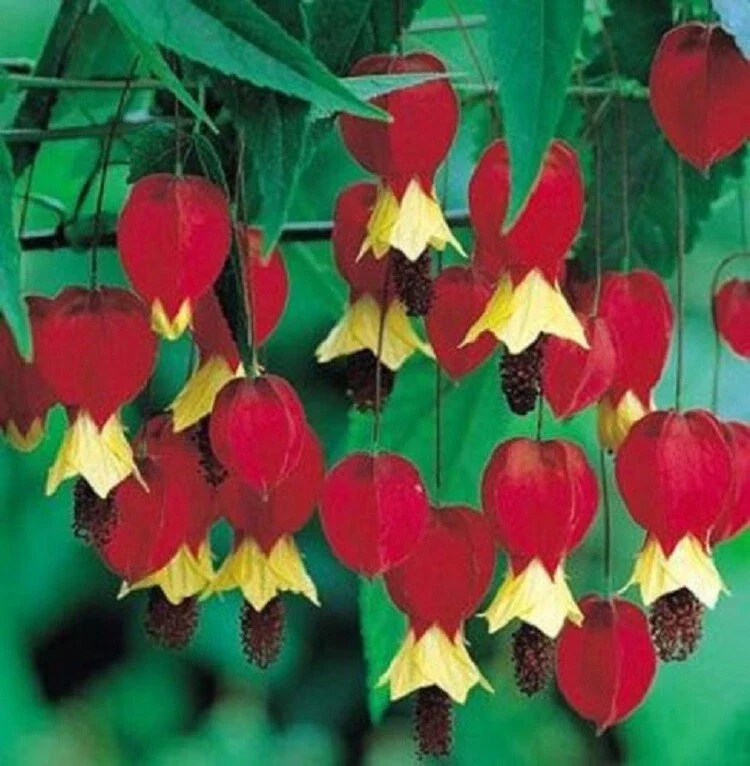
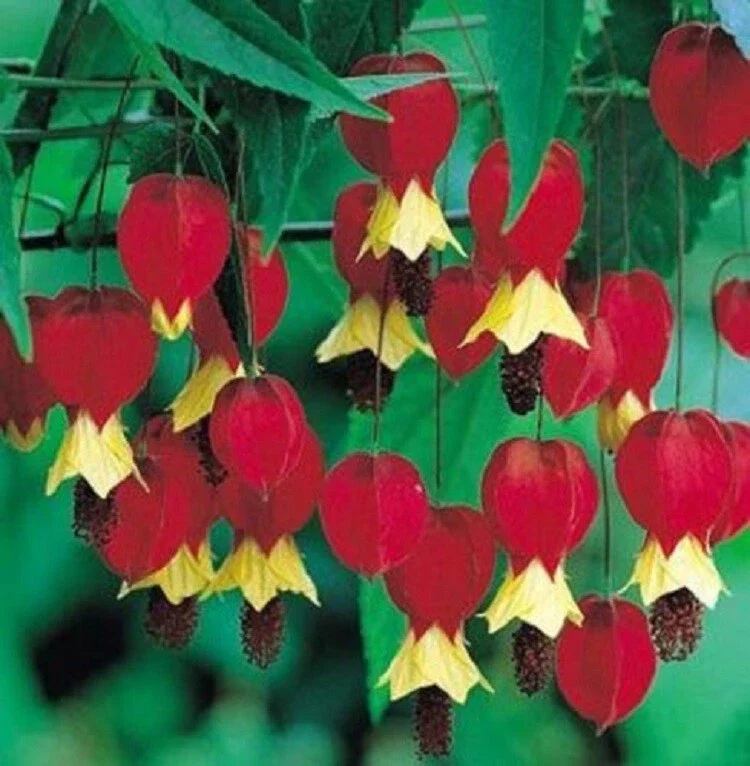
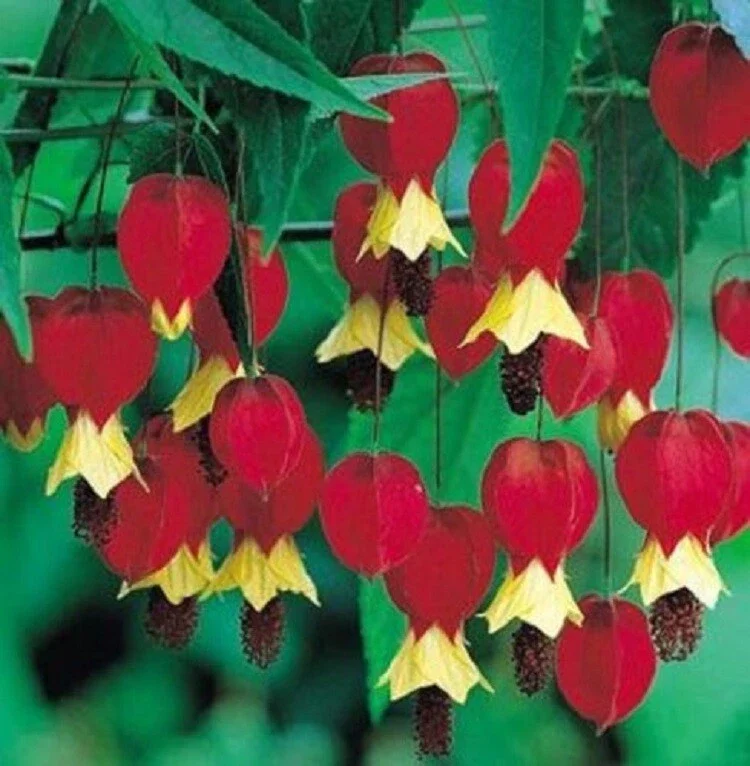
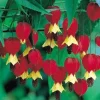
Introduce a touch of timeless elegance and vibrant color to your garden with these exquisite red yellow bleeding heart seeds. Known botanically as Dicentra spectabilis, these perennial flowers are celebrated for their distinctive heart-shaped blooms, which dangle gracefully from arching stems. Our packet contains 25 Red Yellow Bleeding Heart Seeds, providing ample opportunity to establish a beautiful display. Perfect for shaded gardens, woodland settings, or as an enchanting border plant, bleeding hearts are relatively easy to grow from seed and offer a captivating spectacle year after year. These seeds will help you cultivate the classic beauty of bleeding hearts, bringing a unique aesthetic to any landscape.
The delicate appearance of the bleeding heart belies its robust nature, making it a favorite among gardeners looking for reliable shade-loving perennials. The striking red and yellow hues of these specific seeds promise a visually appealing contrast against lush green foliage, creating a focal point in any garden design. Whether you’re a seasoned gardener or just starting, growing perennial shade flowers from seed is a rewarding experience that allows you to nurture beauty from the very beginning.
Key Benefits
Cultivating red yellow bleeding heart seeds offers a multitude of benefits for your garden and your gardening experience. These unique plants contribute significantly to the aesthetic and ecological value of your outdoor space.
- Stunning Ornamental Value: The primary appeal of these seeds lies in their incredibly beautiful and unique heart-shaped flowers. The vibrant red and yellow colors create a dramatic visual impact, making them a standout feature in any garden, especially in shaded areas where other plants might struggle to bloom. They are truly captivating perennial shade flowers.
- Shade Loving Perennial: Unlike many flowering plants that demand full sun, bleeding hearts thrive in partial to full shade. This makes them an excellent choice for illuminating dim corners, under trees, or on the north side of buildings, extending the beauty of your garden into less sunny spots.
- Low Maintenance Once Established: After the initial planting and establishment phase, bleeding heart plant care is relatively straightforward. They require minimal intervention, returning year after year with their charming blooms and lush foliage, making them a gardener’s delight.
- Attracts Pollinators: While they are not heavy nectar producers, the unique shape and color of bleeding heart flowers can attract early spring pollinators like bumblebees, contributing to the biodiversity of your garden ecosystem.
- Unique Garden Texture: Beyond their flowers, the delicate, fern-like foliage of Dicentra spectabilis adds a fine texture to garden beds, providing interest even when the plant is not in bloom. This contrasts beautifully with broader-leaved shade plants.
- Long Bloom Period: Enjoy a prolonged display of beauty from late spring to early summer. The consistent blooming makes these dicentra spectabilis seeds a valuable addition for continuous garden interest.
- Excellent for Cut Flowers: The elegant stems and charming flowers make excellent additions to fresh floral arrangements, bringing the beauty of your garden indoors.
Plant Care & Growing Tips
Successful cultivation of red yellow bleeding heart seeds begins with understanding their specific needs. These plants prefer cool, moist conditions reminiscent of their native woodland habitats.
Sunlight Requirements: Bleeding hearts thrive in partial to full shade. Morning sun with afternoon shade is ideal, as direct, hot afternoon sun can scorch their delicate foliage and shorten their blooming period. In cooler climates, they can tolerate a bit more sun, but always ensure they are protected from intense midday rays. For optimal growth and vibrant blooms, aim for 3-6 hours of indirect sunlight daily. This is crucial for growing healthy perennial shade flowers.
Watering Schedule and Soil Moisture: Consistent moisture is key, especially during their active growing and blooming periods in spring. The soil should remain evenly moist but never waterlogged. Overwatering can lead to root rot. During dry spells, provide supplemental watering. Once the plant goes dormant in summer, reduce watering significantly. Good drainage is essential for proper bleeding heart plant care.
Soil Type and Drainage Requirements: Bleeding hearts prefer rich, well-draining soil that is high in organic matter. A slightly acidic to neutral pH (6.0-7.0) is ideal. Amend heavy clay soils with compost or peat moss to improve drainage and aeration. For sandy soils, adding organic matter will help retain moisture and nutrients. Ensure the planting site allows for water to drain freely to prevent issues.
Temperature Range and USDA Hardiness Zone: These plants are hardy in USDA Zones 3-9. They prefer cool spring temperatures for blooming and can tolerate winter cold. In warmer zones, they will go dormant earlier in the summer. Protection from extreme heat is advisable, as prolonged high temperatures can cause the foliage to yellow and die back prematurely.
Fertilization Schedule and Type: Fertilize in early spring as new growth emerges. Use a balanced, slow-release granular fertilizer or a liquid feed diluted to half strength. Avoid over-fertilizing, which can lead to excessive foliage growth at the expense of flowers. A layer of compost applied around the base of the plant in spring can also provide adequate nutrients and help retain soil moisture.
Common Problems and Solutions: Bleeding hearts are generally pest-resistant. Watch out for aphids, which can be dislodged with a strong spray of water. Slugs and snails may occasionally feed on young foliage; use organic slug baits or hand-pick them. The most common issue is yellowing foliage and early dormancy due to excessive heat or inadequate moisture. Ensure proper watering and shade to prevent this. Good air circulation can help prevent fungal diseases in humid conditions.
Size & Details
Our offering includes 25 Red Yellow Bleeding Heart Seeds, providing you with a generous quantity to start a thriving patch of these charming perennials. Once established, the bleeding heart plant typically grows to a height of 24-36 inches (60-90 cm) and spreads about 18-30 inches (45-75 cm) wide, forming an attractive, mounding clump. The plants exhibit a moderate growth rate, establishing well within their first year and reaching mature size within 2-3 years. Expect blooms to appear from late spring to early summer, usually within the second year after planting from seed. The seeds are packaged to ensure viability and easy handling, ready for stratification and planting. These dicentra spectabilis seeds will develop into robust plants with lush green, fern-like foliage and vibrant, heart-shaped flowers.
The root system is fibrous, making them relatively easy to transplant if needed, though they prefer to remain undisturbed once settled. The plants will go dormant in mid-summer, especially in warmer climates, with their foliage dying back. This is a natural process and not a cause for concern. They will re-emerge vigorously the following spring, bringing renewed beauty to your shade garden. These seeds are an excellent way to introduce a classic, long-lived perennial to your landscape.
Frequently Asked Questions
- Q: How big does this plant get? A: A mature bleeding heart plant typically reaches a height of 24-36 inches (60-90 cm) and spreads about 18-30 inches (45-75 cm) wide, forming a beautiful, mounding clump.
- Q: Is this an indoor or outdoor plant? A: Red yellow bleeding heart seeds are for growing outdoor perennial plants, best suited for garden beds, borders, and woodland gardens in shaded areas. They are not typically grown as indoor houseplants.
- Q: How much sunlight does it need? A: These plants thrive in partial to full shade. They prefer morning sun with protection from harsh afternoon sun, which can scorch their foliage. This makes them ideal perennial shade flowers.
- Q: Is this plant easy to care for? A: Yes, once established, bleeding hearts are relatively low-maintenance. They require consistent moisture and well-draining soil, but beyond that, bleeding heart plant care is straightforward.
- Q: What condition will the seeds arrive in? A: The 25 Red Yellow Bleeding Heart Seeds will arrive as dry, viable seeds, carefully packaged to ensure their quality and readiness for planting.
- Q: How long until it blooms? A: Bleeding hearts grown from seed typically begin to bloom in their second year after planting. The first year focuses on establishing a strong root system and foliage.
- Q: When is the best time to plant these seeds? A: The best time to stratify and then plant dicentra spectabilis seeds is in late fall or early spring, after a period of cold stratification, to mimic natural conditions.
- Q: Will it survive winter in my zone? A: Yes, bleeding hearts are very cold hardy and thrive in USDA Zones 3-9. They are perennial and will return each spring even after harsh winters.
- Q: What’s the minimum temperature it can tolerate? A: These plants are resilient and can tolerate winter temperatures well below freezing, typically surviving down to -40°F (-40°C) when established in their appropriate USDA zones.
- Q: Can these seeds be started indoors? A: Yes, you can start shade garden seeds like these indoors in late winter after cold stratification, then transplant the seedlings outdoors after the last frost.



Reviews
There are no reviews yet.