Overview
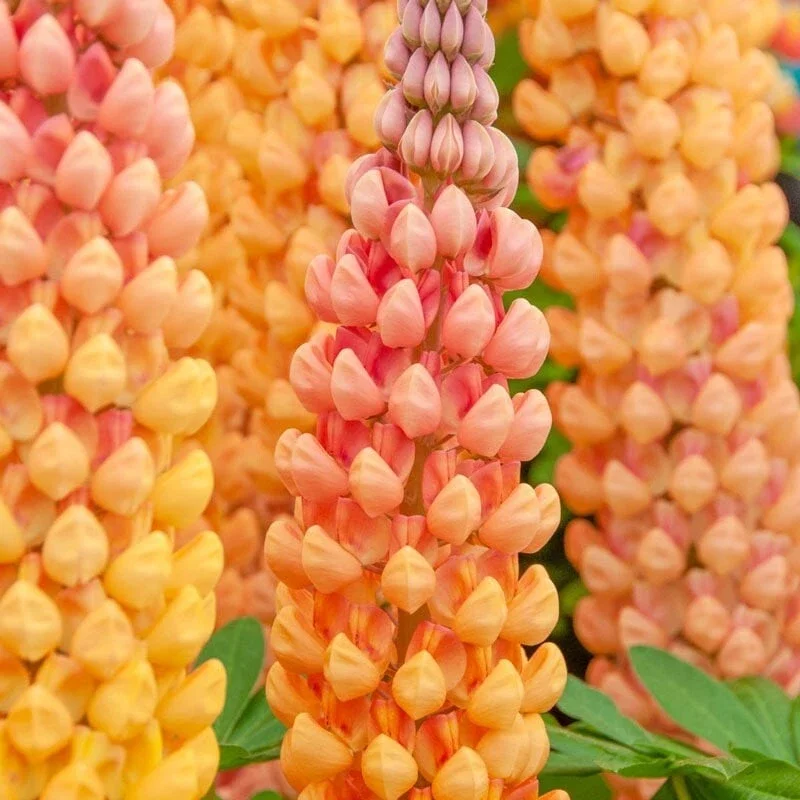
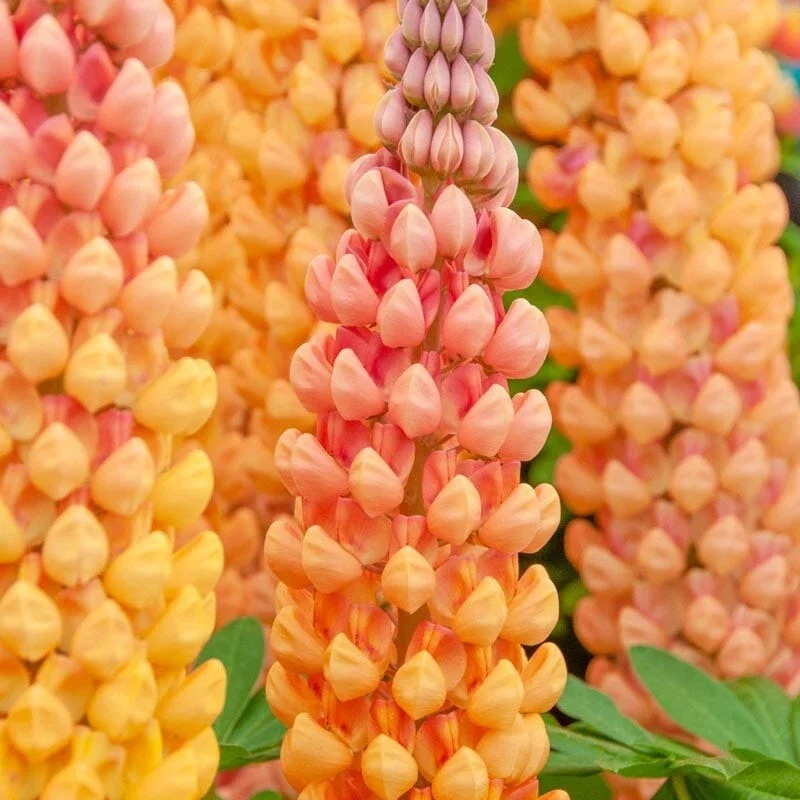
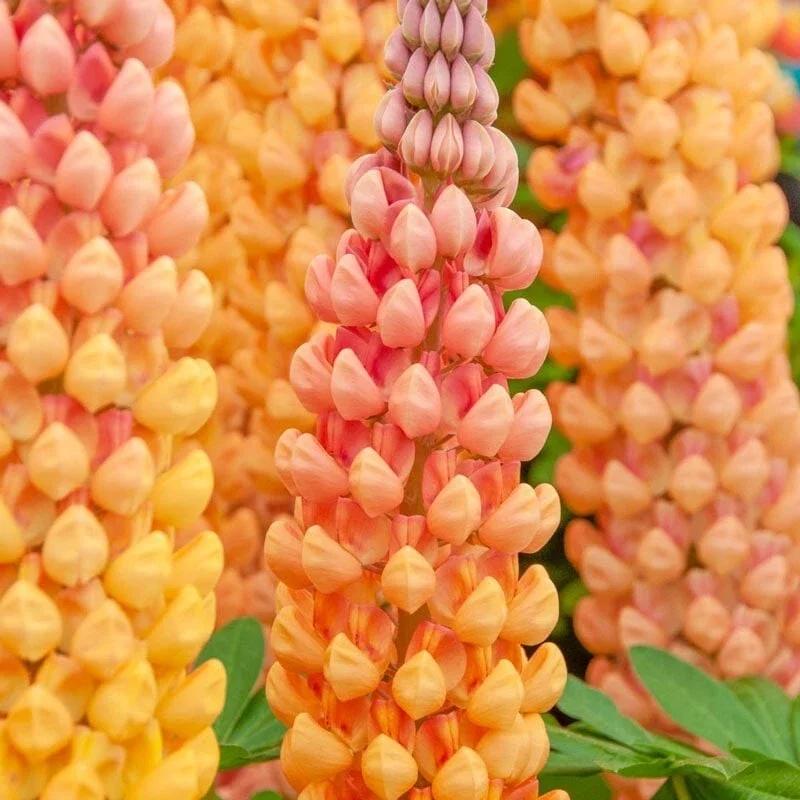
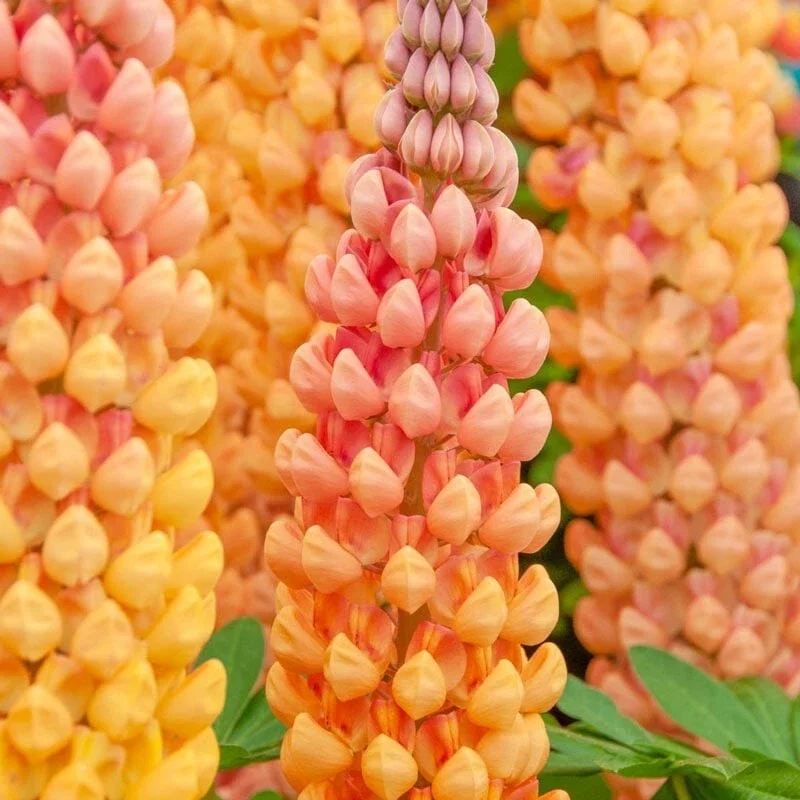
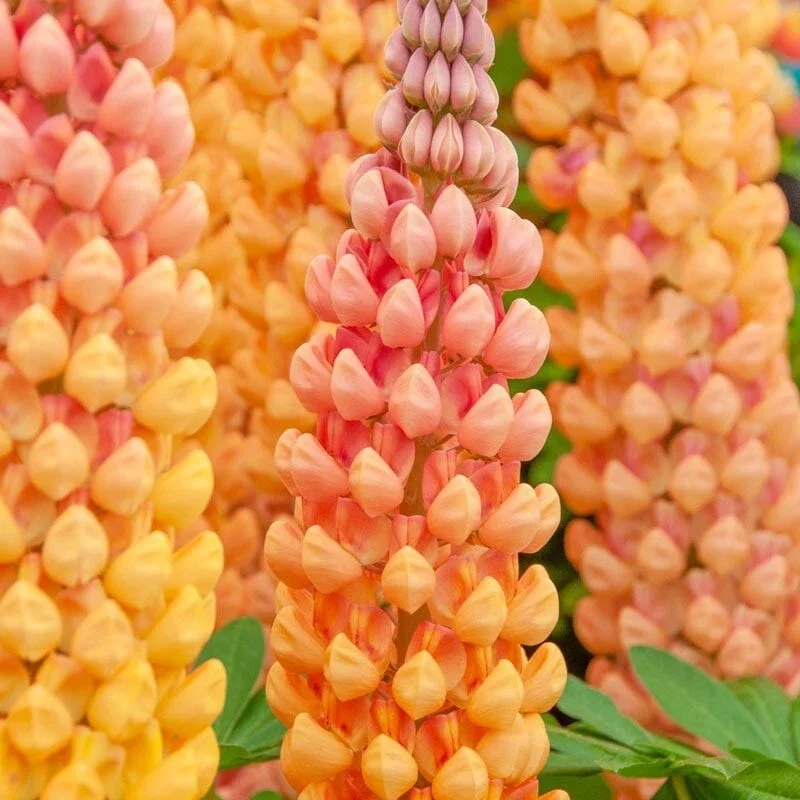
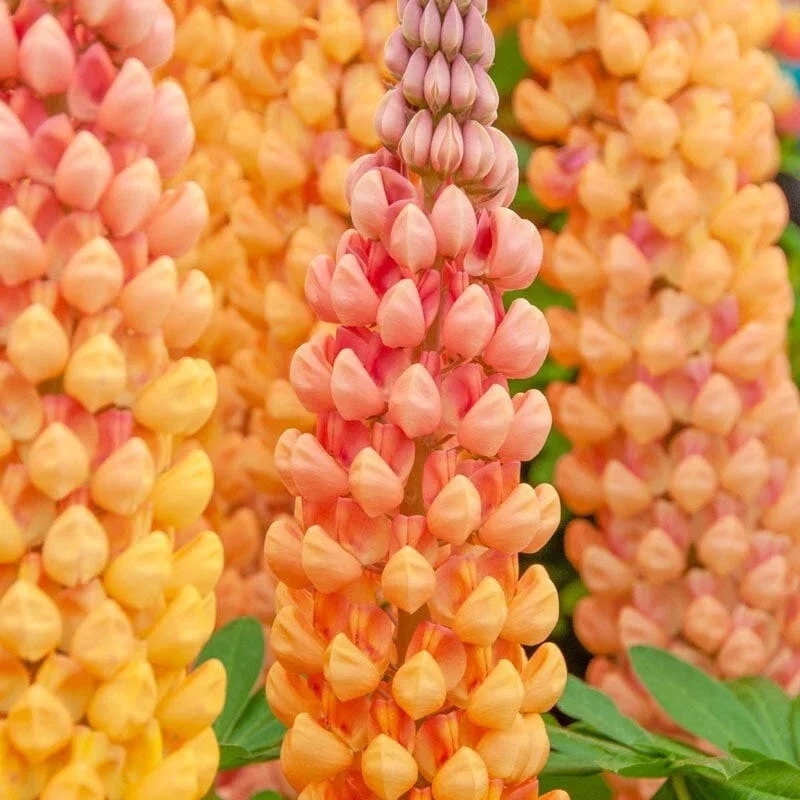
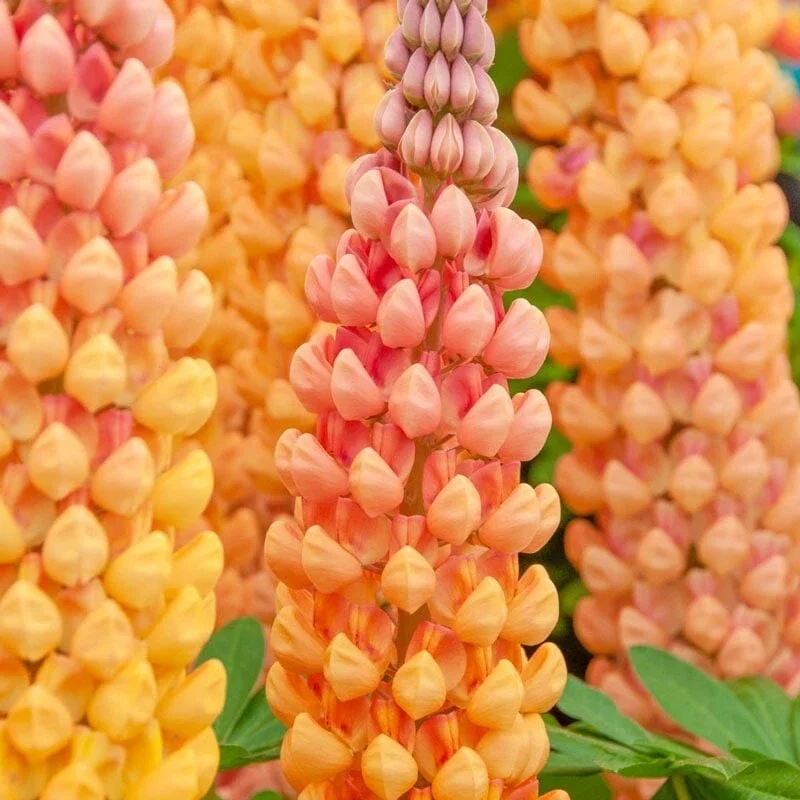
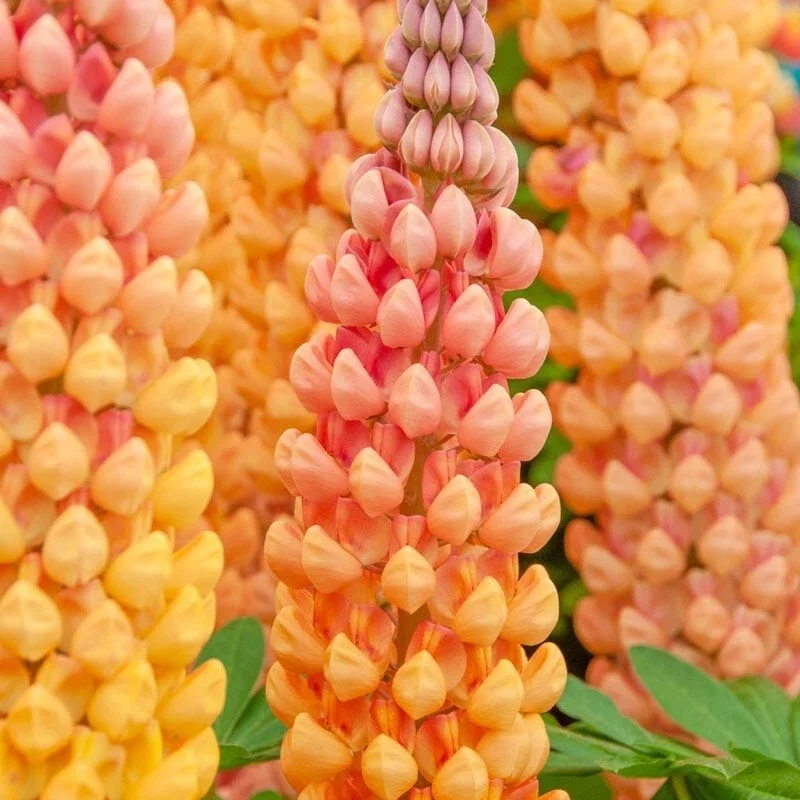
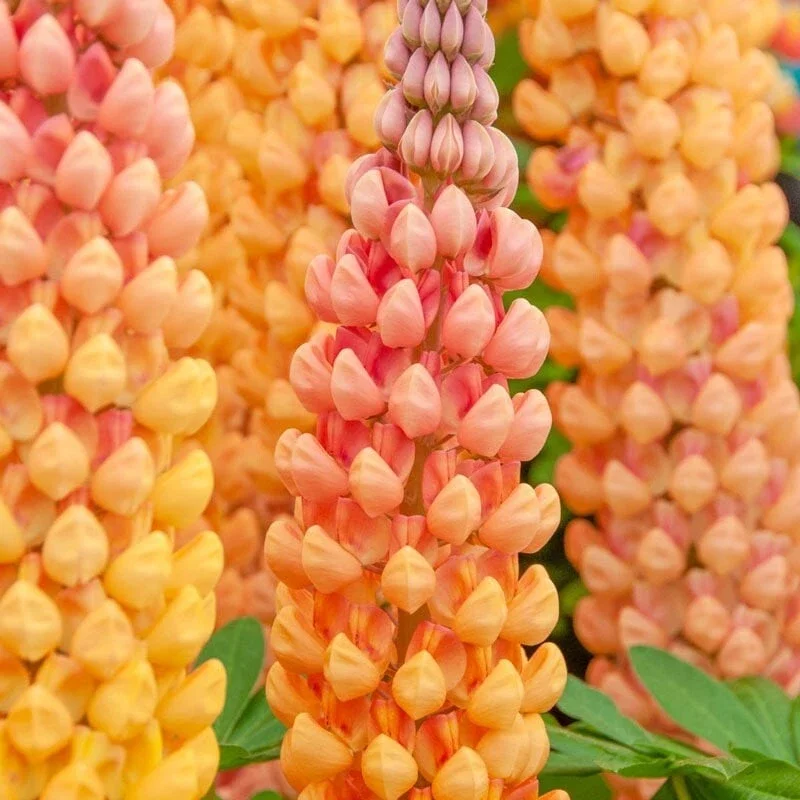
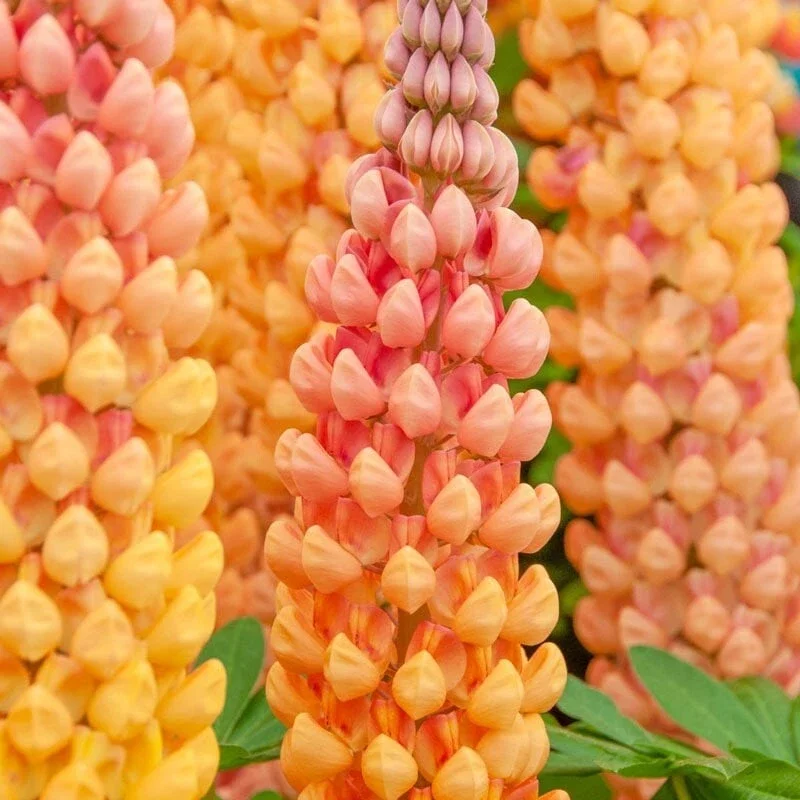
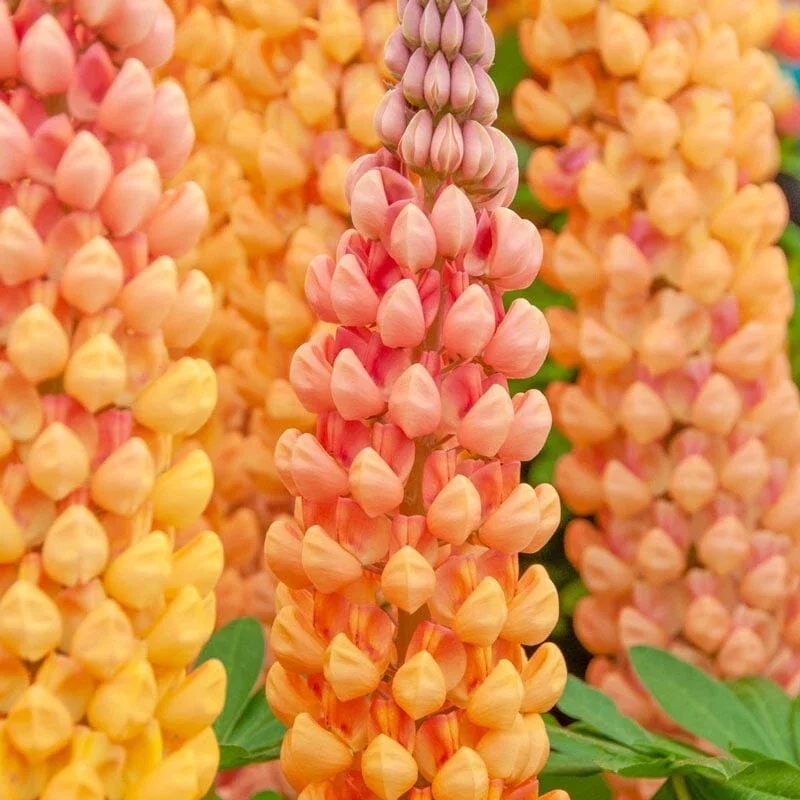
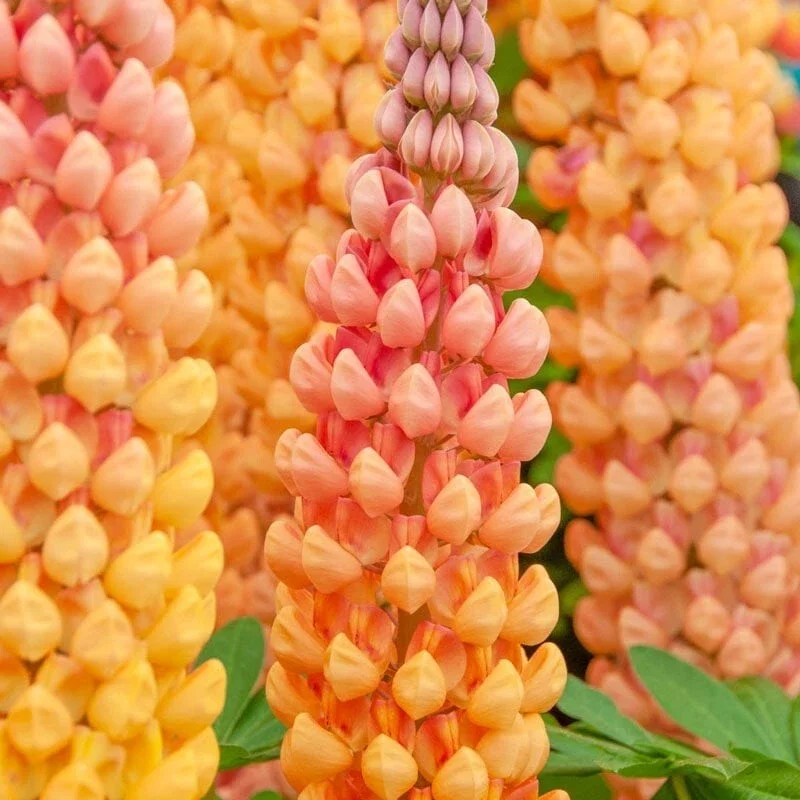
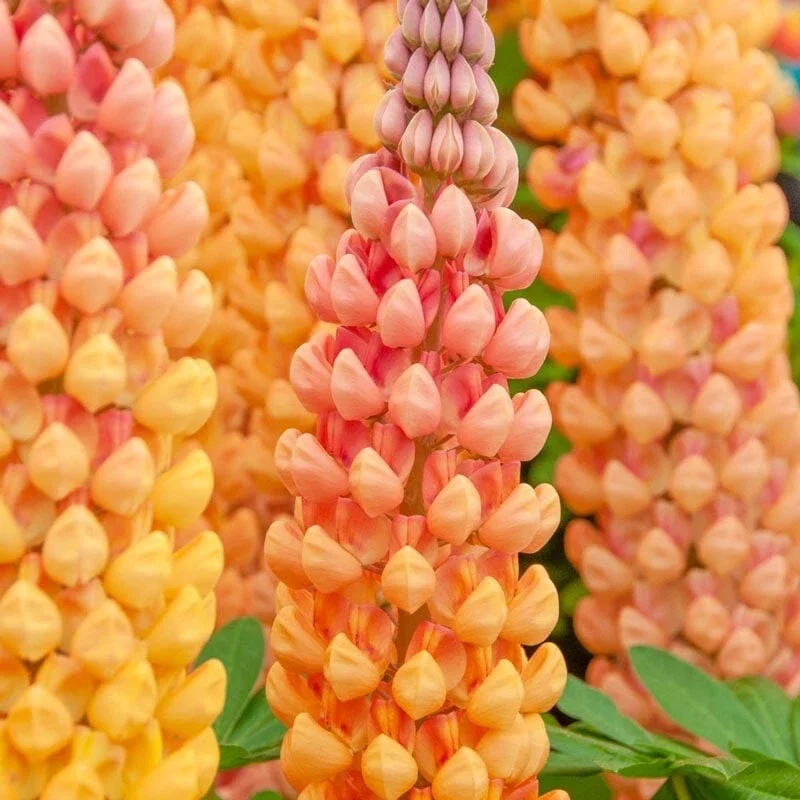
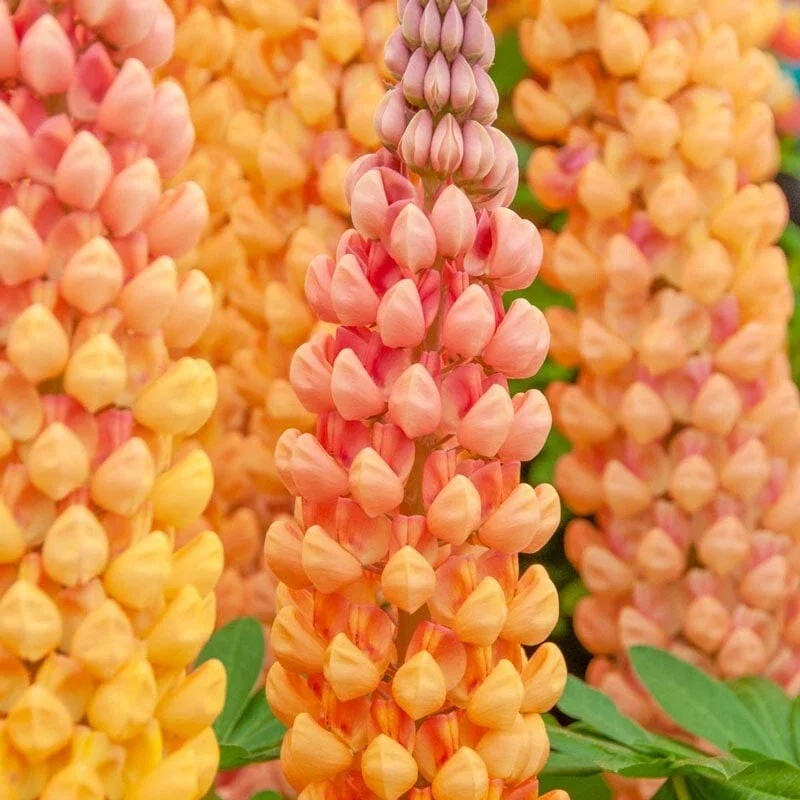
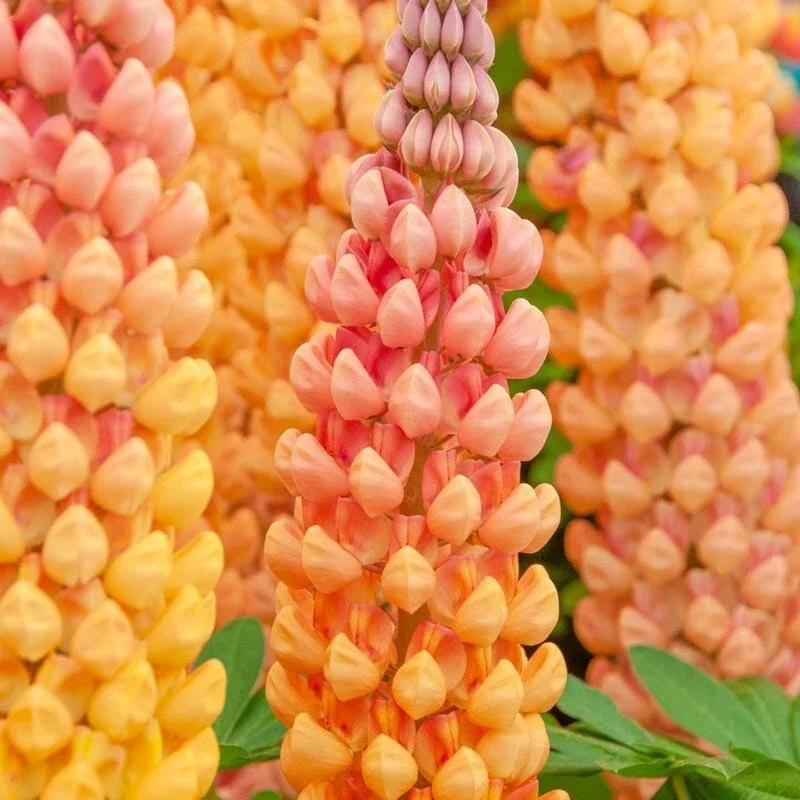
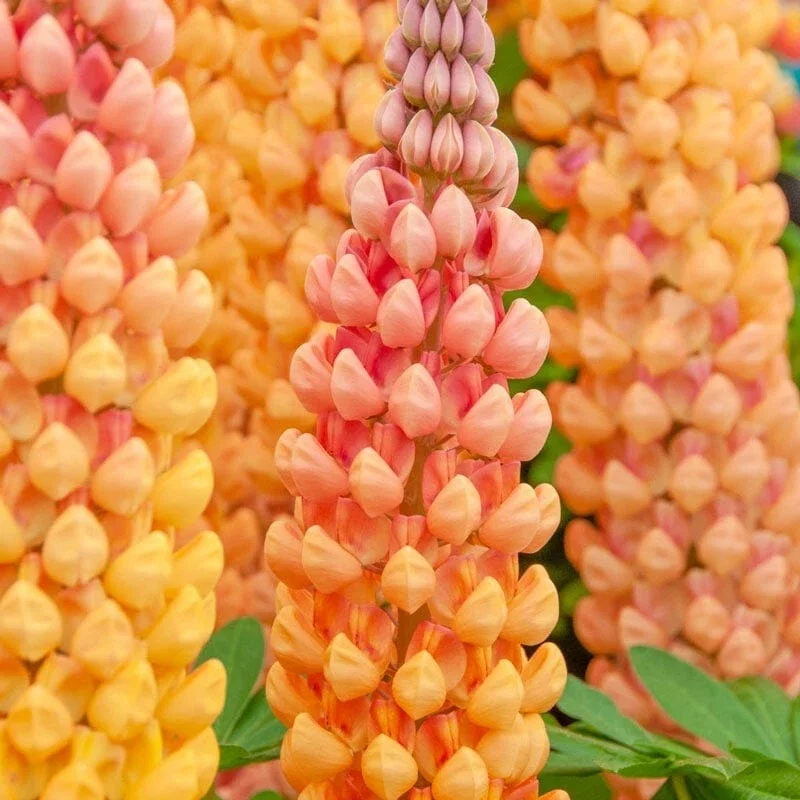
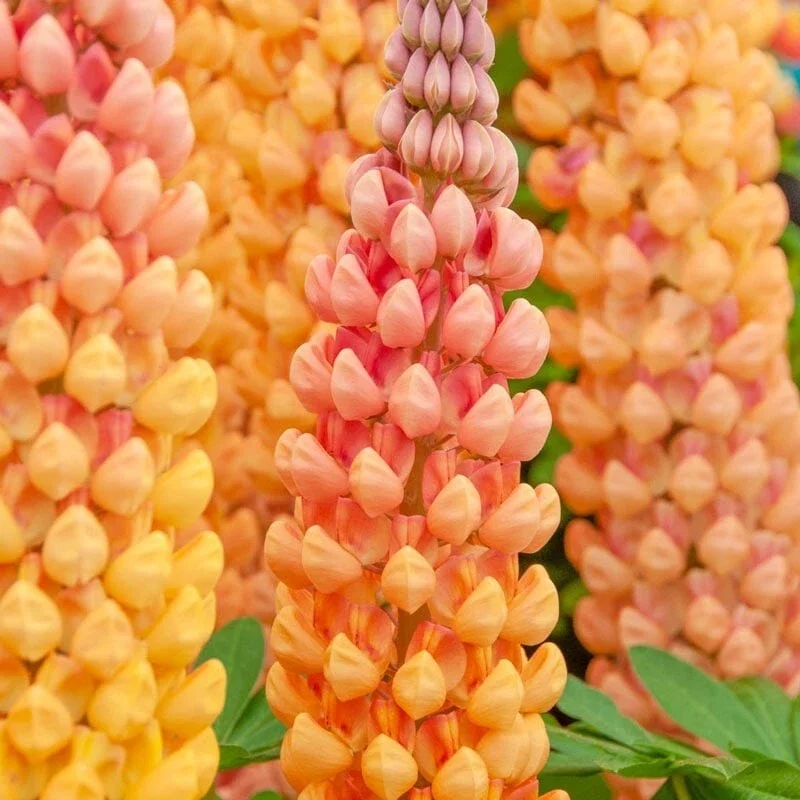
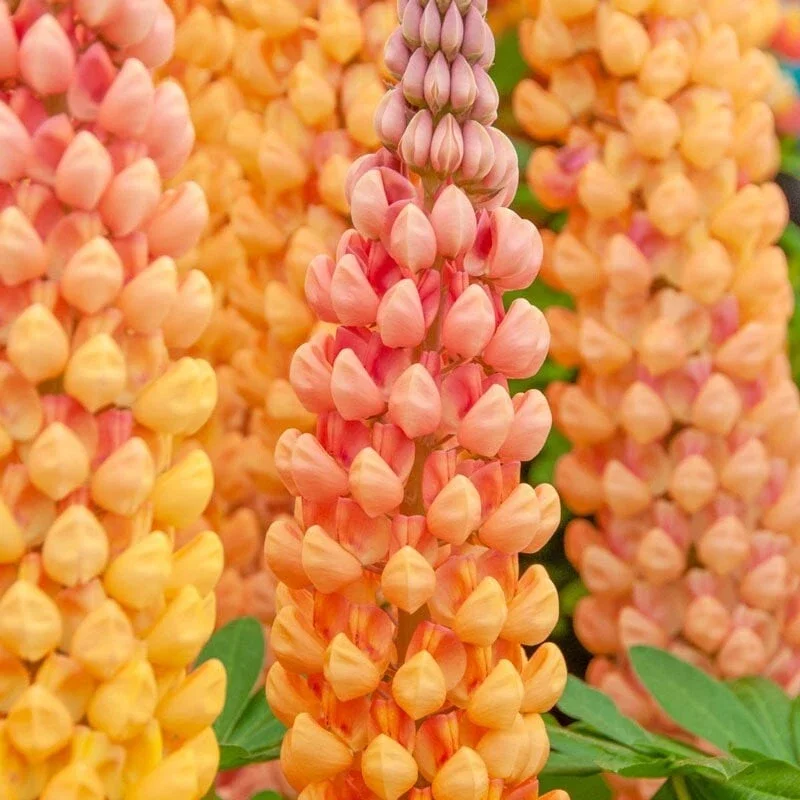
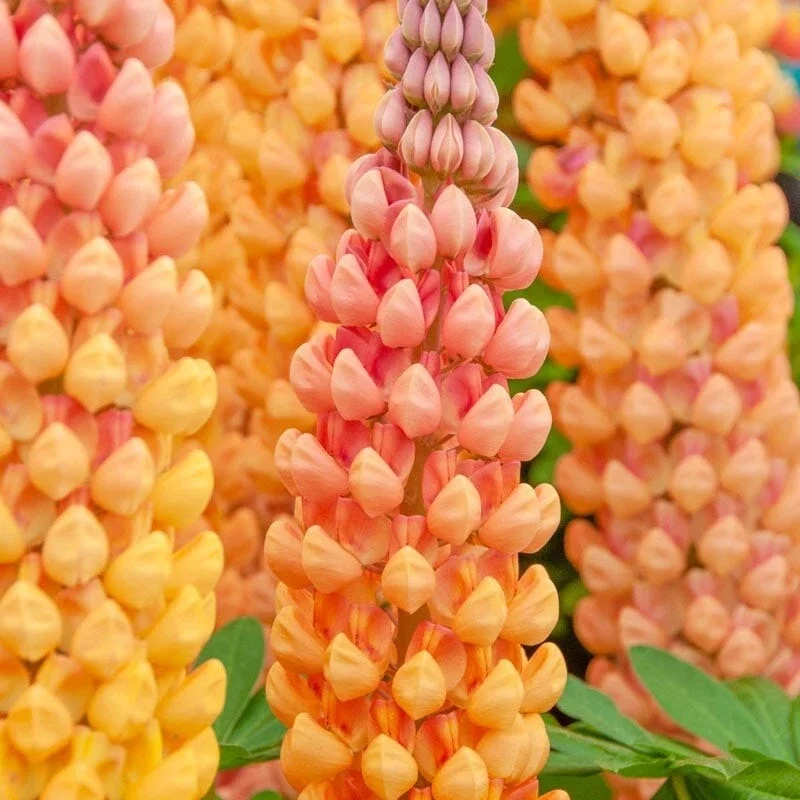
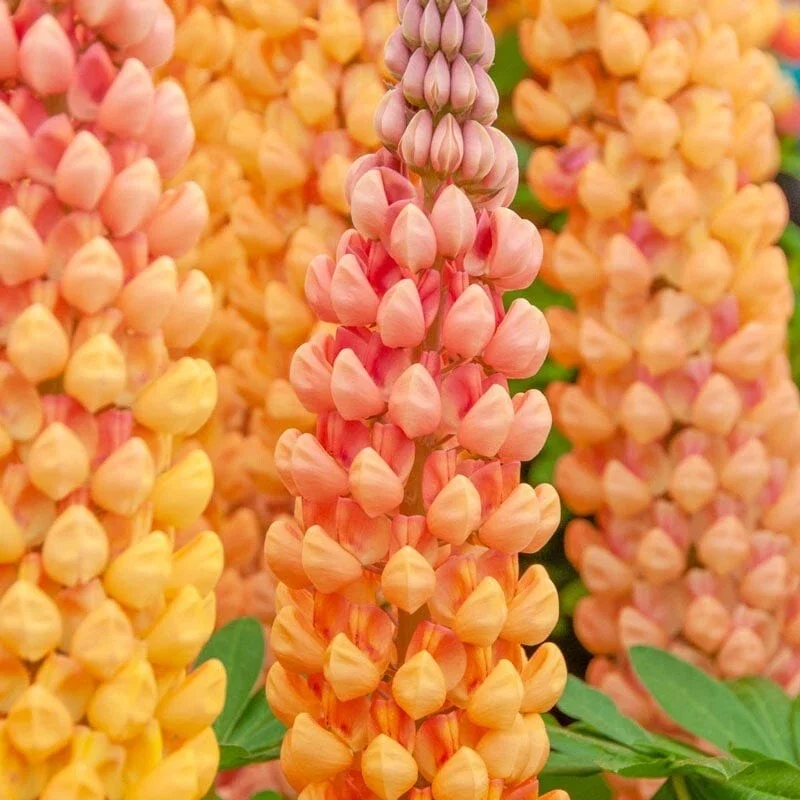
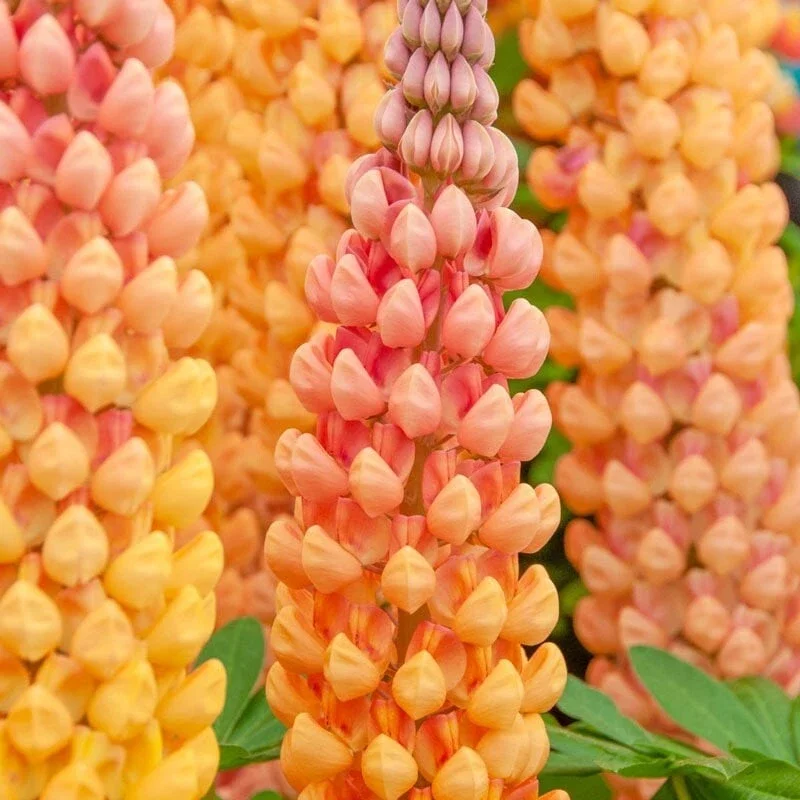
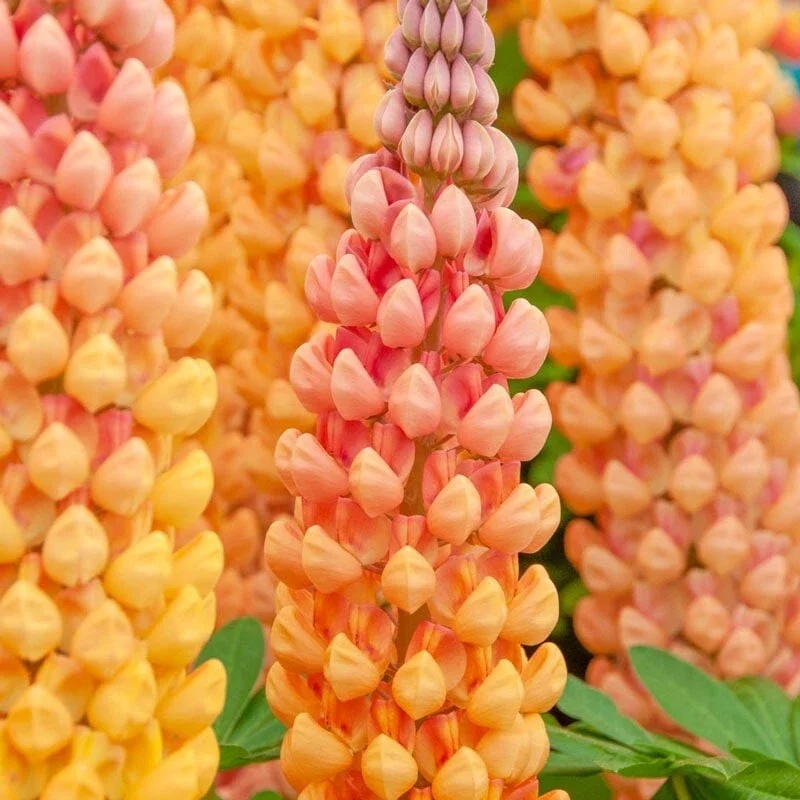
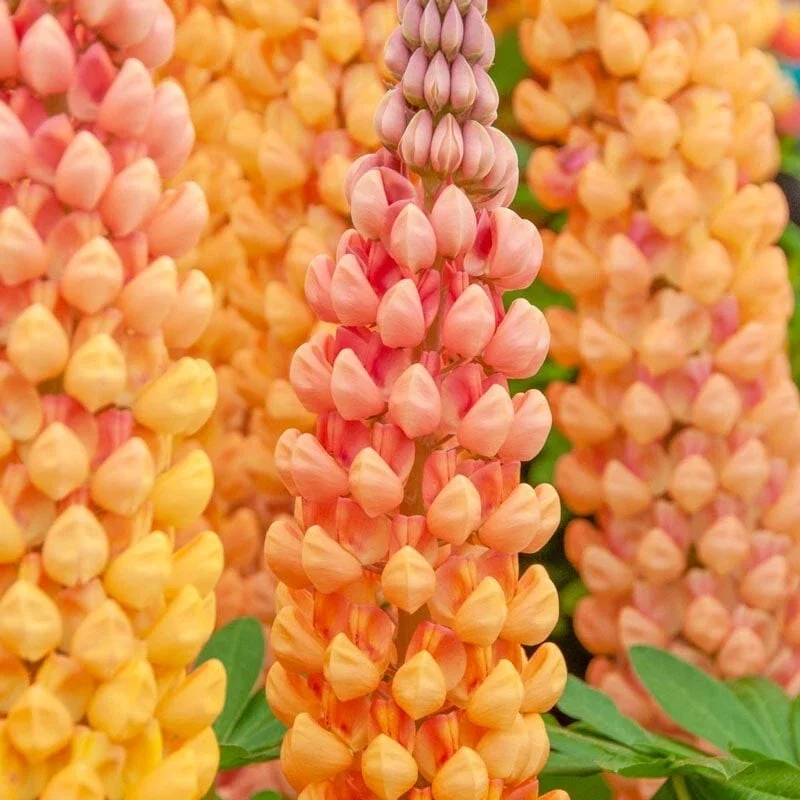
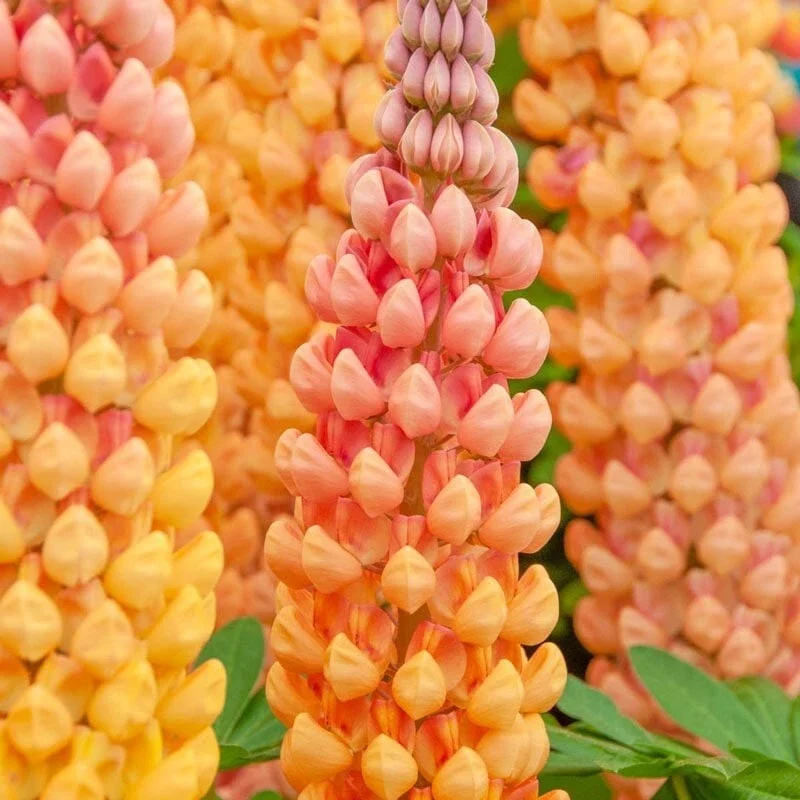
Introduce a splash of stunning color and architectural beauty to your garden with our premium pack of Salmon Star Lupine Seeds. Each packet contains 25 Salmon Star Lupine Seeds, ready to be sown and transformed into magnificent perennial flowers. Lupines, scientifically known as Lupinus polyphyllus, are celebrated for their tall, spire-like flower stalks densely packed with pea-like blossoms. The ‘Salmon Star’ variety captivates with its unique salmon-pink hues, creating a warm and inviting display. These hardy plants are a favorite among gardeners for their reliability and dramatic presence, making them an excellent choice for adding vertical interest and vibrant color to perennial borders, cottage gardens, and naturalized areas. Growing lupine from seed is a rewarding experience, allowing you to cultivate a robust and beautiful patch of these beloved flowers.
Lupines are not only visually appealing but also play an important role in garden ecosystems, attracting beneficial pollinators like bees and butterflies. Their unique foliage, typically palmate and deeply lobed, adds texture even when the plants are not in bloom. If you’re looking to enhance your garden with a plant that offers both aesthetic appeal and ecological benefits, these perennial flower seeds are an ideal choice. They are known for their resilience and ability to thrive in a variety of climates, making them a versatile addition to many garden styles.
Key Benefits
Planting Salmon Star Lupine Seeds offers numerous advantages for both your garden and the local ecosystem. These beautiful flowers provide a host of benefits that make them a worthwhile addition to any landscape.
- Stunning Visual Appeal: The ‘Salmon Star’ variety produces striking salmon-pink flower spikes that create a dramatic focal point in any garden. Their tall, elegant form adds vertical interest and a sophisticated touch to borders and beds.
- Attracts Pollinators: Lupines are a magnet for bees, butterflies, and other beneficial insects, helping to support local pollinator populations and enhance the biodiversity of your garden space.
- Easy to Grow from Seed: With 25 Salmon Star Lupine Seeds, you can easily establish a beautiful patch of these perennials. They are relatively straightforward to grow lupine from seed, making them accessible even for novice gardeners.
- Perennial Hardiness: As hardy perennials, these lupines return year after year, providing continuous beauty without the need for annual replanting. They are resilient and can withstand various environmental conditions once established.
- Versatile Garden Use: Perfect for cottage gardens, perennial borders, naturalized areas, and even containers, these lupines adapt well to different garden designs and settings. Their vibrant color complements a wide range of other plants.
- Low Maintenance Once Established: After the initial planting and establishment phase, lupine flower care is relatively simple, requiring minimal intervention to thrive and produce abundant blooms.
- Soil Improvement: Like other legumes, lupines can fix nitrogen in the soil through their root nodules, thereby improving soil fertility and benefiting neighboring plants.
Plant Care & Growing Tips
To successfully cultivate your 25 Salmon Star Lupine Seeds and enjoy their vibrant blooms, understanding their specific care requirements is key. Lupines generally prefer a location with full sun, meaning at least 6-8 hours of direct sunlight per day. While they can tolerate partial shade, too little sun may result in fewer flowers and leggy growth. For optimal growth and flowering, ensure they receive ample light. The ideal soil for lupines is well-draining, slightly acidic to neutral (pH 6.0-7.0), and rich in organic matter. Avoid heavy clay soils that retain too much moisture, as this can lead to root rot. Good drainage is crucial for hardy lupine seeds to establish properly.
When it comes to watering, keep the soil consistently moist, especially during dry spells and when the plants are young. Once established, lupines are relatively drought-tolerant but will perform best with regular watering, particularly during their blooming period. Overwatering should be avoided. Regarding fertilization, lupines are nitrogen-fixers, so they generally do not require high-nitrogen fertilizers. A balanced, slow-release fertilizer applied in spring, or a top-dressing of compost, is usually sufficient. Deadheading spent flower spikes can encourage a second flush of blooms later in the season and prevent self-seeding if desired. Understanding proper lupine flower care will ensure your plants flourish.
Lupines are hardy in USDA Zones 4-8. They prefer cooler climates and may struggle in areas with very hot, humid summers. In warmer zones, providing some afternoon shade can help. Protect young plants from slugs and snails, which can be a problem. Diseases are generally not a major issue if good air circulation is maintained and overwatering is avoided. Proper spacing is important to ensure good airflow. Learning how to grow lupine from seed involves a little patience but yields beautiful, long-lasting results.
Size & Details
Each packet contains 25 Salmon Star Lupine Seeds, providing a generous quantity to start a vibrant patch of these beautiful perennials. Once mature, Salmon Star Lupine plants typically reach a height of 2 to 3 feet (60-90 cm) and spread about 1 to 2 feet (30-60 cm) wide, forming impressive upright clumps. The flower spikes themselves can grow up to 12-18 inches long, creating a spectacular vertical display. These seeds are designed for direct sowing outdoors after the last frost in spring, or they can be started indoors 6-8 weeks before the last frost for earlier blooms. Germination usually occurs within 14-30 days under optimal conditions.
Lupines are known for their moderate growth rate, typically blooming in late spring to early summer in their first year if started early, or in their second year if sown directly outdoors later in the season. The plant form is upright and bushy, with attractive palmate leaves that add texture to the garden even before flowering. These perennial flower seeds will develop into robust plants that return year after year, enriching your garden with their unique salmon-pink blossoms. When considering how to grow lupine from seed, remember that proper spacing is essential for healthy development.
Frequently Asked Questions
- Q: How big does this plant get? A: Salmon Star Lupine plants typically grow to a height of 2 to 3 feet (60-90 cm) and spread approximately 1 to 2 feet (30-60 cm) wide, with impressive flower spikes extending even taller.
- Q: Is this an indoor or outdoor plant? A: These hardy lupine seeds are intended for outdoor cultivation. Lupines thrive in garden beds, borders, and naturalized areas, preferring full sun exposure.
- Q: How much sunlight does it need? A: Lupines require full sun, meaning at least 6-8 hours of direct sunlight per day, for the best growth and most abundant flowering. They can tolerate partial shade but may produce fewer blooms.
- Q: Is this plant easy to care for? A: Once established, lupine flower care is relatively low-maintenance. They require consistent moisture while young and well-draining soil, but mature plants are quite resilient.
- Q: What condition will the seeds arrive in? A: You will receive 25 Salmon Star Lupine Seeds in a secure packet, ready for planting. The seeds are carefully packed to ensure their viability upon arrival.
- Q: When is the best time to plant these seeds? A: The best time to plant these perennial flower seeds is in early spring after the last frost, or they can be started indoors 6-8 weeks prior to the last frost date for earlier blooms.
- Q: Will it survive winter in my zone? A: Salmon Star Lupine is hardy in USDA Zones 4-8. In these zones, they are perennial and will return each year, often surviving winter with minimal protection.
- Q: Do I need to soak the seeds before planting? A: Scarifying the seeds (lightly scratching the hard outer coat) and soaking them in warm water for 24 hours before planting can significantly improve germination rates when you grow lupine from seed.
- Q: How long until it blooms? A: If sown early indoors, lupines can bloom in their first year, typically in late spring to early summer. If direct-sown later, they may bloom in their second year.
- Q: What kind of soil is best for lupines? A: Lupines prefer well-draining, slightly acidic to neutral soil that is rich in organic matter. Good drainage is essential to prevent root rot.








Reviews
There are no reviews yet.