Overview
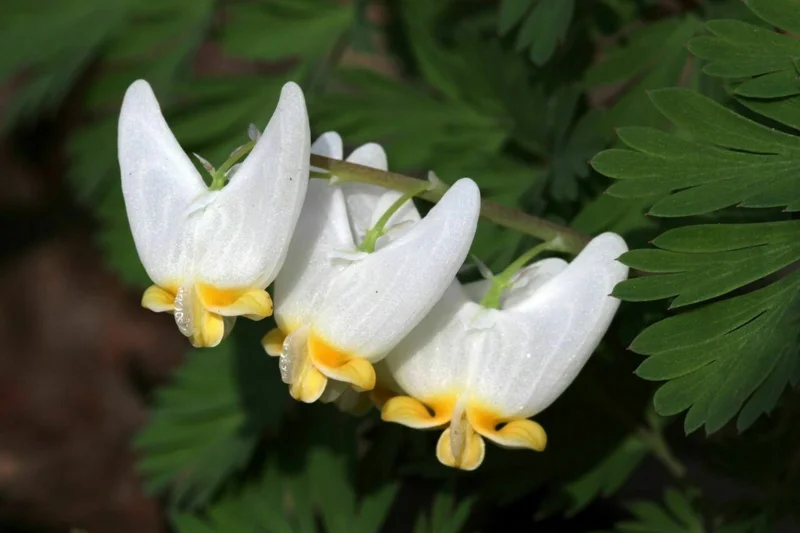
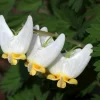
Bring the whimsical charm of a true American native to your garden with these 5 Dutchman’s Breeches bulbs. Dicentra cucullaria, commonly known as Dutchman’s Breeches, is a delightful perennial wildflower renowned for its distinctive creamy white, pant-shaped flowers that appear in early spring. These unique blooms, which resemble tiny breeches hung upside down to dry, emerge on delicate stems above finely cut, gray-green foliage. As the season progresses, the foliage gracefully transitions to a pale yellow before typically going dormant in summer, making it an excellent choice for naturalizing in woodland settings or shaded garden areas where it can provide early season interest. This native plant is a true harbinger of spring, offering beauty and ecological benefits.
Perfect for gardeners seeking low-maintenance yet captivating additions, these bulbs will establish into robust plants that return year after year. Their unusual flower form and early bloom time make them a standout in any spring landscape. Embrace the subtle elegance of this beloved wildflower and create a serene, natural haven in your own backyard. The gentle beauty of Dutchman’s Breeches bulbs will enchant all who encounter them.
Key Benefits
Adding Dutchman’s Breeches bulbs to your garden offers a variety of advantages, from their unique aesthetic to their ecological contributions:
- Unique Spring Blooms: Enjoy the whimsical and distinctive creamy white flowers that resemble tiny breeches, providing an unusual and charming focal point in your early spring garden. These blooms are truly one-of-a-kind.
- Early Season Interest: As one of the first wildflowers to emerge, Dicentra cucullaria offers much-needed color and life to the landscape after winter, signaling the arrival of warmer weather. It’s a welcome sight for any gardener.
- Deer and Rabbit Resistant: These plants are naturally unappealing to deer and rabbits, making them an excellent choice for gardens where these pests are a concern. You can plant with confidence, knowing your blooms are protected.
- Bee-Friendly: The early-blooming flowers provide a vital nectar source for early emerging pollinators, supporting local bee populations and contributing to a healthy ecosystem. Help your local pollinators thrive.
- Perennial Hardiness: Once established, Dutchman’s Breeches bulbs are reliable perennials, returning year after year with minimal effort, making them a sustainable and enduring garden investment. They offer long-term beauty.
- Adaptable to Shade: Thriving in partial to full shade, these plants are perfect for brightening up under trees, along north-facing walls, or in other areas where many sun-loving plants struggle. They fill those tricky spots beautifully.
- Low Maintenance: After planting, these bulbs require little ongoing care, making them ideal for busy gardeners or those looking for an easy-to-grow wildflower. Their natural resilience makes them a joy to cultivate.
Plant Care & Growing Tips
Growing Dutchman’s Breeches bulbs is a rewarding experience, especially with a few key care considerations. These charming plants thrive in conditions that mimic their native woodland habitats. For optimal growth, plant your bulbs in a location that receives full to partial shade. While they can tolerate some morning sun, protection from intense afternoon sun is crucial, as it can scorch their delicate foliage. Aim for at least 4-6 hours of indirect light or dappled shade throughout the day. They are hardy in USDA Zones 3-8, making them suitable for a wide range of climates. Ensure your chosen site has good air circulation to prevent fungal issues.
When it comes to watering, Dicentra cucullaria prefers consistently moist but not waterlogged soil, especially during its active growing and blooming period in early spring. Once the foliage begins to yellow and die back in late spring or early summer, the plants enter dormancy, and watering can be reduced. The ideal soil type is rich, well-draining, and high in organic matter, such as leaf mold or compost. A slightly acidic to neutral pH (6.0-7.0) is generally preferred. Fertilization is usually not heavily required; a light application of a balanced, slow-release granular fertilizer or a top-dressing of compost in early spring can be beneficial but is often optional in rich soils. Watch out for slugs and snails, which can sometimes damage young foliage; organic baits or physical barriers can help. These perennial wildflowers are generally problem-free, especially when their preferred growing conditions are met, ensuring a beautiful display year after year. Proper care will help your spring blooming plants flourish.
Size & Details
This offering includes 5 Dutchman’s Breeches bulbs (Dicentra cucullaria), ready for planting. Each bulb is a dormant root system, carefully selected to ensure vigorous growth. Once established, these plants typically grow to a height of 6-12 inches (15-30 cm) with a similar spread, forming attractive clumps. Their growth rate is moderate, establishing themselves well within the first year and spreading gently over time to create a beautiful carpet of early spring blooms. They are typically shipped as bare-root bulbs, ensuring they are in optimal condition for planting upon arrival. The delicate foliage emerges in early spring, followed by the distinctive flowers, and then the plant goes dormant by mid-summer, making them excellent companions for later-emerging perennials or ferns. Expect blooms to appear from late March through April, depending on your specific climate zone. These deer resistant plants are a perfect addition for a naturalized look.
Frequently Asked Questions
- Q: How big does this plant get? A: Dutchman’s Breeches bulbs typically grow to a height of 6-12 inches (15-30 cm) with a similar spread, forming lovely clumps of delicate foliage and flowers. They remain relatively compact, making them suitable for various garden spaces.
- Q: Is this an indoor or outdoor plant? A: These are outdoor plants, specifically perennial wildflowers, best suited for naturalizing in garden beds, woodland areas, or shaded borders. They are not typically grown as indoor houseplants.
- Q: How much sunlight does it need? A: Dutchman’s Breeches thrives in partial to full shade. They prefer dappled sunlight or indirect light for most of the day, with protection from harsh afternoon sun.
- Q: Is this plant easy to care for? A: Yes, once established, Dicentra cucullaria is considered low-maintenance. Provide the right shade and moist, well-draining soil, and it will generally flourish with minimal intervention, making it great for beginner gardeners.
- Q: What condition will the Dutchman’s Breeches bulbs arrive in? A: The product consists of 5 Dutchman’s Breeches bulbs, which are dormant root systems. They will arrive ready for planting, carefully packaged to ensure their health and viability.
- Q: When is the best time to plant these bulbs? A: The best time to plant these bulbs is in the fall, allowing them to establish roots over winter for a beautiful spring display. They can also be planted in early spring as soon as the ground is workable.
- Q: Will these plants survive winter in my zone? A: Yes, Dutchman’s Breeches bulbs are hardy in USDA Zones 3-8, meaning they are well-adapted to survive cold winters and return reliably each spring in these regions.
- Q: Are these plants considered deer resistant plants? A: Yes, Dicentra cucullaria is known for being naturally resistant to both deer and rabbits, making it a good choice for gardens prone to these animal visitors.






Reviews
There are no reviews yet.