Overview
Embark on a rewarding gardening journey with our premium pack of dwarf pink dogwood tree seeds. These exceptional seeds, scientifically known as Cornus florida ‘Fubra’, promise to transform your landscape with their captivating beauty. The Dwarf Pink Dogwood is a highly sought-after ornamental tree, celebrated for its showy pink bracts that emerge in spring, creating a breathtaking display. Unlike its larger counterparts, the dwarf variety offers a more compact growth habit, making it an ideal choice for smaller gardens, urban landscapes, or even container planting where space is a consideration. Each seed holds the potential for a resilient and visually stunning tree that will become a focal point in your outdoor sanctuary. Growing from seed offers a unique connection to nature, allowing you to nurture a plant from its earliest stage and witness its full development. These cornus florida fubra seeds are carefully selected to ensure viability and robust growth, providing you with the best possible start for your new flowering tree.
The allure of the Dwarf Pink Dogwood extends beyond its springtime blossoms. In autumn, its foliage transitions to rich shades of red and purple, adding another layer of seasonal interest to your garden. Bright red berries follow the flowers, providing a valuable food source for local wildlife, particularly birds. This makes the Dwarf Pink Dogwood not just a visually appealing plant, but also an ecologically beneficial addition to your ecosystem. Its elegant branching structure and attractive bark ensure it remains an appealing feature even in winter, offering year-round beauty. Whether you are an experienced gardener or a budding enthusiast, cultivating these flowering dogwood seeds is a fulfilling endeavor that yields spectacular results.
Key Benefits
Integrating dwarf pink dogwood tree seeds into your garden plan offers a multitude of advantages, enhancing both aesthetic appeal and ecological value:
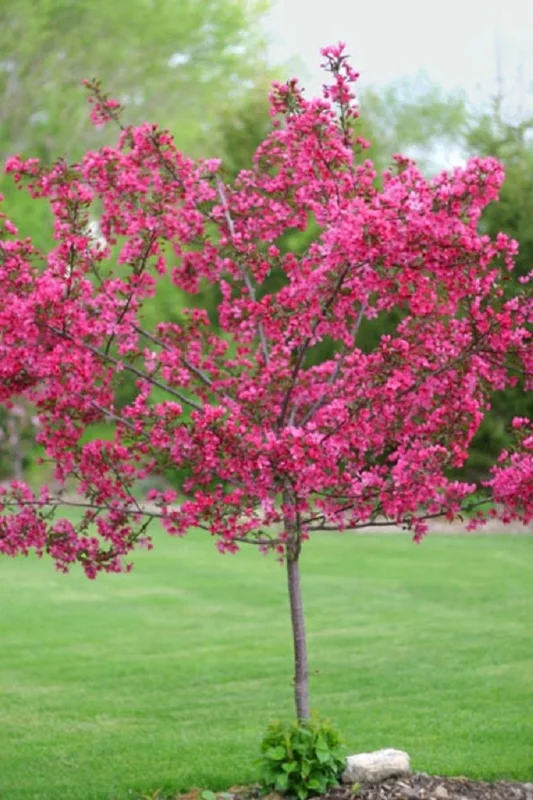
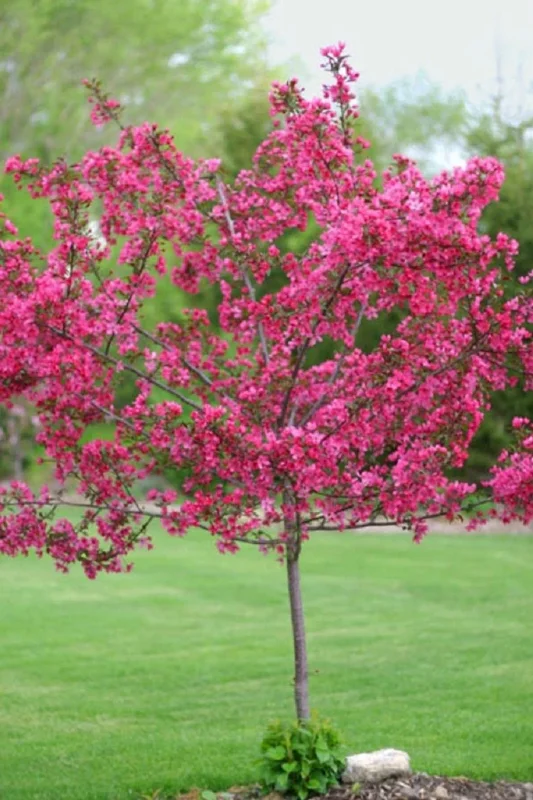
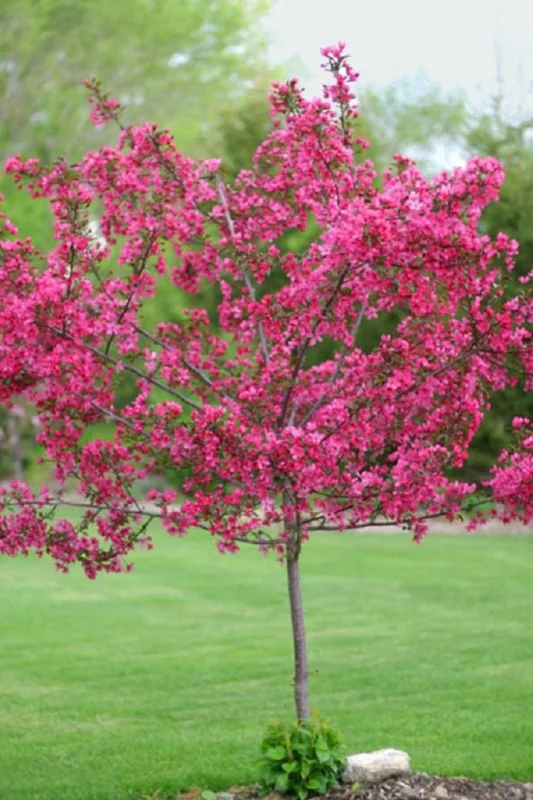
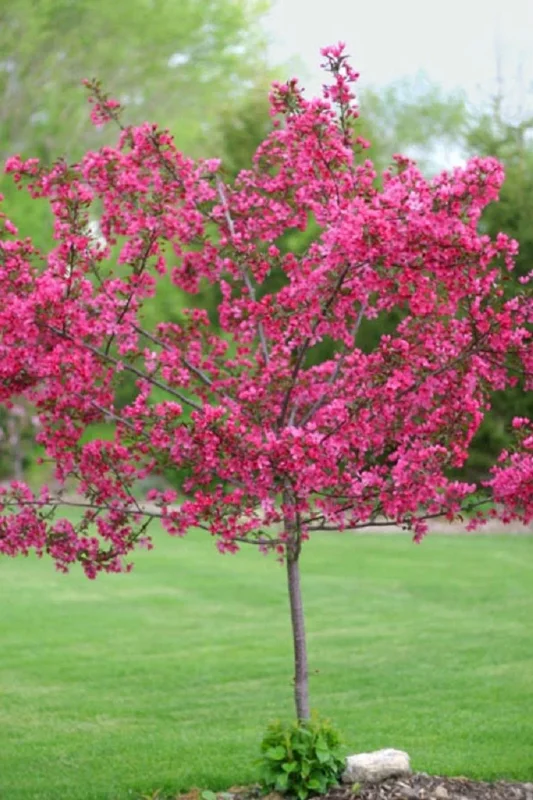
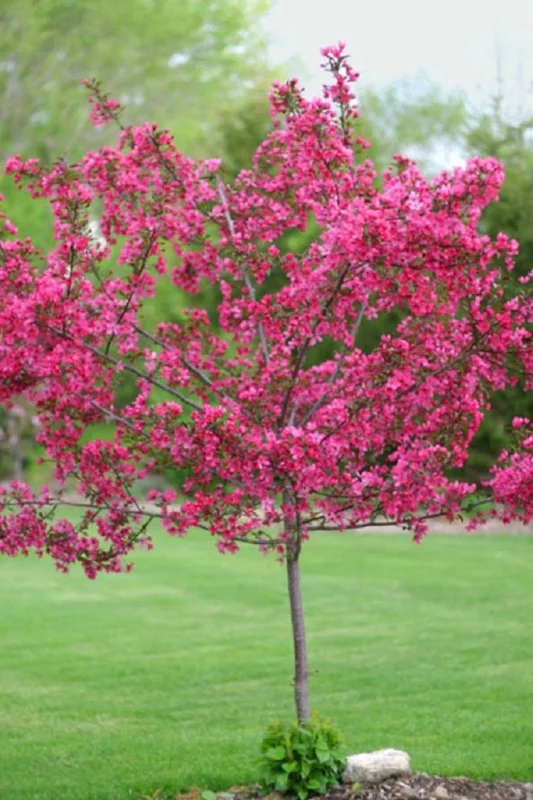
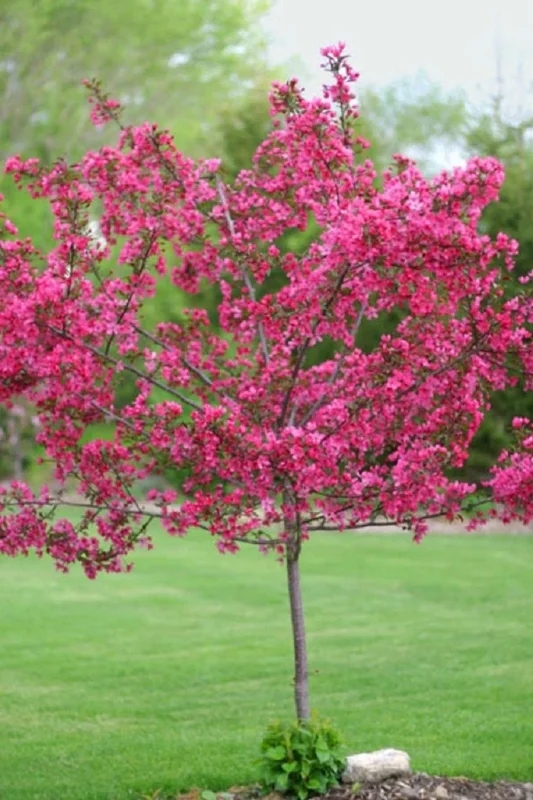
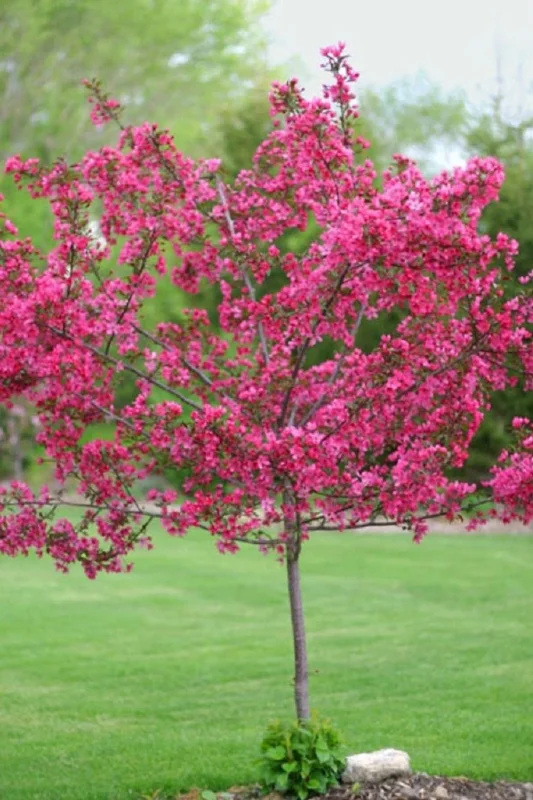
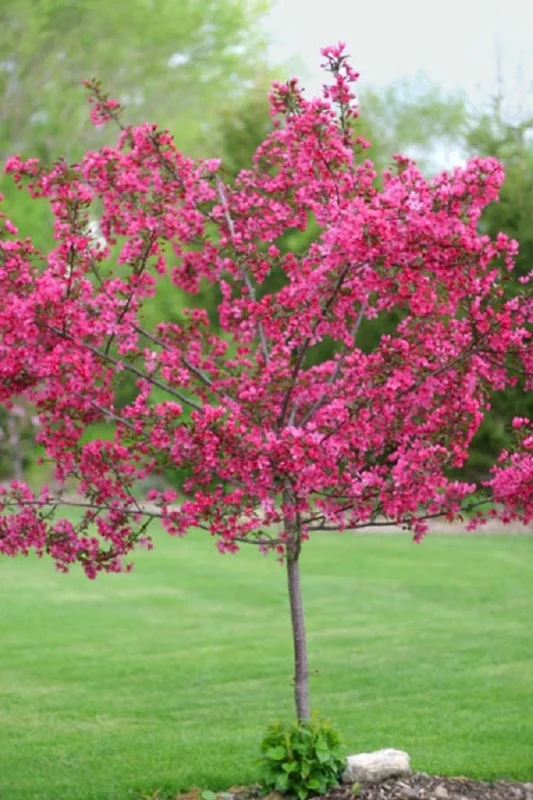
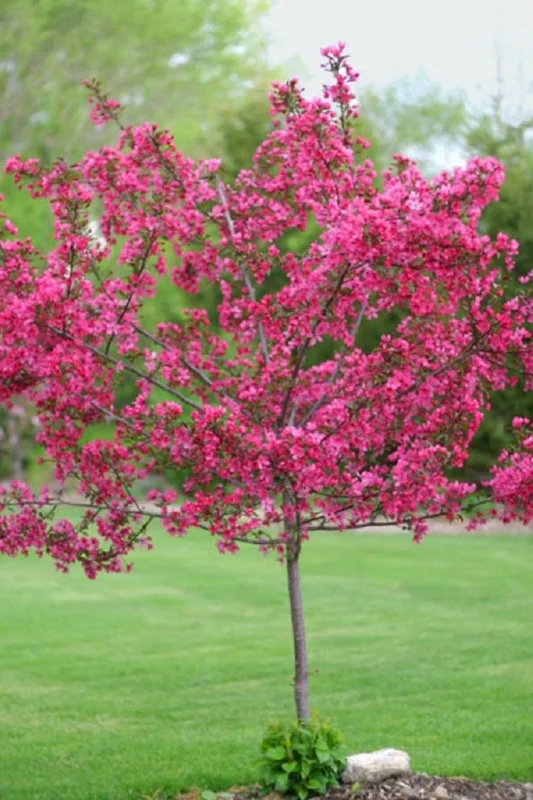
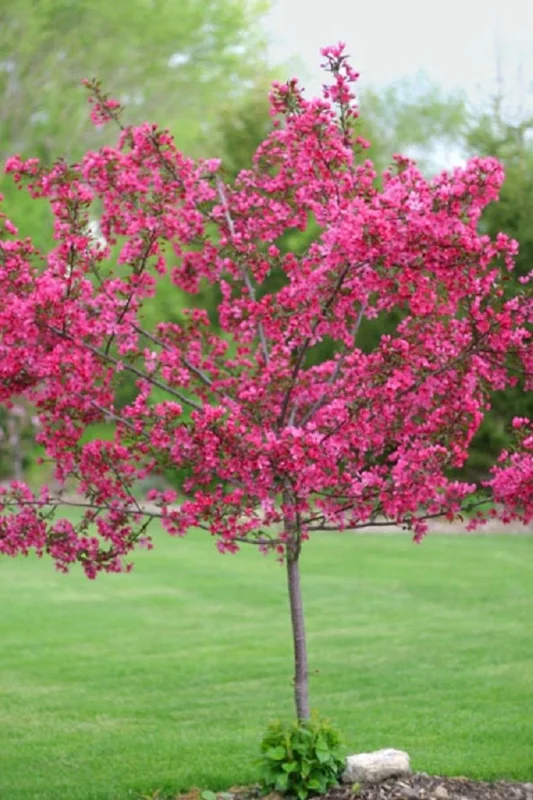
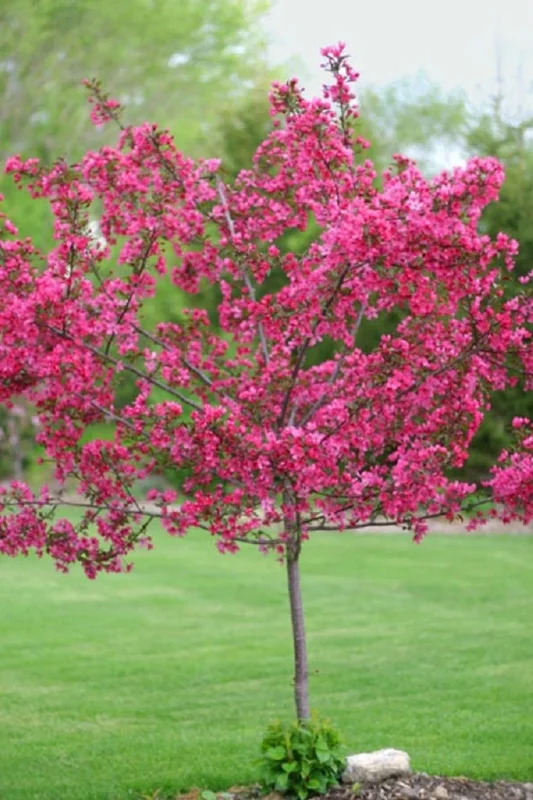
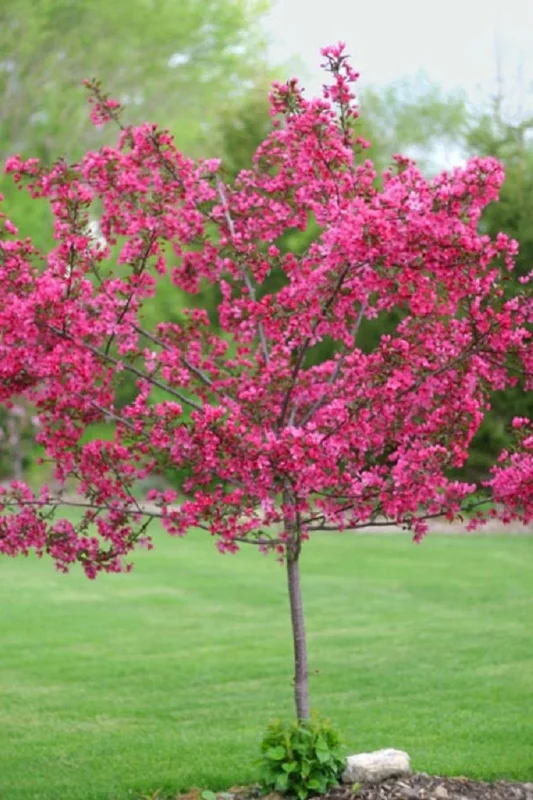
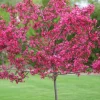
Stunning Spring Blooms: The primary draw of the Dwarf Pink Dogwood is its magnificent display of vibrant pink bracts in early to mid-spring. These showy ‘flowers’ create a striking visual impact, heralding the arrival of warmer weather and providing a spectacular focal point in any garden setting. The delicate pink hues add a touch of elegance and charm.
Compact Growth Habit: As a dwarf variety, this tree maintains a smaller, more manageable size compared to standard dogwoods. This makes it perfectly suited for gardens with limited space, urban environments, or even for growing in large containers on patios or balconies, offering flexibility in landscape design.
Year-Round Interest: Beyond its spring flowers, the Dwarf Pink Dogwood offers beauty throughout the seasons. Its dark green summer foliage transforms into brilliant shades of red and purple in autumn, followed by attractive red berries that persist into winter, providing continuous visual appeal.
Wildlife Attraction: The bright red berries produced in the fall are a valuable food source for various bird species, making your garden a haven for local wildlife. This ecological benefit adds another dimension to the enjoyment of your outdoor space, fostering biodiversity.
Hardy and Adaptable: The hardy dogwood seeds are known for their resilience and ability to thrive in a range of conditions once established. They are relatively low-maintenance, making them a suitable choice for gardeners seeking a beautiful yet undemanding ornamental tree.
Unique Gardening Experience: Growing a tree from seed provides a deeply satisfying and educational experience. It allows you to observe the entire life cycle of the plant, from germination to maturity, fostering a deeper connection with nature and the gardening process.
Plant Care & Growing Tips
Successfully cultivating dwarf pink dogwood tree seeds requires attention to specific environmental factors and consistent care. Dogwoods thrive in well-drained, acidic soil that is rich in organic matter. Before planting, amend heavy clay soils with compost or peat moss to improve drainage, or sandy soils to enhance water retention. A soil pH between 5.5 and 6.5 is ideal. When selecting a site, consider an area that receives partial shade, particularly in regions with hot summers. While dogwoods can tolerate full sun in cooler climates, afternoon shade helps protect the foliage from scorching and reduces stress on the tree, leading to healthier growth and better flowering. Adequate air circulation is also important to prevent fungal diseases.
Germinating cornus florida fubra seeds typically requires a period of stratification to break dormancy. This process mimics natural winter conditions. You can achieve this by moistening the seeds and placing them in a sealed plastic bag with a substrate like sand or peat moss, then refrigerating them for 90-120 days at temperatures between 35-40°F (1-4°C). After stratification, sow the seeds about 1/2 inch deep in a sterile seed-starting mix. Keep the soil consistently moist but not waterlogged. Germination can be slow and erratic, sometimes taking several weeks or even months. Once seedlings emerge, provide bright, indirect light. As they grow, gradually acclimate them to outdoor conditions before transplanting them into their permanent location.
Watering is crucial, especially during the first few years after planting. Young Dwarf Pink Dogwood trees need consistent moisture to establish a strong root system. Water deeply once or twice a week, or more frequently during dry spells, ensuring the top few inches of soil remain moist. Avoid overhead watering to minimize the risk of leaf spot diseases. Once established, dogwoods are relatively drought-tolerant but will benefit from supplemental watering during prolonged dry periods. Fertilize sparingly in early spring with a balanced, slow-release fertilizer formulated for acid-loving plants. Pruning should be done in late winter or early spring to remove dead, damaged, or crossing branches, and to maintain the tree’s shape. Proper care will ensure your pink dogwood tree seeds grow into magnificent specimens.
Size & Details
This offering includes 5 high-quality dwarf pink dogwood tree seeds (Cornus florida ‘Fubra’), ready for stratification and planting. When mature, the Dwarf Pink Dogwood typically reaches a height of 15-20 feet with a similar spread, creating a beautiful, rounded canopy. Its compact size distinguishes it from standard dogwood varieties, making it an excellent choice for smaller garden spaces or as an understory tree. The growth rate is moderate, meaning it will gradually develop into a stately specimen over several years, rewarding your patience with increasing beauty each season. These seeds are harvested from healthy, vibrant parent plants to ensure genetic integrity and robust growth. Expect to see the first significant flowering display within 3-5 years after successful germination and establishment, with blooms becoming more abundant as the tree matures. The seeds arrive ready for the necessary stratification process to prepare them for germination.
Frequently Asked Questions
Q: How big does a Dwarf Pink Dogwood tree get? A: A mature Dwarf Pink Dogwood typically reaches a height of 15-20 feet and has a similar spread. Its compact nature makes it suitable for various garden sizes, providing a beautiful focal point without overwhelming the space.
Q: Is this an indoor or outdoor plant? A: The Dwarf Pink Dogwood (Cornus florida ‘Fubra’) is an outdoor ornamental tree. It requires a period of dormancy and specific environmental conditions that cannot be replicated indoors for long-term health and flowering. These dwarf pink dogwood tree seeds are meant for outdoor cultivation.
Q: How much sunlight does it need? A: Dwarf Pink Dogwoods prefer partial shade, especially in areas with hot summers. They can tolerate full sun in cooler climates, but afternoon shade helps protect the foliage from scorching and ensures optimal growth and bloom production. Aim for at least 4-6 hours of sunlight daily.
Q: Is this plant easy to care for? A: Once established, Dwarf Pink Dogwood trees are relatively low-maintenance. The initial germination and establishment phase from flowering dogwood seeds requires careful attention to stratification, soil, and watering. With proper care, they are a rewarding addition to any garden.
Q: What condition will the seeds arrive in? A: Your cornus florida fubra seeds will arrive as dormant seeds, ready for the stratification process. They will be carefully packaged to ensure their viability and protection during transit, preparing them for your planting efforts.
Q: How long until it blooms? A: After successful germination and establishment, a Dwarf Pink Dogwood grown from seed typically begins to produce its first significant blooms within 3-5 years. The flowering will become more prolific and showy as the tree continues to mature.
Q: What’s the best time to plant these seeds? A: The best time to stratify and plant hardy dogwood seeds is in the late fall or early winter, mimicking natural conditions. This allows them to undergo the necessary cold stratification period over winter for spring germination. Alternatively, artificial stratification can be done in the refrigerator.
Q: What type of soil is best for Dwarf Pink Dogwoods? A: Dwarf Pink Dogwoods thrive in well-drained, acidic soil that is rich in organic matter. A soil pH between 5.5 and 6.5 is ideal. Amending your soil with compost or peat moss can help create the perfect growing environment for these trees.
Q: Are these seeds suitable for beginner gardeners? A: While growing trees from seed can be more challenging than planting established saplings, cultivating dwarf pink dogwood tree seeds is achievable for beginners with patience and adherence to proper stratification and care instructions. It’s a great learning experience.
Q: Will the berries attract wildlife? A: Yes, the bright red berries that follow the spring flowers in autumn are a favorite food source for many bird species. Planting Dwarf Pink Dogwood trees can help attract and support local wildlife in your garden, enhancing biodiversity.






Reviews
There are no reviews yet.