Overview
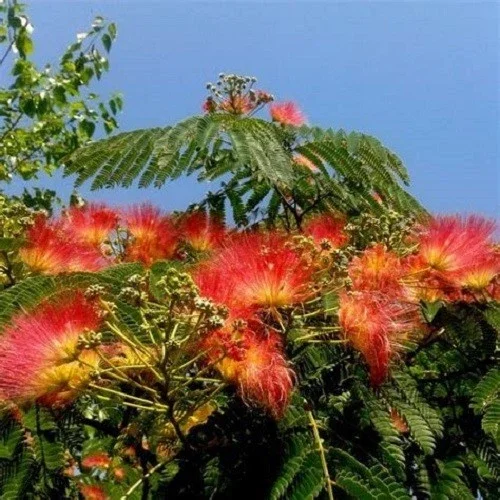
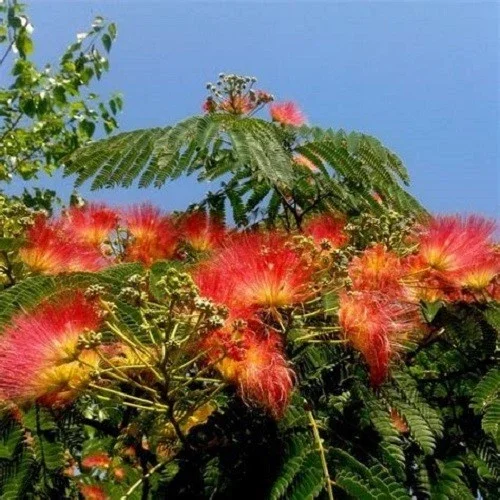
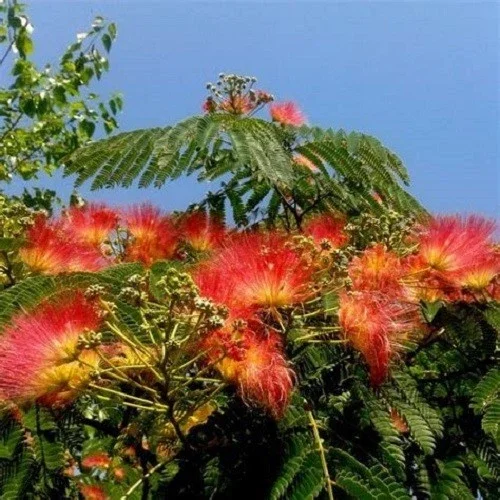
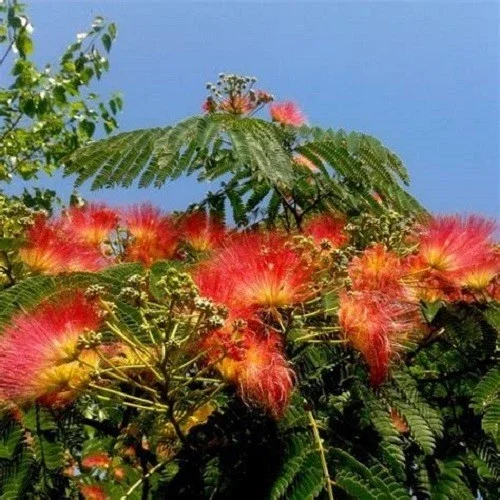
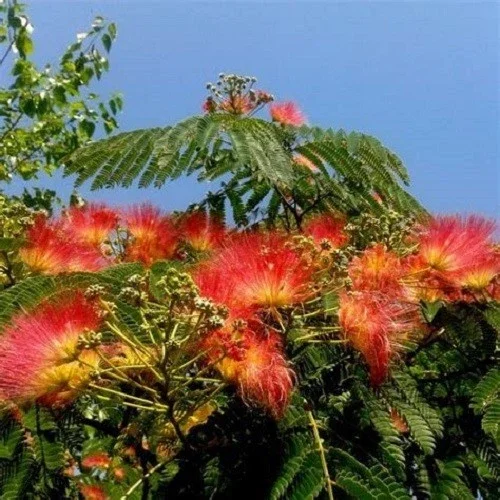
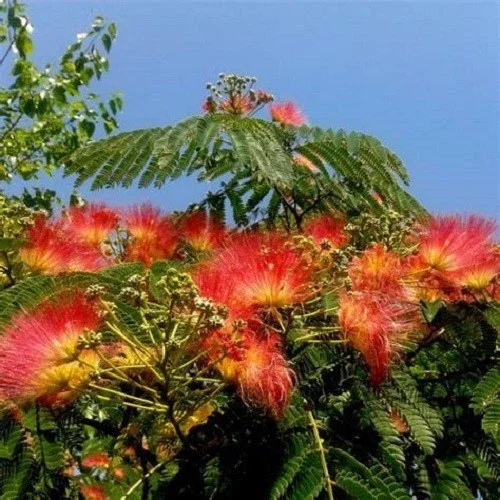
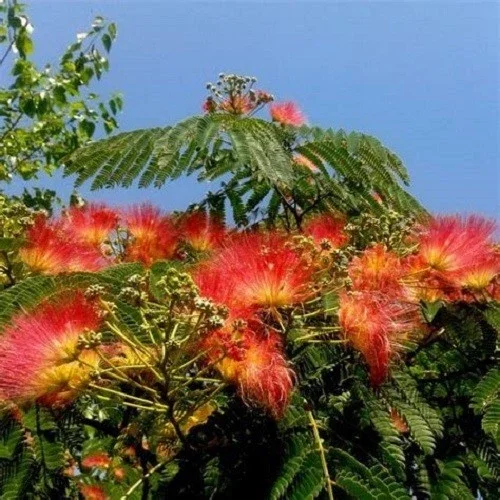
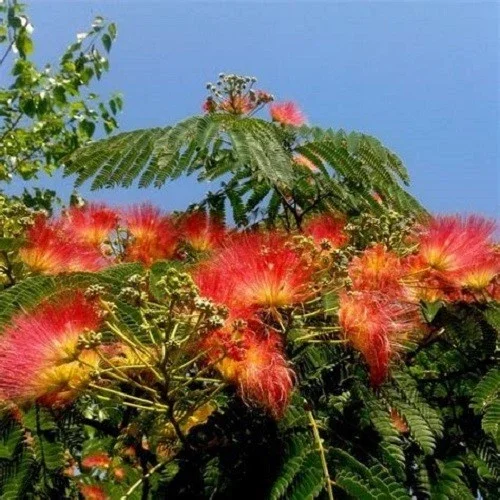
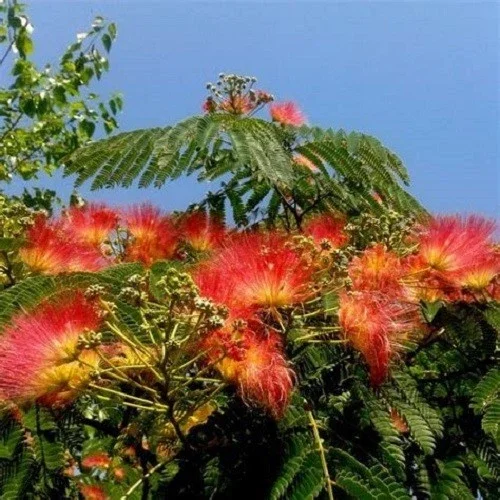
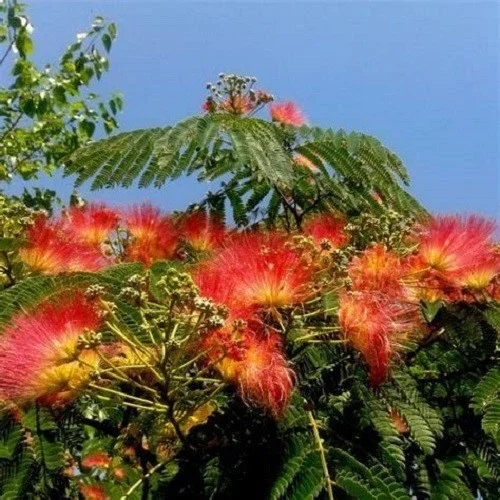
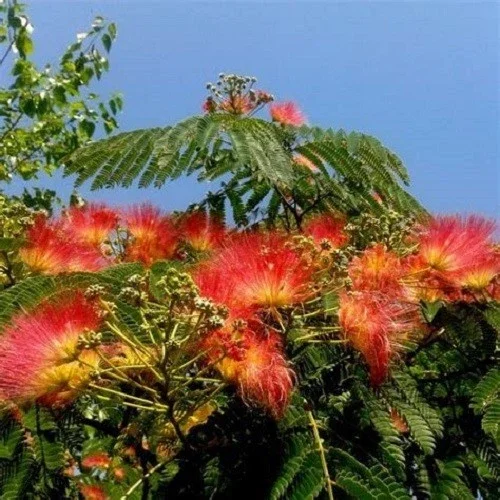
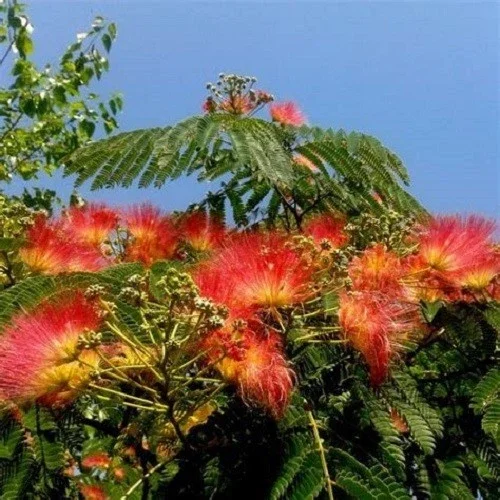
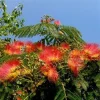
Embark on a rewarding gardening journey with these high-quality orange mimosa tree seeds. Known scientifically as Albizia julibrissin, the mimosa tree, also often called a silk tree, is celebrated for its distinctive fern-like foliage and beautiful, fluffy, orange-pink, powder-puff flowers that bloom throughout the summer. This packet contains 5 viable perennial seeds, offering an excellent opportunity to grow these elegant deciduous trees from scratch. Originating from Asia, the mimosa tree has become a popular ornamental choice in many parts of the world due to its rapid growth and captivating appearance. Whether you’re an experienced gardener or just starting, planting Albizia julibrissin seeds provides a fulfilling experience, culminating in a mature tree that offers shade and a striking visual impact in your garden.
These orange mimosa tree seeds are perfect for those looking to introduce an exotic touch to their landscape. The delicate blooms are not only visually appealing but also emit a pleasant fragrance, attracting pollinators like bees and butterflies. Imagine the serene beauty of a mature mimosa tree, with its widespread canopy providing dappled shade on a warm summer day. Growing mimosa trees from seed allows you to witness the entire life cycle of this magnificent plant, from a tiny sprout to a majestic tree. Prepare to be enchanted by the charm and grace of the silk tree as it transforms your outdoor space.
Key Benefits
Cultivating a mimosa tree from these orange mimosa tree seeds offers numerous advantages for your garden and personal enjoyment. The unique characteristics of the Albizia julibrissin make it a standout choice for various landscape designs.
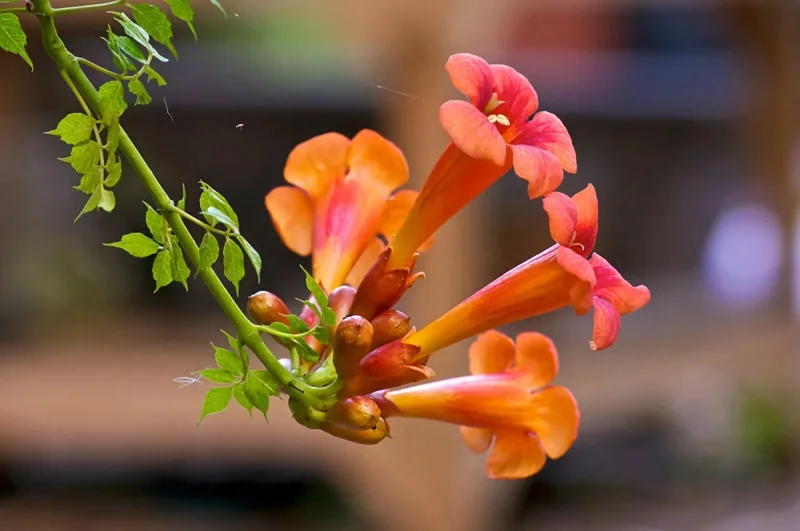
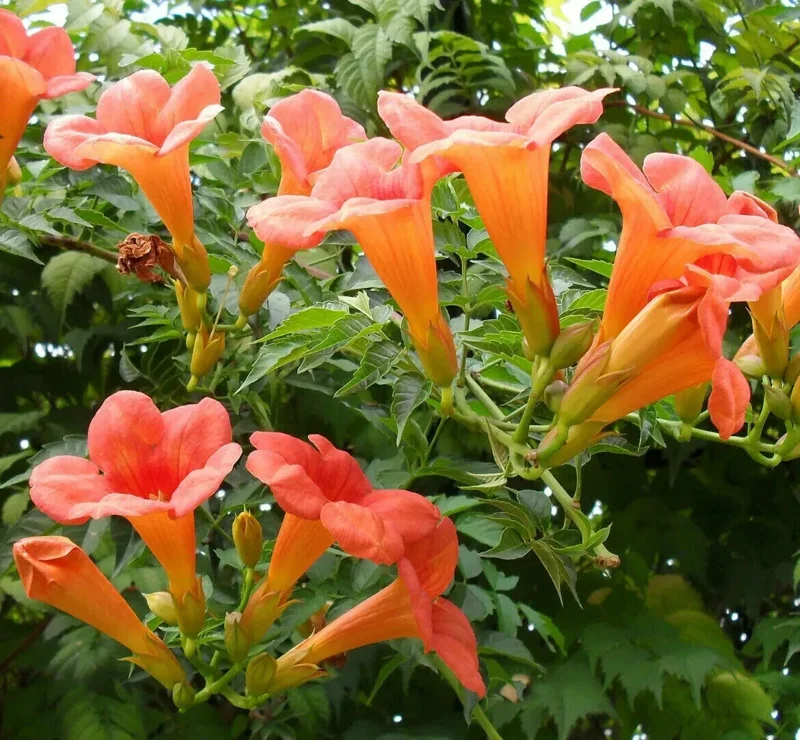
Exotic Floral Display: Enjoy a prolonged blooming period of stunning, fragrant, orange-pink, silk-like flowers that add a tropical flair to your garden. These unique blossoms are a true conversation starter.
Attractive Foliage: The delicate, fern-like leaves provide a soft, airy texture, offering visual interest even when the tree is not in bloom. The foliage closes up at night, adding another fascinating element.
Rapid Growth: Mimosa trees are known for their relatively fast growth rate, allowing you to establish a substantial tree in your landscape more quickly than many other species. This makes growing mimosa tree from seed a rewarding endeavor.
Shade Provider: With its wide, spreading canopy, a mature mimosa tree offers excellent dappled shade, perfect for creating a comfortable seating area in your yard during hot summer months.
Pollinator Magnet: The fragrant flowers are a strong draw for bees, butterflies, and hummingbirds, contributing to the biodiversity and health of your garden ecosystem. These perennial tree seeds support local wildlife.
Low Maintenance: Once established, mimosa trees are generally hardy and require minimal care, making them suitable for gardeners seeking beautiful plants without excessive upkeep.
Versatile Landscaping: Ideal as a specimen tree, for street planting, or as part of a mixed border, the mimosa tree adapts well to various garden settings, enhancing curb appeal.
Plant Care & Growing Tips
To successfully cultivate your orange mimosa tree seeds, understanding their specific care requirements is crucial. Mimosa trees thrive in conditions that mimic their native habitats, primarily warm, sunny environments. Start by scarifying the hard seed coat to improve germination. You can do this by gently rubbing the seeds with sandpaper or nicking them with a knife, being careful not to damage the inner embryo. After scarification, soak the seeds in warm water for 24 hours. This process helps to soften the seed coat further and encourages quicker germination. Plant the treated Albizia julibrissin seeds about 1/4 to 1/2 inch deep in a well-draining seed-starting mix.
For optimal growth, mimosa trees prefer full sun exposure, meaning at least 6-8 hours of direct sunlight per day. They are quite adaptable to various soil types but perform best in well-draining soil with a neutral to slightly acidic pH. Avoid heavy, waterlogged soils, as this can lead to root rot. Once established, these perennial tree seeds will develop into trees that are relatively drought-tolerant, but consistent watering is important during their early growth stages. Water deeply and regularly, especially during dry spells, to encourage a strong root system. Reduce watering once the tree is mature, allowing the soil to dry out between waterings.
Mimosa trees are generally hardy in USDA zones 6-10. In colder climates, young trees may benefit from winter protection. Fertilization is usually not heavily required; however, a balanced, slow-release fertilizer can be applied in spring to young trees to promote vigorous growth. Pruning should be done in late winter or early spring to remove any dead, damaged, or crossing branches and to shape the canopy. While generally resilient, keep an eye out for common pests like webworms or diseases like mimosa vascular wilt, which can be managed with appropriate horticultural practices. Proper care will ensure your growing mimosa tree from seed flourishes into a magnificent specimen.
Size & Details
These orange mimosa tree seeds will grow into a medium-sized deciduous tree, typically reaching heights of 20 to 40 feet with a similar spread when mature. The tree develops a broad, flat-topped canopy, providing excellent dappled shade. The mature trunk can reach a diameter of 1 to 2 feet. The seeds themselves are small, hard, and brown, ready for planting to initiate their growth cycle. From the moment you plant these Albizia julibrissin seeds, you can expect germination within 2-4 weeks under ideal conditions. The saplings will grow relatively quickly, often gaining several feet in height each year.
The first blooms typically appear within 3-5 years after planting, with the tree reaching its full splendor in about 10-15 years. Each packet contains 5 viable perennial seeds, providing ample opportunity to start multiple trees or ensure successful germination. The seeds are packaged to maintain viability until planting. The feathery leaves are bipinnately compound, giving the tree a delicate appearance. The vibrant orange-pink flowers, which resemble silk threads, are about 1-2 inches in diameter and appear in clusters throughout the summer, from June to August. These silk tree seeds offer a durable and long-lasting addition to your garden landscape.
Frequently Asked Questions
Q: How big does a mimosa tree get from these seeds? A: A mature mimosa tree grown from these orange mimosa tree seeds typically reaches a height of 20 to 40 feet with a similar spread, creating a wide, open canopy perfect for shade.
Q: Is this an indoor or outdoor plant? A: The mimosa tree (Albizia julibrissin) is primarily an outdoor plant. It thrives in full sun and is best suited for garden landscapes where it has ample space to grow.
Q: How much sunlight does a mimosa tree need? A: Mimosa trees require full sun exposure, meaning at least 6-8 hours of direct sunlight per day, to ensure vigorous growth and abundant flowering.
Q: Is this plant easy to care for? A: Once established, mimosa trees are relatively low-maintenance. They are drought-tolerant and adaptable to various soil conditions, making growing mimosa tree from seed a manageable project for many gardeners.
Q: What condition will the seeds arrive in? A: The Albizia julibrissin seeds will arrive in a packet, dormant and ready for planting. They are carefully selected to ensure viability and proper germination when cared for correctly.
Q: When is the best time to plant these mimosa seeds? A: The best time to plant perennial tree seeds like these is in the spring, after the last frost, or in early summer. This allows the seedlings ample time to establish before colder weather.
Q: Will the mimosa tree survive winter in my zone? A: Mimosa trees are hardy in USDA Zones 6-10. In colder regions, young trees may need protection during winter, but mature trees are generally resilient within these zones.
Q: How long until the mimosa tree blooms from seed? A: You can typically expect your mimosa tree to start blooming within 3-5 years after planting these silk tree seeds, with more abundant flowers appearing as the tree matures.
Q: Do these orange mimosa tree seeds attract pollinators? A: Yes, the fragrant, powder-puff flowers of the mimosa tree are highly attractive to pollinators such as bees, butterflies, and hummingbirds, enhancing your garden’s ecosystem.
Q: What kind of soil is best for growing mimosa tree from seed? A: Mimosa trees prefer well-draining soil, ideally with a neutral to slightly acidic pH. Avoid heavy, waterlogged soils for optimal growth and health.






Reviews
There are no reviews yet.