Overview
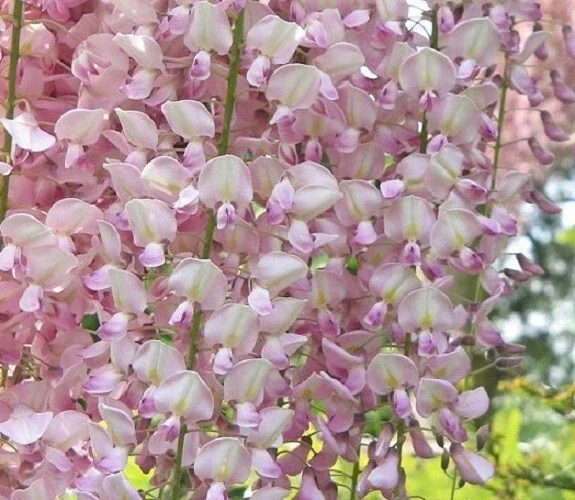
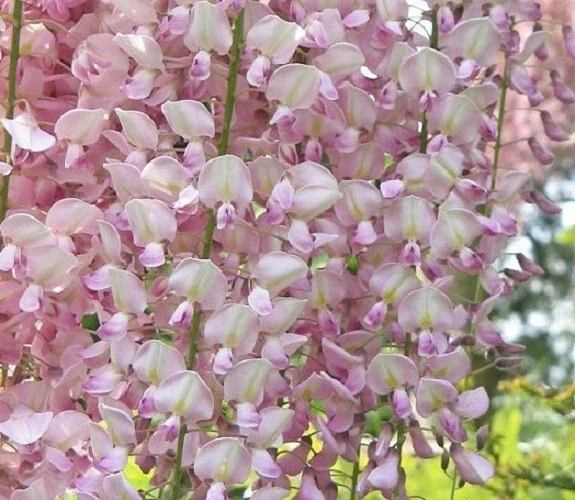
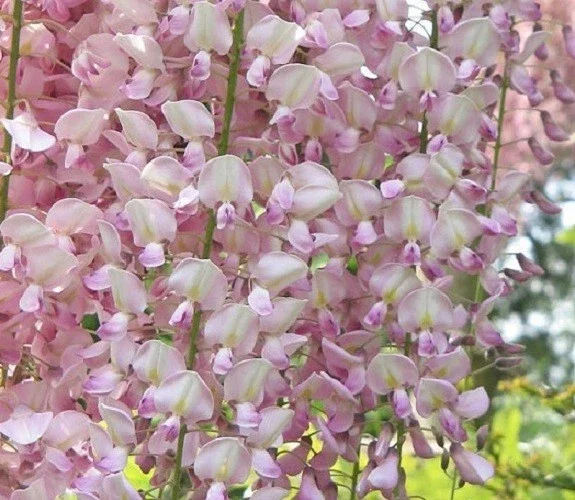
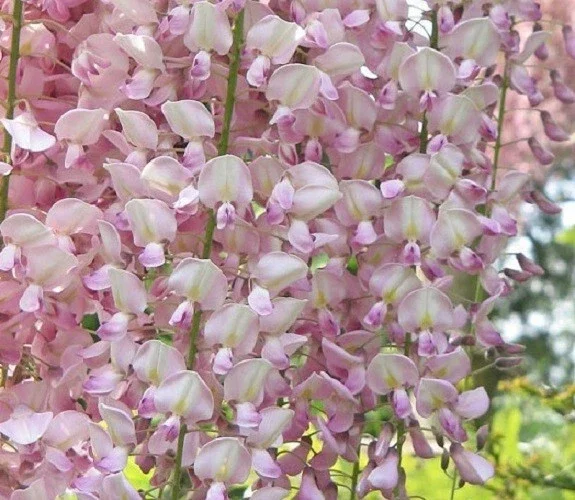
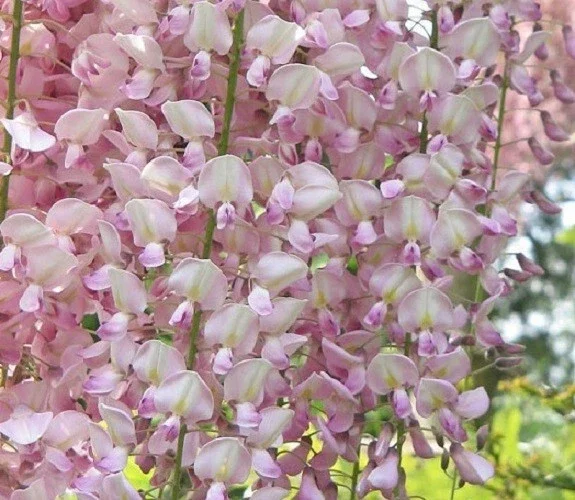
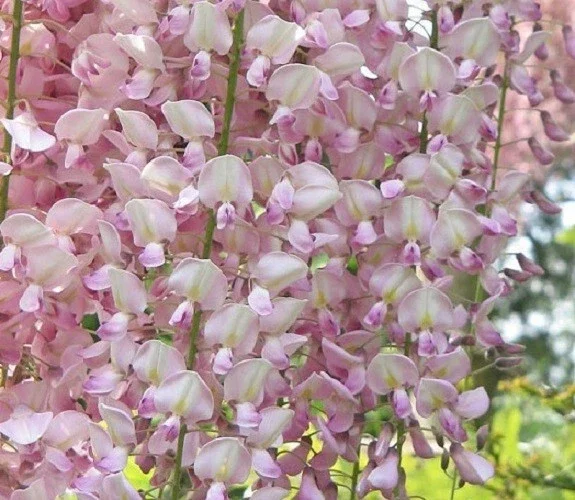
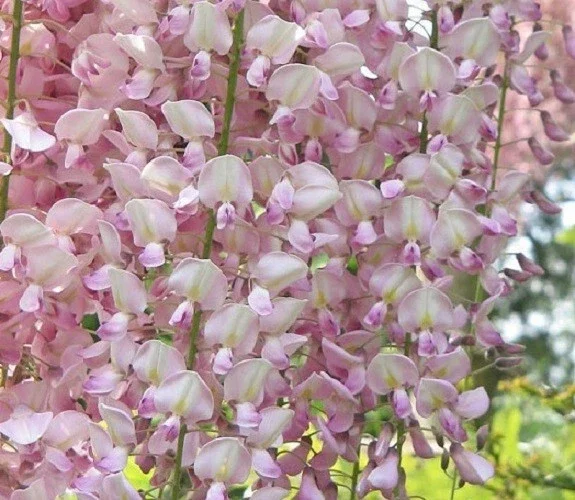
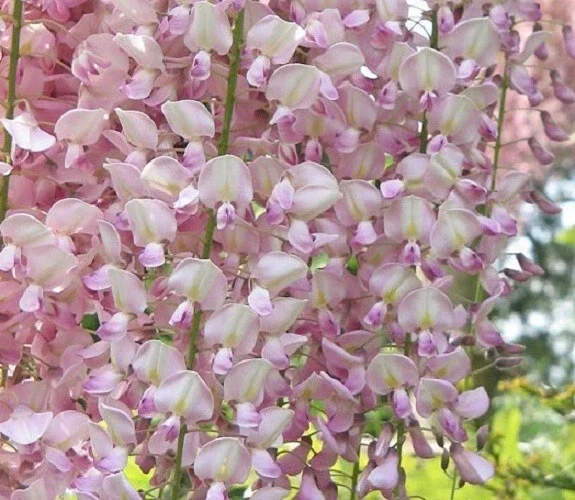
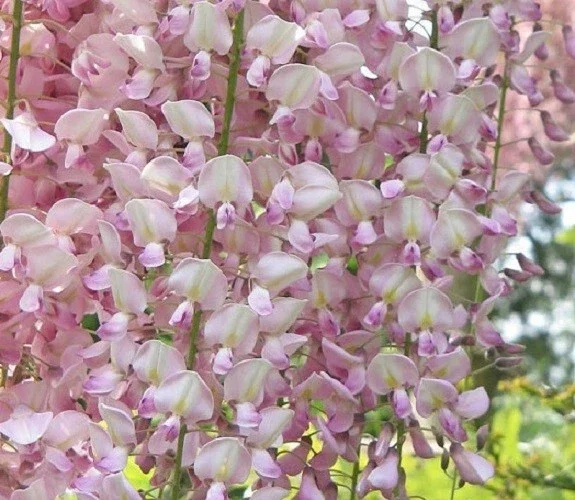
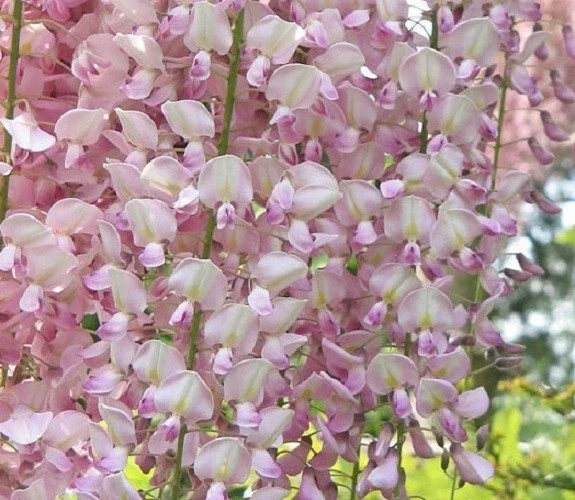
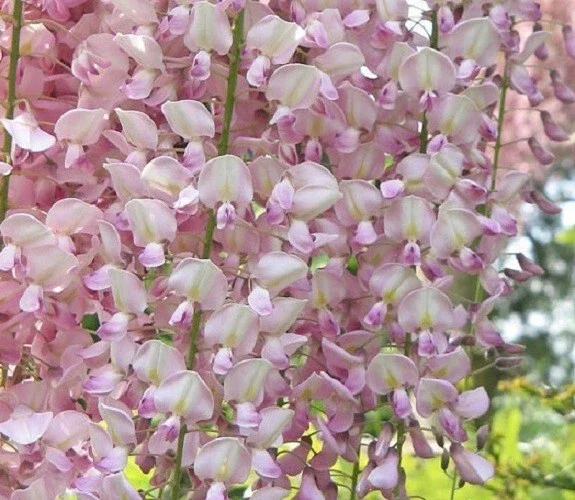
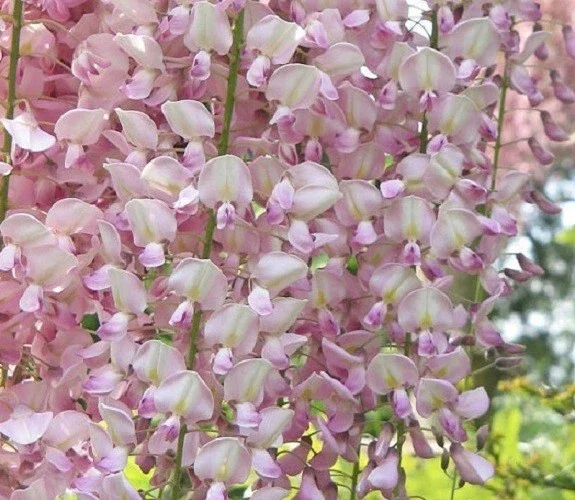
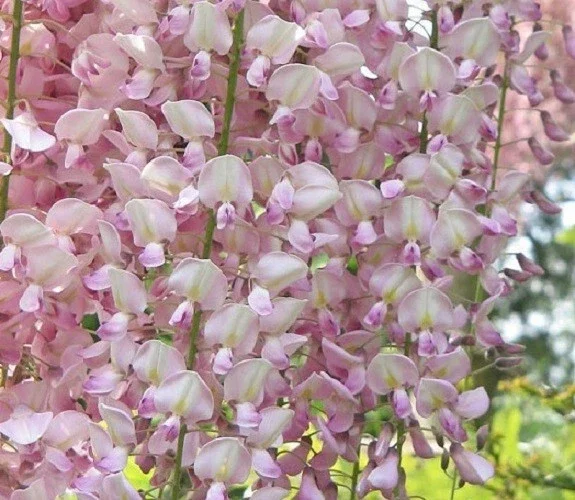
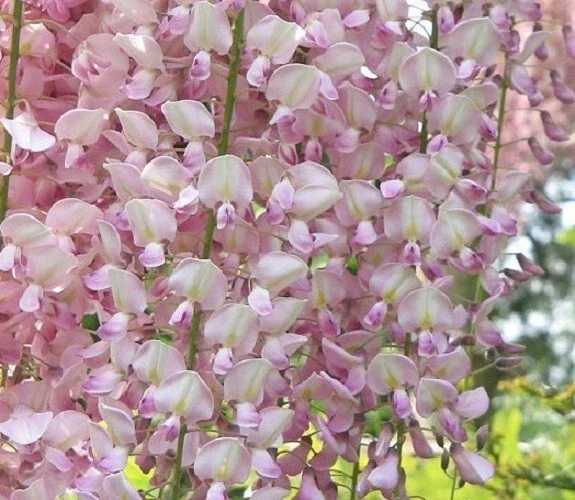
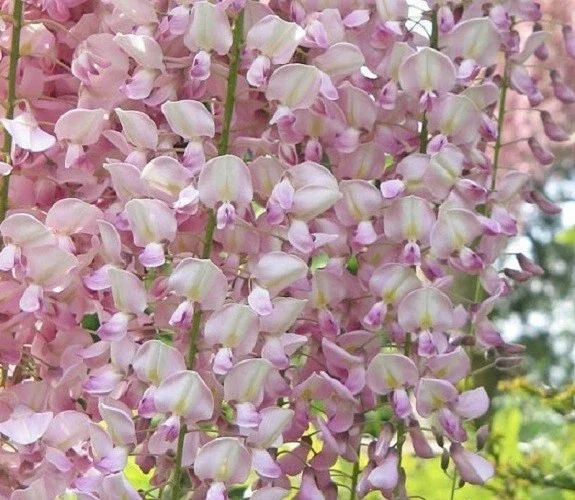
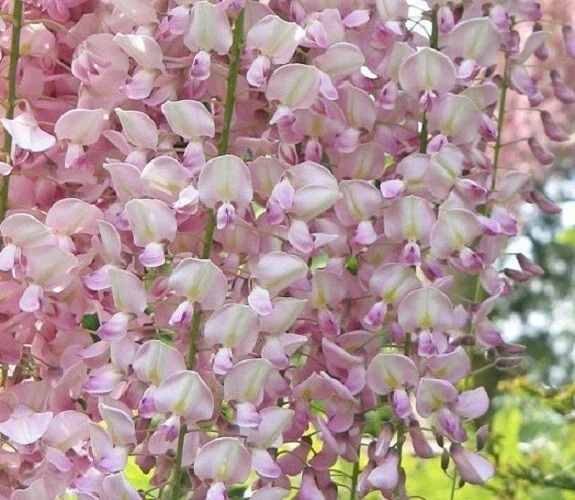
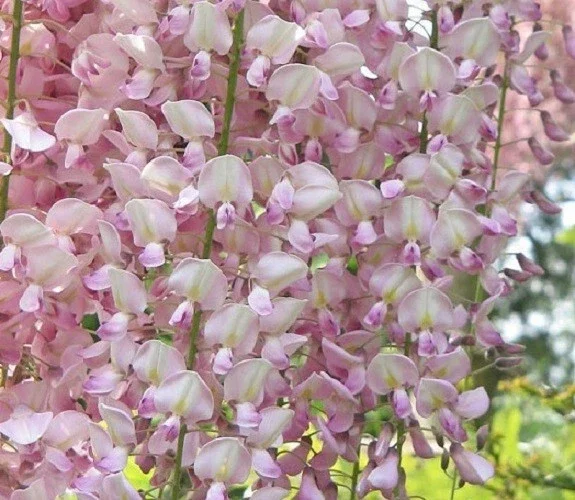
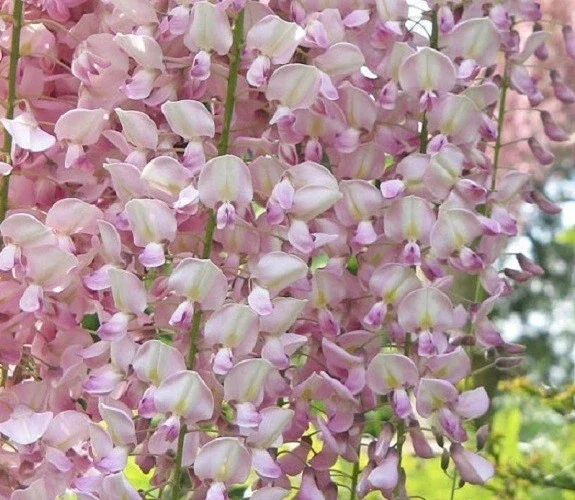
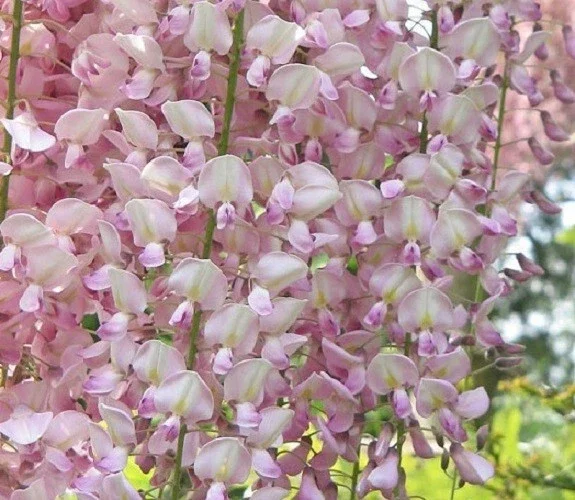
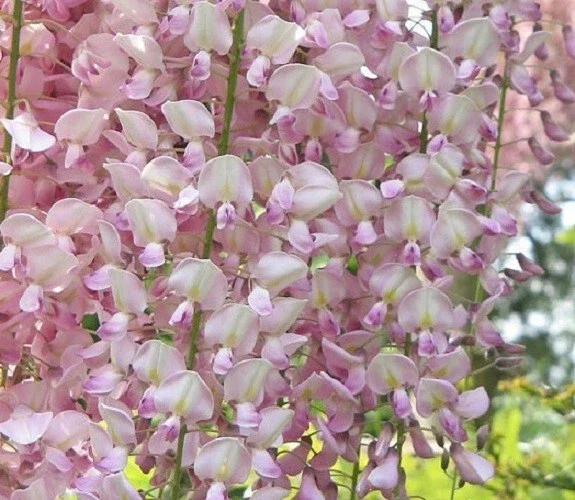
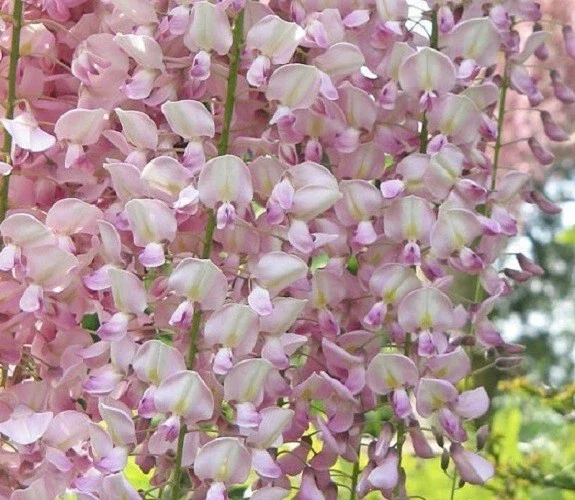
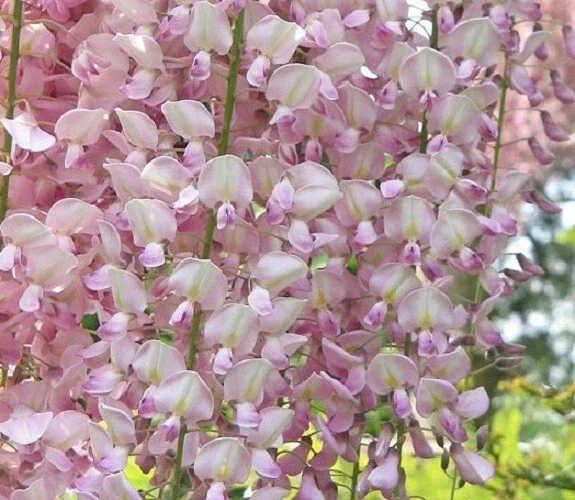
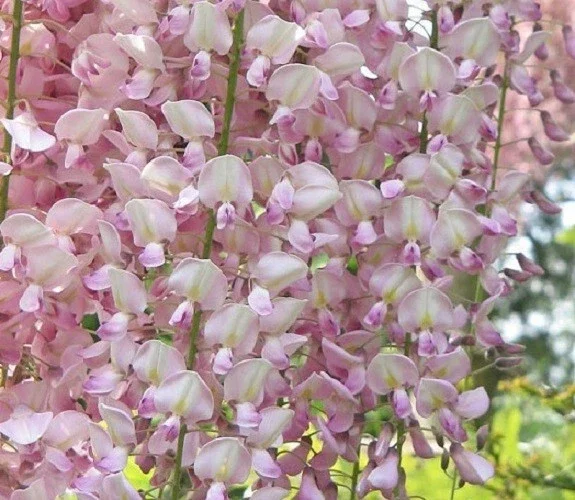
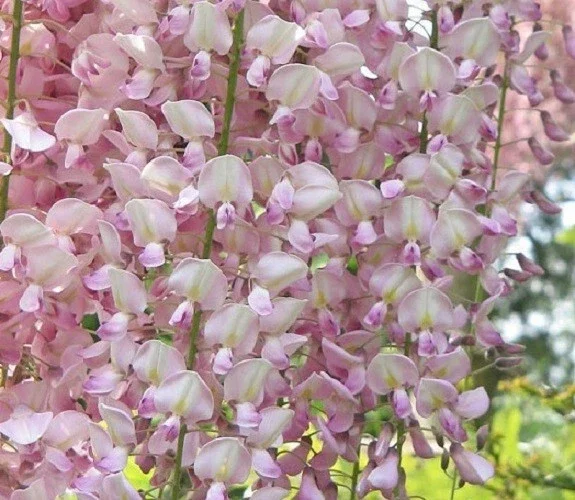
Transform your garden into a whimsical paradise with these exquisite pink wisteria seeds. Wisteria is renowned for its breathtakingly beautiful and fragrant pendulous clusters of flowers, and this pink variety offers a delicate, charming hue that will captivate all who behold it. Growing Wisteria from seed is a rewarding journey, allowing you to nurture these magnificent vines from their very beginning. These seeds promise to develop into a robust climbing wisteria plant, perfect for adorning pergolas, arbors, fences, and walls, creating a spectacular focal point in any landscape. Embrace the joy of gardening and watch as these seeds sprout into a vigorous perennial vine, gracing your outdoor spaces with their enchanting beauty year after year.
Wisteria, a member of the pea family (Fabaceae), is celebrated for its vigorous growth and stunning floral displays. While some varieties can be quite assertive, proper training and pruning will guide your wisteria to create the desired aesthetic. The journey of cultivating a perennial wisteria flower from seed offers a unique connection to nature and the satisfaction of seeing your efforts bloom into a truly magnificent specimen. Prepare to be enchanted by the sweet fragrance and visual splendor that these pink wisteria seeds will bring to your home and garden.
Key Benefits
These pink wisteria seeds offer numerous benefits for the avid gardener and landscape enthusiast:
- Spectacular Floral Display: Enjoy an abundance of long, drooping clusters of delicate pink flowers that create a dramatic and beautiful visual impact, transforming any garden space. The vibrant blooms are a true showstopper.
- Fragrant Blooms: Wisteria is known for its wonderfully sweet and intoxicating fragrance, which will perfume your garden air, especially during its spring and early summer blooming period, creating an inviting atmosphere.
- Rapid Growth and Climbing Nature: As a vigorous climbing vine, wisteria quickly covers structures like pergolas, arbors, and trellises, providing excellent shade and vertical interest, enhancing your garden’s architecture.
- Long-Lived Perennial: Once established, this perennial wisteria flower will return year after year, offering decades of beauty with relatively low maintenance, making it a valuable long-term investment for your garden.
- Attracts Pollinators: The abundant flowers are a magnet for bees, butterflies, and other beneficial pollinators, contributing to the health and biodiversity of your garden ecosystem.
- Versatile Landscaping Element: Perfect for creating stunning garden features, privacy screens, or adding a touch of romance and elegance to outdoor living spaces, making it a highly adaptable plant.
Plant Care & Growing Tips
Cultivating a thriving climbing wisteria plant from seed requires patience and attention to detail. Wisteria prefers a location with full sun, meaning at least 6-8 hours of direct sunlight per day, which is crucial for abundant flowering. While it can tolerate partial shade, flowering will be less prolific. Ensure the chosen site has good air circulation to reduce the risk of fungal diseases. For optimal growth, prepare a well-draining soil that is moderately fertile. Wisteria can adapt to a range of soil types but thrives in slightly acidic to neutral pH levels. Avoid overly rich soils, as this can encourage leafy growth at the expense of flowers.
Before planting, it’s beneficial to scarify the pink wisteria seeds by gently rubbing them with sandpaper or nicking them with a knife, then soaking them in warm water for 24 hours to aid germination. Plant seeds about 1/2 inch deep in seed-starting mix indoors, or directly outdoors after the last frost. Keep the soil consistently moist but not waterlogged during germination and initial growth. Once established, wisteria is relatively drought-tolerant but will benefit from deep watering during prolonged dry spells. The USDA hardiness zones for wisteria generally range from 5-9, though specific varieties may vary. Protecting young plants during their first winter in colder zones is advisable.
Regular pruning is essential for maintaining the shape, size, and flowering of your wisteria. Begin training your wisteria vine care early by guiding it along its support structure. Prune in late winter or early spring to remove dead or damaged wood and to shape the plant, and again in mid-summer after flowering to encourage more flower buds for the following year. Fertilize sparingly; excessive nitrogen can promote foliage over flowers. A balanced, slow-release fertilizer or one higher in phosphorus and potassium can be applied in spring. Be mindful of potential pests like aphids or scale, and treat as needed with organic insecticides.
Size & Details
These 5 pink wisteria seeds will develop into vigorous climbing vines, capable of reaching impressive sizes. Typically, a mature wisteria vine can grow 15-30 feet long, sometimes even more, depending on the variety and growing conditions. Its spread can be significant, often reaching 10-15 feet wide, making it ideal for large structures. The plant exhibits a medium to fast growth rate, especially once established, allowing you to see significant progress each season. The seeds are shipped as raw, untreated seeds, ready for your planting efforts. Flowering usually begins 3-5 years after planting from seed, with the most spectacular displays occurring in spring and early summer. The seeds are best planted in spring after the last frost or started indoors 6-8 weeks before the last frost date.
Frequently Asked Questions
- Q: How big does this wisteria plant get? A: A mature climbing wisteria plant can typically reach lengths of 15 to 30 feet or more, with a spread of 10 to 15 feet. Its ultimate size largely depends on the support structure, pruning practices, and growing conditions.
- Q: Is this an indoor or outdoor plant? A: Wisteria is primarily an outdoor plant, requiring full sun and space to climb. While it’s possible to start the pink wisteria seeds indoors, the mature plant should be grown outdoors.
- Q: How much sunlight does it need? A: For the best floral display, wisteria needs at least 6-8 hours of direct sunlight per day. It can tolerate partial shade, but flowering will be less vigorous.
- Q: Is this plant easy to care for? A: Growing wisteria from seed requires some patience and consistent care, especially in its early stages. Once established, it is relatively low-maintenance but benefits greatly from regular pruning to control its growth and encourage flowering as part of good wisteria vine care.
- Q: What condition will the seeds arrive in? A: The product consists of 5 raw, untreated pink wisteria seeds, ready for you to prepare and plant. They will be carefully packaged to ensure safe arrival.
- Q: How long until it blooms? A: Wisteria grown from seed typically takes 3-5 years to produce its first blooms, sometimes longer. Grafted plants generally bloom sooner, but growing from seed offers a unique sense of accomplishment.
- Q: When is the best time to plant these seeds? A: The best time to plant pink wisteria seeds is in the spring after the danger of the last frost has passed, or you can start them indoors 6-8 weeks before the last expected frost date.
- Q: Will it survive winter in my zone? A: Wisteria is generally hardy in USDA Zones 5-9. If you are in a colder zone, provide winter protection for young plants, especially during their first few years, to ensure their survival.
- Q: Can I grow this wisteria in a container? A: While wisteria is a vigorous climber best suited for in-ground planting, it can be grown in a very large container with strong support, provided it receives adequate sunlight, water, and regular pruning.
- Q: What is a perennial wisteria flower? A: A perennial wisteria flower refers to the fact that the plant lives for more than two years, returning to bloom each season without needing to be replanted annually. This makes it a long-term addition to your garden.







Reviews
There are no reviews yet.