Overview
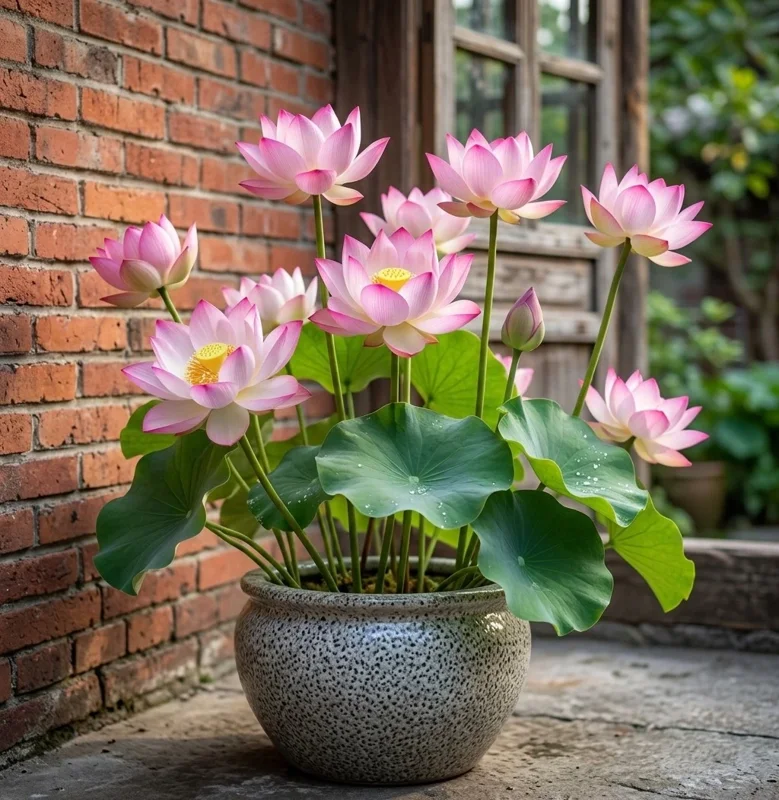
Transform your outdoor space into a serene aquatic paradise with our premium pack of 50 lotus seeds. These viable seeds offer an exciting opportunity to cultivate beautiful water plants, perfect for ponds, water gardens, and large decorative containers. Known for their striking blooms and majestic foliage, lotus plants (genus Nelumbo, often mistaken for Nymphaea water lilies) bring an unparalleled elegance to any landscape. Our aquatic plant seeds are carefully selected to ensure high germination rates, making it simple for both novice and experienced gardeners to enjoy the rewarding process of growing these magnificent water-dwelling flowers. Whether you’re aiming to enhance a natural pond or create a captivating water feature on your patio, these lotus seeds are an excellent choice for adding a touch of exotic beauty and tranquility.
Lotus plants are not only visually appealing but also play a role in maintaining a healthy aquatic ecosystem. Their large leaves provide shade, which can help reduce algae growth, while their root systems can contribute to water clarity. With proper care, these seeds will mature into robust plants that produce stunning flowers and unique seed pods, offering continuous interest throughout the growing season. Embrace the joy of nurturing these remarkable aquatic water plant seeds and watch your garden flourish with vibrant life and color.
Key Benefits
Growing lotus plants from seed offers a multitude of benefits, enhancing both your garden’s aesthetic and ecological balance. These unique plants provide a focal point that draws admiration and creates a peaceful atmosphere.
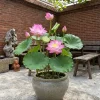
- Stunning Ornamental Value: Lotus plants produce large, vibrant flowers and distinctive umbrella-like leaves that float gracefully on the water’s surface or stand tall above it, creating a captivating visual display. They add an exotic and serene touch to any pond or water garden.
- Easy Cultivation: Our easy grow lotus seeds are designed for straightforward planting and care, making the process accessible even for those new to aquatic gardening. Simple instructions help ensure a high success rate.
- Natural Pond Filtration: The extensive root systems of lotus plants help to filter water, absorbing excess nutrients and contributing to a cleaner, healthier aquatic environment. This can naturally reduce algae blooms.
- Habitat for Aquatic Life: The foliage and structure of lotus plants provide shelter and shade for various aquatic creatures, promoting biodiversity and supporting a balanced ecosystem within your pond.
- Long-Lasting Blooms: Enjoy a prolonged blooming season with lotus flowers, which can last for several weeks, providing continuous beauty and fragrance throughout the warmer months. These pond plant seeds will bring joy for seasons to come.
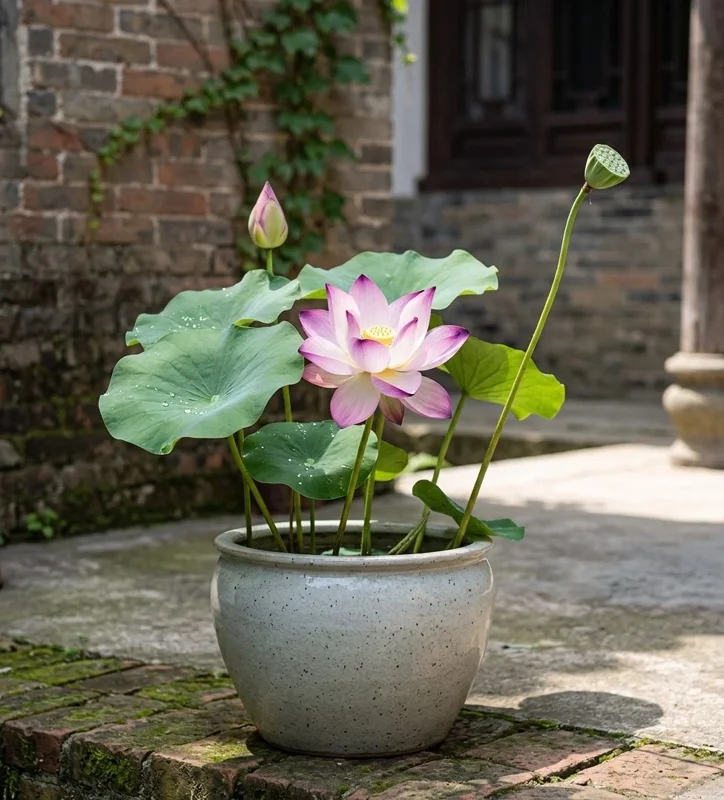
- Unique Seed Pods: After flowering, lotus plants develop intriguing seed pods that are often used in dried floral arrangements and crafts, offering an additional decorative element even after the blooms fade.
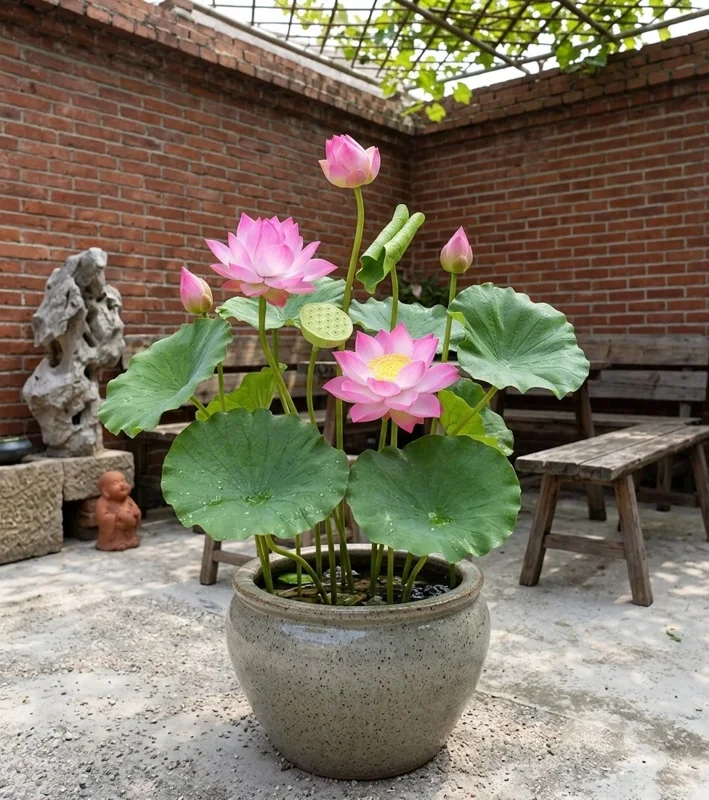
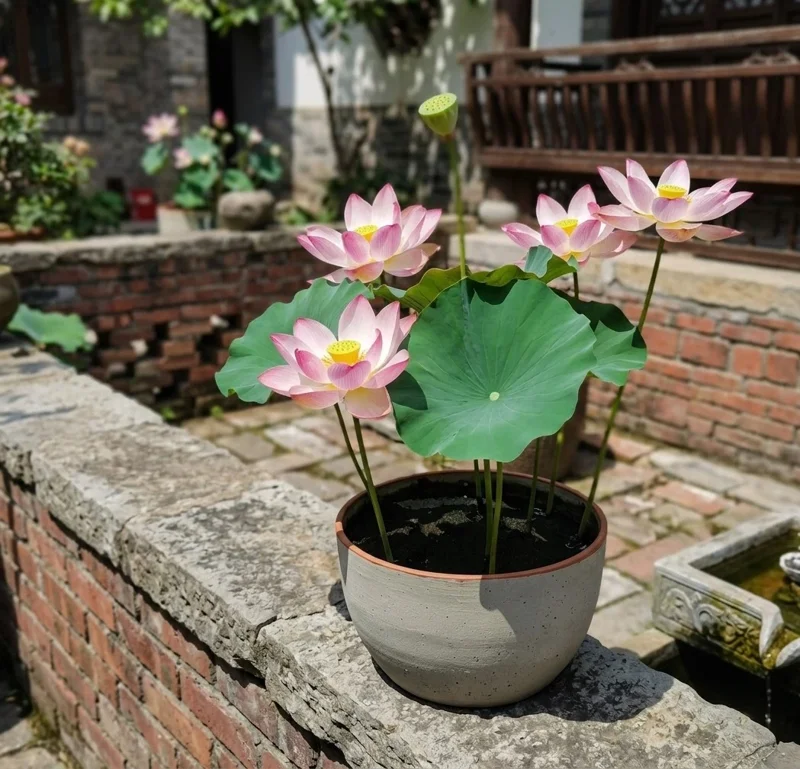
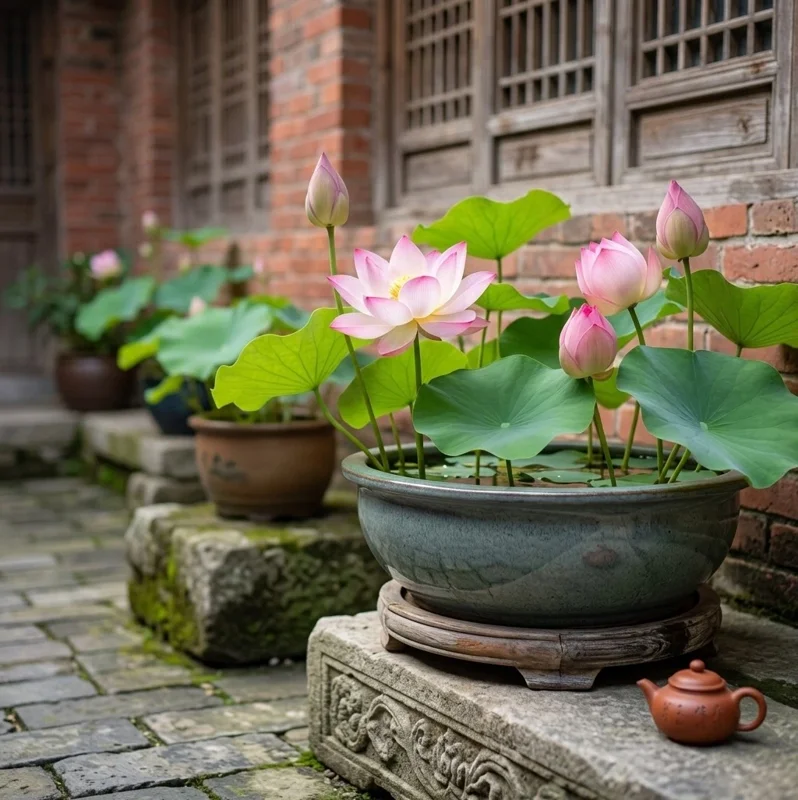
- Versatile Placement: Suitable for a wide range of aquatic settings, from large natural ponds to smaller container water gardens on patios or balconies, allowing flexibility in garden design.
Plant Care & Growing Tips
Cultivating lotus seeds into thriving plants requires specific conditions, but with the right approach, it’s a rewarding experience. Begin by scarifying the hard outer shell of each seed. Gently file or sand a small portion of the dark, dimpled end of the seed until you see the lighter inner layer, being careful not to damage the embryo. This process allows water to penetrate and initiate germination. Once scarified, place the seeds in a container of lukewarm, dechlorinated water, changing the water daily to prevent mold growth. You should see germination within a few days to a couple of weeks, as the seeds swell and sprout.
Once the seedlings have developed a few leaves and a small root system (typically when they are 4-6 inches tall), they are ready for planting. Use a wide, shallow container (at least 12-18 inches in diameter) without drainage holes. Fill the container with 4-6 inches of heavy clay-based soil or aquatic planting medium; avoid light potting mixes that will float. Gently press the seedling’s roots into the soil, being careful not to bury the growing tip. Cover the roots with a thin layer of gravel to prevent the soil from clouding the water. Submerge the container in your pond or water feature, ensuring the water level is initially a few inches above the soil surface. Gradually increase the water depth as the plant grows, aiming for 6-18 inches of water over the soil once established. Lotus plants thrive in full sun, requiring at least 6-8 hours of direct sunlight daily for optimal growth and flowering. Fertilize established plants with aquatic fertilizer tablets pushed into the soil once a month during the growing season (spring through summer). Protect your lotus from frost in colder climates by submerging the pots deeper or moving them to a frost-free location during winter. These aquatic plant seeds will reward your efforts with spectacular blooms.
Size & Details
This package contains 50 lotus seeds, providing ample opportunity to cultivate multiple majestic aquatic plants for your garden or pond. Each seed is carefully selected for viability, offering a promising start to your water gardening project. When mature, lotus plants can vary significantly in size depending on the variety and growing conditions, but typically, they produce leaves that can span 1-2 feet in diameter and flowers that reach 6-12 inches across. The plants themselves can grow to heights of 2-5 feet above the water surface, creating a dramatic visual impact. They are best started in containers that are at least 12-18 inches wide and 6-10 inches deep to accommodate their robust root systems.
Lotus plants are known for their relatively fast growth rate once established, with leaves and flowers appearing within the first growing season under ideal conditions. The seeds are prepared for planting, and with proper scarification and germination techniques, you can expect sprouts to emerge within days. These water lily seeds (though technically lotus, the common name is often interchanged) offer a sustainable way to introduce stunning flora to your aquatic ecosystem. Expect a beautiful display of blooms from mid-summer through early autumn, with each plant contributing to the tranquility and beauty of your water feature.
Frequently Asked Questions
- Q: How do I prepare the 50 lotus seeds for planting? A: To prepare your lotus seeds, you must first scarify them. Gently rub or file a small portion of the hard, dark outer shell until you expose the lighter inner layer. Be careful not to damage the light-colored embryo inside.
- Q: What is the best way to germinate these aquatic plant seeds? A: After scarifying, place the seeds in a container of lukewarm, dechlorinated water. Change the water daily to prevent fungal growth. Germination usually occurs within a few days to two weeks, as the seeds swell and sprout.
- Q: Can these lotus seeds be grown in a small container or do they need a large pond? A: While lotus plants thrive in large ponds, they can also be successfully grown in large, wide containers (at least 18-24 inches in diameter) without drainage holes, making them suitable for patios and smaller spaces.
- Q: How much sunlight do lotus plants need? A: Lotus plants require abundant sunlight to flourish and flower. They need at least 6-8 hours of direct, full sun each day for optimal growth and bloom production.
- Q: What type of soil is best for planting lotus seedlings? A: Use a heavy, clay-based soil or a specialized aquatic planting medium. Avoid light, peat-based potting mixes, as they tend to float and will not properly anchor the plant.
- Q: How often should I fertilize my lotus plant? A: Once your lotus plant is established and actively growing, fertilize it monthly during the growing season (spring through summer) using specialized aquatic fertilizer tablets pushed into the soil.
- Q: Are these water lily seeds actually lotus? A: Yes, while often confused, these are true lotus seeds (Nelumbo nucifera). Water lilies (Nymphaea) are a different aquatic plant, though both are beautiful additions to water gardens.
- Q: When is the best time to plant lotus seeds? A: The best time to start germinating and planting lotus seeds is in the spring, once the danger of frost has passed and water temperatures are consistently warm.
- Q: How long does it take for lotus plants to flower from seed? A: Under ideal conditions, lotus plants grown from seed can produce their first flowers within the first growing season, typically in mid to late summer.
- Q: What USDA Hardiness Zone are these lotus plants suitable for? A: Lotus plants are generally hardy in USDA Zones 4-10, though protection or deeper submergence may be needed in colder zones during winter.







Reviews
There are no reviews yet.