Overview
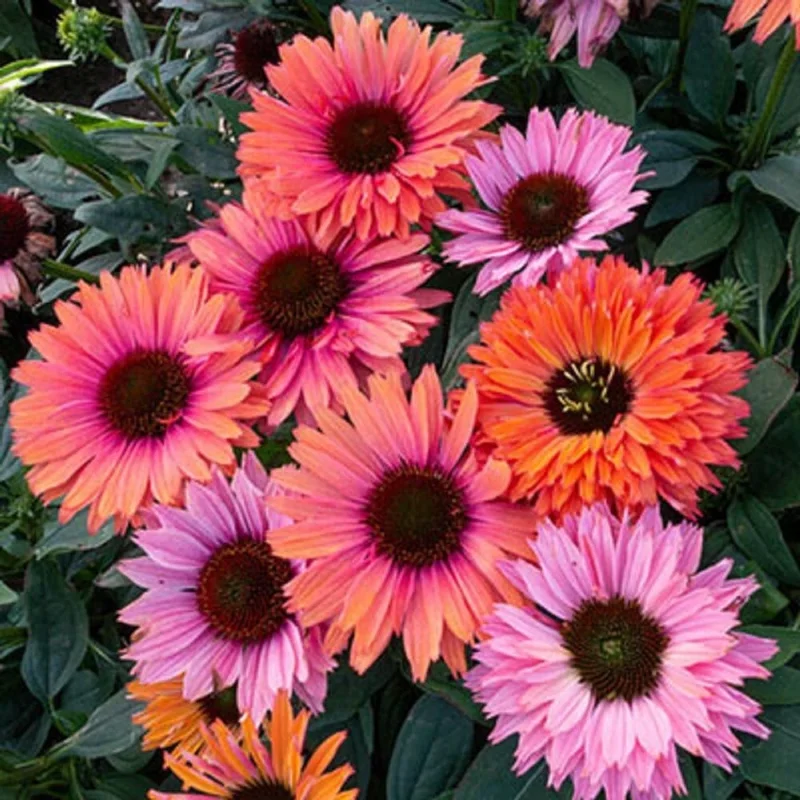
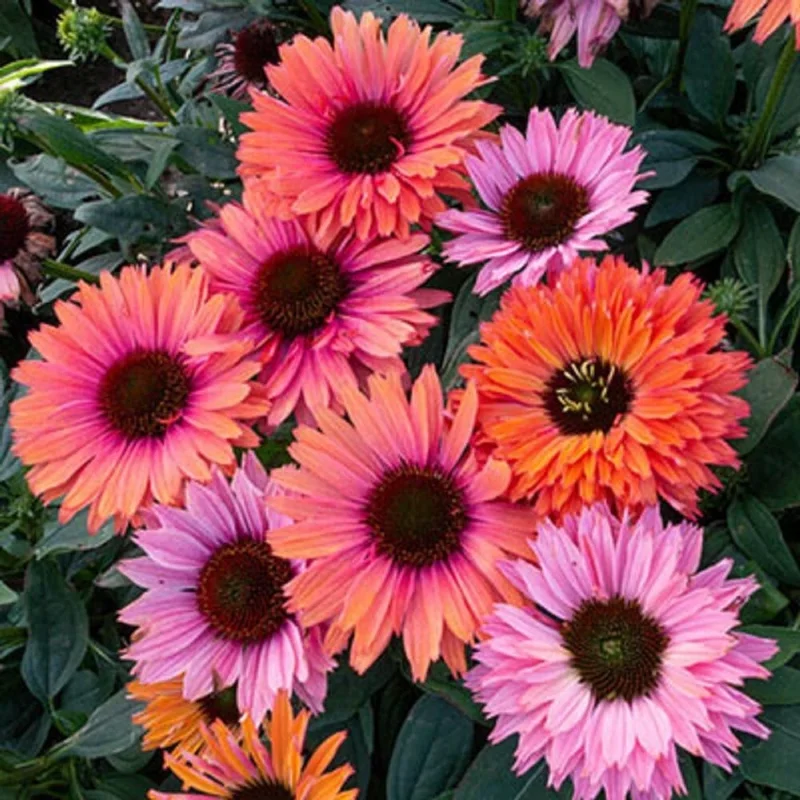
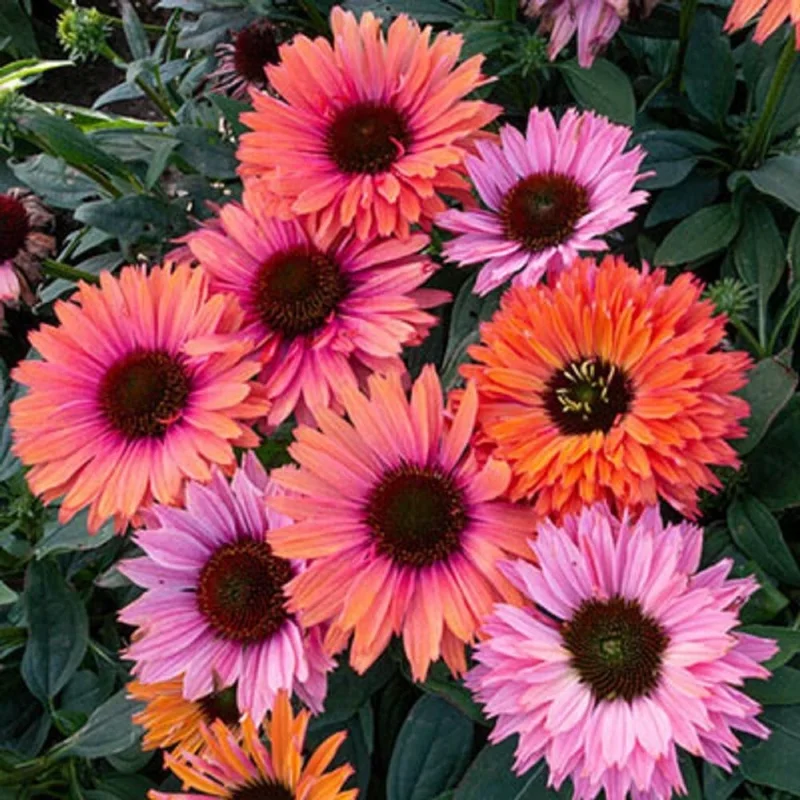
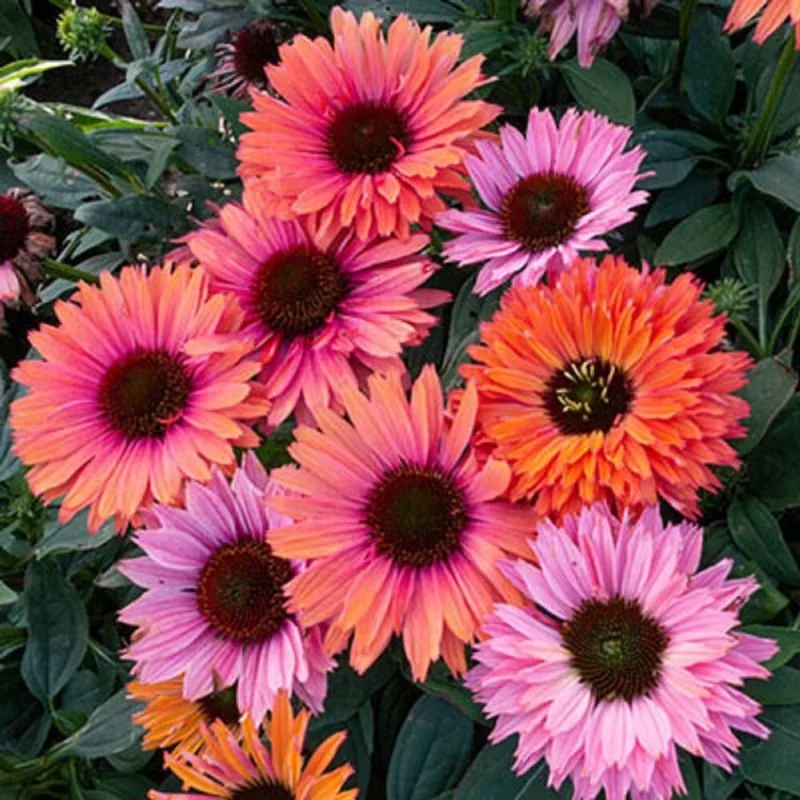
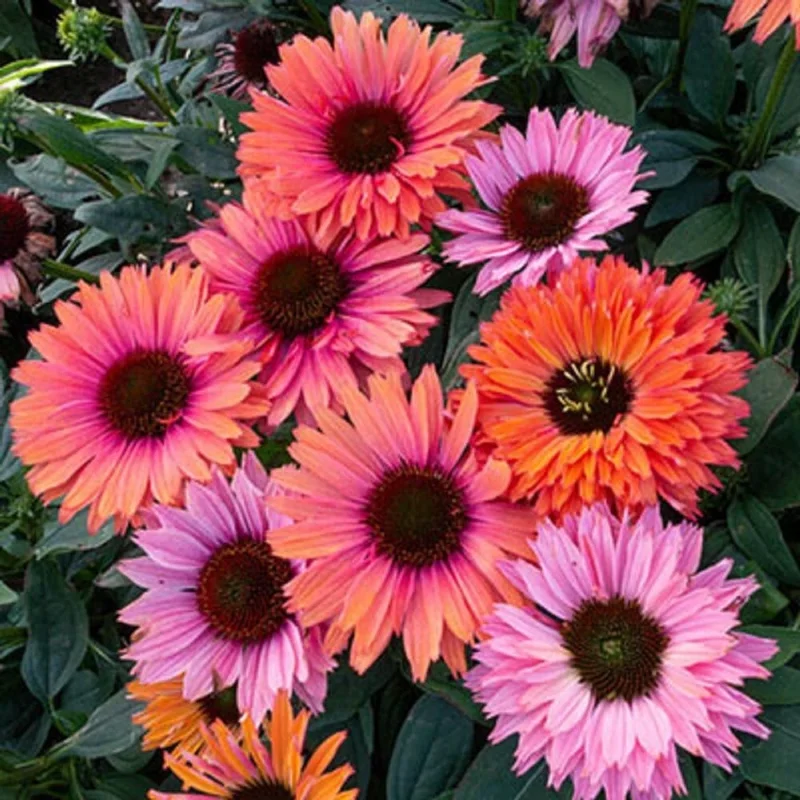
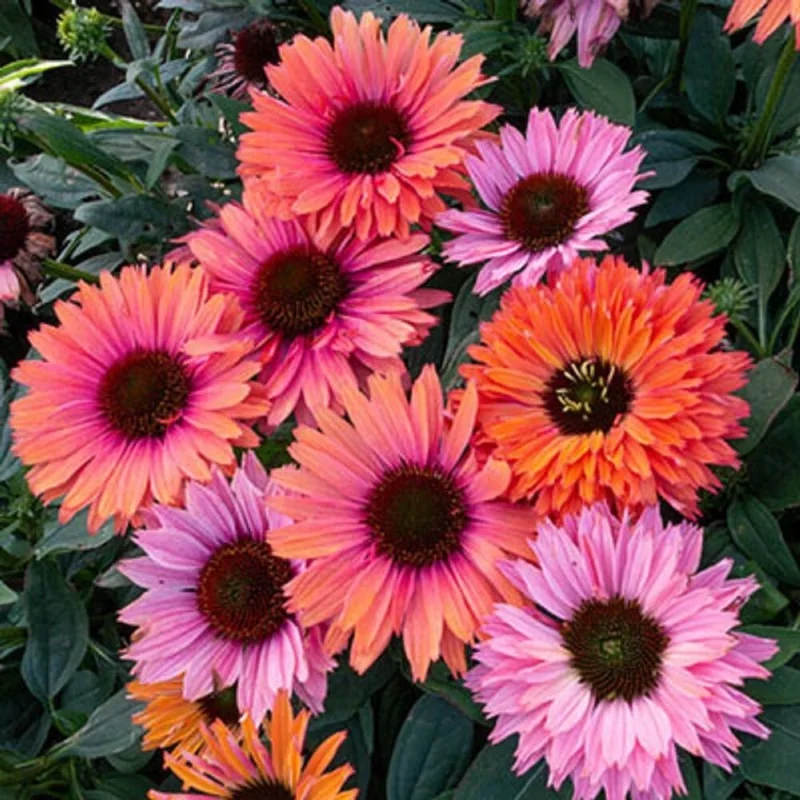
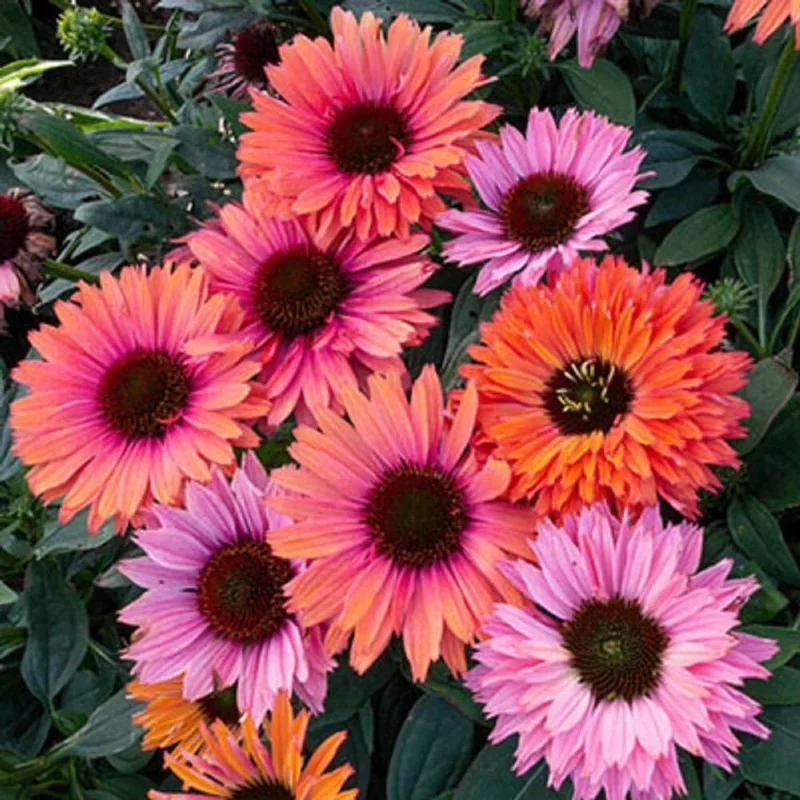
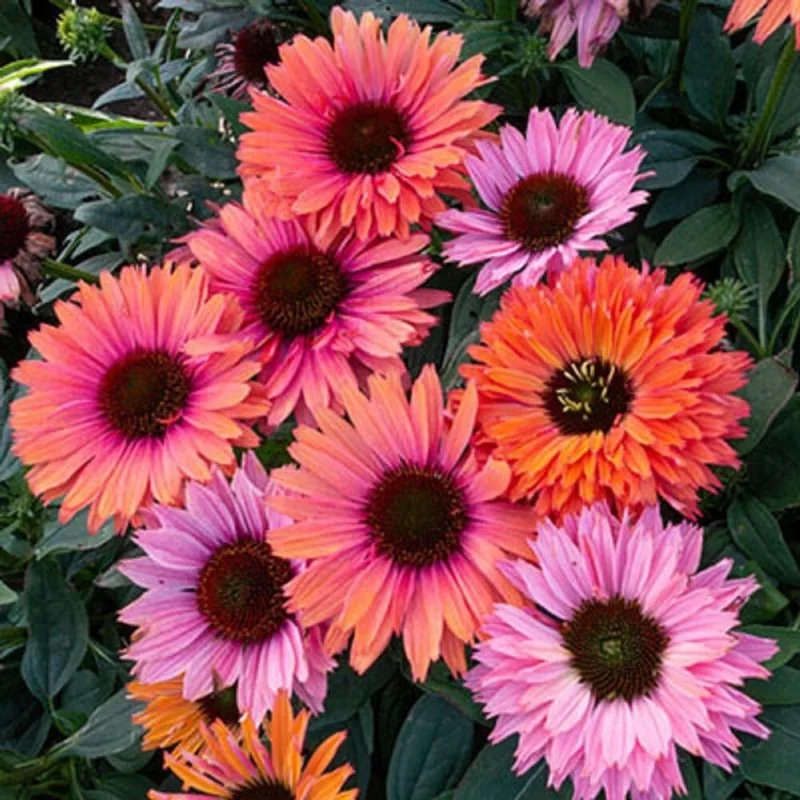
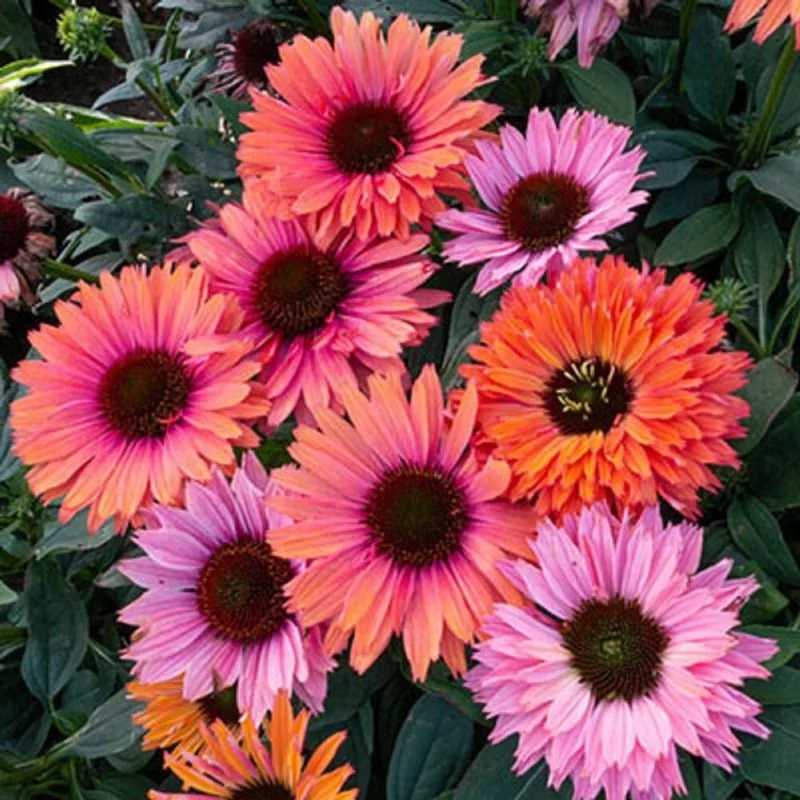
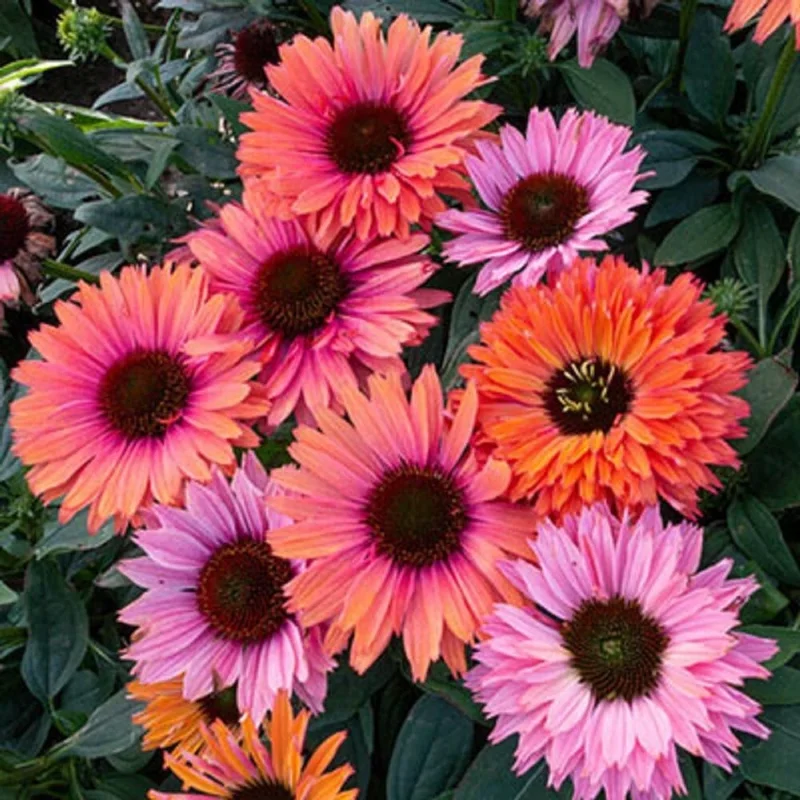
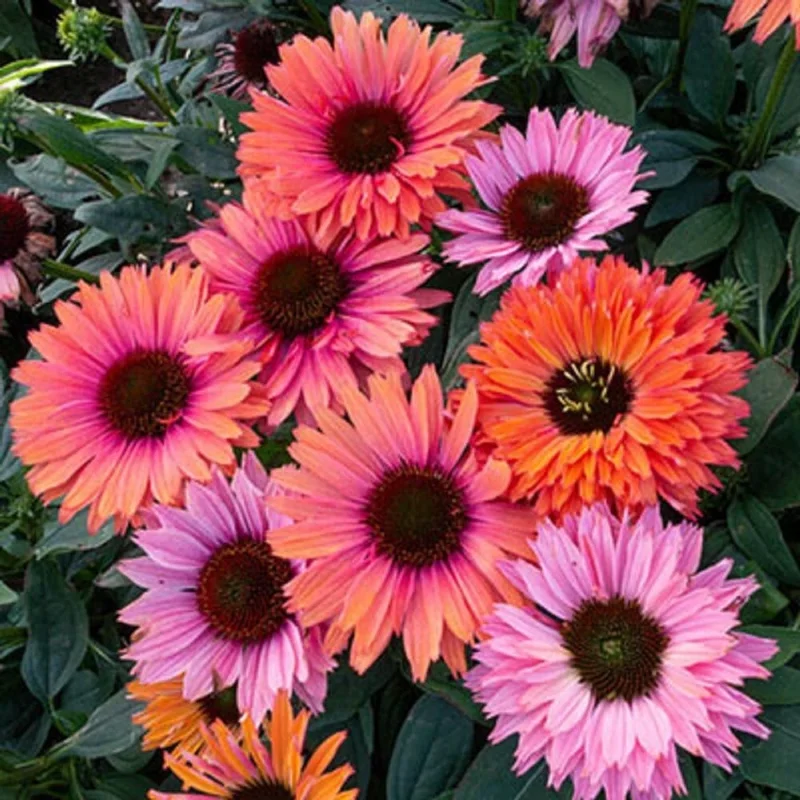
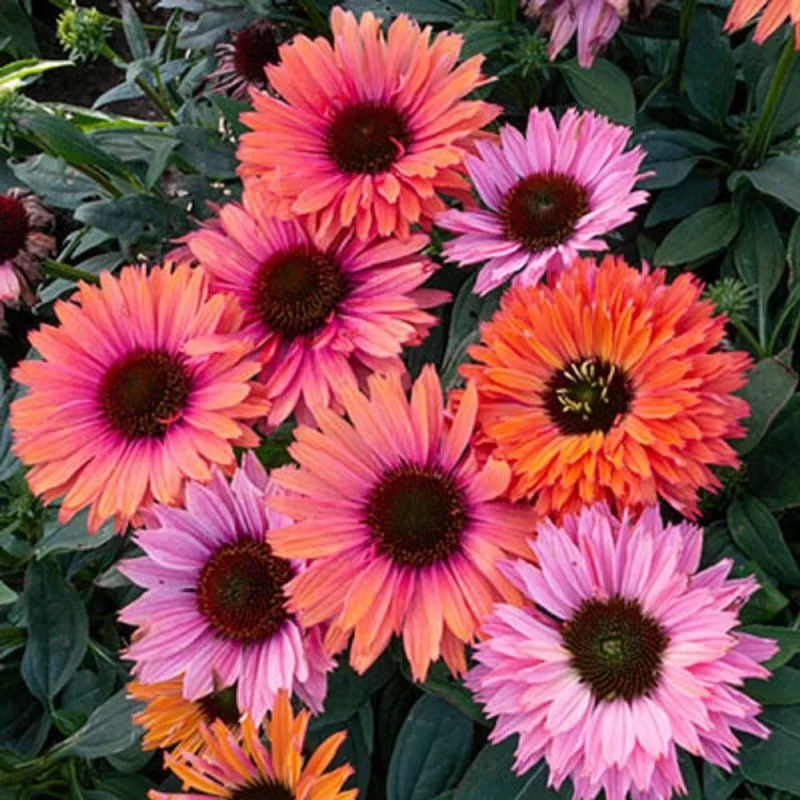
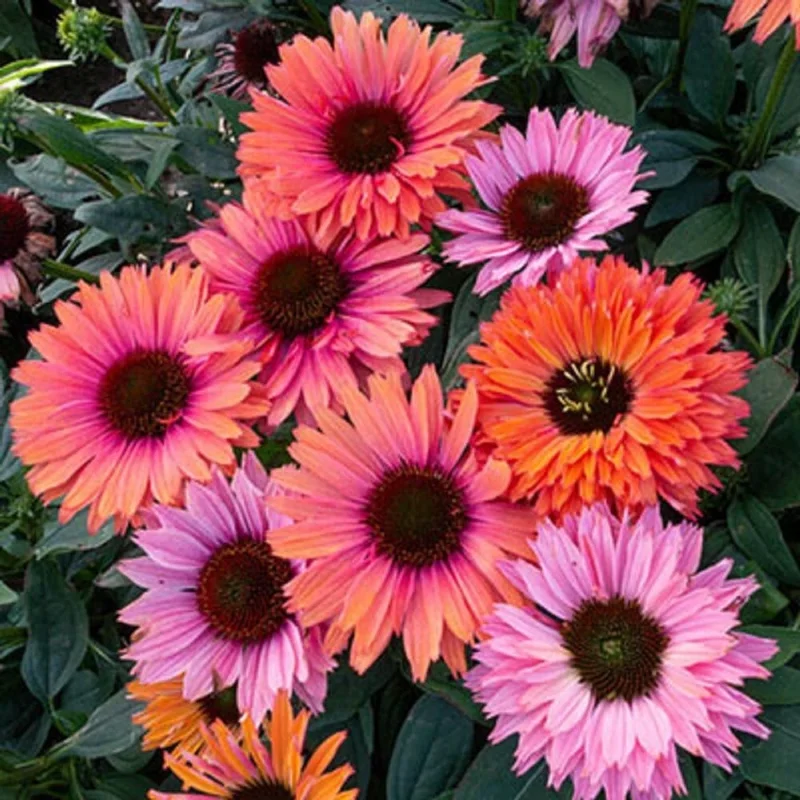
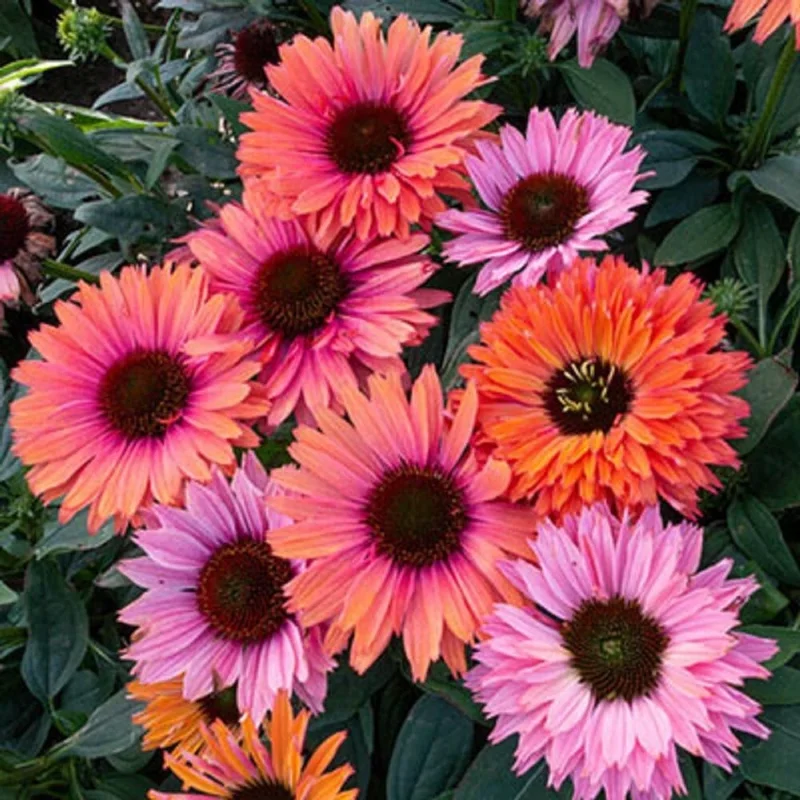
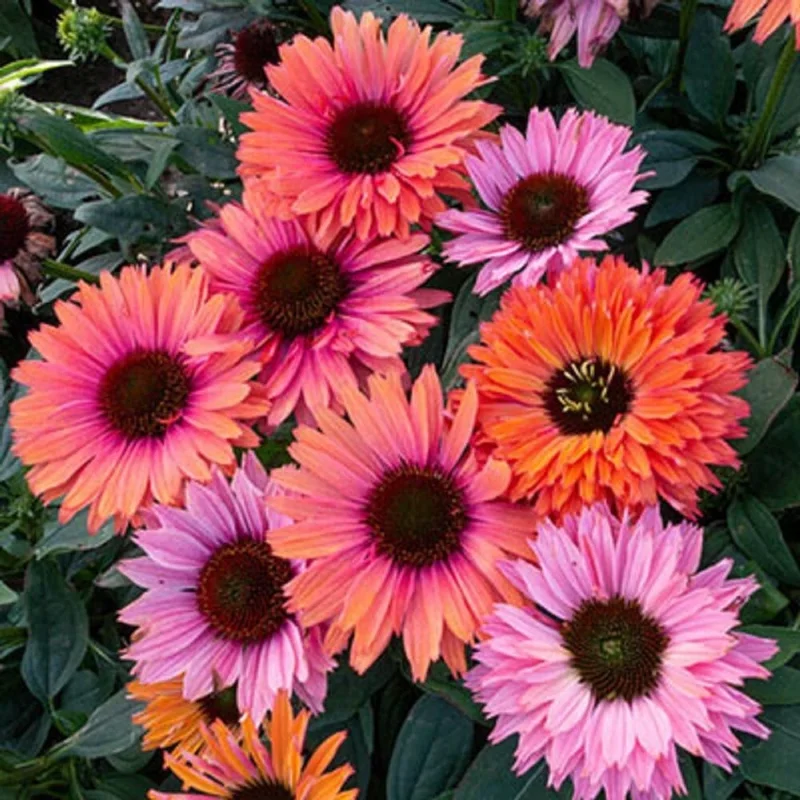
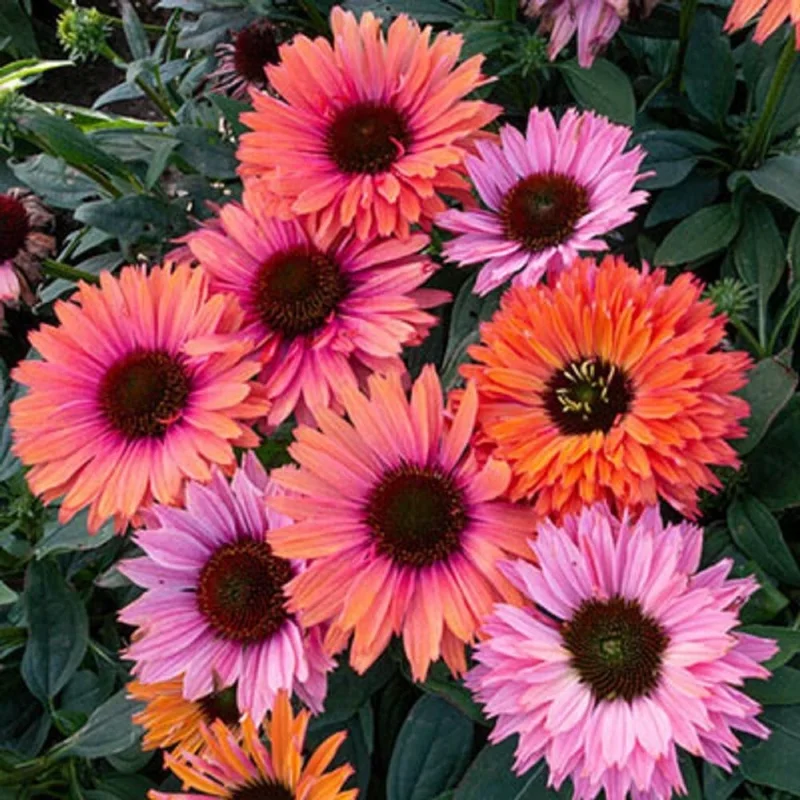
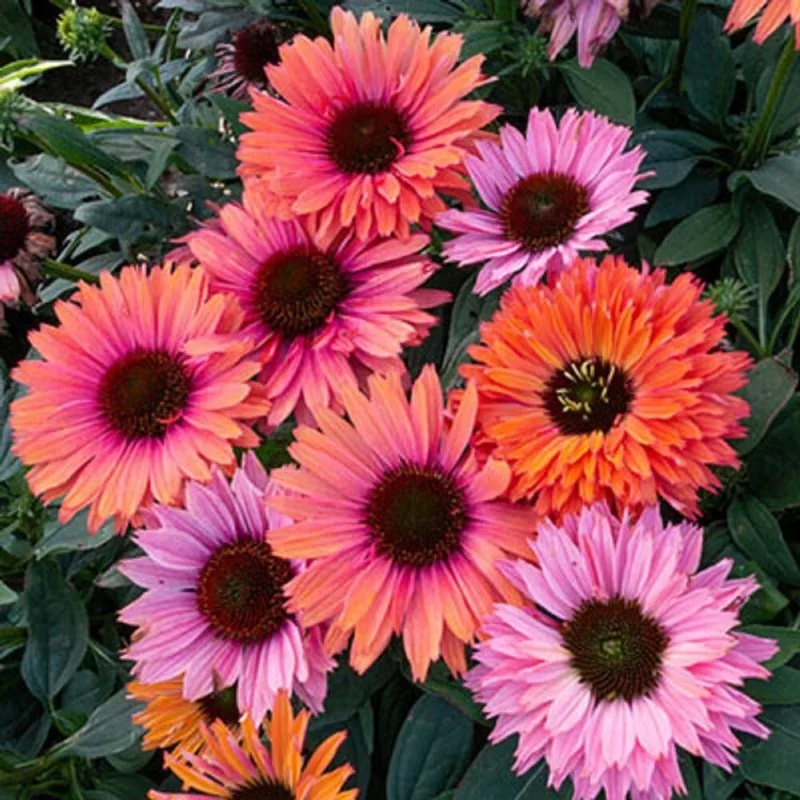
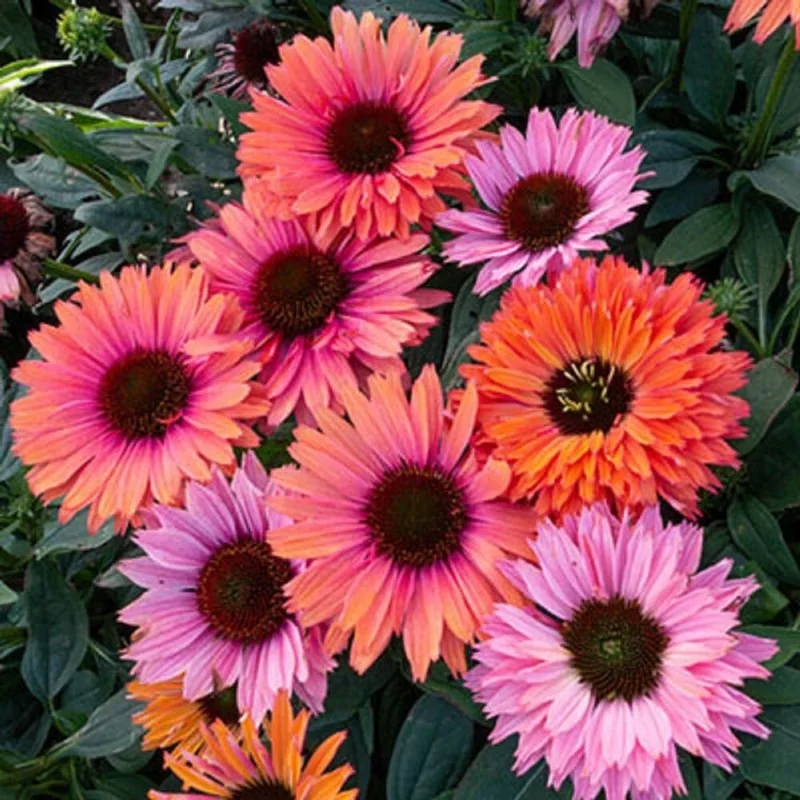
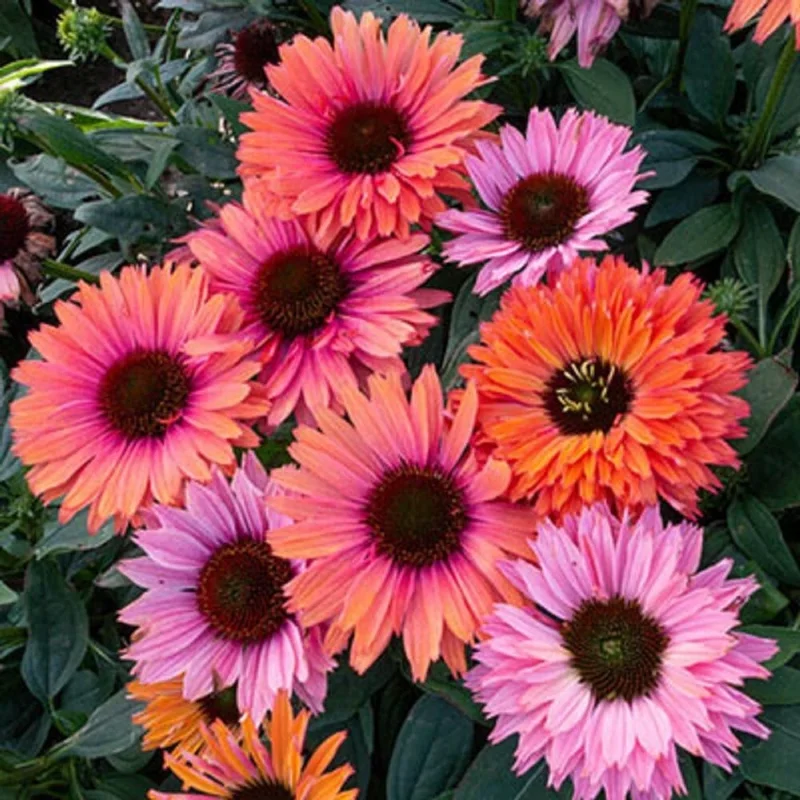
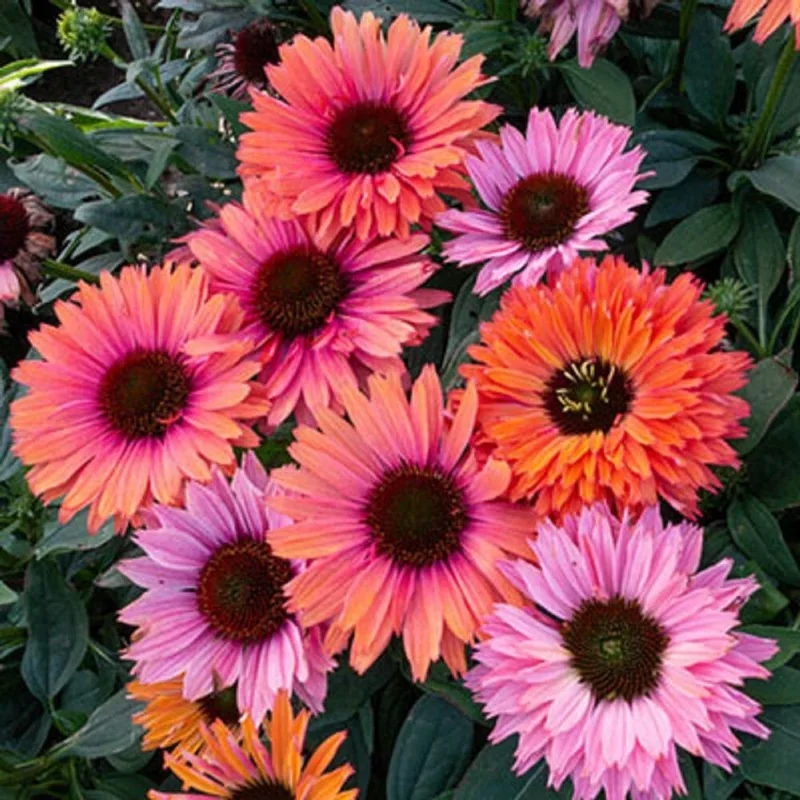
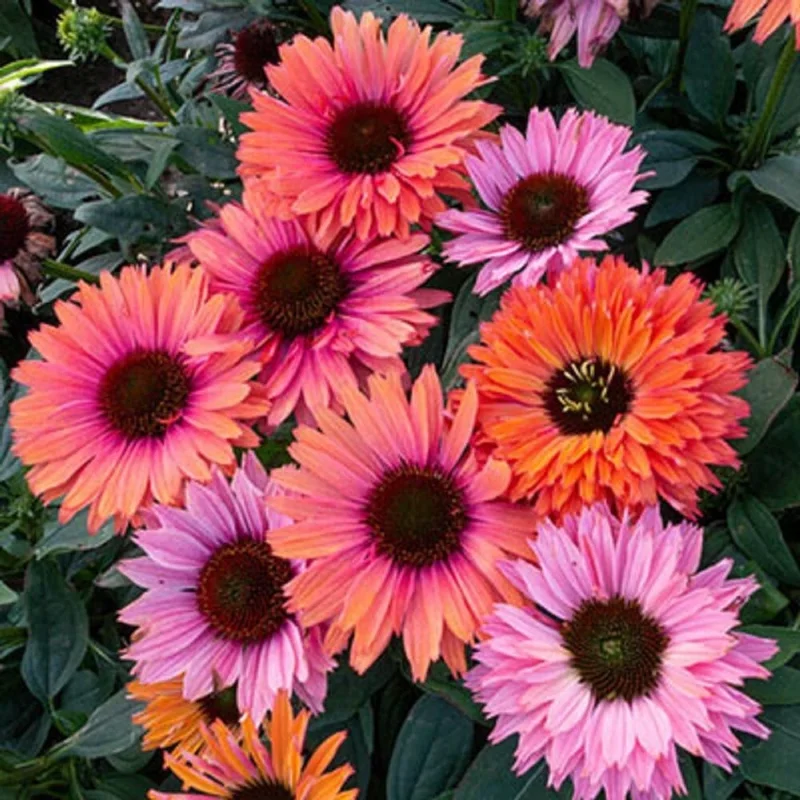
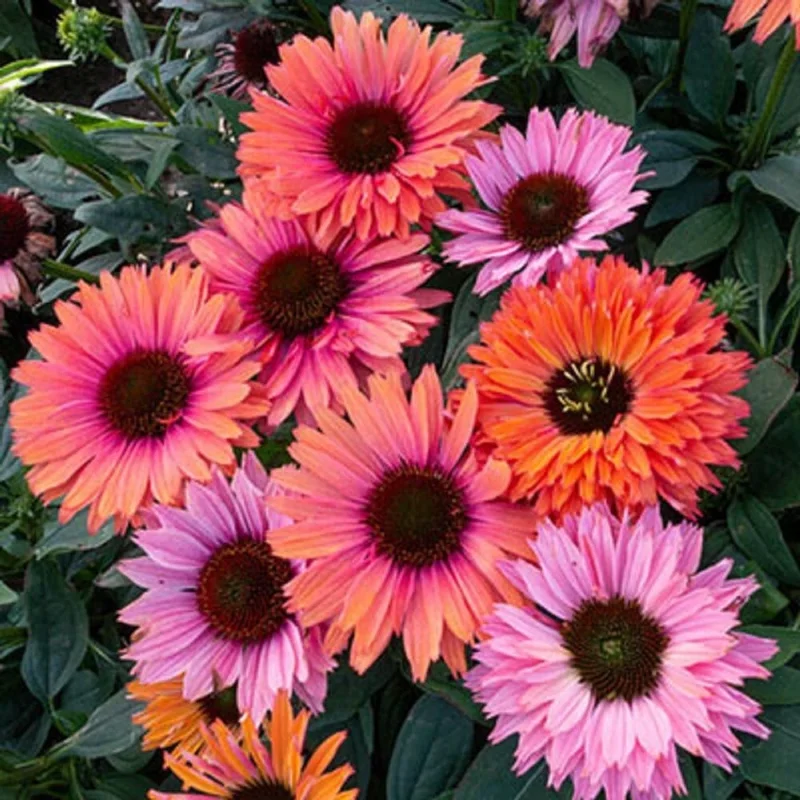
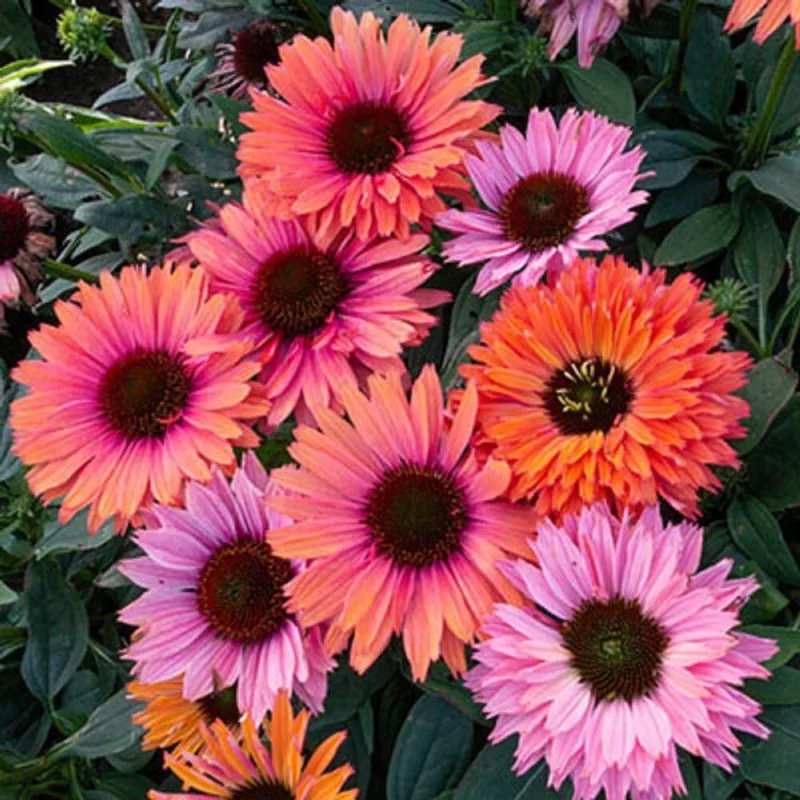
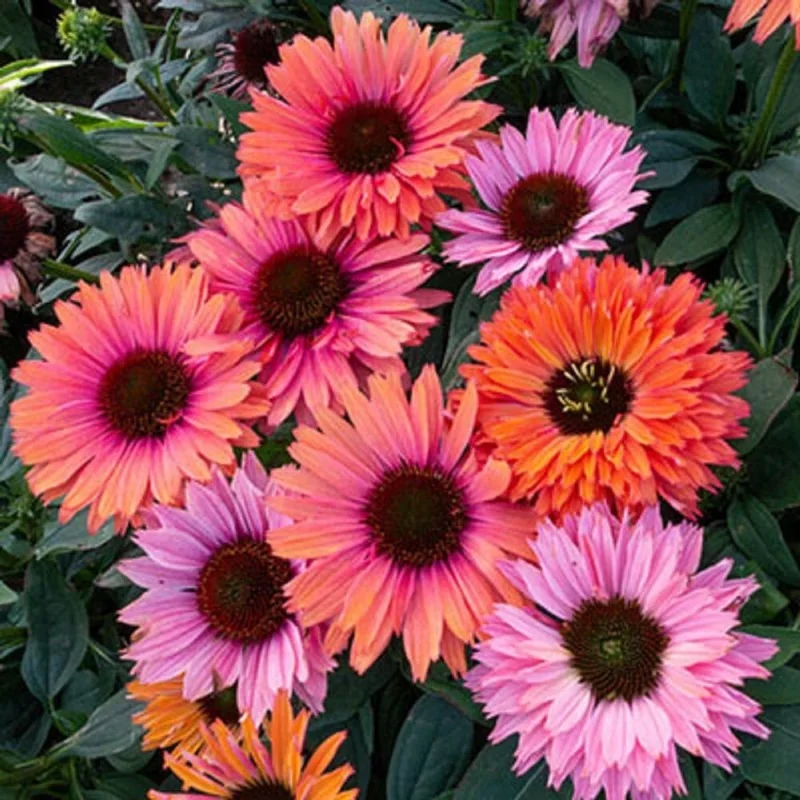
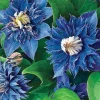
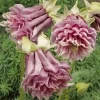
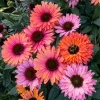
Transform your garden into a dazzling display of color with our 50 Sunseeker Rainbow Coneflower seeds. These exceptional seeds promise to yield a spectacular array of Echinacea flowers, known for their robust growth and vibrant, multi-hued petals. The ‘Sunseeker Rainbow’ variety is particularly cherished for its striking color transitions, often displaying shades of red, orange, yellow, and pink all on one bloom, creating a truly unique visual feast. As a cherished perennial, these flowers will return year after year, offering reliable beauty and requiring minimal effort once established. Ideal for borders, mass plantings, or as a focal point in any garden design, these Echinacea flower seeds are a must-have for gardeners seeking both beauty and resilience. Discover the joy of nurturing these magnificent plants from seed to sensational bloom.
Sunseeker Rainbow Coneflower seeds are an excellent choice for anyone looking to add a touch of wild elegance and a burst of color to their outdoor space. Echinacea, commonly known as coneflower, is celebrated for its daisy-like blossoms and prominent central cone. This particular ‘Rainbow’ cultivar takes that classic appeal to new heights with its dynamic color palette. Not only are these flowers visually appealing, but they also serve as a vital food source for bees, butterflies, and other beneficial pollinators, contributing to a healthier garden ecosystem. Planting these seeds is a rewarding experience, leading to a garden filled with life and luminosity.
Key Benefits
Planting Sunseeker Rainbow Coneflower seeds offers a multitude of advantages for both your garden and the local ecosystem. These resilient perennials are known for their hardiness and ability to thrive in various conditions, making them a fantastic addition to any landscape. Here are some key benefits:
- Stunning Visual Appeal: The unique multi-colored blooms of the ‘Sunseeker Rainbow’ variety feature a beautiful blend of hues, providing a captivating and ever-changing display throughout the blooming season. These vibrant flowers create a focal point in any garden.
- Attracts Pollinators: Coneflowers are a magnet for bees, butterflies, and other beneficial insects. Planting these flowers helps support local pollinator populations, which are crucial for the health of your garden and the environment.
- Drought Tolerant: Once established, these Echinacea flower seeds grow into plants that are remarkably drought tolerant. This makes them an excellent choice for water-wise gardening and areas with infrequent rainfall, reducing the need for constant watering.
- Low Maintenance: These perennial flower seeds mature into plants that require minimal care. They are generally pest and disease resistant, making them a hassle-free addition to your garden, allowing you more time to enjoy their beauty.
- Long Blooming Season: Enjoy a prolonged period of bloom from early summer well into fall. The continuous display of colorful coneflowers ensures your garden remains vibrant for months.
- Deer Resistant: Coneflowers are typically not favored by deer, making them a great option for gardens in areas where deer browsing is a concern. You can plant them with peace of mind.
- Excellent Cut Flowers: The strong stems and beautiful blossoms make them ideal for fresh cut flower arrangements, bringing the beauty of your garden indoors. You can also dry the seed heads for winter arrangements.
Plant Care & Growing Tips
Growing Sunseeker Rainbow Coneflower seeds into flourishing plants is a straightforward and rewarding process. To ensure successful germination and robust growth, proper care is essential. Start by sowing the seeds directly outdoors in spring after the last frost, or indoors 6-8 weeks before the last frost. Plant seeds about 1/4 inch deep in well-draining soil, spacing them 12-18 inches apart. Keep the soil consistently moist until germination, which typically takes 10-20 days. Once seedlings emerge, thin them to their final spacing.
Coneflowers thrive in full sun, meaning they need at least 6 hours of direct sunlight per day. While they can tolerate partial shade, too little sun can lead to leggy growth and fewer blooms. The ideal soil for these plants is well-draining, moderately fertile, and has a neutral to slightly alkaline pH. Avoid heavy clay soils that retain too much moisture, as this can lead to root rot. Once established, coneflowers are quite drought tolerant, but they will perform best with regular watering during dry spells, especially in their first year. Aim to keep the soil consistently moist but not waterlogged.
For optimal growth and abundant blooms, fertilize sparingly. A balanced slow-release fertilizer in early spring is usually sufficient. Deadheading spent flowers can encourage more blooms and prevent self-seeding, prolonging the vibrant display of your colorful coneflower garden. In late fall, you can leave the seed heads for winter interest and as a food source for birds, or cut them back to the ground. These perennials are hardy in USDA zones 3-9, meaning they can withstand a wide range of winter temperatures. Watch out for common pests like aphids or Japanese beetles, and treat with organic insecticides if necessary. Proper air circulation helps prevent fungal diseases. With these tips, your perennial flower seeds will grow into a stunning garden attraction.
Size & Details
Our offering includes 50 Sunseeker Rainbow Coneflower seeds, providing you with a generous quantity to establish a beautiful and vibrant patch of these stunning perennials. Each seed has the potential to grow into a robust plant, typically reaching a mature height of 24-36 inches (60-90 cm) with a spread of 18-24 inches (45-60 cm). The plants develop strong, upright stems that proudly display the large, daisy-like flowers. These Echinacea flower seeds are shipped in a protective packet, ensuring their viability upon arrival. Expect the first blooms to appear in the summer of the second year if started from seed, with a continuous display through fall. The growth rate is moderate, allowing for gradual establishment and increasing density each season. These coneflowers are known for their vigorous growth and ability to form impressive clumps over time, enhancing the overall impact of your garden.
Frequently Asked Questions
- Q: How many Sunseeker Rainbow Coneflower seeds are included? A: This package contains 50 Sunseeker Rainbow Coneflower seeds, providing a good quantity for starting a new garden bed or expanding an existing one.
- Q: Are these plants suitable for containers? A: Yes, colorful coneflower plants can be grown in large containers, provided they have adequate drainage and are given enough space for their root system to develop. Ensure the container is at least 12-15 inches in diameter.
- Q: How much sunlight do these coneflowers need? A: For the best results and most abundant blooms, Sunseeker Rainbow Coneflowers require full sun, meaning at least 6 hours of direct sunlight per day. They can tolerate partial shade, but flowering may be reduced.
- Q: When is the best time to plant these seeds? A: You can sow these perennial flower seeds directly outdoors in spring after the danger of the last frost has passed, or start them indoors 6-8 weeks before the last expected frost date.
- Q: Are Sunseeker Rainbow Coneflowers drought tolerant? A: Yes, once established, these coneflowers are quite drought tolerant. However, they will benefit from regular watering during prolonged dry periods, especially during their first growing season.
- Q: Do these flowers attract butterflies and bees? A: Absolutely! Echinacea flowers, including the Sunseeker Rainbow variety, are excellent pollinator attractors, drawing bees, butterflies, and other beneficial insects to your garden.
- Q: What USDA hardiness zones are suitable for these coneflowers? A: Sunseeker Rainbow Coneflowers are hardy in USDA Zones 3-9, indicating their ability to withstand a wide range of winter temperatures.
- Q: How tall do these plants typically grow? A: When mature, the plants grown from these Echinacea flower seeds typically reach a height of 2 to 3 feet (24-36 inches) and spread about 1.5 to 2 feet wide.
- Q: Is deadheading necessary for more blooms? A: While not strictly necessary, deadheading spent flowers can encourage the plant to produce more blooms and can also prevent unwanted self-seeding, maintaining a tidier appearance.
- Q: What kind of soil do these coneflowers prefer? A: They thrive in well-draining soil that is moderately fertile. Avoid overly wet or heavy clay soils for optimal growth.




Reviews
There are no reviews yet.