Overview
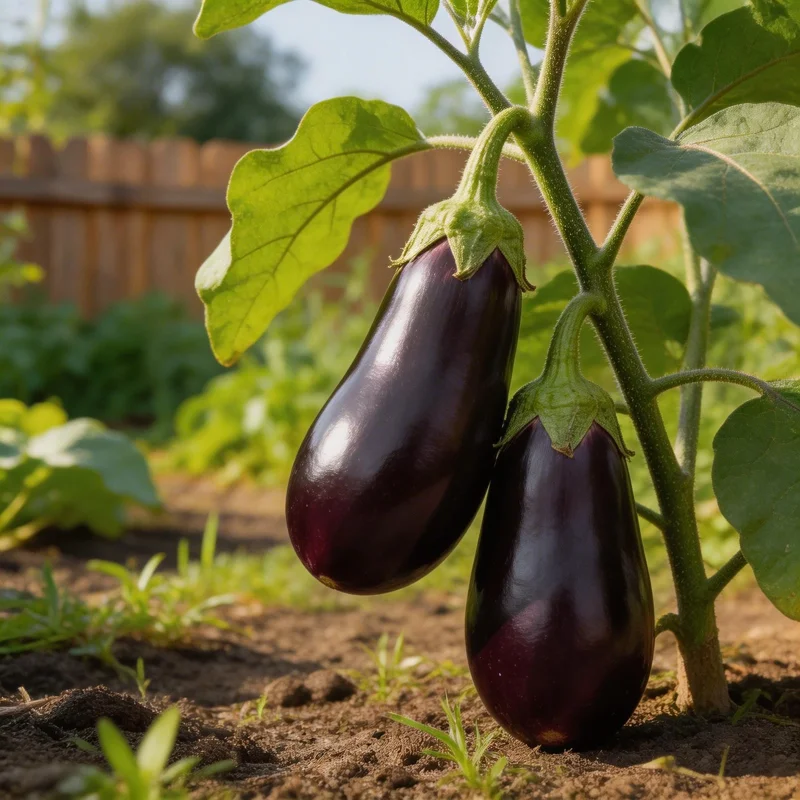
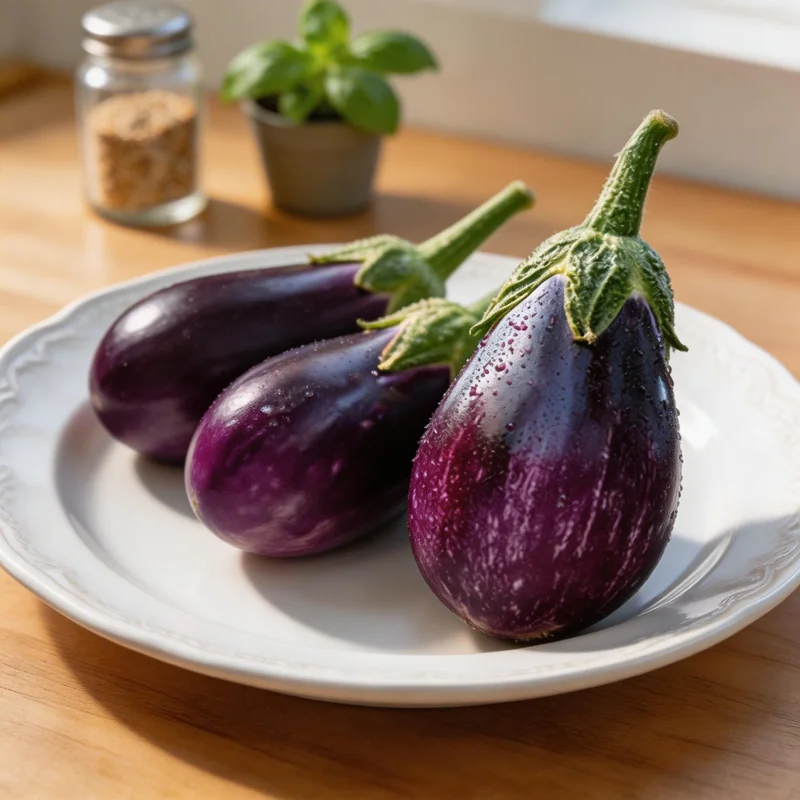
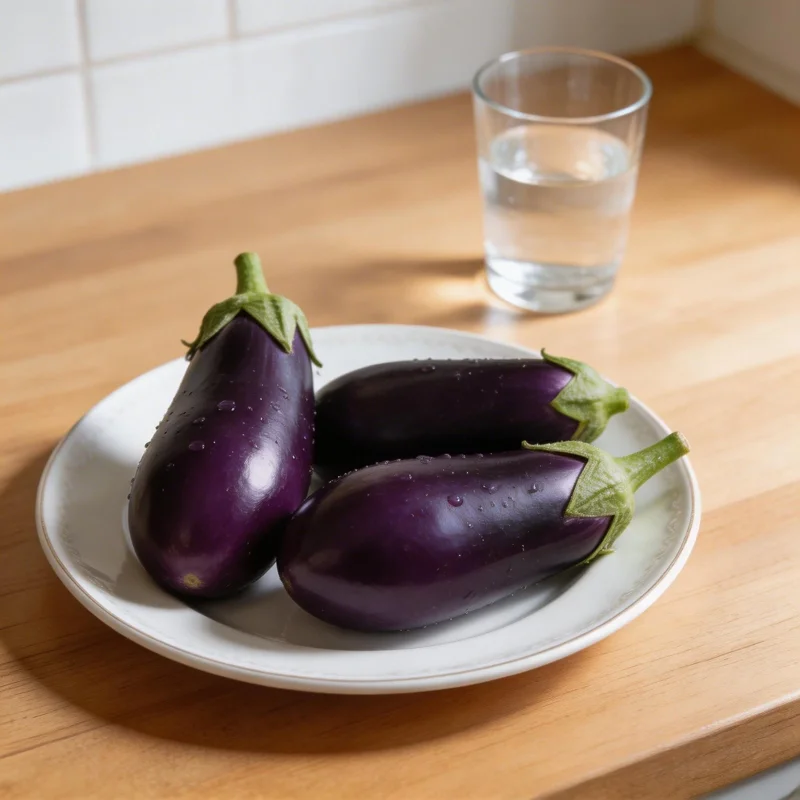
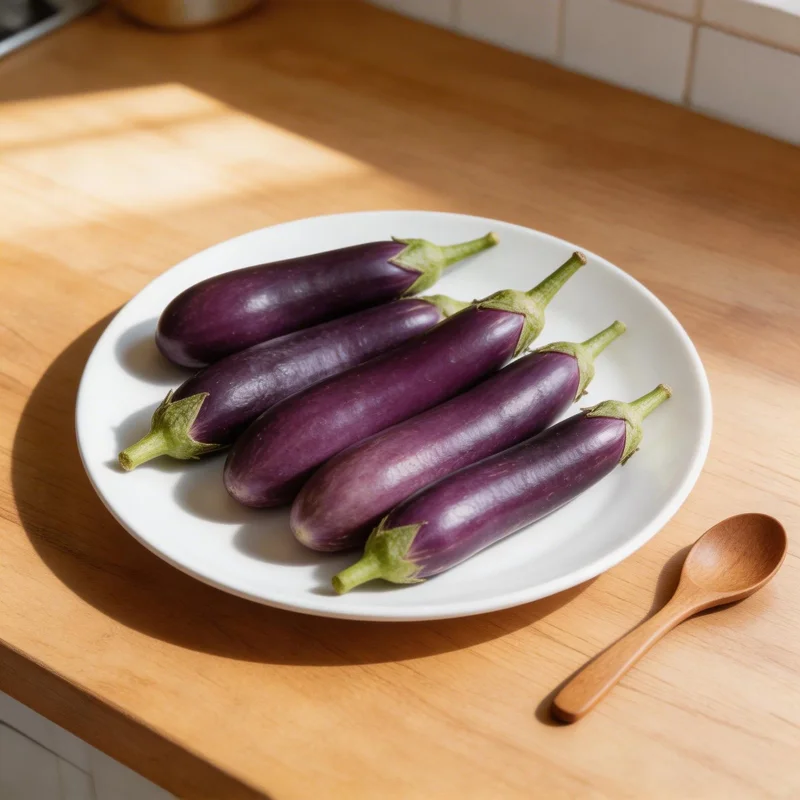
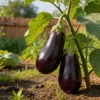
Embark on a rewarding gardening journey with our premium pack of eggplant seeds. This generous offering includes 500 high-quality seeds, perfect for cultivating delicious purple eggplants right in your home garden. Known scientifically as Solanum melongena, the eggplant, also commonly referred to as aubergine, is a versatile and nutritious vegetable that thrives in warm climates. These annual plants produce vibrant, glossy purple fruits that are a staple in many culinary traditions worldwide. Whether you’re a seasoned gardener or just starting out, these seeds provide an excellent opportunity to grow your own fresh produce, ensuring a bountiful harvest for your kitchen.
Growing your own purple eggplant from seed offers immense satisfaction and control over your food source. Our seeds are selected for their viability and yield potential, making them an ideal choice for both small backyard plots and larger garden spaces. With proper care, you can expect healthy, robust plants that produce an abundance of beautiful and tasty eggplants throughout the growing season.
Key Benefits
Integrating these eggplant seeds into your garden brings numerous advantages, from culinary delights to the simple joy of gardening. Here are some of the key benefits you can expect:
- Abundant Harvest: With 500 seeds, you can anticipate a prolific yield of fresh eggplants, perfect for enjoying throughout the summer and beyond. Grow enough for your family and perhaps even share with friends.
- Nutrient-Rich Produce: Eggplants are packed with vitamins, minerals, and antioxidants, contributing to a healthy diet. Growing your own ensures you have access to fresh, chemical-free vegetables.
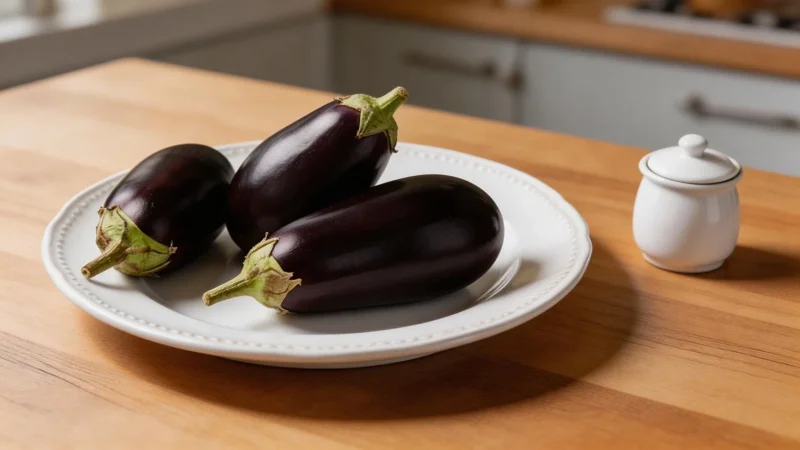
- Culinary Versatility: The fruits from these aubergine seeds can be used in a myriad of dishes, from grilling and baking to stir-fries and stews. Their mild flavor makes them a fantastic canvas for various cuisines.
- Easy to Grow: These easy to grow vegetables are suitable for gardeners of all skill levels. With basic care, you can watch your plants flourish and produce fruit.
- Home Garden Enhancement: The vibrant purple fruits and lush green foliage add an attractive element to any garden space, making your outdoor area more appealing.
- Cost-Effective: Growing your own eggplants from seed is a significantly more economical way to enjoy this vegetable compared to purchasing them from stores.
- Educational Experience: For families, planting and nurturing these eggplant seeds can be a wonderful educational experience, teaching children about where their food comes from.
Plant Care & Growing Tips
Successful cultivation of your eggplant seeds requires attention to a few key environmental factors. Eggplants thrive in warm conditions, making them a summer crop. Start seeds indoors 6-8 weeks before the last frost date in your area. Sow seeds about ¼ inch deep in well-draining seed starting mix and keep consistently moist. Once seedlings have developed a few true leaves and all danger of frost has passed, they can be transplanted outdoors.
For optimal growth, eggplants require plenty of sunlight. Choose a location in your garden that receives at least 6-8 hours of full sun daily. The soil should be fertile, well-draining, and rich in organic matter, with a neutral pH (6.0-7.0). Amend heavy clay soils with compost to improve drainage and aeration. Water regularly, especially during dry spells and when fruits are setting, aiming for consistently moist but not waterlogged soil. Avoid overhead watering to prevent fungal diseases. Eggplants are medium water users. Fertilize every 2-4 weeks with a balanced vegetable fertilizer once plants begin to flower and set fruit. Support taller varieties with stakes to prevent branches from breaking under the weight of the fruit. Eggplants prefer temperate to tropical climates but can be grown in colder regions if started indoors early.
Size & Details
This package contains 500 eggplant seeds, providing ample opportunity for a successful and abundant harvest. Eggplant plants typically grow to a height of 2 to 4 feet and can spread about 1 to 2 feet wide, forming a clumping growth habit. The fruits themselves can vary in size depending on the variety, but generally, purple eggplants reach 6 to 10 inches in length. These are annual plants, meaning they complete their life cycle within one growing season, producing fruit in the summer. The seeds are suitable for outdoor planting and will yield edible purple fruits. Expect to harvest your first eggplants approximately 60-80 days after transplanting the seedlings into the garden under ideal growing conditions.
Frequently Asked Questions
- Q: How many eggplants can I expect from 500 seeds? A: While yield varies based on growing conditions and success rate, 500 eggplant seeds can potentially produce hundreds of eggplants, providing a very generous harvest for personal consumption or sharing. Each healthy plant can bear multiple fruits throughout the season.
- Q: What size pot does an eggplant plant need if I grow it in a container? A: If you choose to grow purple eggplant in containers, a pot at least 5 gallons (around 12-14 inches in diameter) per plant is recommended to allow sufficient root development and support healthy growth.
- Q: Is this an indoor or outdoor plant? A: While seedlings can be started indoors, eggplant plants are best grown outdoors in a garden bed or large container where they can receive ample sunlight and warmth. They are not typically grown as indoor houseplants for fruit production.
- Q: How much sunlight does eggplant need? A: Eggplants thrive in full sun, requiring a minimum of 6 to 8 hours of direct sunlight per day to produce a good harvest. Less sun will result in fewer and smaller fruits.
- Q: Is this eggplant variety easy to care for? A: Yes, eggplants are considered relatively easy to grow vegetables. They require consistent watering, plenty of sun, and rich soil, making them suitable for beginners who are willing to provide these basic needs.
- Q: When is the best time to plant these eggplant seeds? A: For most regions, it’s best to start aubergine seeds indoors 6-8 weeks before your last expected frost date. Transplant the seedlings outdoors once all danger of frost has passed and soil temperatures have warmed up.
- Q: What soil type is best for growing eggplant? A: Eggplants prefer fertile, well-draining soil rich in organic matter. Loamy to sandy loam soils are ideal, but they can adapt to various soil types as long as drainage is good and the pH is neutral to slightly acidic.











Reviews
There are no reviews yet.