
Top Plant Picks
Top 10 Tropical Fruits to Plant in 2026: Grow Your Oasis!
Mar
Creating your own garden sanctuary is more than just a project; it’s a way to bring exotic flavors and lush energy right to your doorstep. With 2026 seeing a huge surge in home food forests, there’s never been a better time to discover the best tropical fruits to plant. These tropical fruits offer a spectrum of tastes, from creamy custards to zesty tangs, that you simply can’t find in a grocery store. But with so many exotic options, which tropical fruit plant will thrive in your specific space? In this post, I’ll walk you through the top 10 varieties to transform your yard. Let’s dive in!
Growing your own produce at home offers incredible benefits. First off, you’re harvesting nutrient-dense superfoods at peak ripeness. Each tropical fruit plant also doubles as a stunning landscape feature, providing shade and intoxicating floral scents. Plus, many of these tropical fruits have been bred to be more resilient, making them easier to manage than ever before for home gardeners.
But how do you choose the best tropical fruits to plant this season? Don’t worry, I’ve got you covered!
1. Cavendish Banana
The iconic Cavendish Banana (Musa acuminata) is a must-have for any tropical fruit garden. Known for its fast growth and high yield, it provides that classic tropical “look” instantly. While they love water and heavy feeding, the reward of hanging bunches of sweet, creamy fruit is unbeatable. Ensure they are protected from strong winds to keep those beautiful broad leaves intact!
Name: Cavendish Banana (Musa acuminata)
USDA Hardiness Zones: 9-11
Light: Full sun
Soil Needs: Rich, moist, well-drained soil
Months to Harvest: 10-15
Flavor Profile: Sweet, creamy, classic banana
2. Nam Doc Mai Mango
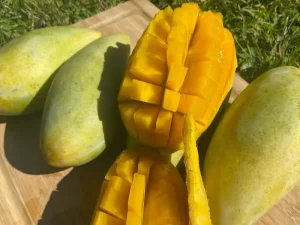
Known as the “King of Fruits,” the Nam Doc Mai Mango (Mangifera indica) is a premium Thai variety. When looking for the best tropical fruits to plant, mangoes are always at the top of the list.
Unlike some stringy mangoes, this one is completely fiberless and can be eaten green (tart) or ripe (honey-sweet). It thrives in heat and, once established, is surprisingly drought-tolerant. If you have limited space, look for “condo mango” dwarf varieties!
Name: Nam Doc Mai Mango (Mangifera indica)
USDA Hardiness Zones: 9-11
Light: Full sun
Soil Needs: Sandy, well-drained soil
Months to Harvest: 3-5 months after flowering
Flavor Profile: Exceptionally sweet, floral, fiberless
3. Red Dragon Fruit
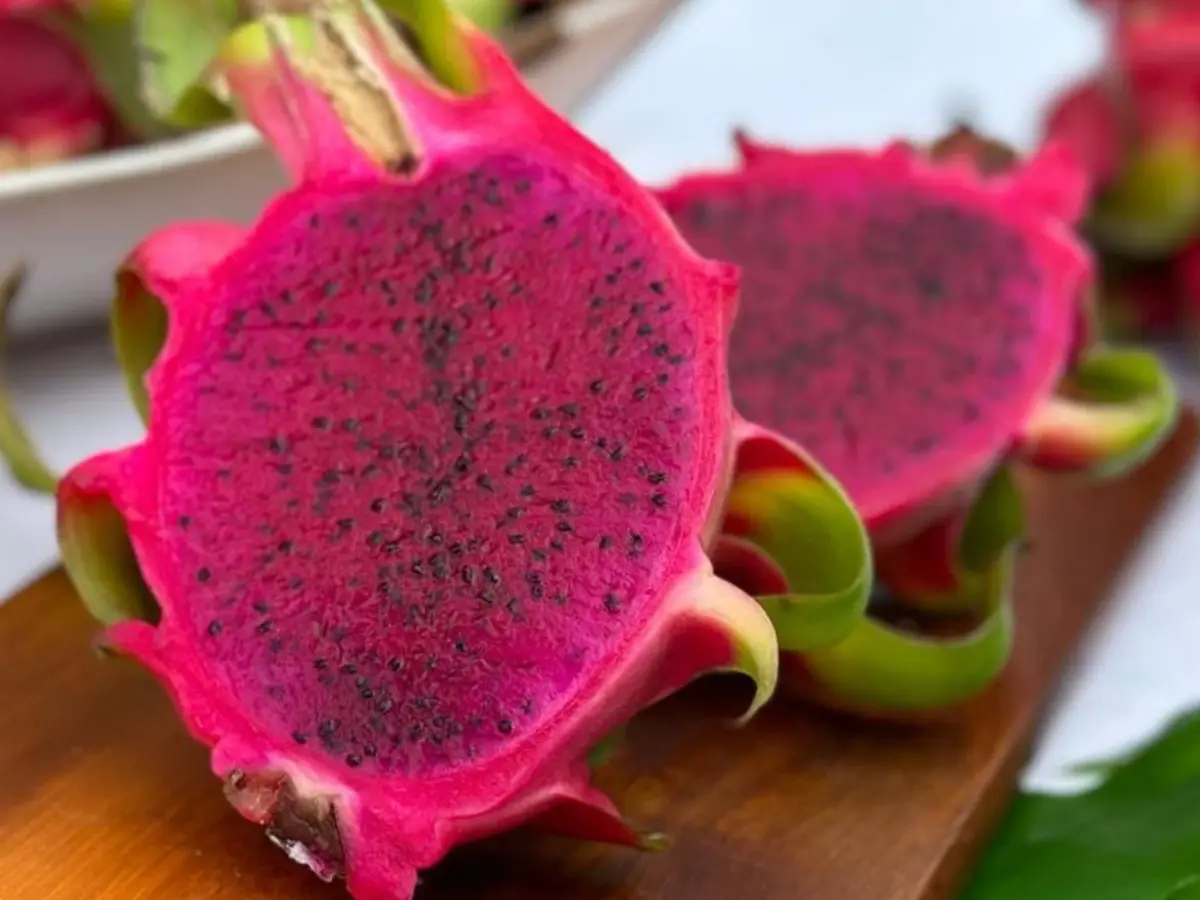
The Red Dragon Fruit (Selenicereus costaricensis) is a show-stopper. This climbing tropical fruit plant produces stunning nocturnal flowers followed by neon-pink fruit. It’s incredibly easy to grow from cuttings and perfect for vertical gardening on a trellis. If you want a “superfood” that looks like it’s from another planet, this is the one!
Name: Red Dragon Fruit (Selenicereus costaricensis)
USDA Hardiness Zones: 10-11
Light: Full sun to partial shade
Soil Needs: Well-drained, sandy cactus mix
Days to Maturity: 30-50 days from flowering
Flavor Profile: Mildly sweet, like a cross between kiwi and pear
You may like: Top 5 Easy Exotic Fruits You Can Grow at Home
4. Papaya (Solo Variety)
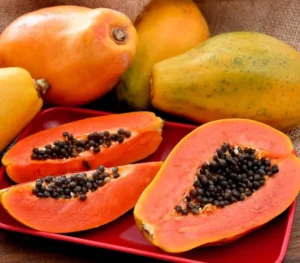
Papayas (Carica papaya) are the “sprint runners” of the fruit world. They grow incredibly fast and can produce fruit within a year of planting. The “Solo” varieties are perfect for home gardens because the fruits are smaller (individual servings) and the trees stay manageable. They love heat and plenty of organic matter.
Name: Solo Papaya (Carica papaya)
USDA Hardiness Zones: 9-11
Light: Full sun
Soil Needs: Rich, loamy, very well-drained soil
Months to Harvest: 7-11
Flavor Profile: Musky, sweet, buttery texture
5. Pink Guava
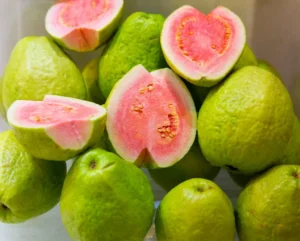
The Pink Guava (Psidium guajava) is a hardy tropical favorite that packs a serious punch of Vitamin C. Known for its intense fragrance that can fill an entire garden, these tropical fruits are delicious fresh or in jams. They are quite adaptable and can even be pruned into a beautiful small tree or hedge.
Name: Pink Guava (Psidium guajava)
USDA Hardiness Zones: 9-11
Light: Full sun
Soil Needs: Adaptable; prefers rich, well-drained soil
Months to Harvest: 3-4 months after flowering
Flavor Profile: Sweet-tart, highly aromatic, tropical punch flavor
6. Starfruit (Carambola)
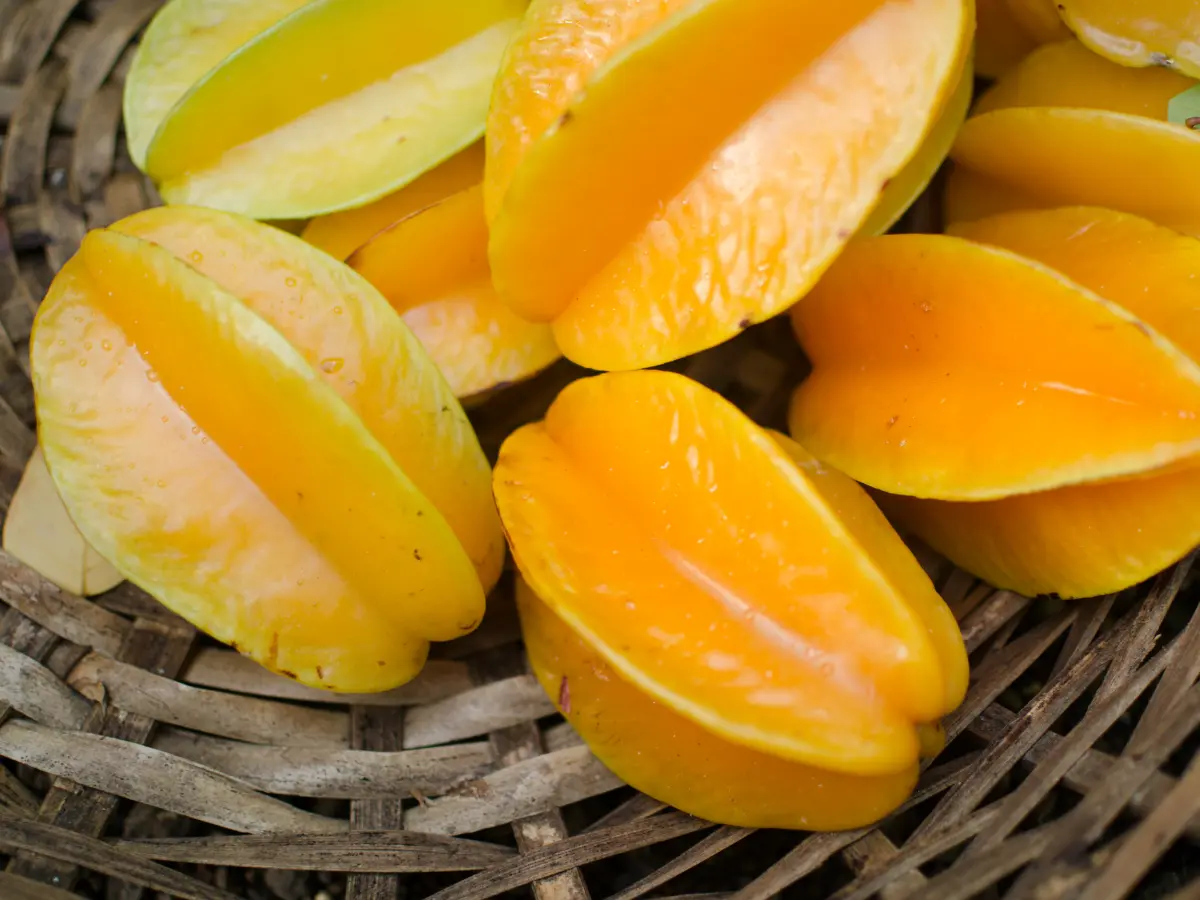
If you want to add some “star power” to your garden, plant a Starfruit (Averrhoa carambola) tree. These are some of the best tropical fruits to plant if you want a high-yield harvest, often giving you two crops a year. The waxy, yellow fruits are crisp and juicy, with a beautiful star shape when sliced crosswise. They prefer a wind-protected spot to thrive.
Name: Starfruit (Averrhoa carambola)
USDA Hardiness Zones: 9-11
Light: Full sun
Soil Needs: Slightly acidic, well-drained soil
Months to Harvest: 60-90 days from fruit set
Flavor Profile: Tangy, crunchy, citrus-like
7. Passion Fruit (Possum Purple)
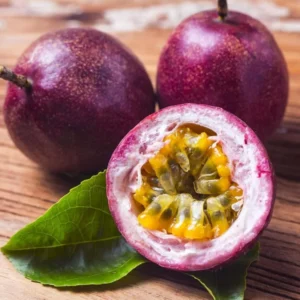
Passion Fruit (Passiflora edulis) is a vigorous vine that provides both privacy and delicious fruit. The flowers are arguably the most beautiful in the world! The “Possum Purple” variety is a garden favorite for its deep purple skin and intense, aromatic pulp. It’s perfect for making refreshing summer juices.
Name: Passion Fruit (Passiflora edulis)
USDA Hardiness Zones: 9-11
Light: Full sun
Soil Needs: Rich, moist, well-drained soil
Days to Maturity: 70-80 days from flowering
Flavor Profile: Intensely tart and aromatic
8. Pineapple (Sugarloaf)
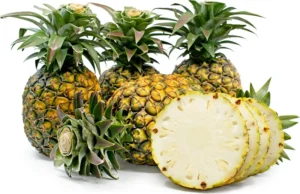
Did you know you can grow a Pineapple (Ananas comosus) just by planting the top of a store-bought fruit? However, for the best garden experience, try the “Sugarloaf” variety. It’s much sweeter and less acidic than commercial types, with an edible core! These tropical fruits are very low-maintenance and thrive in containers.
Name: Sugarloaf Pineapple (Ananas comosus)
USDA Hardiness Zones: 10-11
Light: Full sun
Soil Needs: Sandy, acidic soil
Months to Harvest: 18-24
Flavor Profile: Honey-sweet, low acid, creamy white flesh
Read more: Everything You Need to Know About the Sugarloaf Pineapple.
9. Barbadian Cherry (Acerola)
For those seeking a “health boost,” the Barbadian Cherry (Malpighia emarginata) is a must. These small, bright red cherries contain some of the highest concentrations of Vitamin C found in nature. The shrub is easy to grow, drought-tolerant once established, and produces multiple crops throughout the year.
Name: Barbadian Cherry (Malpighia emarginata)
USDA Hardiness Zones: 9-11
Light: Full sun to partial shade
Soil Needs: Well-drained soil
Days to Maturity: 25-30 days from flowering
Flavor Profile: Tart, juicy, berry-like
10. Avocado (Hass)
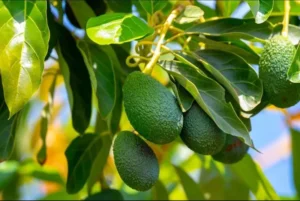
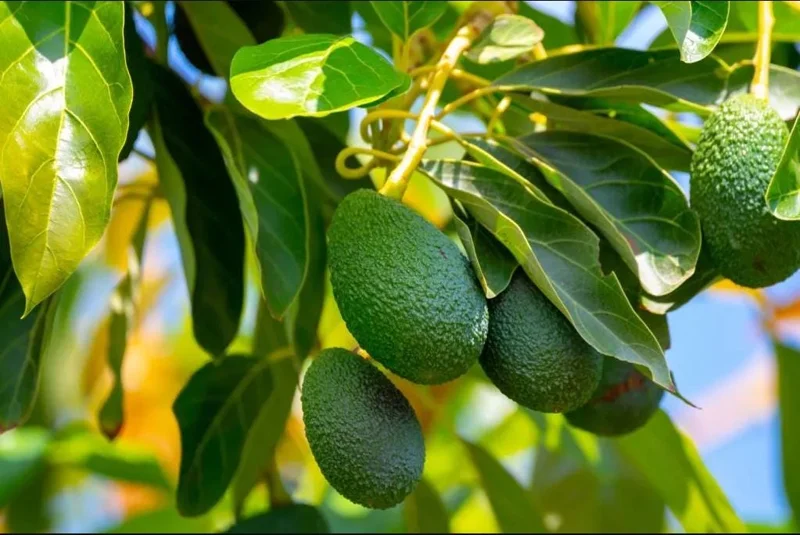
While technically a fruit, the Hass Avocado (Persea americana) is the “butter of the garden.” Growing your own means you can wait for that perfect ripeness that store-bought ones often miss. They require a bit more space and patience, but the harvest is incredibly rewarding.
Name: Hass Avocado (Persea americana)
USDA Hardiness Zones: 9-11
Light: Full sun
Soil Needs: Rich, loose, extremely well-drained soil
Months to Harvest: 12-18 months after flowering
Flavor Profile: Rich, nutty, creamy
How to Choose the Best Tropical Fruits for Your Garden
When selecting your tropical plants, consider these factors:
Drainage is Non-Negotiable: Most tropicals hate “wet feet.” If your soil is heavy clay, consider planting in raised beds or mounds.
Microclimates: Look for the warmest spots in your yard, usually near south-facing walls, to protect sensitive plants from occasional cold snaps.
Pollination: Some fruits, like certain avocados or passion fruits, produce better with a second plant nearby. Always check if your variety is self-fertile!
Tips for Growing Tropical Fruits Successfully
Mulch Heavily: Tropical plants love moisture and organic matter. Use wood chips or straw to keep roots cool and damp.
Feed the Beasts: Tropical fruits are “heavy feeders.” Use an organic fertilizer high in potassium to encourage fruit production.
Pruning: Keep your trees at a manageable height. It makes harvesting much easier and improves air circulation.
Frequently Asked Questions (FAQs)
Can I grow tropical fruits in containers?
Yes! Bananas, pineapples, guavas, and dwarf mangoes are excellent candidates for large pots if you have limited space.
How often should I water?
Tropicals generally prefer “consistent moisture.” Water deeply when the top inch of soil feels dry, especially during the flowering and fruiting stages.
Can I grow tropical fruits in cold states like New York or Chicago? Yes, but you have to be a “container gardener.” Stick to dwarf varieties like the Meyer Lemon or Dwarf Cavendish Banana. Use a high-quality grow light during the dark winter months to keep them happy indoors.
What is the fastest-bearing tropical fruit tree for beginners? Guava and Papaya are usually the quickest to produce. If you buy a grafted tree rather than starting from a seed, you can often see fruit within 12 to 24 months.
Are there self-pollinating tropical fruit varieties available? Many of them are! Most Pineapples, Bananas, and many Citrus and Mango varieties are self-pollinating, meaning you only need one plant to get a harvest. However, having two different varieties can sometimes increase the size of your crop.
How do I protect my tropical trees during a rare frost in 2026? If a freeze is coming, water your plants well (moist soil holds heat better), mulch the base heavily, and use a frost blanket or a simple burlap sack to cover the canopy. For small trees, some people even string old-fashioned (non-LED) Christmas lights through the branches to provide a few degrees of warmth.
Conclusion
Growing tropical fruits is a fantastic way to transform your backyard into a lush, edible sanctuary! From the honey-sweet Mango to the vibrant Dragon Fruit, there is a tropical variety for every sunny spot. By picking the right plants for your zone and giving them a little extra TLC, you’ll be enjoying a bounty of exotic flavors in no time.
If you’re ready to start your tropical journey, pick two or three from this list and get planting. Remember, gardening is all about the journey—so have fun and enjoy the sunshine! Happy gardening!
