
Plant Care Expert Guides
Sweet Broom Plant Care: Tips & Tricks for a Sun-Kissed Garden
Mar
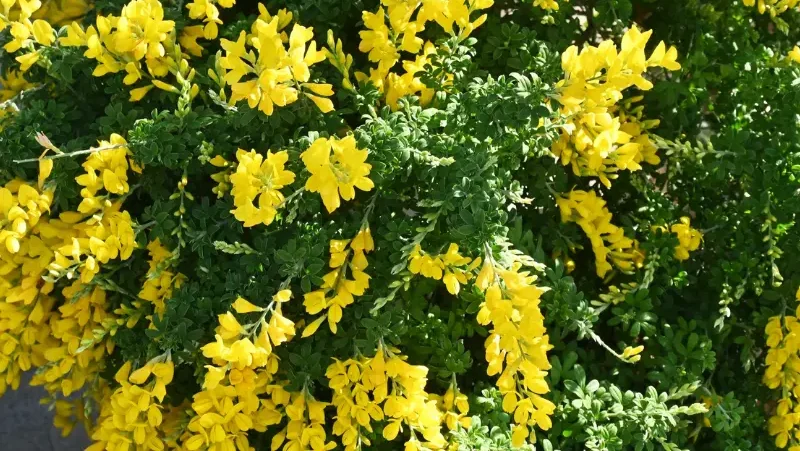
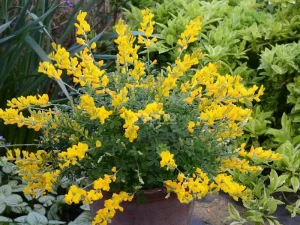
Sweet Broom (Cytisus spachianus), also widely known as Easter broom or leafy broom, is a charming, evergreen shrub native to the Canary Islands. This delightful plant is a favorite among gardeners for its prolific, pea-like yellow flowers that emit a sweet, honey-like fragrance. Mature specimens typically grow into a dense, rounded mound reaching heights of 2-3 feet (or up to 5-6 feet if planted in the ground in ideal climates), featuring small, clover-like green leaves that provide a lush backdrop for its golden blooms.
The stems of the Sweet Broom are slender and upright, giving the plant a delicate, airy silhouette. What truly sets this shrub apart is its spectacular blooming season, usually occurring in late winter to spring, when the entire plant becomes covered in bright yellow clusters. These fragrant blossoms not only attract the eyes of passersby but are also a magnet for pollinators like bees and butterflies.
Sweet Broom, belonging to the Fabaceae (legume) family, is often sold in nurseries during the spring as a decorative “Easter” plant, but with the right care, it can thrive for years as a permanent fixture in your landscape or container garden. The genus name Cytisus comes from the Greek word kytisos, a name used for several woody legumes.
With its intoxicating scent and sunny disposition, Sweet Broom is a versatile choice for borders, rock gardens, or as a fragrant patio plant. In this comprehensive guide, we’ll walk you through everything you need to know about Sweet Broom plant care to grow strong and healthy plant.
Sweet Broom Plant Care
Ideal Growing Conditions for Sweet Broom
Sweet Broom is a sun-worshiper through and through. To get that iconic “wall of yellow” flowers, you have to mimic its breezy, Mediterranean origins.
Light Requirements: This plant prefers bright light. It needs full sun, at least 6 to 8 hours of direct light, to stay compact and healthy. If you’re growing it indoors, a south-facing window is a must. Without enough light, the stems will stretch out looking for the sun, making the plant look thin and “sad.”
Soil and Drainage: The quickest way to kill a Sweet Broom is “wet feet.” It loves well-draining soil. If you’re planting in a pot, use a high-quality potting mix and toss in a handful of perlite or coarse sand to speed up drainage. It actually prefers slightly “lean” or poor soil over rich, heavy muck!
Temperature & Humidity: It thrives in temperatures between 50°F and 75°F (10°C–24°C). It enjoys a bit of a “chill” in the winter (around 45°F–50°F) to help set its flower buds for spring, but it doesn’t like a hard freeze. If a frost is coming, bring your potted Broom inside the garage or cover your garden plants with a frost cloth.
Watering Tips for Sweet Broom
Watering can be the trickiest part of Sweet Broom care. It’s a drought-tolerant plant once it’s grown up, but it needs a little “hand-holding” while it’s young or in bloom.
When to Water: Stick your finger into the soil. If the top inch feels dry, give it a drink. During the spring blooming season, keep the soil consistently moist (but never swampy!).
The “Soggy Soil” Warning: If you notice the leaves turning yellow and falling off rapidly, check the bottom of the pot. If it’s sitting in water, stop! Let the soil dry out completely before watering again to prevent root rot.
Feeding Sweet Broom for Maximum Blooms
You don’t need to go overboard with fertilizer, but a little “fuel” goes a long way.
The Right Mix: Use a balanced, water-soluble fertilizer (like a 10-10-10).
The Schedule: Feed your plant every 4 weeks during the spring and summer.
Pro Tip: Stop fertilizing entirely in the fall and winter. This tells the plant it’s time to rest and prepare for its big spring performance!
Common Problems and How to Solve Them
Pests and Diseases That Affect Sweet Broom
While generally hardy, you should keep an eye out for common garden visitors:
Spider Mites and Aphids: These are the most common pests. Regularly inspect the foliage, especially the undersides of the leaves.
Treatment: If you spot an infestation, treat the plant with neem oil or an insecticidal soap. Improving air circulation around the plant also helps prevent these issues.
Leggy Growth and Lack of Blooms
If your Sweet Broom looks “stretched out” or refuses to flower, it is likely not receiving enough light. Move the plant to a sunnier location to encourage tighter, bushier growth and more flower buds.
Pruning and Shaping Your Shrub
Pruning is the “secret trick” to a professional-looking Sweet Broom. If you never prune it, it will eventually become woody and bare at the bottom.
The Timing: Only prune right after the flowers fade. * The Technique: Trim back the green, soft stems by about one-third to maintain that nice, rounded “pom-pom” shape.
The Golden Rule: Never cut back into the thick, dark, woody part of the stems. Sweet Broom rarely grows back from old wood, so if you go too deep, you might end up with a permanent bald spot!
Frequently Asked Questions (FAQ)
Why is my Sweet Broom losing its leaves?
This is usually a reaction to a sudden change. Did you just move it from a nursery to a dark room? Or did the soil dry out completely? It’s the plant’s way of saying “I’m stressed!” Stabilize its light and water, and it should bounce back.
Is it safe around my cat or dog?
Actually, Sweet Broom is considered toxic if eaten. It contains alkaloids that can cause tummy upset or worse for pets. It’s best to keep this one on a high shelf or in a part of the garden where your furry friends don’t forage.
Can I grow this as a “standard” (a little tree)?
Yes! You can often find them trained onto a single trunk at garden centers. They look stunning in formal pots by a sunny doorway.
Conclusion
The Sweet Broom is more than just a plant; it’s a sensory experience. With its brilliant gold color and that “sweet-as-honey” perfume, it’s the perfect way to welcome spring into your home. It might be a little picky about drainage and light, but once you find that “sweet spot” in your garden, it will reward you year after year.
Don’t be discouraged if a few leaves drop when you first bring it home; it’s just getting used to its new life with you. Keep learning, keep gardening, and enjoy the golden glow!
References
- Missouri Botanical Garden. “Genista spachiana (Sweet Broom) – Plant Finder“
- University of California Agriculture and Natural Resources (UC ANR). “Managing Pests in Gardens: Broom Species.“
