
Plant Care Expert Guides
How to Revive Plants After Shipping Shock: 5 Expert Tips
Mar
Did you just open a box only to find your new leafy friend looking like it gave up halfway across the country? Are the leaves on your once-vibrant plant now drooping, yellowing, or falling off the moment you touch them?
I know that sinking feeling in your chest. You spent weeks researching the perfect nursery, tracked the package every hour, and now it looks like a wilted mess. But before you reach for the trash can or start typing an angry email to the seller, take a deep breath.
Most of the time, your plant isn’t dying; it is just experiencing shipping shock. Think of it like severe jet lag combined with being trapped in a dark, bumpy elevator for three days. It is stressed, dehydrated, and confused.
As someone who has helped thousands of plants transition from nursery greenhouses to US living rooms, I can tell you that recovery is not only possible—it is likely if you follow the right steps. Let’s get your plant back to its thriving, Instagram-worthy self.
Read more: Is My Plant Dead or Just Shipping Stressed? (How to Tell the Difference)
What is Plant Shipping Shock and Symptoms to Watch For?
Shipping shock is a physiological response when a plant is moved from a controlled environment (like a humid greenhouse) to a dark box with fluctuating temperatures, and finally to your home’s unique climate.
Signs Your Plant is Stressed
The most common symptoms of transplant shock or shipping stress include:
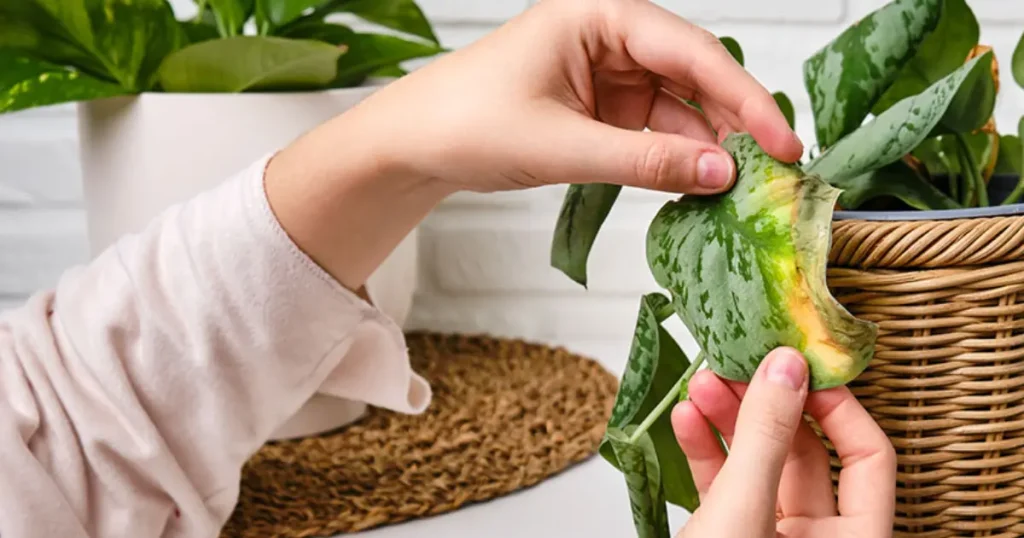
Drooping or Wilting: The stems lose their rigidity and lean over the edge of the pot.
Yellowing Leaves: Especially the lower, older foliage.
Leaf Drop: Some plants, like Ficus or certain tropicals, drop leaves as a survival mechanism to conserve energy.
Dry, Crispy Edges: A sign of low humidity and dehydration during the journey.
Shipping Shock vs. Permanent Damage
How do you know if there is still hope? Try the scratch test. Use your fingernail to gently scratch a small horizontal line on the main stem. If it is green underneath, the plant is alive, and the vascular system is functioning. If it is brown and brittle all the way through, the plant may have succumbed to extreme temperatures or root rot.
Immediate Steps to Take After Unboxing
The first hour after unboxing is critical. Your goal is to stabilize the plant without overwhelming its system.
Temperature Acclimation
Your home is likely a different temperature than the delivery truck. Do not place your plant near an AC vent, a heater, or in a drafty hallway. Keep it in a neutral area where the temperature stays between 65 and 75 degrees Fahrenheit.
Hydration Protocol
Most mail-order plants arrive thirsty. Instead of pouring water over the top, which can lead to fungus gnats if the soil is too compacted, try bottom watering. Place the nursery pot in a tray of filtered water for about 15 to 20 minutes. This allows the roots to soak up exactly what they need through capillary action.
To Prune or Not to Prune?
It is tempting to “clean up” the plant immediately. However, I suggest waiting. Only remove leaves that are completely yellow or turned to mush. Even a slightly damaged leaf can still perform photosynthesis, which the plant needs for energy right now.
The 5 Golden Rules for Recovery
If you want to see your plant bounce back quickly, follow these five rules religiously for the first two weeks.
1. Controlled Lighting
Even if you bought a “Full Sun” plant, do not put it in a south-facing window on day one. After days in total darkness, its leaves are sensitive. Place it in bright, indirect light. Think of it like wearing sunglasses after being in a dark movie theater—you need time to adjust.
2. Humidity Boost
Most plants sold online are tropical. The air in American homes, especially during winter when the heater is on, is incredibly dry. Use a humidity tray (a tray filled with pebbles and water) or a small humidifier to keep the moisture levels around 50% to 60%. This prevents the foliage from drying out further while the roots are still recovering.
3. Hands-off Fertilizing
This is a mistake I see new plant parents make all the time. You think the plant needs “food” to get strong. In reality, fertilizer contains salts that can burn stressed roots. Wait at least 4 weeks, or until you see the first sign of new growth, before using any liquid fertilizer.
4. Soil Check
Check the potting mix. Is it pulling away from the sides of the pot? That means it is bone dry. Is it soaking wet and smelling a bit sour? That could be the start of root rot from overwatering before shipping. If the soil is okay, leave it alone. If it is a swamp, you may need to gently wick away moisture with paper towels.
5. Patience is Key
Plants move on a different timeline than we do. You might not see a change for 7 to 14 days. During this window, avoid moving the plant around the house. Pick a spot and let it stay there. Constant movement only adds to the stress.
When to Contact the Seller
I always tell my friends: document everything. As soon as you open the box, take high-quality photos and videos.
If your plant arrives with a mushy black stem (root rot) or if the foliage is completely frozen or scorched from heat, contact the seller immediately. Most nurseries have an “Arrive Alive” guarantee, but require notification within 24 to 48 hours of delivery.
If it is just a few yellow leaves or some drooping, give the plant a week of TLC before reaching out. Usually, by day five, you will see the stems start to stand tall again.
Frequently Asked Questions (FAQs)
How long does it take for a plant to recover from shipping shock?
Most plants will stabilize within 7 to 10 days, but it may take a full month before you see vigorous new growth.
Should I repot my plant immediately after it arrives?
Absolutely not. Repotting is another form of trauma. Wait at least 2 weeks for the plant to acclimate to your home’s light and humidity before moving it to a decorative planter.
Does sugar water help with shipping shock?
Some gardeners swear by a weak sugar solution, but it is better to use a dedicated root stimulator or a seaweed-based tonic. These contain hormones that specifically help roots recover from stress without the risk of attracting pests.
Can I put my plant under a grow light right away?
Yes, but keep the light at a further distance than usual. You want to provide consistent energy without the heat intensity that can lead to leaf scorch.
Final Thoughts
Shipping shock is a normal part of buying plants online. It doesn’t mean you are a bad plant parent or that the seller sent a “bad” plant. It just means your new friend needs a little extra grace.
Keep the light indirect, the humidity high, and your hands off the fertilizer. Before you know it, that wilted seedling will be a centerpiece of your collection.
