
Plant Care Expert Guides
Top 8 Bulbs to Plant in Spring for a Stunning Summer Garden
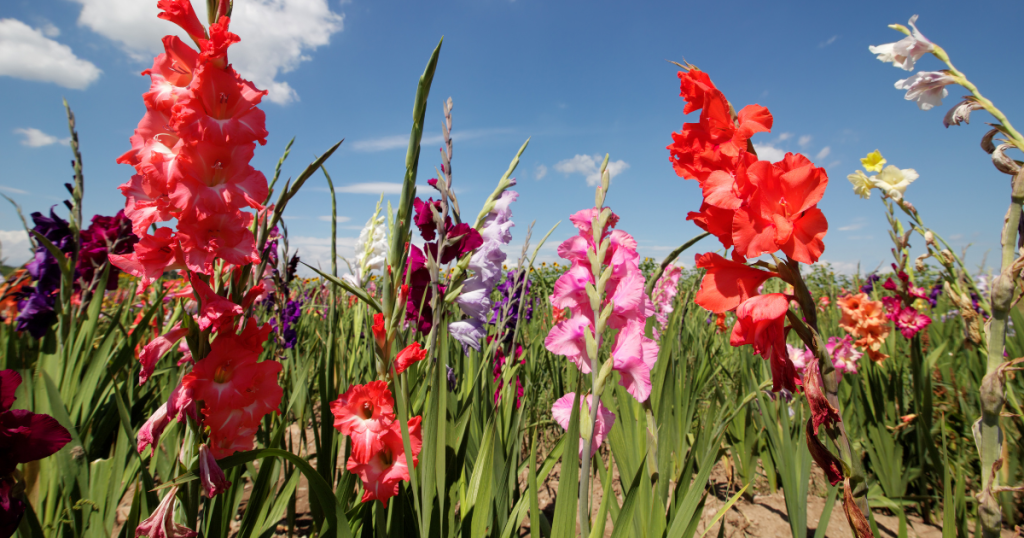
Mar
Spring is right around the corner, and if you’re anything like most gardeners, you’re probably already thinking about what to plant next. Maybe you missed the fall planting window. Maybe your garden still feels a little empty. Or maybe you just want something that grows fast and actually blooms without a lot of guesswork.
Here’s the good news. You don’t have to wait another year to enjoy a colorful garden.
While many people think of bulbs as a fall task, there’s a whole group of bulbs to plant in spring that thrive when the soil starts to warm up. In fact, spring planting is your chance to fill gaps, experiment with new varieties, and set up a garden that comes alive in summer and even early fall.
The question is, where do you start? With so many options out there, it’s easy to pick the wrong ones or plant at the wrong time.
In this guide, I’ll walk you through what bulbs to plant in spring, including 10 of the best options that perform well across the US. You’ll also get simple, practical tips to help you grow them successfully, even if you’re just getting back into gardening after a long winter.
Top 8 Bulbs to Plant in Spring
1. Dahlia (Dahlia spp.)
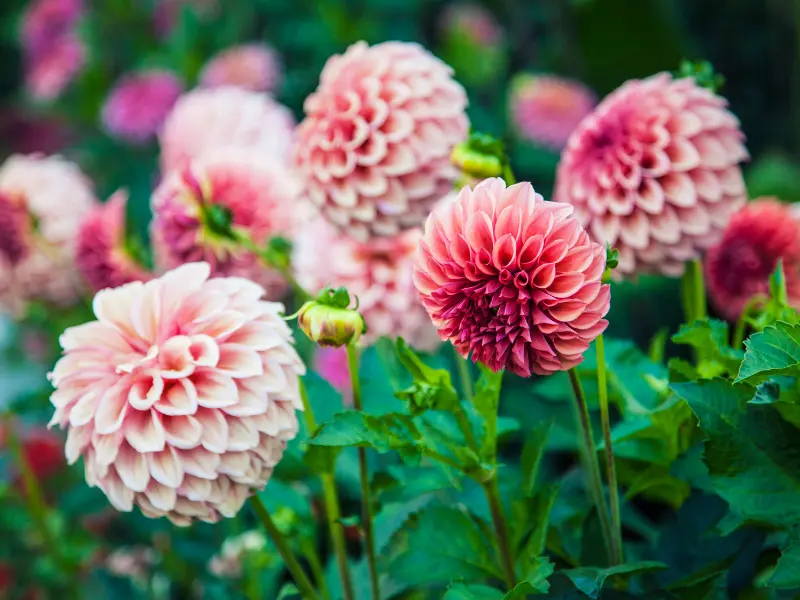
At the top of the bulbs to plant in spring list is the bold and colorful dahlia. If you want a garden that truly stands out, this is the bulb to start with. Dahlias are famous for their large, layered blooms that come in almost every color you can imagine. From deep burgundy to bright coral, they bring immediate impact to any backyard.
What makes dahlias so popular among gardeners is their long blooming season and versatility. They work just as well in garden beds as they do in cut flower arrangements. Once they start blooming, they keep going strong all summer.
Dahlias are perfect if you want a bold, full garden without needing years of experience. The more you cut them, the more they bloom, which makes them ideal for fresh bouquets on your kitchen table.
Just give them sun, good soil drainage, and a bit of space. They’ll handle the rest.
Name: Dahlia (Dahlia spp.)
USDA Hardiness Zones: 8-11 (lift in colder zones)
Light: Full sun
Soil Needs: Rich, well-drained soil
Bloom Season: Mid-summer to fall
Scent Profile: Mild to none
2. Lily (Lilium spp.)
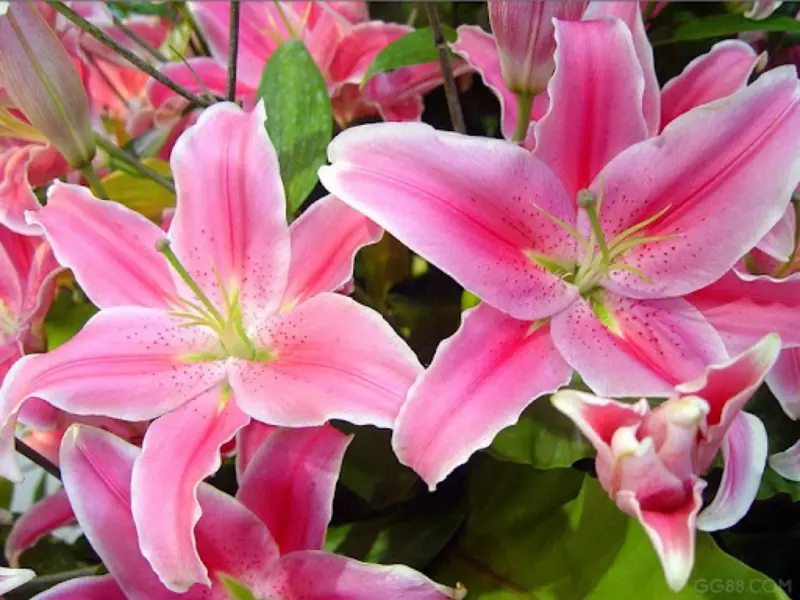
Lilies are one of the easiest and most reliable perennial bulbs you can plant in spring. Their tall stems and trumpet-shaped flowers add elegance to any garden. If you’ve ever walked past a garden and caught a sweet floral scent in the air, chances are it came from lilies.
The kind of flowers you’d expect to see in a magazine, but they’re actually very easy to grow.
They are perfect for beginners because they require very little care once established. Many varieties will come back year after year, making them a smart long-term investment.
And then there’s the scent. On warm summer evenings, it carries through the garden in a way that’s hard to forget.
Name: Lily (Lilium spp.)
USDA Hardiness Zones: 4-9
Light: Full sun to partial shade
Soil Needs: Well-drained soil
Bloom Season: Early to late summer
Scent Profile: Sweet, floral
3. Gladiolus (Gladiolus spp.)
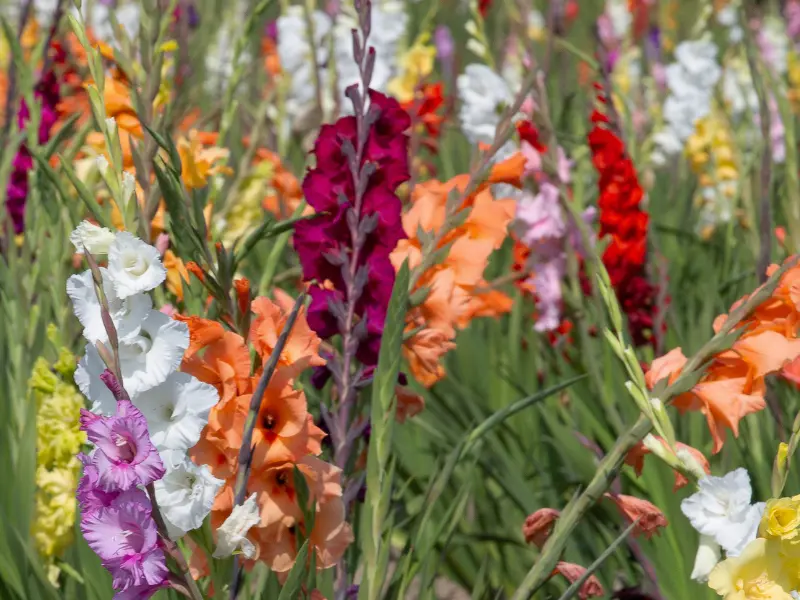
Gladiolus is for when your garden feels a little… flat. If you want height and drama, gladiolus is your go-to bulb. These flowers grow tall spikes lined with colorful blooms, making them a favorite for backyard borders and flower cutting.
They bloom in succession, so if you plant them every couple of weeks, you’ll have continuous color throughout the summer. This is a simple trick many experienced gardeners use.
They’re also one of the best flowers for cutting. A few stems in a vase can completely change the feel of a room.
Name: Gladiolus (Gladiolus spp.)
USDA Hardiness Zones: 7-10
Light: Full sun
Soil Needs: Loose, well-drained soil
Bloom Season: Summer
Scent Profile: Light
4. Begonia (Tuberous Begonia)
Not every garden gets full sun. And that’s where begonias really shine. Begonias are perfect if your garden doesn’t get full sun. These bulbs thrive in shade and still produce vibrant, full blooms that brighten up darker corners.
They are especially popular for container gardening, patios, and balconies. If you live in an apartment or have limited space, begonias are a great choice.
Read more: Top 7 Best Flowers for Balcony: Transform Your Space!
I’ve seen them completely transform small spaces. A simple container with begonias can turn a dull balcony into something you actually want to spend time in.
They do like consistent moisture, so don’t let the soil dry out completely. Other than that, they’re surprisingly low effort.
Name: Begonia (Tuberous Begonia)
USDA Hardiness Zones: 9-11
Light: Partial shade
Soil Needs: Moist, well-drained soil
Bloom Season: Late spring to fall
Scent Profile: Mild
5. Canna Lily (Canna indica)
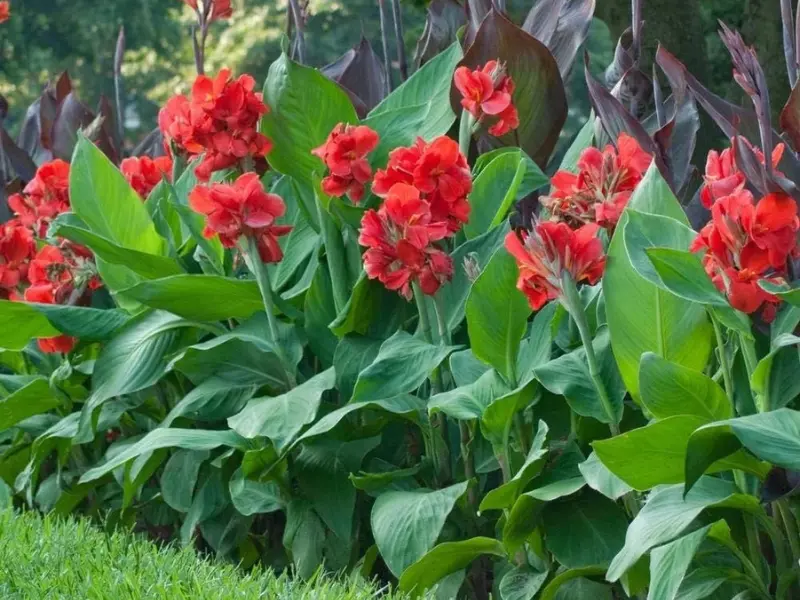
Canna lilies bring a tropical feel to any garden. Their large leaves alone make a statement, and when the flowers show up, it feels like you’re somewhere much warmer than your backyard.
They love heat, so if you live in the southern US, these will thrive. But even in cooler regions, they grow quickly during summer and fill out garden spaces beautifully.
They’re also great for creating privacy or soft borders because of their height.
Name: Canna Lily (Canna indica)
USDA Hardiness Zones: 8-11
Light: Full sun
Soil Needs: Moist, fertile soil
Bloom Season: Summer to early fall
Scent Profile: Mild
6. Calla Lily (Zantedeschia)
Calla lilies are simple, but in a very intentional way. Calla lilies are known for their smooth, elegant shape. Their clean lines and soft curves make them a favorite for modern gardens and wedding bouquets.
They’re also incredibly versatile. You can grow them in the ground or in containers, and they work well in both modern and traditional garden styles.
One thing to note is that they like consistent moisture, but not soggy soil.
Name: Calla Lily (Zantedeschia)
USDA Hardiness Zones: 8-10
Light: Full sun to partial shade
Soil Needs: Moist, well-drained soil
Bloom Season: Late spring to summer
Scent Profile: Light, fresh
7. Elephant Ear (Colocasia esculenta)
If you’re looking for something different, elephant ears are all about foliage. While they don’t bloom like traditional flowers, their massive leaves create a bold visual statement.
They are perfect for creating shade gardens or adding texture to your landscape.
If your garden feels a bit plain, this plant changes that instantly.
They’re especially useful for filling space or adding contrast next to smaller plants.
They do need more water than most bulbs, so they’re great if you have a spot that tends to stay moist.
Name: Elephant Ear (Colocasia esculenta)
USDA Hardiness Zones: 8-11
Light: Partial shade to full sun
Soil Needs: Wet, rich soil
Bloom Season: Grown for foliage
Scent Profile: None
8. Ranunculus (Ranunculus asiaticus)
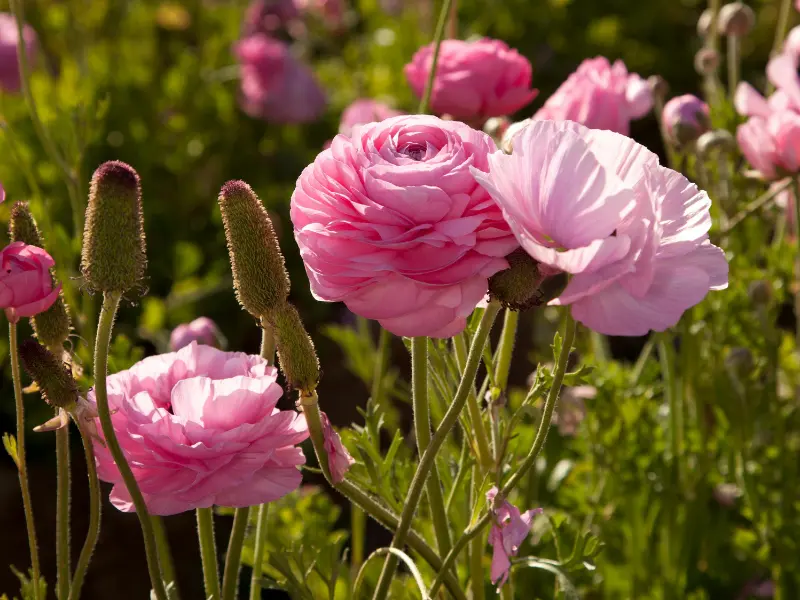
Ranunculus are the kind of flowers people stop and look at twice. Ranunculus flowers look almost too perfect to be real. The petals are tightly packed, almost like a rose, but with a softer, more delicate feel. They’re often used in bouquets, but growing them yourself is even more rewarding.
They thrive in mild spring climates and produce some of the most photogenic blooms you’ll ever grow. If you’re aiming for a more polished, curated garden look, ranunculus are a great addition.
Name: Ranunculus (Ranunculus asiaticus)
USDA Hardiness Zones: 8-10
Light: Full sun
Soil Needs: Well-drained soil
Bloom Season: Spring to early summer
Scent Profile: Light
How to Plant for Success
You don’t need fancy equipment to get started. A simple trowel and a bag of good compost are usually enough.
Soil Preparation: Most summer-flowering bulbs hate “wet feet.” If your soil feels like heavy clay that stays soggy after rain, mix in some organic matter or peat moss to help with drainage.
Planting Depth: A general rule is to plant a bulb three times as deep as it is tall. For example, if a lily bulb is two inches tall, bury it six inches deep.
Sunlight: Most of these varieties need at least six hours of sun. If they are in the shade, they might grow tall and floppy as they “reach” for the light.
It can be heartbreaking to plant your bulbs only to find a hole in the ground the next morning. Squirrels and chipmunks often think your new garden is a buffet.
A quick fix: Lay a bit of chicken wire over the soil after planting and cover it with mulch. The plants can grow through the holes, but the critters can’t dig down.
Another issue is “bulb rot.” If we have a very rainy spring, bulbs sitting in cold, wet dirt can turn to mush. This is why waiting for the soil to warm up and ensuring well-drained soil is so important.
Frequently Asked Questions (FAQs)
Can I leave these bulbs in the ground over winter? It depends on where you live. In southern states (Zones 8-10), many summer bulbs like Cannas and Lilies stay in the ground just fine. In the North (Zones 3-6), you will need to dig up “tender” bulbs like Dahlias after the first frost and store them in a cool, dry place until next spring.
When is the best time to start planting? Wait until the threat of frost has passed and the soil temperature is consistently around 60 degrees. Planting too early in cold, wet soil is the number one cause of failure.
Which bulbs are best for pots and containers? Begonias, Caladiums, and shorter varieties of Dahlias do amazing in containers. Just make sure your pot has drainage holes at the bottom.
How long does it take for them to bloom? Most spring-planted bulbs will start blooming within 60 to 90 days. Gladiolus are usually the fastest, while Dahlias take a bit longer to reach their full glory in late summer.
Conclusion
Planting bulbs in the spring is one of the most rewarding things you can do for your landscape. It is an investment in your future self—the version of you that will be sitting on the porch in July with a cold drink, looking at a yard full of vibrant, humming activity from bees and butterflies.
Don’t worry about being perfect. Gardening is mostly about trial and error. Grab a few packs of Lilies or a handful of Gladiolus corms this weekend and just see what happens. You might find that your “black thumb” wasn’t so black after all.
