Overview
Bring the joy of homegrown fruit to your garden with the magnificent Apricot Moorpark tree. This highly esteemed cultivar is celebrated for its delectable, large, and exceptionally flavorful apricots, making it a favorite among home gardeners and commercial growers alike. The ‘Moorpark’ apricot is a vigorous and productive variety, known for its consistent yields of sweet, juicy fruit with a rich, aromatic flavor. Our Apricot Moorpark tree is a live, healthy specimen, typically measuring 2 to 3 feet tall, and is carefully shipped in a 3-gallon nursery pot, ensuring a strong start in your landscape. Whether you’re an experienced orchardist or new to fruit tree cultivation, the ‘Moorpark’ offers a rewarding growing experience and a bountiful harvest of delicious stone fruit.
The ‘Moorpark’ apricot (Prunus armeniaca ‘Moorpark’) is a classic choice for temperate climates, providing not only delicious fruit but also beautiful spring blossoms that add ornamental value to your property. This particular variety is cherished for its balance of sweetness and tartness, and its firm, golden flesh. Growing your own Moorpark apricot live plant allows you to enjoy fruit fresh off the branch, ensuring peak ripeness and flavor that store-bought apricots simply can’t match.
Key Benefits
The Apricot Moorpark tree offers numerous advantages for the home gardener, transforming your outdoor space into a productive and beautiful oasis. Its robust nature and delicious fruit make it a highly desirable addition.
Exceptional Fruit Quality: The ‘Moorpark’ apricot is famous for its large, sweet, and incredibly juicy fruit with a rich, complex flavor. It’s considered one of the best apricots for fresh eating, canning, and drying.
Abundant Harvests: This variety is a reliable and heavy producer, meaning a single mature tree can provide a generous yield of apricots, perfect for sharing with family and friends or preserving for later enjoyment.
Beautiful Spring Blooms: Before the fruit appears, the Apricot Moorpark tree adorns itself with a stunning display of delicate pinkish-white blossoms in early spring, adding significant aesthetic appeal to your garden.
Vigorous Growth: Known for its strong and healthy growth habit, the ‘Moorpark’ apricot establishes well and develops into a sturdy fruit-bearing tree with proper care. This makes it a great choice for those looking to grow Moorpark apricot successfully.
Versatile Culinary Use: The apricots can be enjoyed fresh, baked into pies and tarts, made into jams and preserves, or dried for a healthy snack, offering endless culinary possibilities from your own backyard.
Long-Term Investment: A well-cared-for apricot tree can provide delicious fruit for many years, becoming a valuable and rewarding addition to your home garden for decades.
Self-Pollinating: While cross-pollination can increase yields, the ‘Moorpark’ apricot is largely self-fertile, meaning you may only need one tree to get fruit, simplifying the planning for your home orchard.
Plant Care & Growing Tips
To successfully grow Moorpark apricot trees and ensure a bountiful harvest, understanding their specific care requirements is crucial. Apricot trees thrive in locations that mimic their native Mediterranean climate, characterized by warm, dry summers and cool winters.
Sunlight requirements: The Apricot Moorpark tree demands full sun exposure, meaning at least 6-8 hours of direct sunlight per day. This is essential for fruit development, flavor, and overall tree health. Choose a planting site that receives unobstructed sunlight throughout the day, ideally with some protection from strong winds. Proper light penetration also helps prevent fungal diseases. For those looking to grow Moorpark apricot successfully, sunlight is key.
Watering schedule and soil moisture preferences: Young apricot trees require consistent watering to establish a strong root system. Water deeply once or twice a week, especially during dry spells, ensuring the soil is moist but not waterlogged. Mature trees are more drought-tolerant but will benefit from supplemental watering during prolonged dry periods, particularly when fruit is developing. Avoid overhead watering to minimize disease risk. Good drainage is paramount; apricots do not tolerate wet feet.
Soil type and drainage requirements: Apricots prefer well-draining, fertile loamy soil with a pH between 6.0 and 7.0. Heavy clay soils should be amended with organic matter like compost to improve drainage and aeration. Sandy soils may require more frequent watering and nutrient supplementation. Before planting your Moorpark apricot live plant, perform a soil test to determine its composition and amend as necessary. Excellent drainage is vital to prevent root rot and ensure the tree’s longevity.
Temperature range and USDA hardiness zone: The Apricot Moorpark tree is generally hardy in USDA Zones 5-8. It requires a certain number of chill hours (temperatures below 45°F or 7°C) during winter for proper fruit set, typically around 700-800 hours. However, it is also susceptible to damage from late spring frosts, which can harm emerging blossoms. Choose a site that allows for good air circulation to help mitigate frost damage. Protecting young trees during extreme cold snaps can be beneficial.
Fertilization schedule and type: Fertilize your apricot tree care regimen should include a balanced fertilizer (e.g., 10-10-10) in early spring, just as new growth begins. For young trees, apply about a pound of fertilizer per year of the tree’s age, up to a maximum of 10 pounds. Mature trees may require less, depending on soil fertility and fruit production. Always follow package directions and avoid over-fertilizing, which can lead to excessive leafy growth at the expense of fruit. Organic options like compost and well-rotted manure can also enrich the soil.
Common problems and solutions: Apricot trees can be susceptible to pests like aphids, codling moths, and borers, and diseases such as brown rot, powdery mildew, and bacterial canker. Regular inspection, proper sanitation (removing fallen fruit and diseased branches), and good air circulation are key preventative measures. Organic pest control methods or targeted fungicides/insecticides may be necessary for severe infestations. Proper pruning also plays a crucial role in maintaining tree health and vigor, which is an important part of apricot tree care.
Size & Details
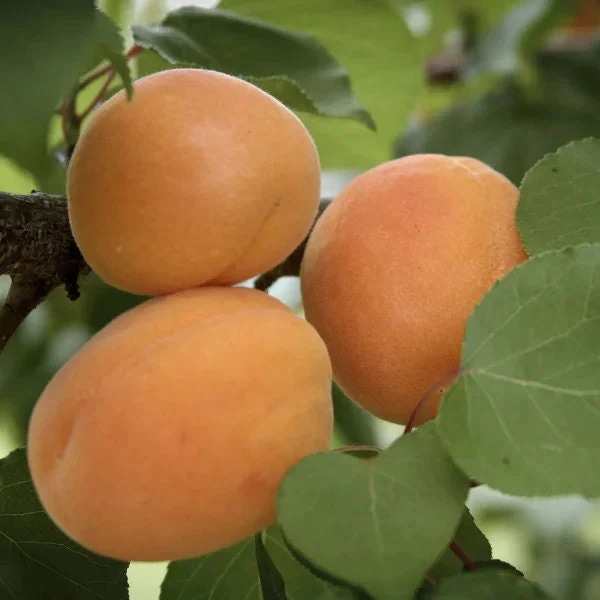
This offering is for one healthy Apricot ‘Moorpark’ Tree, a live plant ready for your garden. The tree typically stands between 2 to 3 feet tall from the base of the pot to the tip of the highest branch upon arrival. It is shipped in a sturdy 3-gallon nursery pot, providing ample soil and a well-developed root system to ensure a smooth transition to your landscape. The ‘Moorpark’ apricot is a moderately fast-growing fruit tree, reaching a mature height of 15-20 feet with a similar spread, though it can be kept smaller with proper pruning. Expect the tree to begin bearing fruit within 3-5 years after planting, with increasing yields as it matures. The fruit itself is typically large, 2-3 inches in diameter, with a beautiful orange-yellow skin often blushed with red. This makes it an excellent choice for a productive fruit tree for home garden.
Frequently Asked Questions
Q: How big does this plant get? A: The Apricot Moorpark tree typically reaches a mature height and spread of 15-20 feet, but can be maintained at a smaller size with regular pruning. The plant you receive will be 2-3 feet tall.
Q: What size pot does it come in? A: Your Moorpark apricot live plant will be shipped in a durable 3-gallon nursery pot, providing a robust root system for successful transplanting.
Q: Is this an indoor or outdoor plant? A: The Apricot Moorpark tree is an outdoor fruit tree, requiring full sun and specific chill hours for fruit production. It is not suitable for long-term indoor cultivation.
Q: How much sunlight does it need? A: This fruit tree requires at least 6-8 hours of direct sunlight per day to thrive and produce abundant, high-quality fruit. Full sun is essential for proper development and ripening of the fruit.
Q: Is this plant easy to care for? A: Apricot trees require consistent care, including proper watering, pruning, and occasional pest/disease management. While not difficult, they are not considered a ‘set it and forget it’ plant. Following our apricot tree care guide will ensure success.
Q: What condition will it arrive in? A: Your Apricot Moorpark tree will arrive as a healthy, live plant, carefully packaged to minimize stress during transit, with its roots securely contained in the 3-gallon pot.
Q: When is the best time to plant? A: The best time to plant your Moorpark apricot live plant is in early spring or fall, allowing it to establish its root system before extreme summer heat or winter cold. This is an important consideration for any fruit tree for home garden.
Q: Will it survive winter in my zone? A: The ‘Moorpark’ apricot is hardy in USDA Zones 5-8. If you are outside these zones, special winter protection or alternative varieties may be needed. It requires sufficient chill hours for fruit production.
Q: Are Moorpark apricots self-pollinating? A: Yes, ‘Moorpark’ apricots are largely self-fertile, meaning a single tree can produce fruit. However, planting another apricot variety nearby can often increase overall fruit yield.
Q: How long until it produces fruit? A: Typically, a young Apricot Moorpark tree will begin to produce fruit within 3-5 years after planting, with yields increasing significantly as the tree matures.











Reviews
There are no reviews yet.