Overview
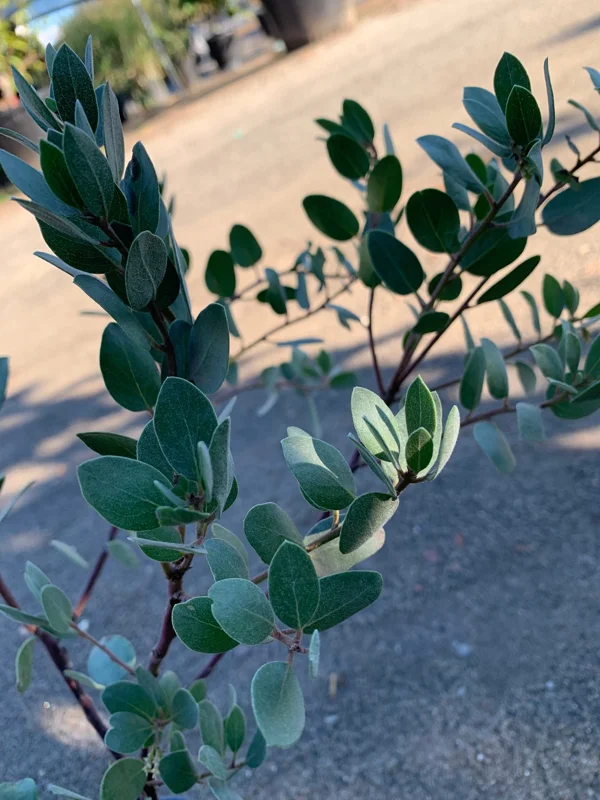
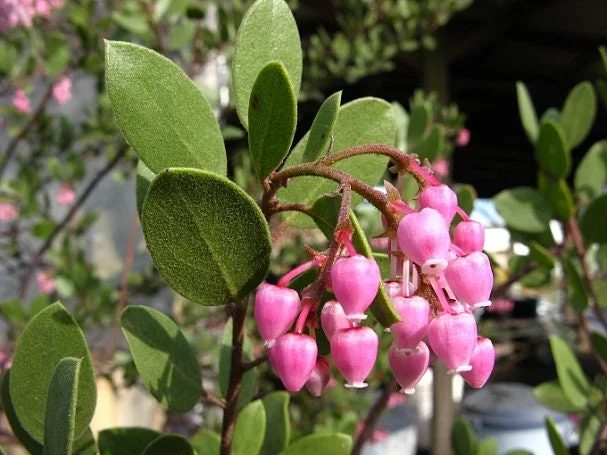
The Arctostaphylos Bakeri ‘Louise Edmunds’ live plant is an exquisite and highly sought-after Manzanita cultivar, celebrated for its striking appearance and ecological benefits. This particular variety of Manzanita is a compact evergreen shrub, native to certain regions, and is prized for its distinctive reddish-brown bark, which peels in attractive layers, revealing a smoother, lighter color underneath. Its small, glossy green leaves provide year-round visual interest, while delicate, bell-shaped pinkish-white flowers emerge in late winter to early spring, adding a touch of elegance to the dormant landscape. This hardy plant is an excellent choice for gardeners looking for a low-maintenance, drought-tolerant addition that provides structure and beauty without demanding excessive water or attention. The Arctostaphylos Bakeri ‘Louise Edmunds’ live plant is not just a specimen plant; it’s a foundation for a sustainable and vibrant garden.
As a native plant, the Arctostaphylos Bakeri ‘Louise Edmunds’ live plant is perfectly adapted to its environment, making it a resilient and eco-friendly choice. It contributes to local biodiversity by providing habitat and food for pollinators and other wildlife. Its refined form and elegant presence make it suitable for a variety of landscape designs, from naturalistic native gardens to more formal settings where its unique texture and color can be highlighted. Whether you’re an experienced gardener or just starting, this Manzanita offers a rewarding growing experience with its minimal needs and abundant charm.
Key Benefits
The Arctostaphylos Bakeri ‘Louise Edmunds’ live plant offers a multitude of benefits that make it an exceptional choice for any garden. Its hardiness and aesthetic appeal are just the beginning of what this unique shrub brings to your outdoor space.
- Drought-Tolerant & Water-Wise: Once established, this Manzanita requires very little water, making it an ideal plant for xeriscaping and sustainable gardens. It’s an excellent choice for reducing water consumption.
- Year-Round Interest: With its evergreen foliage, beautiful peeling bark, and winter blossoms, the Arctostaphylos Bakeri ‘Louise Edmunds’ live plant provides visual appeal throughout all seasons, even during the colder months.
- Attractive to Pollinators: The delicate, bell-shaped flowers that appear in late winter to early spring are a valuable nectar source for early-season pollinators, supporting local ecosystems.
- Low Maintenance: This shrub is naturally robust and generally resistant to pests and diseases. It requires minimal pruning and care once established, perfect for busy gardeners.
- Unique Horticultural Specimen: The distinctive reddish-brown exfoliating bark and compact growth habit make this Manzanita a standout feature in any garden, offering unique texture and color.
- Versatile Landscape Use: Ideal for borders, rock gardens, slopes, or as a specimen plant, the ‘Louise Edmunds’ Manzanita care is relatively easy, allowing it to fit into various garden designs.
- Good for Erosion Control: Its strong root system helps stabilize soil on slopes, making it useful for preventing erosion in challenging areas of the landscape.
Plant Care & Growing Tips
Caring for your Arctostaphylos Bakeri ‘Louise Edmunds’ live plant is relatively straightforward, especially once it has established itself in your garden. This hardy shrub thrives on neglect rather than over-attention, particularly when it comes to watering. For optimal growth, choose a location that receives full sun to partial shade, meaning at least 6 hours of direct sunlight per day. While it tolerates some shade, too much will result in leggy growth and fewer flowers. Ensure good air circulation around the plant to prevent fungal issues, which is critical for healthy ‘Louise Edmunds’ Manzanita care. The plant is incredibly resilient and can adapt to various conditions, but providing the right environment from the start will ensure its long-term success and vibrancy.
When it comes to soil, the Arctostaphylos Bakeri ‘Louise Edmunds’ live plant prefers well-draining soil. It is adaptable to a range of soil types, including sandy, loamy, or even clay soils, as long as they do not retain too much moisture. Avoid rich, heavy soils that stay wet, as this can lead to root rot. If your soil is heavy clay, consider amending it with grit or planting on a slight mound to improve drainage. Watering should be deep but infrequent, especially after the first year of establishment. During its first year, water regularly to help it settle in, but once mature, it is highly drought-tolerant and benefits from infrequent, deep watering during extended dry periods. Fertilization is generally not necessary, as Manzanitas are adapted to nutrient-poor soils; excessive feeding can actually harm them. Pruning should be minimal, primarily to remove dead or diseased branches or to shape the plant lightly after flowering. This approach to drought-tolerant shrubs ensures a robust and beautiful specimen.
Protect your Arctostaphylos Bakeri ‘Louise Edmunds’ live plant from strong, cold winds if you live in a colder zone, although it is quite hardy. Its natural resistance to pests and diseases means you won’t typically need to use chemical treatments, further supporting its role as a sustainable garden choice. Understanding the specific needs of native California plants like this Manzanita will lead to a thriving, beautiful landscape feature. The key to successful Manzanita for gardens is to mimic their natural habitat as closely as possible, providing excellent drainage and avoiding overwatering.
Size & Details
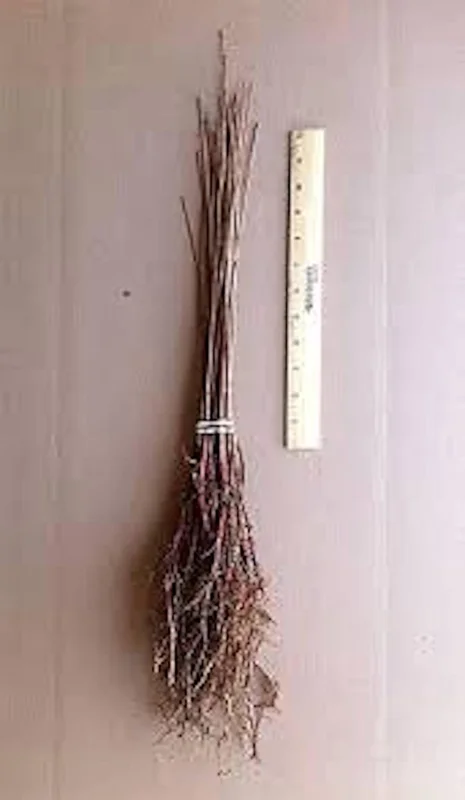
The Arctostaphylos Bakeri ‘Louise Edmunds’ live plant typically grows to a compact size, reaching an average height of 4-6 feet and a similar spread, creating a dense, rounded shrub. This makes it an excellent choice for smaller gardens, as a foundation planting, or as part of a mixed border. The plant you will receive is a live specimen, ready for planting, shipped in a 6 inch pot, ensuring a healthy start for your garden. Its growth rate is moderate, allowing you to enjoy its development without it becoming overgrown too quickly. Expect the plant to establish well within its first year, showing significant growth in subsequent seasons.
Its mature size makes it a perfect specimen for areas where a medium-sized, evergreen presence is desired. The beautiful exfoliating bark becomes more pronounced with age, adding to its ornamental value. This Arctostaphylos Bakeri ‘Louise Edmunds’ live plant is known for its robust nature and ability to adapt to various conditions, provided its basic needs for well-draining soil and adequate sunlight are met. The 6-inch pot provides enough initial room for the root system to develop before transplanting into its permanent location, ensuring minimal transplant shock and a smooth transition to your garden.
Frequently Asked Questions
- Q: How big does this ‘Louise Edmunds’ Manzanita get? A: The Arctostaphylos Bakeri ‘Louise Edmunds’ live plant typically grows to a mature height and spread of 4-6 feet, forming a dense, rounded shrub. Its compact size makes it suitable for various garden applications.
- Q: What size pot does it come in? A: This Arctostaphylos Bakeri ‘Louise Edmunds’ live plant is shipped in a 6 inch pot, providing a healthy root system and a strong start for your new garden addition.
- Q: Is this an indoor or outdoor plant? A: This Manzanita is an outdoor plant, ideally suited for garden beds, borders, and landscapes where it can receive adequate sunlight and air circulation. It is not recommended for indoor cultivation.
- Q: How much sunlight does it need? A: The Arctostaphylos Bakeri ‘Louise Edmunds’ live plant thrives in full sun to partial shade, requiring at least 6 hours of direct sunlight daily for optimal growth and flowering.
- Q: Is this plant easy to care for? A: Yes, it is considered a low-maintenance plant. Once established, it is highly drought-tolerant and requires minimal pruning or fertilization, making ‘Louise Edmunds’ Manzanita care relatively easy.
- Q: What condition will it arrive in? A: Your Arctostaphylos Bakeri ‘Louise Edmunds’ live plant will arrive as a healthy, actively growing plant in its 6-inch pot, carefully packaged to ensure safe transit.
- Q: When is the best time to plant Manzanita? A: The best time to plant Manzanita is typically in the fall or early spring, allowing the roots to establish before the heat of summer or the deep cold of winter.
- Q: Will it survive winter in my zone? A: This Manzanita is generally hardy in USDA Zones 8-10. If you are in a colder zone, consider providing winter protection or planting in a sheltered location.
- Q: What type of soil is best for this Manzanita? A: It prefers well-draining soil and can adapt to various soil types, including sandy or loamy. Avoid heavy, water-retentive clay soils.
- Q: Are there any common pests or diseases for this plant? A: Arctostaphylos Bakeri ‘Louise Edmunds’ live plant is generally resistant to most pests and diseases, especially when grown in appropriate conditions with good air circulation and proper drainage.





Reviews
There are no reviews yet.