Overview
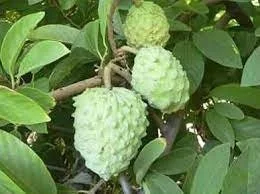
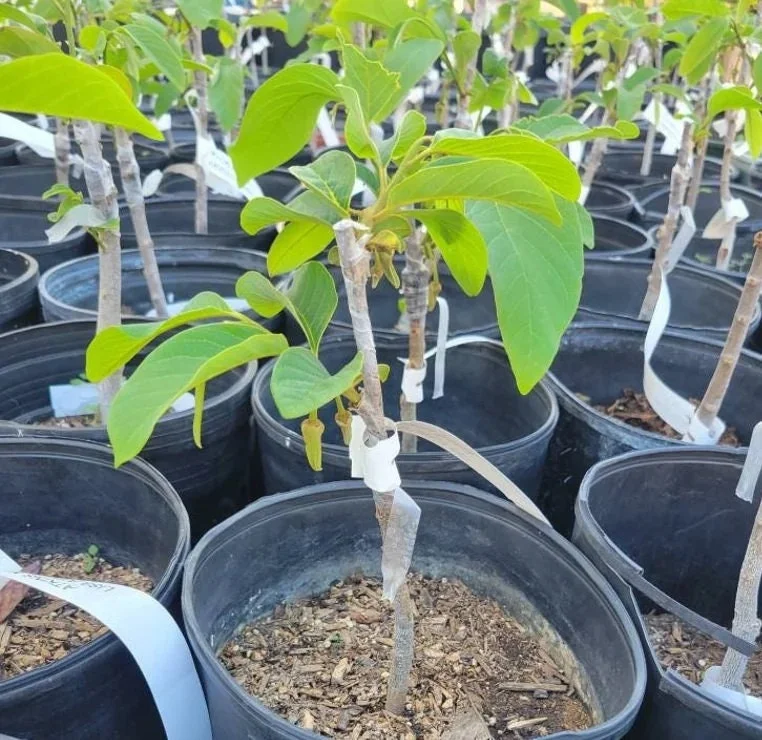
Introducing the magnificent atemoya fruit tree, a prized addition to any fruit lover’s garden. This offering features a robust, 3-foot tall grafted live plant, ensuring quicker fruit production and stronger growth compared to seed-grown varieties. Atemoya, a hybrid of cherimoya and sugar apple, is celebrated for its delectable, creamy, and sweet fruit with a unique custard-like texture. Originating from the tropical Americas, this tree brings an exotic touch and a taste of paradise directly to your backyard. Growing your own atemoya fruit tree allows you to enjoy fresh, organic fruit, free from pesticides and picked at peak ripeness for unparalleled flavor.
The atemoya tree is a medium-sized, semi-deciduous tree that can reach heights of 15-20 feet at maturity, though it can be kept smaller with proper pruning. Its lush green foliage provides an attractive landscape element even when not fruiting. This particular grafted atemoya specimen is selected for its vigor and ability to produce high-quality fruit. Whether you’re an experienced gardener or just starting your edible landscape journey, cultivating an atemoya fruit tree is a rewarding endeavor that yields delicious results.
Key Benefits
Bringing an atemoya fruit tree into your garden offers a multitude of advantages, from its unique fruit to its aesthetic appeal:
- Exotic Fruit Production: Enjoy the rich, sweet, and creamy taste of fresh atemoya fruit, a delightful blend of cherimoya and sugar apple. Growing your own ensures you have access to perfectly ripe, high-quality produce.
- Grafted for Faster Fruiting: This grafted atemoya plant is developed to fruit sooner than seed-grown trees, allowing you to enjoy your harvest within a few years of planting. Grafting also ensures the fruit characteristics are true to type.
- Ornamental Value: Beyond its fruit, the atemoya tree boasts attractive, lush green leaves, making it a beautiful addition to any landscape. It provides shade and a tropical ambiance.
- Nutrient-Rich Harvest: Atemoya fruit is not only delicious but also packed with vitamins, minerals, and antioxidants, contributing to a healthy diet.
- Rewarding Gardening Experience: The process of nurturing an atemoya tree for sale from a young plant to a fruit-bearing specimen is incredibly satisfying and connects you with nature.
- Adaptable Growth: While preferring tropical and subtropical climates, with proper care and protection, atemoya can thrive in various warm temperate zones, especially if grown in containers and brought indoors during colder months.
Plant Care & Growing Tips
Proper atemoya plant care is crucial for a healthy, productive tree. This atemoya fruit tree thrives in warm, subtropical to tropical climates. It prefers a location that receives full sun, meaning at least 6-8 hours of direct sunlight per day. In very hot climates, some afternoon shade can be beneficial to prevent leaf scorch. Ensure the planting site has good air circulation to deter fungal diseases.
Watering is key, especially during dry periods and when the tree is young. Keep the soil consistently moist but never waterlogged. Deep watering once or twice a week is generally better than frequent shallow watering. Reduce watering during the dormant period (winter). For soil, atemoya prefers well-draining, slightly acidic to neutral soil (pH 6.0-7.0). A rich, loamy soil amended with organic matter will provide the best growing conditions. Incorporating compost or well-rotted manure during planting can significantly improve soil structure and fertility.
Fertilize your atemoya fruit tree regularly during the growing season (spring through fall) with a balanced fertilizer, or one slightly higher in phosphorus and potassium to encourage flowering and fruiting. Follow the product’s instructions for application rates. Pruning is essential for shaping the tree, encouraging branching, and improving fruit production. Remove any dead, diseased, or crossing branches. Light pruning can also help manage the tree’s size. Protect young trees from frost, either by covering them or bringing container-grown plants indoors if temperatures are expected to drop below 30°F (-1°C). Understanding how to grow atemoya fruit successfully involves consistent attention to these environmental factors.
Size & Details
This atemoya fruit tree is a healthy, vigorous specimen, approximately 3 feet tall from the base of the pot to the tip of the highest branch. It is a grafted tree, which means it will typically begin to bear fruit much sooner than a tree grown from seed, often within 2-4 years under optimal conditions. The tree is shipped in a 3-gallon nursery pot, providing a robust root system ready for transplanting into your garden or a larger container. At maturity, an atemoya tree can reach a height of 15-20 feet and a spread of similar dimensions, though its size can be managed with regular pruning. The growth rate is moderate, allowing for steady development over time. Expect the fruit to ripen from late summer through fall, depending on your specific climate and growing conditions. This particular atemoya tree for sale offers a fantastic opportunity to establish an exotic fruit producer in your home landscape.
Frequently Asked Questions
- Q: How big does this atemoya fruit tree get? A: This particular plant is 3 feet tall upon arrival. At maturity, with proper care and pruning, an atemoya tree can reach heights of 15-20 feet.
- Q: What size pot does it come in? A: The atemoya fruit tree is shipped in a 3-gallon nursery pot, ensuring a well-established root system for successful transplanting.
- Q: Is this an indoor or outdoor plant? A: Atemoya trees are primarily outdoor plants best suited for tropical and subtropical climates (USDA Zones 9-11). In colder regions, they can be grown in containers and moved indoors during winter.
- Q: How much sunlight does it need? A: This tree requires full sun, meaning at least 6-8 hours of direct sunlight daily for optimal growth and fruit production.
- Q: Is this plant easy to care for? A: With consistent watering, proper fertilization, and protection from frost, atemoya plant care is manageable for gardeners with some experience. It’s considered moderately easy to care for.
- Q: What condition will it arrive in? A: Your atemoya fruit tree will arrive as a live, healthy, grafted plant, carefully packaged to ensure its safe journey. It will be actively growing in its nursery pot.
- Q: How long until it fruits? A: Since this is a grafted atemoya tree, it is expected to begin fruiting within 2-4 years after planting, much faster than trees grown from seed.
- Q: What’s the best way to grow atemoya fruit? A: The best way to grow atemoya fruit is in full sun, well-draining soil, with regular watering, especially during dry periods, and consistent fertilization during the growing season.
- Q: Will it survive winter in my zone? A: Atemoya trees are sensitive to frost. They thrive in USDA Zones 9-11. If you live in a colder zone, you will need to provide winter protection or grow it in a container that can be moved indoors.
- Q: When is the best time to plant? A: The best time to plant your atemoya tree for sale is in spring or early summer after all danger of frost has passed, allowing it ample time to establish before cooler weather.




Reviews
There are no reviews yet.