Overview
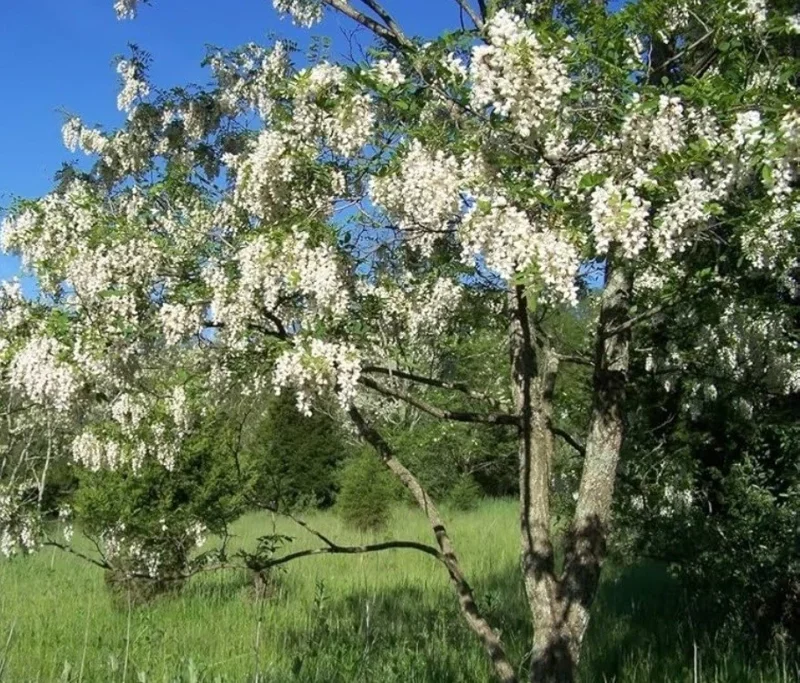
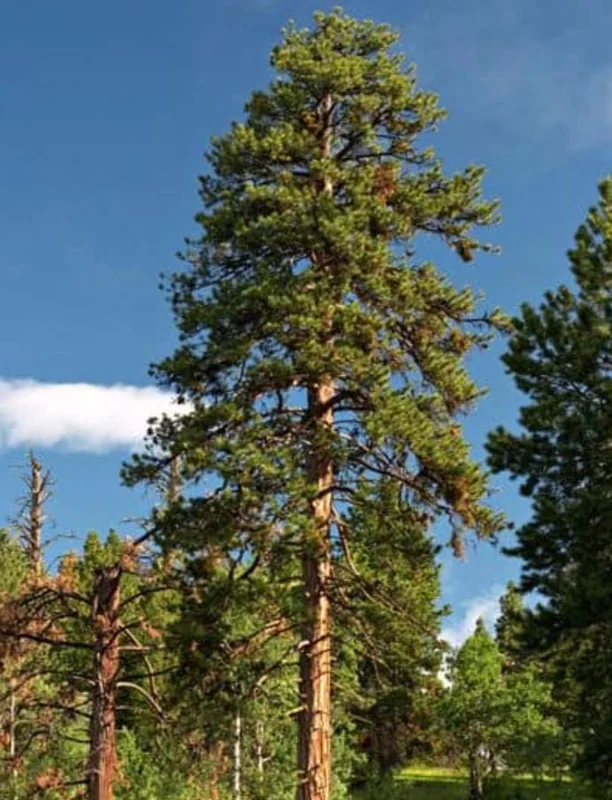
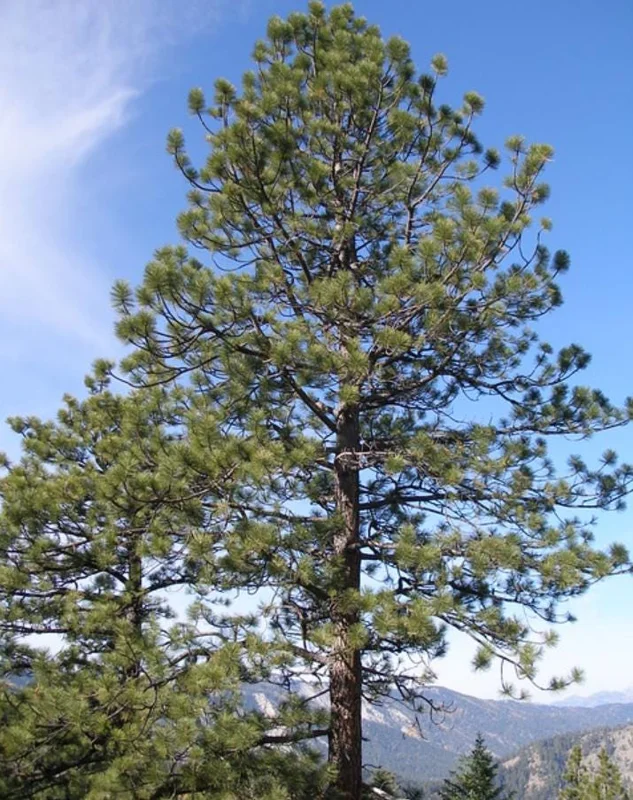
Bring the beauty and benefits of a native tree to your property with this black locust sapling. Known scientifically as Robinia pseudoacacia, the black locust is a remarkably versatile and hardy tree, recognized for its rapid growth rate and ability to thrive in various conditions. This offering is for a live, bare root tree, which means it is shipped without soil around its roots, a common and effective method for transplanting deciduous trees. The black locust tree is not just visually appealing with its delicate foliage and fragrant white flowers in spring; it also plays a crucial role in ecological systems by fixing nitrogen in the soil, improving fertility for surrounding plants. Whether you’re looking to establish a windbreak, stabilize soil, or simply add a beautiful, fast-growing specimen to your garden, this sapling provides an excellent foundation.
Key Benefits
The black locust sapling offers a multitude of advantages for both the environment and the gardener. Its robust nature and beneficial properties make it a standout choice for many landscaping projects.
- Fast Growth Rate: Black locust trees are renowned for their incredibly fast growth, quickly providing shade and visual impact in your landscape. This means you won’t have to wait years to see your tree mature.
- Nitrogen Fixation: As a legume, the robinia pseudoacacia naturally enriches the soil by fixing atmospheric nitrogen, benefiting nearby plants and improving overall soil health without the need for excessive fertilization.
- Drought Tolerance: Once established, the black locust tree is highly tolerant of drought conditions, making it a resilient choice for areas with fluctuating rainfall or for gardeners seeking low-maintenance options.
- Erosion Control: Its extensive root system makes the bare root tree an excellent choice for soil stabilization, especially on slopes or in areas prone to erosion.
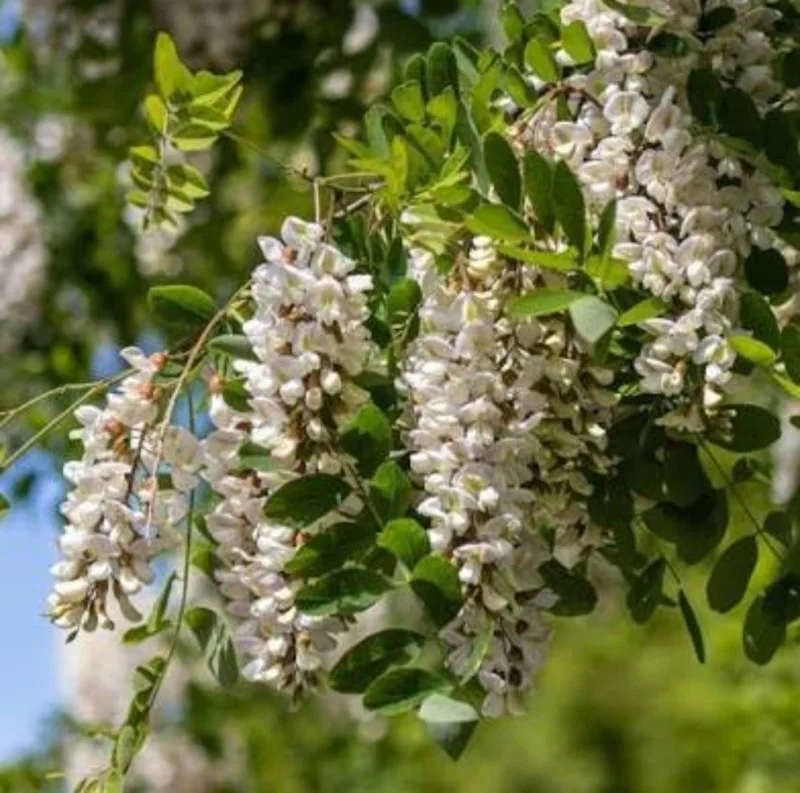
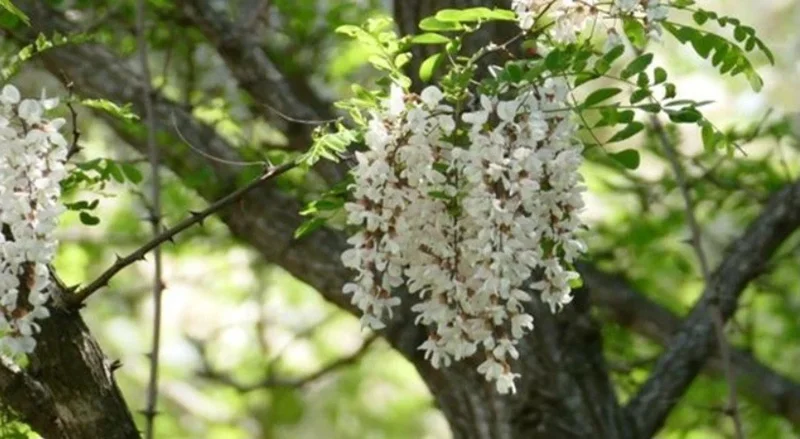
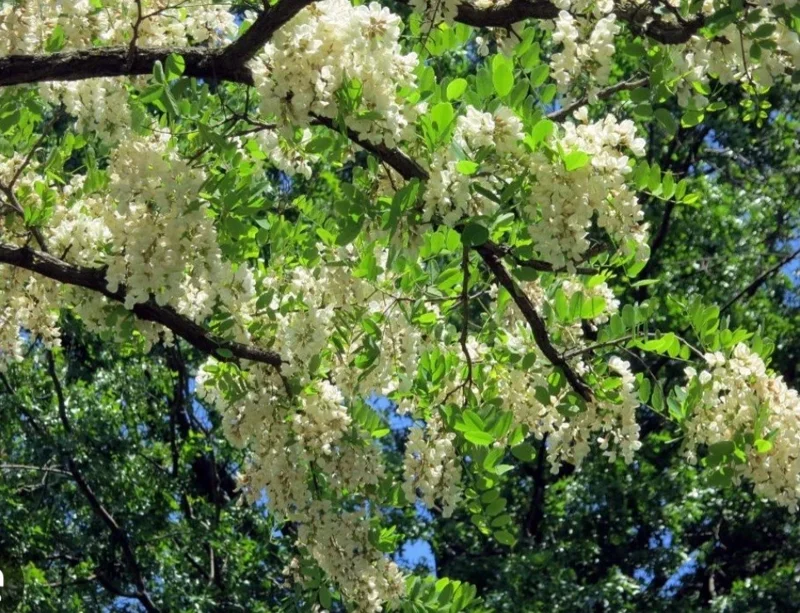
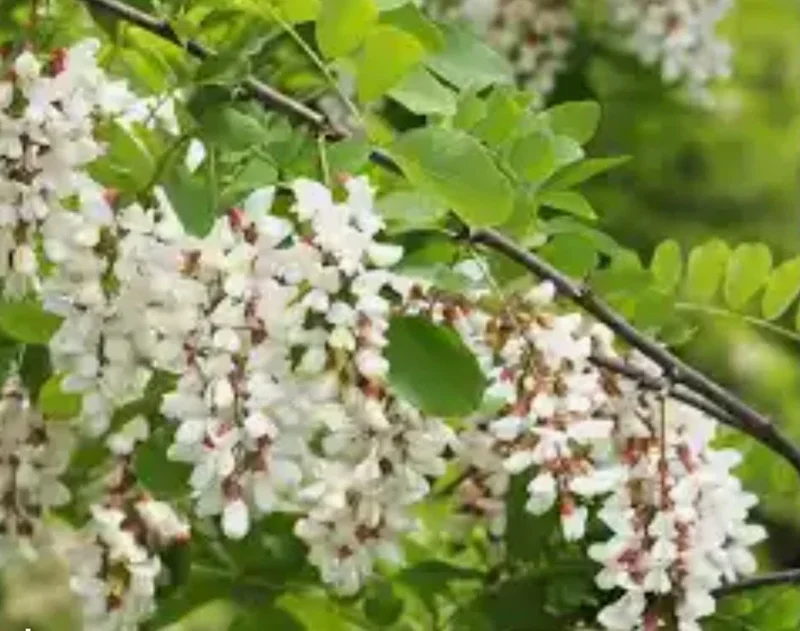
- Attractive Foliage & Flowers: Enjoy the delicate, pinnate leaves and clusters of fragrant, white, pea-like flowers that bloom in late spring, attracting pollinators and adding ornamental value. These flowers are also a significant source of nectar for honeybees.
- Hardy & Adaptable: This species is highly adaptable to a wide range of soil types and environmental conditions, making it a reliable addition to almost any garden or naturalized area.
- Durable Wood: The wood of the black locust tree is exceptionally hard and rot-resistant, making it valuable for fence posts, lumber, and firewood, adding long-term utility.
Plant Care & Growing Tips
Caring for your black locust sapling is relatively straightforward, thanks to its resilient nature. Upon arrival, soak the bare roots in water for a few hours before planting to rehydrate them. Choose a location with full sun to partial shade, where the tree will receive at least 6 hours of direct sunlight daily for optimal growth. While adaptable to various soil types, a well-draining soil is preferred. When planting, dig a hole wide enough to accommodate the spread of the roots without bending them, and deep enough so that the root collar is level with the ground. Backfill with soil, gently tamping down to remove air pockets, and water thoroughly.
For watering, ensure the soil remains consistently moist during the first growing season to help the bare root tree establish. Once established, the black locust tree becomes quite drought-tolerant, requiring less frequent watering. Fertilization is generally not necessary due to its nitrogen-fixing capabilities, which naturally enrich the soil. Pruning can be done in late winter or early spring to remove any dead, damaged, or crossing branches, and to shape the tree as desired. Watch out for common pests like locust borers, though healthy trees are often more resistant. The robinia pseudoacacia is a tough plant, but proper initial care will ensure a strong start and robust growth.
Size & Details
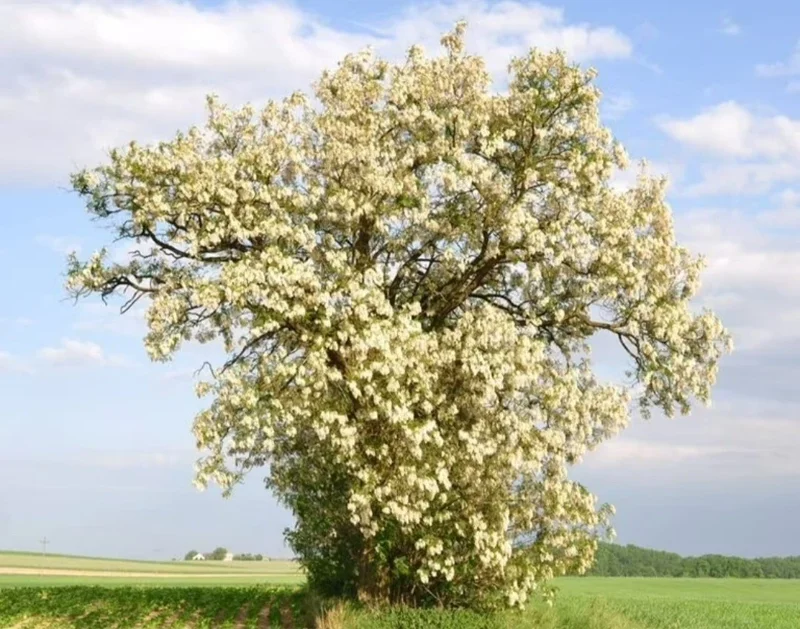
This offering is for a black locust sapling, shipped as a bare root tree. The exact height of the sapling may vary slightly but typically ranges from 12 inches to 3 feet, providing a good starting point for growth. As a very fast-growing tree, you can expect significant height increases each year once it’s established. Black locust trees can eventually reach mature heights of 30-50 feet with a spread of 20-30 feet, forming an attractive, rounded canopy. It is a deciduous tree, meaning it will lose its leaves in the fall and regrow them in the spring. This fast growing tree is in its seedling stage, offering the best opportunity for successful transplantation and establishment in your chosen location. With proper care, your sapling will quickly develop into a stately and beneficial addition to your landscape.
Frequently Asked Questions
- Q: How big does this black locust sapling get? A: This black locust sapling is typically shipped as a young tree, ranging from 12 inches to 3 feet tall. When mature, a black locust tree can reach heights of 30-50 feet with a spread of 20-30 feet, providing substantial shade and presence.
- Q: Is this an indoor or outdoor plant? A: The black locust tree is an outdoor plant, best suited for landscaping, reforestation, or as a shade tree in yards and gardens. It is not suitable for indoor cultivation.
- Q: How much sunlight does a black locust tree need? A: For optimal growth and health, a robinia pseudoacacia requires full sun to partial shade, meaning it should receive at least 6 hours of direct sunlight per day.
- Q: What condition will the bare root tree arrive in? A: Your bare root tree will arrive without soil around its roots, carefully packaged to maintain moisture during transit. It is in a dormant state, ready for planting upon arrival.
- Q: When is the best time to plant a black locust sapling? A: The best time to plant a black locust sapling is typically in early spring or late fall when the tree is dormant. This allows its root system to establish before the stress of summer heat or winter cold.
- Q: Will this fast growing tree survive winter in my zone? A: The black locust tree is very hardy and can survive winters in USDA Hardiness Zones 4-8. Ensure you know your local zone to confirm its suitability.
- Q: Is the black locust tree good for beginners? A: Yes, the black locust tree is considered easy to care for and is a great choice for beginners due to its hardiness, adaptability, and fast growth rate, requiring minimal intervention once established.





Reviews
There are no reviews yet.