Overview
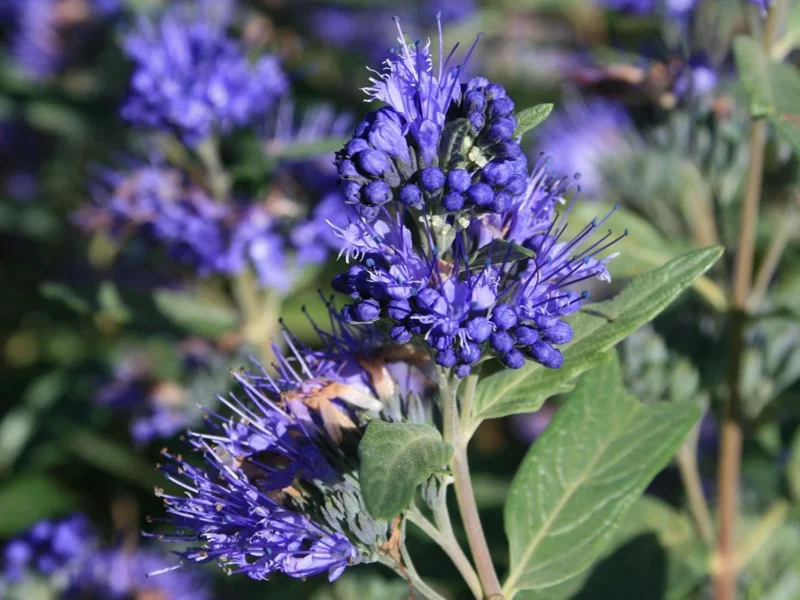
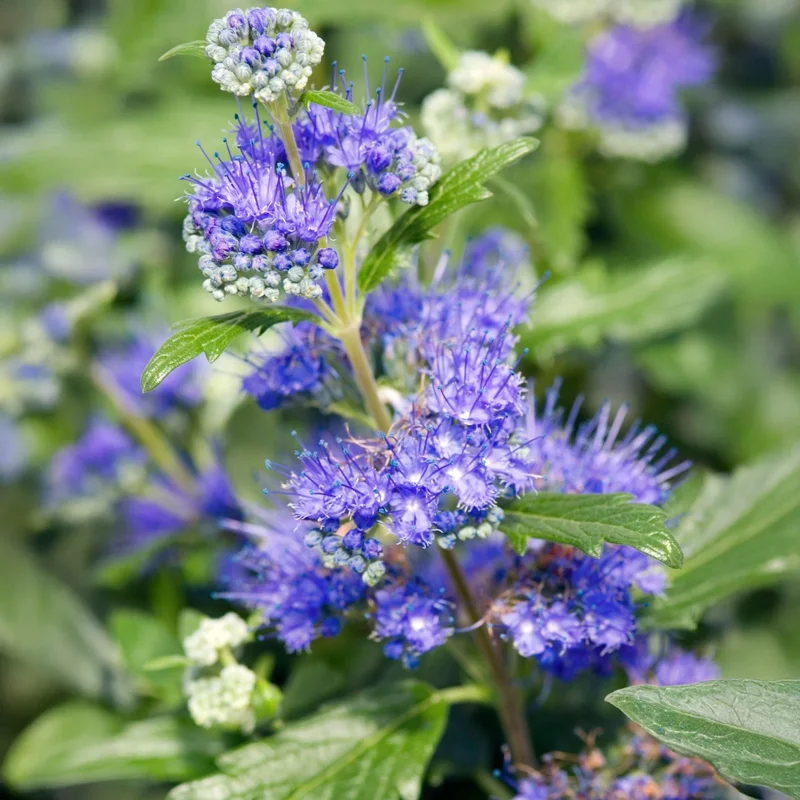
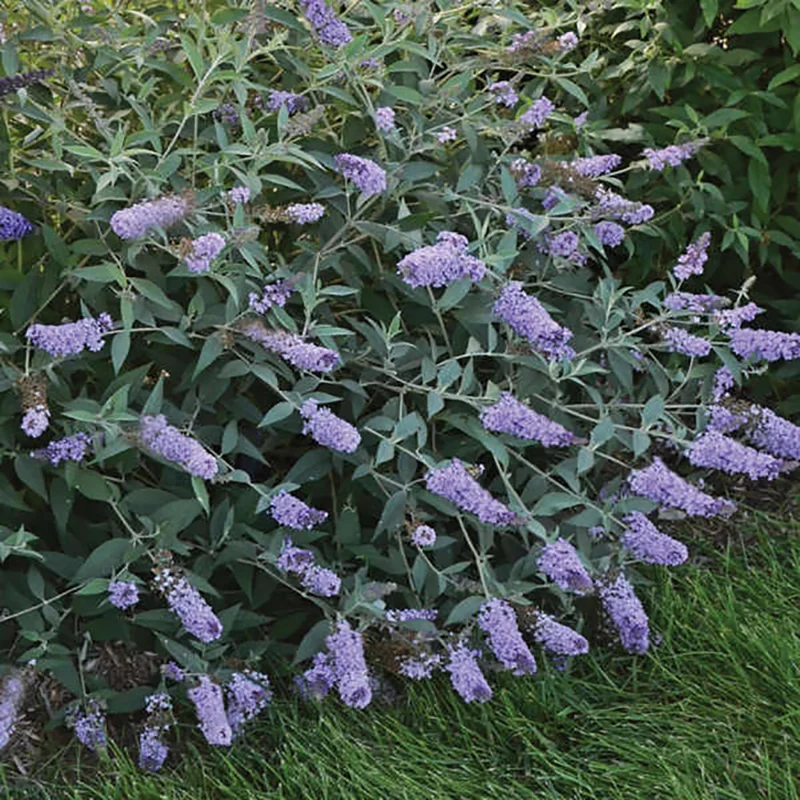
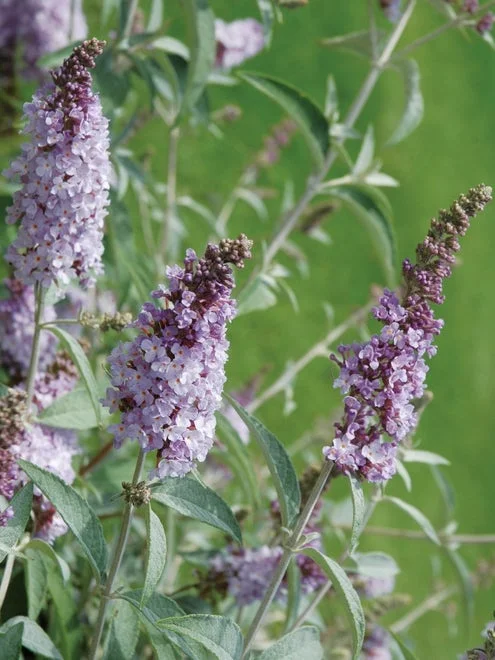
Introduce a splash of stunning blue to your landscape with the blue caryopteris live plant, specifically the ‘Bluebeard’ variety (Caryopteris clandonensis). This deciduous shrub is cherished for its profusion of delicate, wispy blue flowers that bloom in late summer and early fall, offering a valuable source of nectar for pollinators when many other plants have faded. Standing approximately 3-4 inches tall as a starter plant, it’s ready to establish itself in your garden, promising a season of vibrant color and activity. Known for its compact growth and aromatic foliage, the blue caryopteris live plant is an excellent choice for borders, rock gardens, or mass plantings, providing consistent beauty and ecological benefits.
Key Benefits
The blue caryopteris live plant offers a multitude of advantages for any gardener, from its visual appeal to its easy-care nature. It’s a versatile shrub that thrives in various settings and provides long-lasting charm.
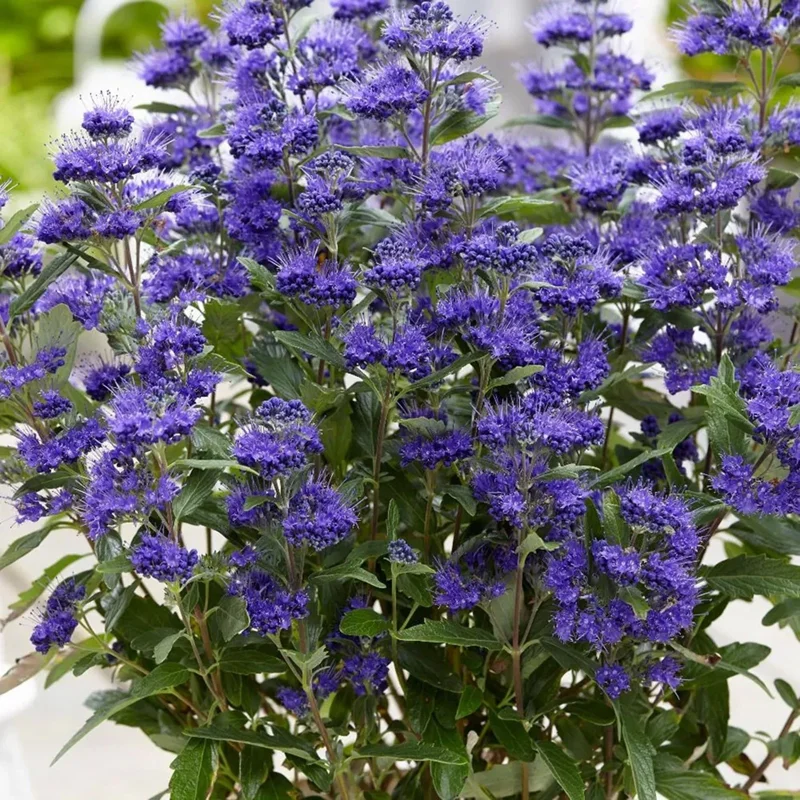
- Vibrant Late-Season Blooms: Enjoy a spectacular display of deep blue flowers from late summer through fall, extending the beauty of your garden as other plants begin to wane. This ‘Bluebeard’ shrub ensures continuous color.
- Attracts Pollinators: The nectar-rich flowers are a magnet for bees, butterflies, and other beneficial insects, making it an essential addition for supporting local ecosystems and encouraging garden biodiversity.
- Drought Tolerant & Low Maintenance: Once established, caryopteris clandonensis is remarkably resilient, requiring minimal watering and care. It’s an ideal choice for gardeners seeking beauty without constant upkeep.
- Aromatic Foliage: The silvery-green leaves of this bluebeard shrub release a pleasant, herbaceous fragrance when brushed, adding another sensory dimension to your garden experience.
- Deer Resistant: Its aromatic foliage also makes it less appealing to deer, providing a natural deterrent and protecting your investment in your garden.
- Compact Growth Habit: With a mature size typically ranging from 2-4 feet tall and wide, this shrub maintains a neat and tidy appearance, fitting well into smaller gardens or mixed borders without becoming unruly.
- Versatile Landscaping Use: Perfect for mass plantings, foundation plantings, perennial borders, or even container gardening, the blue caryopteris live plant adapts to various design aesthetics.
Plant Care & Growing Tips
Caring for your blue caryopteris live plant is straightforward, making it an excellent choice for both novice and experienced gardeners. This hardy shrub thrives with minimal intervention once established, rewarding you with abundant blooms.
For optimal growth, plant your ‘Bluebeard’ in a location that receives full sun, meaning at least 6 hours of direct sunlight per day. While it can tolerate partial shade, flowering will be less prolific. The blue caryopteris live plant prefers well-draining soil and is not particular about soil type, though it performs best in average to lean soil. Avoid heavy, waterlogged conditions, as this can lead to root rot. After planting, water regularly to help establish a strong root system. Once established, it becomes quite drought tolerant and will only need supplemental watering during extended dry periods. This plant is hardy in USDA zones 5-9, tolerating a wide range of climates.
Pruning is best done in early spring before new growth begins. Caryopteris blooms on new wood, so cutting back the stems by about one-third to one-half their height will encourage vigorous new growth and a more abundant floral display. Fertilization is generally not necessary in average garden soil. If your soil is particularly poor, a light application of a balanced, slow-release fertilizer in early spring can be beneficial. Watch for common pests like spider mites in very dry conditions, but otherwise, this bluebeard shrub is relatively pest and disease-free, making it a robust and reliable addition to your garden.
Size & Details
This offering is for a blue caryopteris live plant, a starter plant that is approximately 3-4 inches tall. It arrives ready for planting, allowing you to seamlessly integrate this vibrant shrub into your garden design. As it matures, the caryopteris clandonensis typically reaches a height and spread of 2 to 4 feet, forming a beautiful, rounded mound of foliage and flowers. The growth rate is moderate, and you can expect it to establish quickly in suitable conditions, providing a beautiful display within its first few seasons. This plant is shipped as a young, healthy specimen, carefully packaged to ensure its safe arrival and successful transplanting into your chosen spot.
Frequently Asked Questions
- Q: How big does this blue caryopteris live plant get? A: A: This starter plant is approximately 3-4 inches tall upon arrival. When mature, the blue caryopteris live plant typically grows to a height and spread of 2 to 4 feet.
- Q: Is this an indoor or outdoor plant? A: This ‘Bluebeard’ shrub is primarily an outdoor plant, thriving in garden beds and landscapes. It requires full sun exposure to bloom profusely.
- Q: How much sunlight does the bluebeard shrub need? A: For optimal flowering and health, the bluebeard shrub needs at least 6 hours of direct sunlight per day. It can tolerate some partial shade, but flowering may be reduced.
- Q: Is this plant easy to care for? A: Yes, the caryopteris clandonensis is known for being very low maintenance, especially once established. It’s drought tolerant and generally pest-free, making it a great choice for beginners.
- Q: What condition will it arrive in? A: Your blue caryopteris live plant will arrive as a healthy, well-rooted starter plant, carefully packaged to protect it during transit. It will be ready for immediate planting.
- Q: When is the best time to plant blue caryopteris? A: The best time to plant this shrub is in spring or early fall, allowing it ample time to establish its root system before extreme heat or cold.
- Q: Will it survive winter in my zone? A: This shrub is hardy in USDA Zones 5-9. In colder zones, it may die back to the ground but often re-emerges from the roots in spring.
- Q: What type of soil does blue caryopteris prefer? A: The plant prefers well-draining soil and is adaptable to various soil types, including sandy or loamy soils. Avoid heavy, waterlogged conditions.
- Q: Does this plant attract pollinators? A: Yes, the vibrant blue flowers of the blue caryopteris live plant are highly attractive to bees, butterflies, and other beneficial pollinators, making it an excellent addition to a pollinator garden.
- Q: Is the blue caryopteris fragrant? A: While the flowers are not notably fragrant, the foliage of the bluebeard shrub releases a pleasant, herbaceous aroma when touched or brushed.





Reviews
There are no reviews yet.