Overview
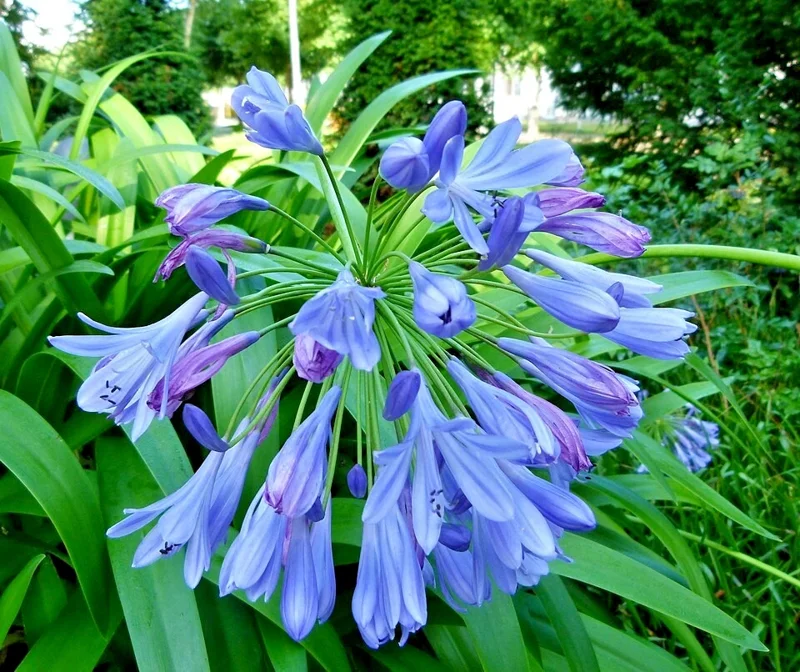
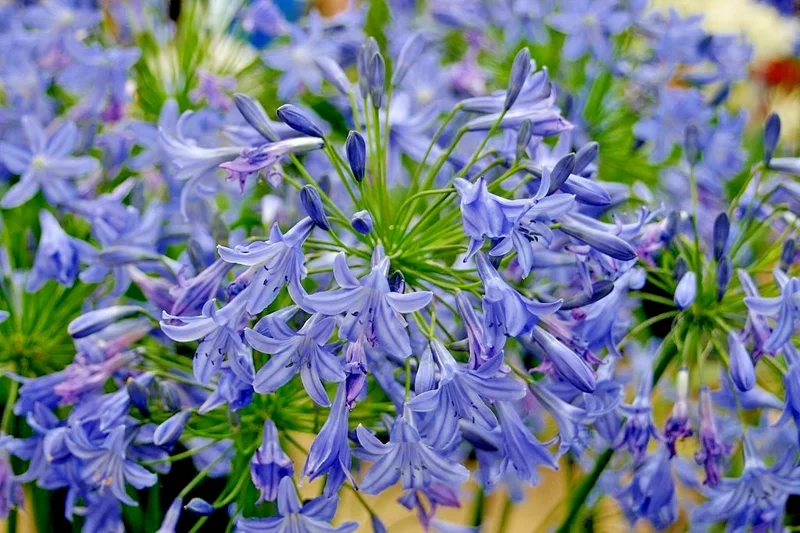
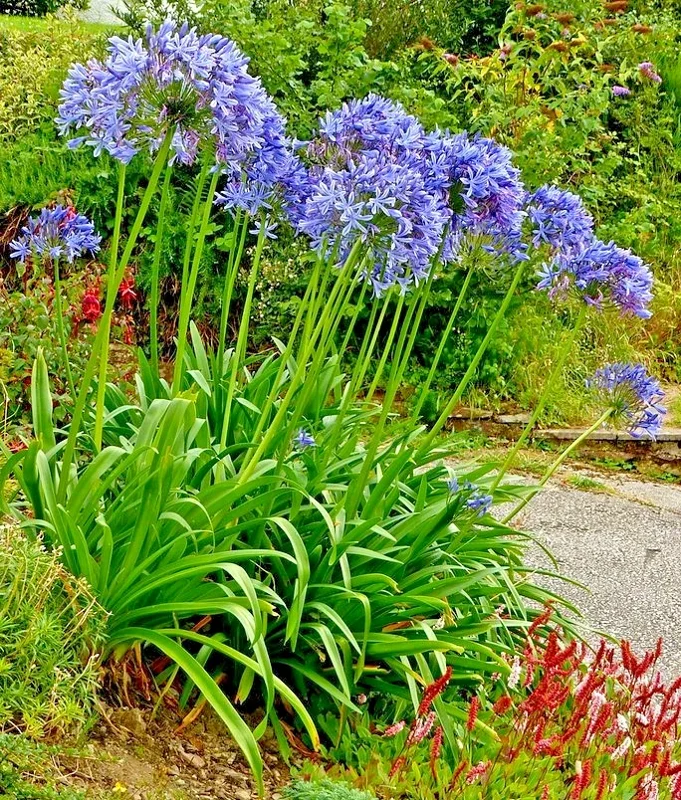
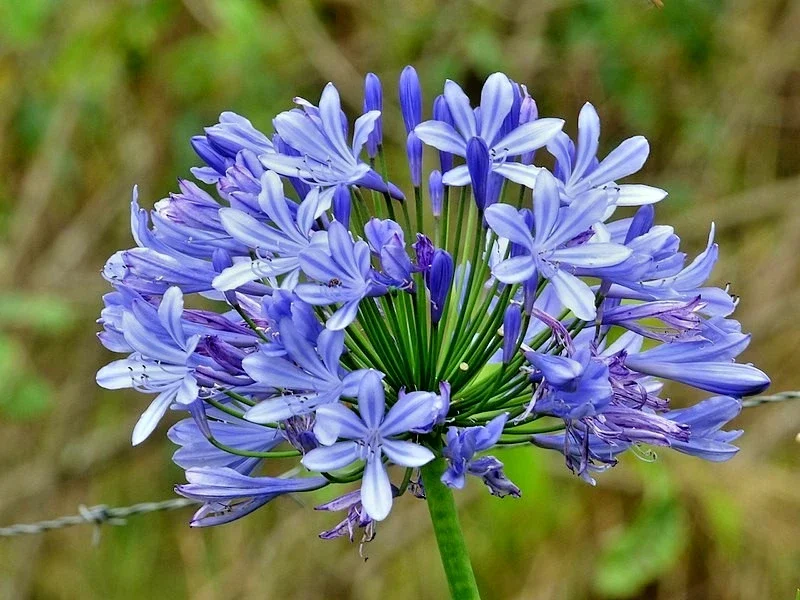
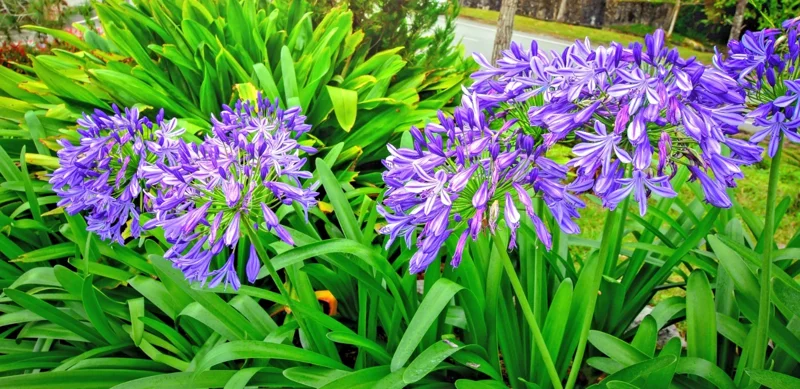
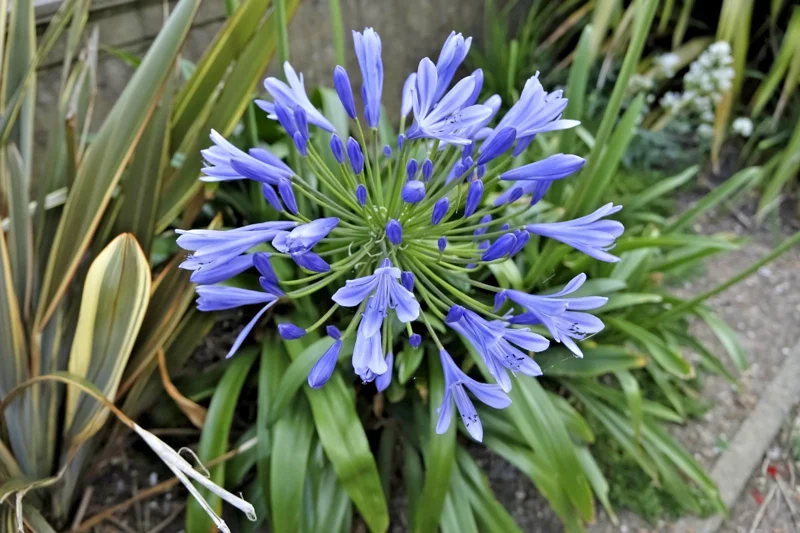
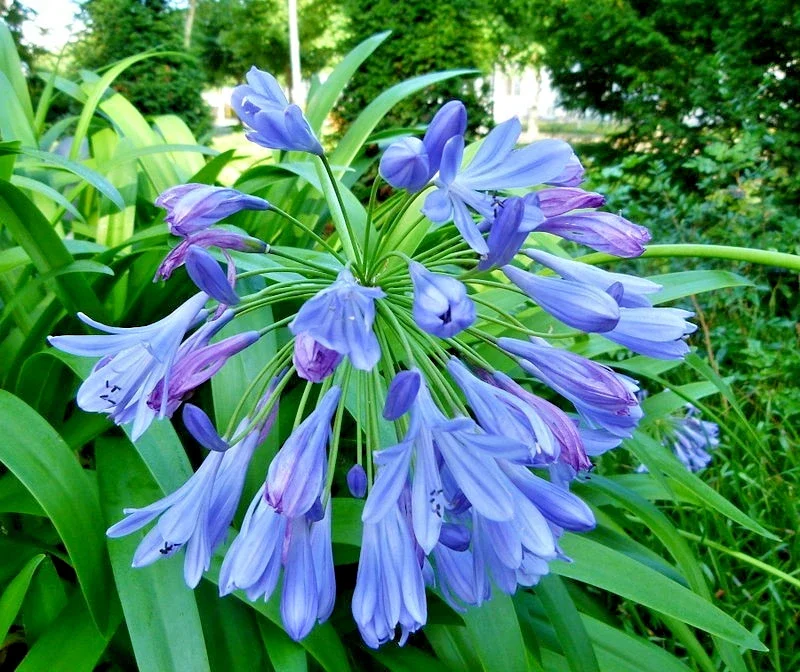
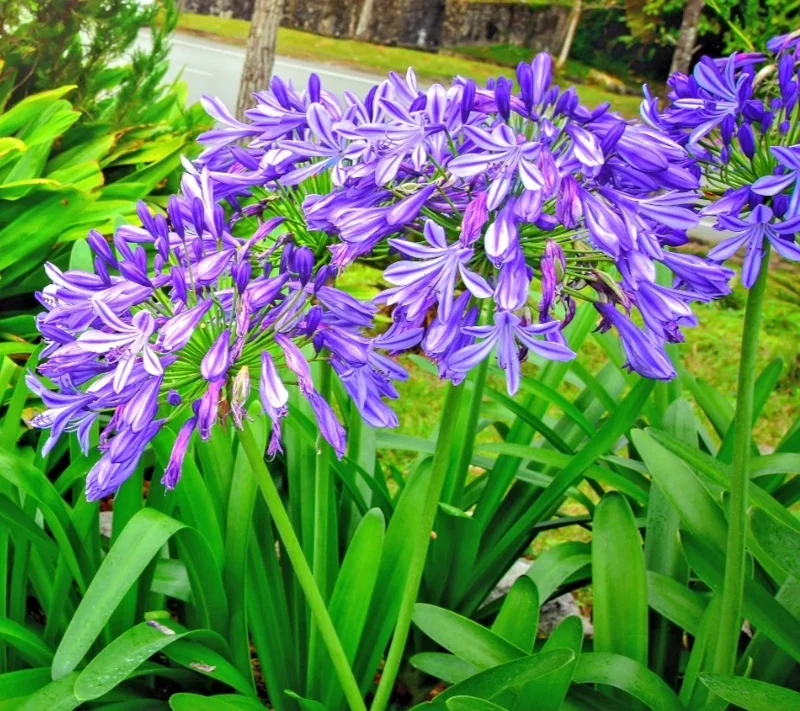
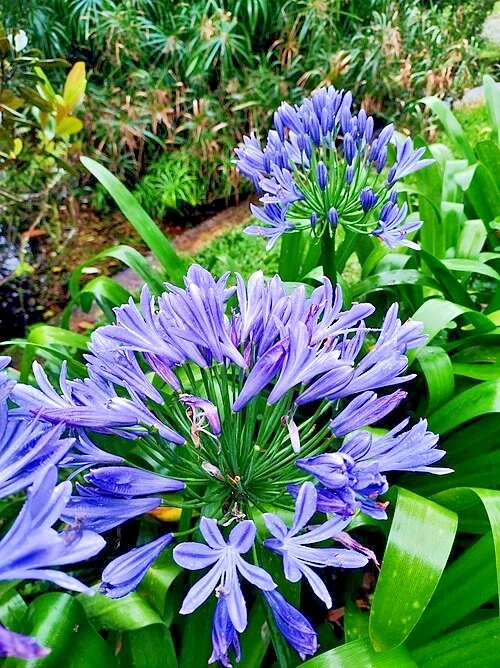
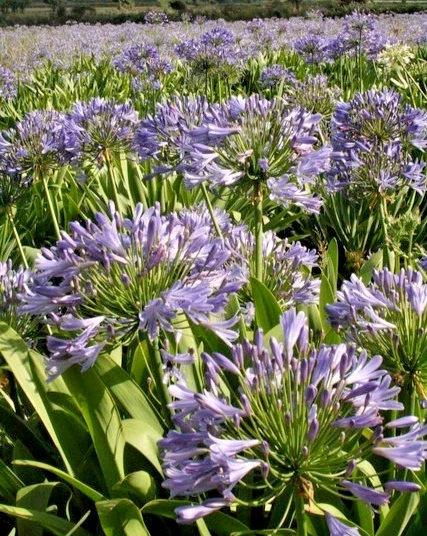
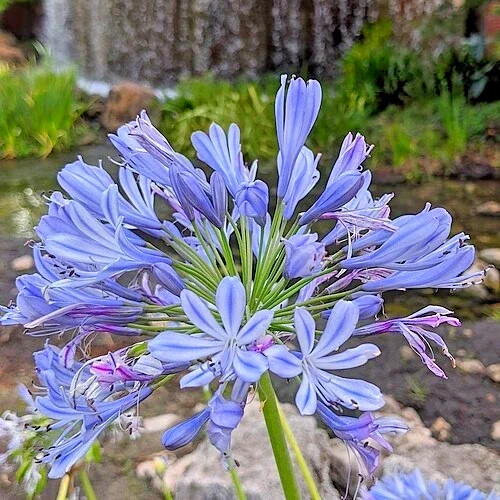
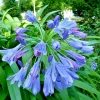
Cultivate stunning garden displays with our premium blue lily of the nile seeds. Each packet contains 100 fresh Agapanthus seeds, ready to transform your outdoor spaces into a vibrant oasis. Commonly known as African Lily, Agapanthus is cherished for its spectacular globe-like clusters of blue flowers that stand tall on sturdy stalks. These beautiful perennials are a fantastic choice for gardeners looking to add a touch of elegance and consistent color to their landscape. Growing Agapanthus from seed offers a rewarding experience, allowing you to nurture these magnificent plants from their very beginning. They are known for their resilience and ability to thrive with minimal fuss, making them a favorite among both novice and experienced gardeners.
Key Benefits
Bringing agapanthus seeds into your garden offers a multitude of advantages, enhancing both the aesthetic and ecological value of your outdoor environment. These plants are truly versatile and provide long-lasting enjoyment.
- Stunning Blue Blooms: Enjoy prolific clusters of vibrant blue flowers that create a dramatic visual impact in any garden setting, attracting beneficial pollinators like bees and butterflies.
- Easy to Grow: These blue lily of the nile seeds are known for their high germination rate and straightforward cultivation, making them an excellent project for gardeners of all skill levels.
- Hardy Perennial: Agapanthus are resilient plants that return year after year, providing reliable beauty. They are particularly known as hardy agapanthus, thriving in a wide range of conditions.
- Drought Tolerant: Once established, Agapanthus are remarkably drought-resistant, requiring less water than many other flowering plants, which is ideal for water-wise gardening.
- Low Maintenance: Beyond initial planting and occasional watering, these plants require little ongoing care, freeing up your time to enjoy your garden.
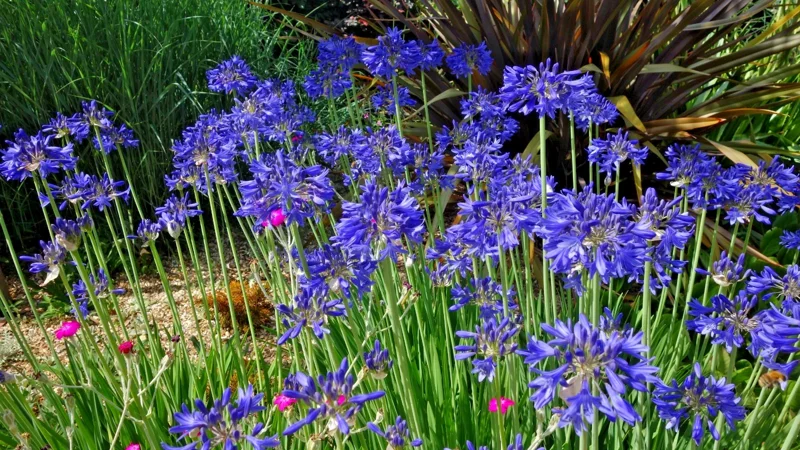
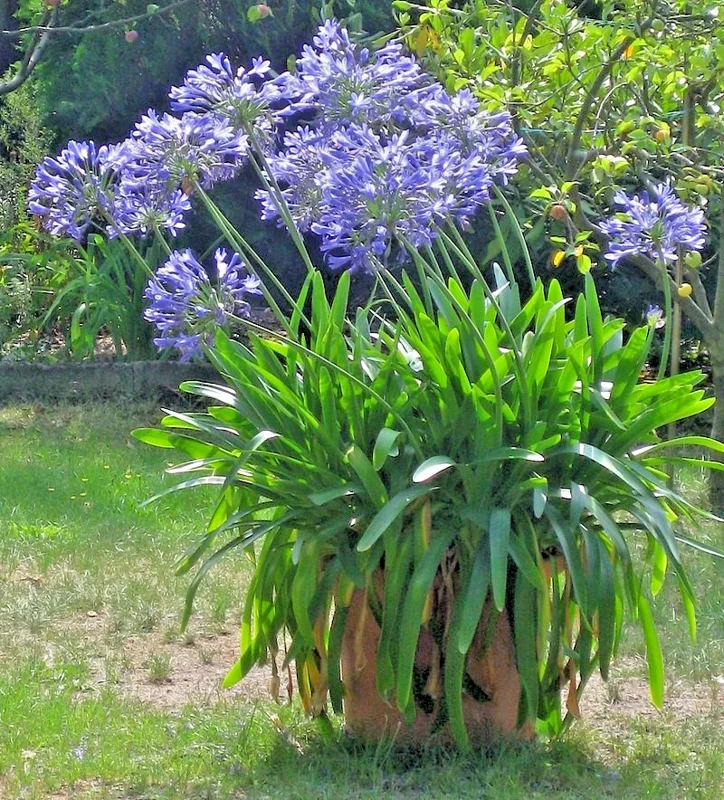
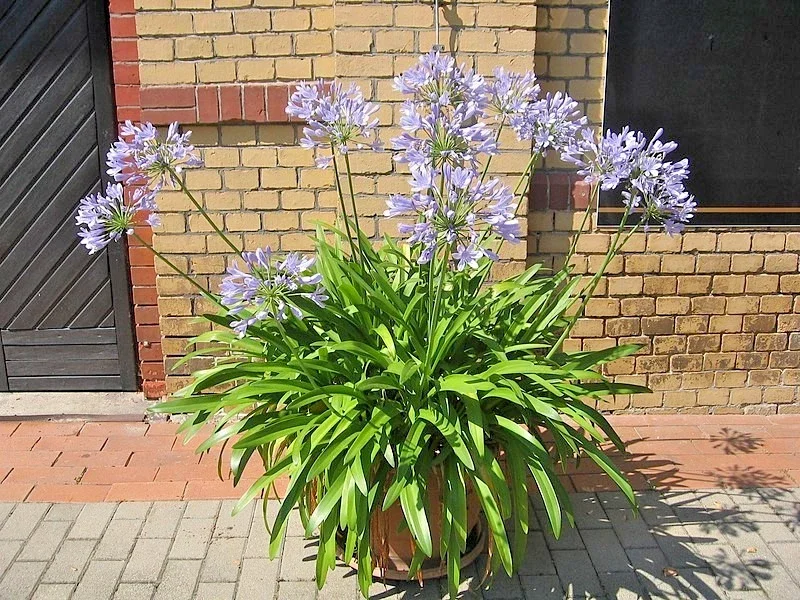
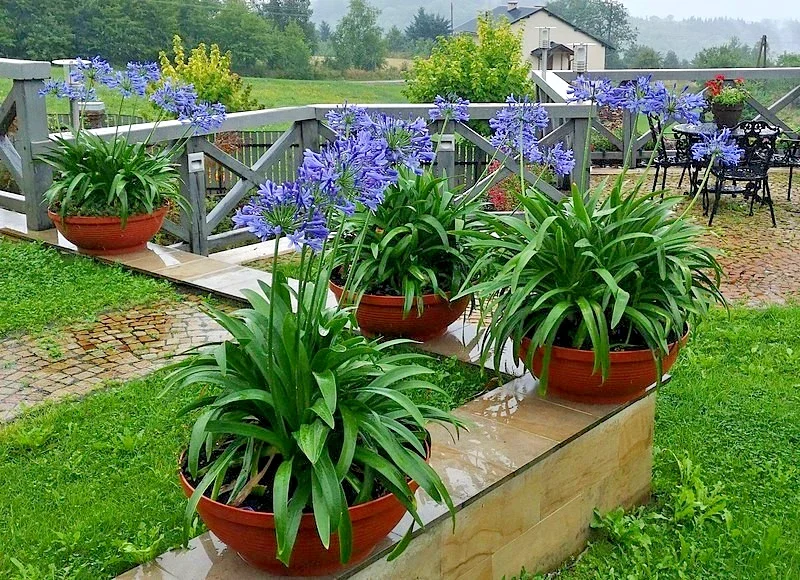
- Versatile Landscaping: Perfect for borders, mass plantings, containers, or as cut flowers, the striking form of the Agapanthus adds architectural interest to any design.
- Attracts Pollinators: The nectar-rich flowers are a magnet for bees, butterflies, and hummingbirds, contributing to a healthy garden ecosystem.
Plant Care & Growing Tips
To successfully grow agapanthus from seed, start by sowing the blue lily of the nile seeds in well-draining soil mix during spring or early summer. Lightly cover the seeds with soil, as they require some light for germination. Maintain consistent moisture but avoid overwatering, which can lead to rot. Germination typically occurs within 3-6 weeks. Once seedlings are strong enough to handle, transplant them into individual pots and grow them on until they are ready for their permanent outdoor location. Hardy agapanthus prefer a location that receives full sun to partial shade, meaning at least 6 hours of direct sunlight daily for optimal flowering. In hotter climates, some afternoon shade can be beneficial to prevent leaf scorch. They thrive in a variety of soil types, including loam, peat, sand, and silt, as long as it’s well-draining. A pH of neutral is generally preferred. Water regularly during the growing season, especially during dry spells, but allow the top inch or two of soil to dry out between waterings. Reduce watering significantly in winter for dormant plants. Fertilize moderately with a balanced slow-release fertilizer in spring as new growth emerges. Agapanthus are generally pest and disease resistant, making them a relatively trouble-free addition to your garden.
Size & Details
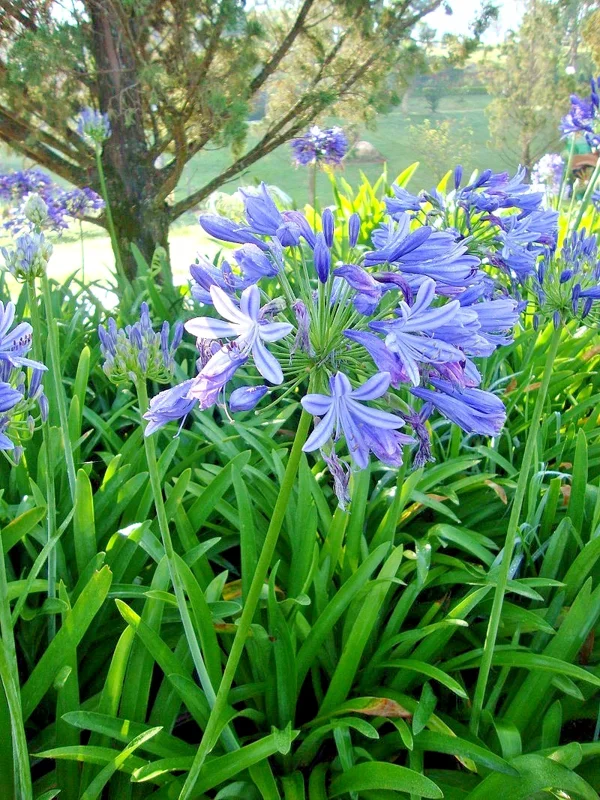
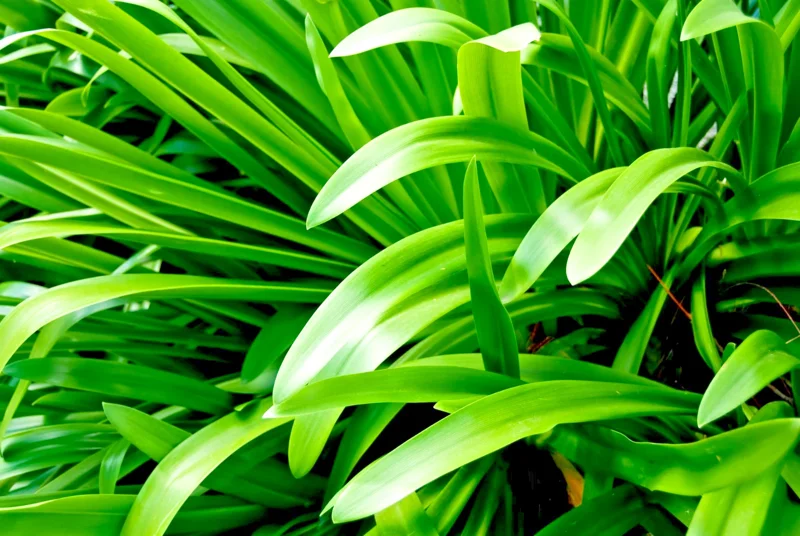
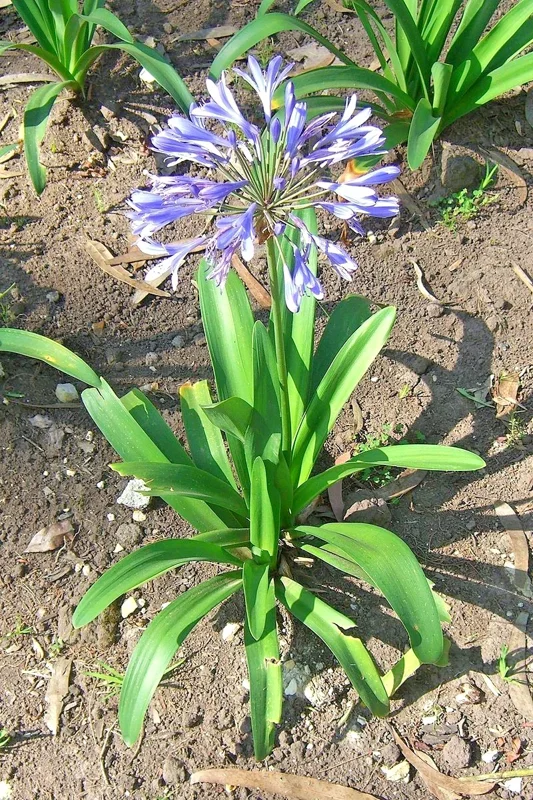
This offering includes 100 blue lily of the nile seeds, providing an ample supply to start a beautiful patch of these elegant flowers. Agapanthus plants, once mature, typically reach a height of 2-4 feet with a spread of 1-2 feet, forming attractive clumps. Their growth habit is clumping, with strap-like foliage that remains attractive even when not in bloom. The plants develop at a fast growth rate, and you can expect to see blooms in summer, usually in their second or third year from seed. These agapanthus seeds are sourced from the United States and are known for their freshness, ensuring a good start to your gardening endeavor. They are perennial flower seeds, meaning they will return year after year, establishing a long-lasting presence in your garden. The cultivating difficulty for these seeds is considered very easy, making them accessible to gardeners of all experience levels.
Frequently Asked Questions
- Q: How big does this plant get? A: Mature Agapanthus plants typically reach a height of 2-4 feet and spread 1-2 feet, forming attractive clumps of foliage and flower stalks.
- Q: Is this an indoor or outdoor plant? A: While young seedlings can be started indoors, hardy agapanthus are primarily outdoor plants, thriving in garden beds and containers in USDA Zones 7-10.
- Q: How much sunlight does it need? A: Agapanthus prefers full sun to partial shade, ideally receiving at least 6 hours of direct sunlight per day for the best flowering performance.
- Q: Is this plant easy to care for? A: Yes, these blue lily of the nile seeds grow into very easy-to-care-for plants once established, requiring minimal maintenance.
- Q: What condition will the seeds arrive in? A: The seeds are fresh and packaged to ensure their viability upon arrival, ready for planting.
- Q: How long until it blooms? A: Agapanthus grown from seed typically bloom in their second or third year after planting.
- Q: When is the best time to plant? A: The ideal time to plant agapanthus seeds is in spring or early summer after the last frost.
- Q: Will it survive winter in my zone? A: These are hardy agapanthus, suitable for USDA Hardiness Zones 7-10, meaning they can typically overwinter outdoors in these regions.
- Q: What type of soil is best for these seeds? A: Agapanthus thrive in well-draining soil types such as loam, peat, sand, or silt, with a neutral pH.
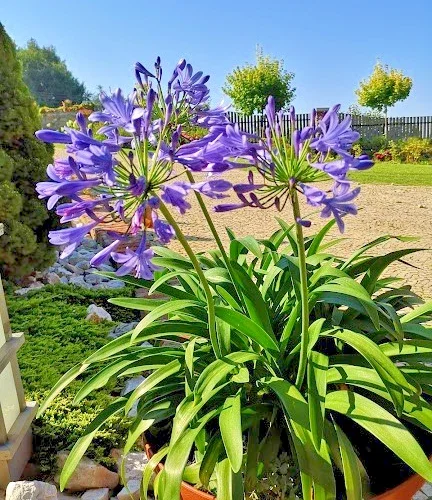
- Q: Can I grow agapanthus from seed in containers? A: Yes, Agapanthus grows very well in containers, provided they have adequate drainage and are large enough to accommodate the mature root system.







Reviews
There are no reviews yet.