Overview
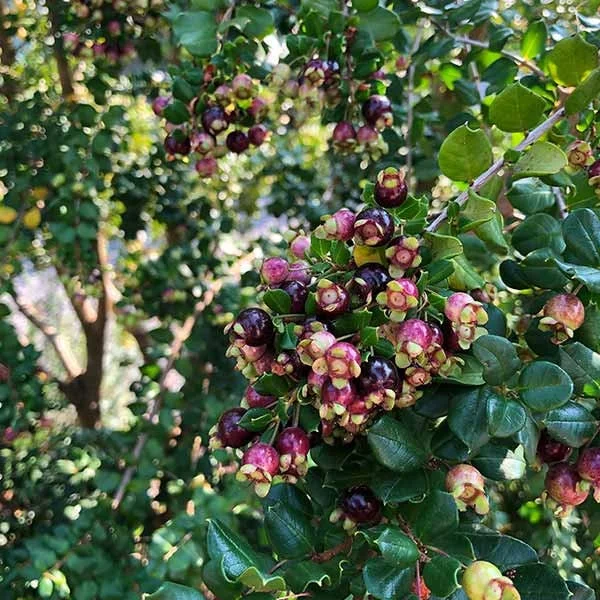
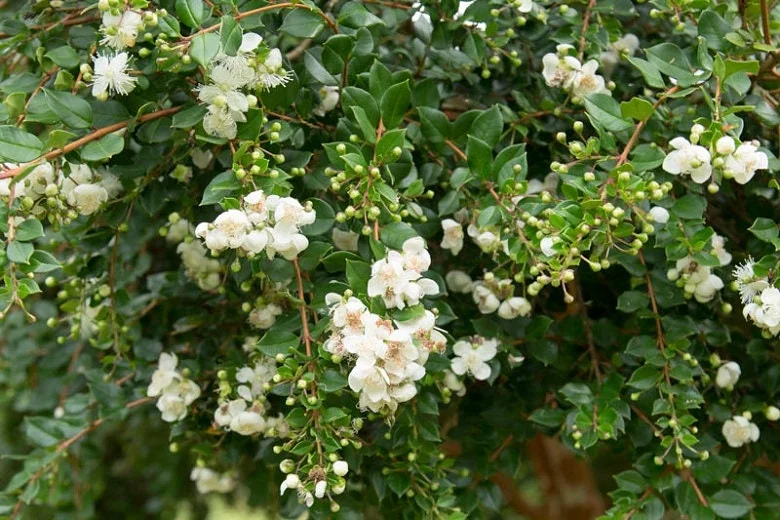
Bring the unique taste and ornamental beauty of the blueberry guava live plant into your garden or patio. Scientifically known as Luma Apiculata, and sometimes referred to as Chilean Guava or Ugni molinae, this evergreen shrub is cherished for its delightful, aromatic fruits that resemble blueberries in appearance and offer a distinct, sweet-tart flavor. Originating from Chile and Argentina, the luma apiculata plant is a versatile addition to any landscape, providing year-round interest with its glossy green leaves, attractive reddish-brown bark, and charming white flowers. This robust specimen arrives in a 3-gallon pot, ensuring a healthy start for your new edible plant. Ideal for those looking to add an unusual and productive fruit-bearing shrub to their collection, the blueberry guava live plant is a fantastic choice for both novice and experienced gardeners.
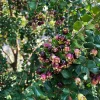
The blueberry guava live plant is not just about its delicious fruit; it’s also a highly ornamental shrub. Its dense foliage makes it suitable for hedges or screens, while its unique cinnamon-colored bark peels to reveal lighter layers, adding textural interest, especially in winter. The fragrant, bell-shaped white flowers bloom in spring, attracting pollinators and leading to a bountiful harvest of berries in late summer to fall. Whether you’re interested in edible landscaping plants or simply want a beautiful, low-maintenance shrub, the luma apiculata plant offers a compelling combination of aesthetics and productivity.
Key Benefits
The blueberry guava live plant offers a multitude of benefits, making it a highly desirable addition to any garden:
- Delicious Edible Fruit: Enjoy a harvest of small, flavorful berries that taste like a cross between strawberry, pineapple, and apple, with a hint of blueberry. Perfect for fresh eating, jams, jellies, and desserts, offering a unique culinary experience.
- Ornamental Appeal: Beyond its fruit, the luma apiculata plant boasts glossy evergreen foliage, attractive peeling bark, and fragrant white flowers, providing year-round visual interest in your landscape.
- Versatile Landscaping: Suitable for use as a specimen plant, in hedges, or as part of an edible landscaping plants design. Its compact size also makes it an excellent choice for container gardening on patios or balconies.
- Attracts Pollinators: The charming white flowers of the blueberry guava live plant are a magnet for bees and other beneficial pollinators, contributing to the biodiversity of your garden.
- Relatively Low Maintenance: Once established, this shrub is generally easy to care for, requiring moderate watering and minimal pruning to maintain its shape and promote fruiting.
- Drought Tolerant: While it appreciates consistent moisture, the blueberry guava live plant shows good drought tolerance once mature, making it suitable for water-wise gardens.
- Unique and Exotic: Stand out from common garden plants with this distinctive fruit-bearing shrub, adding an exotic touch and conversation starter to your garden. Many gardeners seek the myrtus ugni plant for its unique qualities.
Plant Care & Growing Tips
Caring for your blueberry guava live plant is straightforward, ensuring years of beautiful foliage and delicious fruit. This shrub thrives in a position with full sun to partial shade. In hotter climates, some afternoon shade can protect the plant from scorching, but too much shade will reduce fruit production. Aim for at least 6 hours of direct sunlight daily for optimal growth and fruiting. When planting, choose a site with well-draining soil. While adaptable to various soil types, it prefers slightly acidic to neutral soil (pH 5.5-7.0). Amend heavy clay soils with organic matter to improve drainage, and sandy soils to enhance water retention. The luma apiculata plant benefits from consistent moisture, especially during its establishment period and while fruiting. Water deeply and regularly, allowing the top inch or two of soil to dry out between waterings. Avoid waterlogging, as this can lead to root rot.
The blueberry guava live plant is generally hardy in USDA Zones 8-10, tolerating temperatures down to about 15-20°F (-9 to -6°C). In colder climates, it can be grown in containers and brought indoors during winter, or given significant winter protection. Fertilize with a balanced, slow-release fertilizer in early spring as new growth begins, and again in mid-summer. Follow package instructions for application rates. Pruning is typically minimal, focused on removing dead, damaged, or crossing branches, and shaping the plant to your desired size and form. Prune after the fruiting season to avoid sacrificing the next year’s crop. Watch for common pests like aphids or scale, and treat with horticultural oil or insecticidal soap if necessary. The blueberry guava care routine is quite forgiving, making it an excellent choice for various gardening levels.
Size & Details
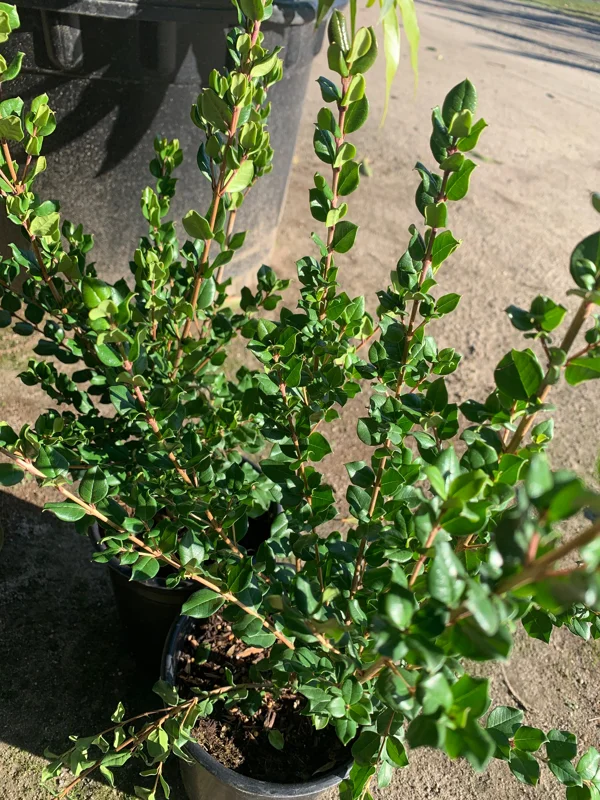
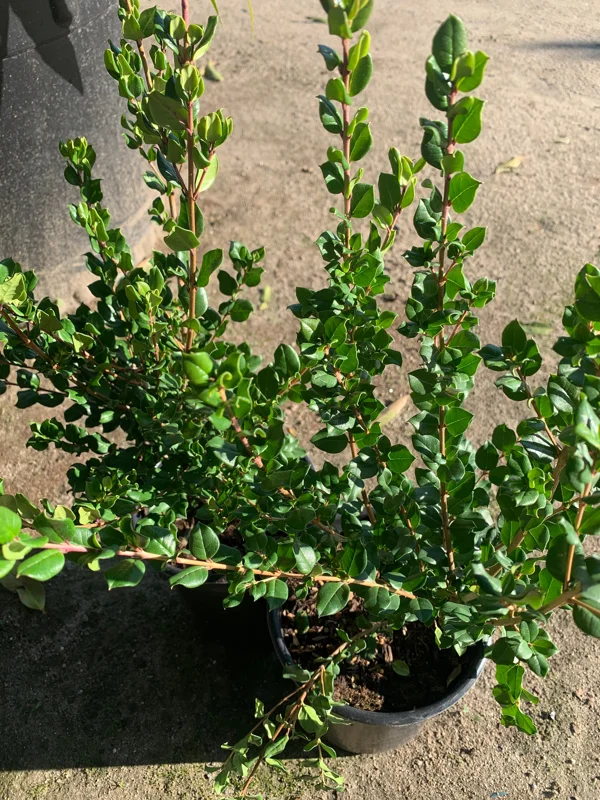
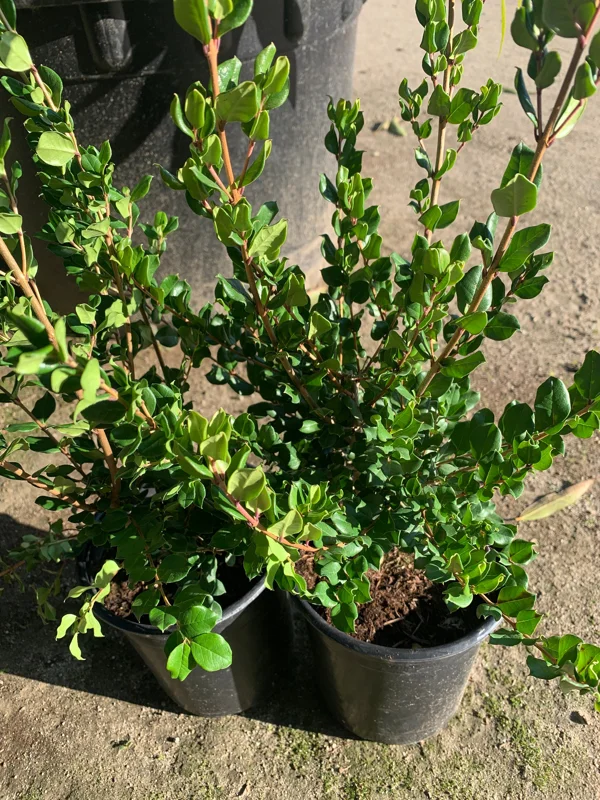
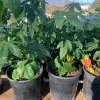
This blueberry guava live plant (Luma Apiculata) is shipped as a healthy, established specimen in a 3-gallon nursery pot. At the time of shipment, the plant typically stands between 18-30 inches tall, providing a significant head start for growth in your garden. With proper care, this shrub can reach a mature height of 6-10 feet and a width of 4-8 feet, though it can be kept smaller with regular pruning. It has a moderate growth rate, establishing itself well within the first year. The small, pea-sized fruits typically ripen in late summer to early fall, approximately 2-3 years after planting for optimal yield. The plant’s evergreen nature ensures year-round foliage, and its unique peeling bark adds textural interest throughout all seasons. This luma apiculata plant is ready to be transplanted into its final location, whether that be directly into the ground or a larger container.
Frequently Asked Questions
- Q: How big does this plant get? A: The blueberry guava live plant typically grows 6-10 feet tall and 4-8 feet wide at maturity, but it can be maintained at a smaller size with regular pruning, especially if grown in a container.
- Q: What size pot does it come in? A: This plant is shipped in a 3-gallon nursery pot, providing a well-established root system for successful transplanting.
- Q: Is this an indoor or outdoor plant? A: The blueberry guava live plant is primarily an outdoor shrub, hardy in USDA Zones 8-10. However, it can be grown in containers and brought indoors during winter in colder climates.
- Q: How much sunlight does it need? A: For best fruit production, the luma apiculata plant requires full sun (at least 6 hours daily). In very hot climates, it can tolerate partial shade, especially in the afternoon.
- Q: Is this plant easy to care for? A: Yes, blueberry guava care is relatively easy. Once established, it requires moderate watering and minimal pruning, making it suitable for gardeners of various skill levels.
- Q: What condition will it arrive in? A: Your blueberry guava live plant will arrive as a healthy, thriving plant, carefully packaged to ensure its safe journey. It will be in its 3-gallon pot with soil.
- Q: Can I use blueberry guava in cooking? A: Absolutely! The small, flavorful berries are excellent for fresh eating, making jams, jellies, pies, and other desserts, or infusing into drinks.
- Q: How long until it blooms and fruits? A: The plant typically blooms in spring, with fruits ripening in late summer to early fall. You can expect significant fruit production within 2-3 years of planting for this established size.
- Q: Will it survive winter in my zone? A: The blueberry guava live plant is hardy in USDA Zones 8-10. If you are in a colder zone, you will need to provide winter protection or grow it in a container and move it indoors.
- Q: What is the best soil type for this plant? A: It prefers well-draining soil with a slightly acidic to neutral pH. Amending with organic matter is beneficial for both clay and sandy soils.



Reviews
There are no reviews yet.