Overview
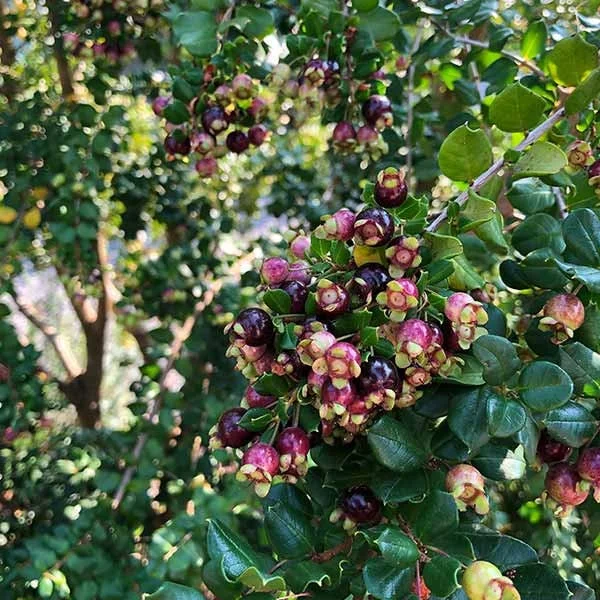
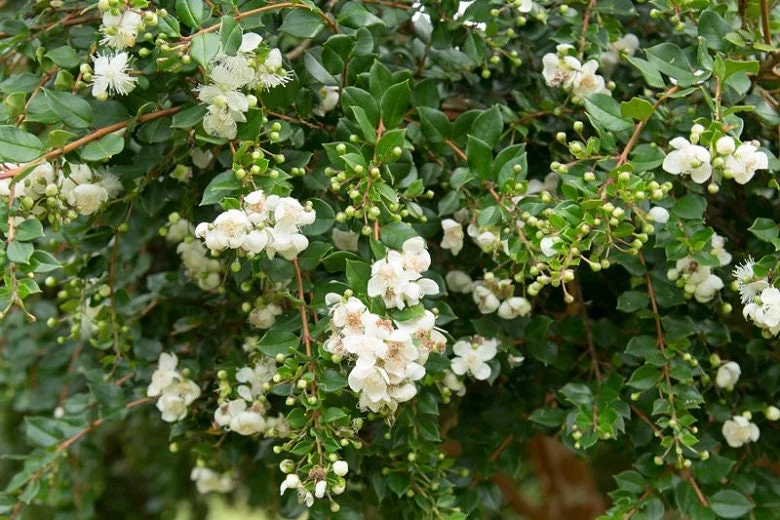
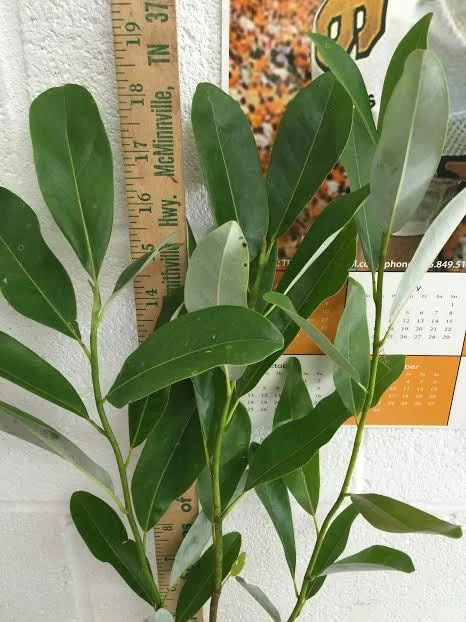
Experience the unique charm and delicious fruit of the blueberry guava live plant, scientifically known as Luma Apiculata. This exceptional evergreen shrub, also commonly referred to as Chilean Myrtle or Arrayán, is a captivating addition to any garden or landscape. Originating from the temperate forests of Chile and Argentina, the blueberry guava shrub is prized for its attractive, cinnamon-colored bark that peels to reveal creamy patches, glossy dark green leaves, and fragrant white flowers. Beyond its ornamental appeal, the plant yields small, dark purple berries that resemble blueberries, offering a sweet and aromatic flavor that is a delightful treat fresh from the branch or used in jams and desserts. Growing a luma apiculata plant offers both aesthetic beauty and edible rewards for the home gardener.
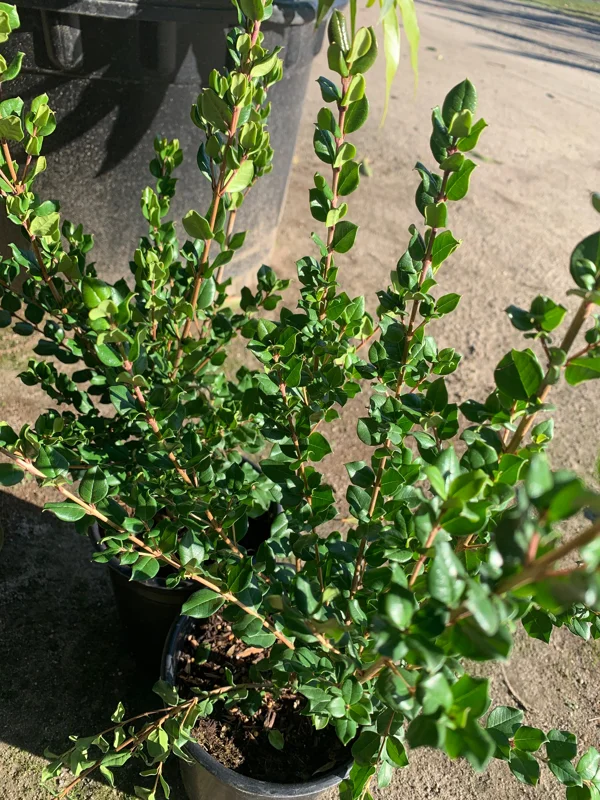
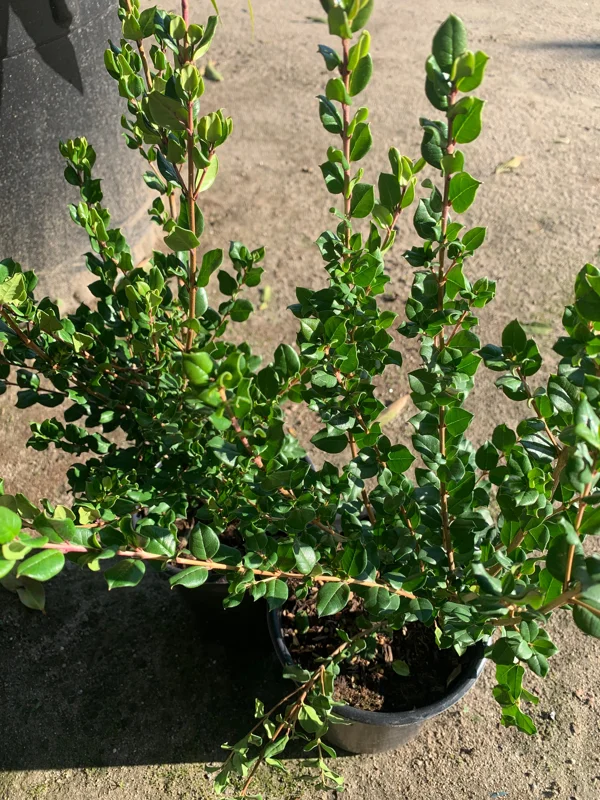
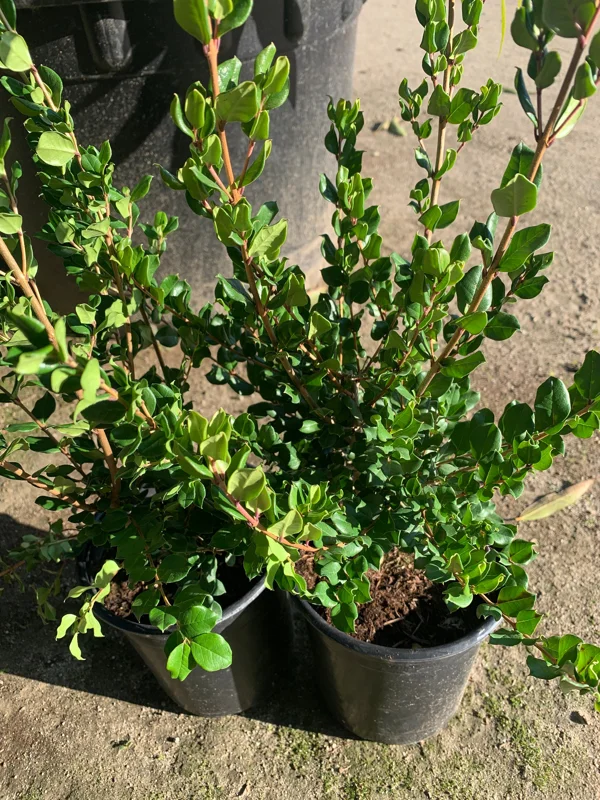
This particular offering is for one healthy blueberry guava live plant, shipped in a 6-inch pot, ready to be transplanted into your garden or a larger container. It’s a robust and adaptable species, making it suitable for a variety of garden designs, from edible hedges to standalone specimen plants. Its moderate growth rate and relatively low maintenance requirements make it an excellent choice for both experienced gardeners and those new to growing fruiting shrubs. Enjoy the beauty, fragrance, and taste that this remarkable plant brings to your outdoor space.
Key Benefits
The blueberry guava live plant offers a multitude of benefits, enhancing your garden with its beauty and productivity. Its unique characteristics make it a valuable addition to diverse landscapes.
- Edible & Delicious Fruit: Produces small, dark purple berries with a sweet, aromatic flavor, reminiscent of blueberries and traditional guava. These delicious fruits can be enjoyed fresh, in desserts, or made into preserves.
- Attractive Ornamental Features: Features stunning, peeling cinnamon-colored bark that provides year-round visual interest. Its glossy, dark green foliage and fragrant white flowers add to its aesthetic appeal.
- Versatile Landscaping Use: Can be grown as an attractive hedge, a standalone specimen plant, or even trained as a small tree. Its dense growth habit makes it suitable for privacy screens or windbreaks.
- Fragrant Blooms: In late summer to early autumn, the plant produces abundant, small, white, star-shaped flowers that emit a delightful, sweet fragrance, attracting pollinators to your garden.
- Evergreen Foliage: Maintains its lush, green leaves throughout the year, providing continuous color and structure to your garden, especially valuable in winter months.
- Relatively Low Maintenance: Once established, the blueberry guava shrub is quite hardy and requires minimal care, making it an excellent choice for gardeners seeking both beauty and ease.
- Adaptable to Various Soils: While preferring well-draining, slightly acidic soil, the luma apiculata plant can tolerate a range of soil types, showing good adaptability.
Plant Care & Growing Tips
Caring for your blueberry guava live plant is relatively straightforward, ensuring you’ll enjoy its beauty and bounty for years to come. This shrub thrives in conditions that mimic its native habitat, which involves mild, moist climates. For optimal growth and fruit production, understanding its specific needs for sunlight, water, and soil is crucial. When planting, choose a location that receives full sun to partial shade. In hotter climates, some afternoon shade can protect the plant from intense heat and prevent leaf scorch. Aim for at least 4-6 hours of direct sunlight daily. The plant is hardy in USDA Zones 9–11, tolerating light frosts but requiring protection in colder regions.
Watering should be consistent, especially during dry spells and in the plant’s first few years. The soil should be kept consistently moist but never waterlogged, as good drainage is essential to prevent root rot. A well-draining, slightly acidic to neutral soil (pH 5.5-7.0) rich in organic matter is ideal. Amend heavy clay soils with compost or sand to improve drainage. Fertilize in early spring with a balanced, slow-release granular fertilizer formulated for fruiting shrubs or general-purpose plants. Pruning can be done to maintain shape, remove dead or damaged branches, or to encourage a bushier habit. The best time for significant pruning is after fruiting or in late winter/early spring before new growth begins. Monitor for common pests like aphids or scale, though the edible guava plant is generally quite resilient.
Size & Details
This offering includes one healthy blueberry guava live plant, meticulously grown and shipped in a 6-inch nursery pot. Upon arrival, the plant will typically stand between 10 to 18 inches tall, ready for immediate transplanting into your garden or a larger container. The blueberry guava shrub is a moderate grower, generally reaching a mature height of 10-15 feet with a similar spread if left unpruned, though it can be kept smaller with regular shaping. It forms a dense, bushy habit, making it an excellent candidate for hedging or screening. The plant will begin producing its characteristic small, dark purple berries typically within 2-3 years, with fruiting occurring from late summer into autumn. The berries are about 1/2 inch in diameter, resembling blueberries, and are a highlight for any gardener looking for an edible guava plant.
Frequently Asked Questions
- Q: How big does this plant get? A: The blueberry guava live plant typically grows to a mature height of 10-15 feet and a similar spread if unpruned. With regular pruning, it can be maintained at a smaller, more manageable size for hedges or containers.
- Q: What size pot does it come in? A: This blueberry guava live plant is shipped in a 6-inch nursery pot, providing a strong root system ready for transplanting.
- Q: Is this an indoor or outdoor plant? A: The luma apiculata plant is primarily an outdoor shrub, thriving in USDA Zones 9-11. In colder climates, it can be grown in a container and brought indoors during winter.
- Q: How much sunlight does it need? A: It prefers full sun to partial shade, ideally receiving at least 4-6 hours of direct sunlight daily. In very hot climates, some afternoon shade is beneficial.
- Q: Is this plant easy to care for? A: Yes, the blueberry guava shrub is considered relatively low maintenance once established. It requires consistent watering, well-draining soil, and occasional fertilization.
- Q: What condition will it arrive in? A: Your blueberry guava live plant will arrive carefully packaged, healthy, and ready for planting, still in its 6-inch nursery pot.
- Q: Can I eat the berries? A: Absolutely! The small, dark purple berries produced by the edible guava plant are sweet, aromatic, and delicious, perfect for fresh eating, jams, or desserts.
- Q: How long until it blooms? A: This plant typically begins blooming and fruiting within 2-3 years of planting, with fragrant white flowers appearing in late summer to early autumn, followed by berries.
- Q: Will it survive winter in my zone? A: The blueberry guava live plant is hardy in USDA Zones 9-11. If you live in a colder zone, you’ll need to provide winter protection or grow it in a container that can be moved indoors.
- Q: What type of soil does it prefer? A: It thrives in well-draining, slightly acidic to neutral soil that is rich in organic matter. Good drainage is key to its health.



Reviews
There are no reviews yet.