Overview
Embark on a rewarding gardening journey with our premium packet of butternut squash seeds. This selection offers 50 high-quality, non-treated vegetable seeds, specifically chosen for their robust growth and delicious yield. Butternut squash, scientifically known as Cucurbita moschata, is a versatile and popular winter squash variety, cherished for its sweet, nutty flavor and smooth texture. These seeds are perfect for gardeners looking to cultivate their own healthy and flavorful produce right in their backyard. Whether you’re a seasoned gardener or just starting out, growing butternut squash seeds provides the satisfaction of harvesting your own food, ensuring freshness and quality from soil to table. Get ready to transform your garden into a productive oasis with these exceptional seeds.
Our winter squash seeds are selected for their viability and potential to thrive in a variety of growing conditions, making them an excellent choice for outdoor gardening seeds. Butternut squash is known for its long storage life, allowing you to enjoy your harvest throughout the cooler months. The vibrant orange flesh is packed with essential nutrients, including vitamins A and C, and is incredibly versatile in the kitchen, suitable for roasting, soups, purees, and much more. Experience the joy of growing your own food and the rich, satisfying taste of homegrown butternut squash.
Key Benefits
Growing your own butternut squash seeds offers numerous advantages, from fresh, healthy produce to the simple pleasure of gardening. Here are some of the key benefits:
- Nutrient-Rich Harvest: Butternut squash is a powerhouse of nutrition, rich in vitamins A and C, fiber, and antioxidants. Growing your own ensures you have access to fresh, healthy produce free from unwanted chemicals.
- Versatile Culinary Uses: The sweet and nutty flavor of butternut squash makes it incredibly versatile. It can be roasted, mashed, pureed into soups, or used in baked goods, adding a delicious and healthy component to countless dishes.
- Long Storage Life: One of the greatest advantages of winter squash like butternut is its ability to be stored for extended periods in a cool, dry place. This means you can enjoy your harvest long after the growing season ends.
- Rewarding Gardening Experience: Watching your butternut squash seeds sprout and mature into large, healthy plants is incredibly satisfying. It’s a fantastic way to connect with nature and enjoy the fruits (or vegetables!) of your labor.
- Non-Treated Seeds: Our non-treated vegetable seeds ensure you’re starting your garden with natural, chemical-free options, promoting healthier plants and a more environmentally friendly approach to gardening.
- Outdoor Adaptability: These outdoor gardening seeds are well-suited for a range of outdoor climates, offering robust growth and a good yield when provided with proper care.
- Economic & Sustainable: Growing your own vegetables can be a cost-effective way to supplement your diet and reduce your reliance on store-bought produce, contributing to a more sustainable lifestyle.
Plant Care & Growing Tips
To ensure a successful harvest from your butternut squash seeds, understanding their specific care requirements is crucial. Butternut squash thrives in warm weather and requires ample space to grow. Planting should occur after all danger of frost has passed, typically in late spring or early summer, when soil temperatures are consistently above 65°F (18°C). Choose a site that receives full sun, meaning at least 6-8 hours of direct sunlight per day. Prepare your soil by enriching it with compost or other organic matter to improve fertility and drainage. Butternut squash prefers well-draining soil with a pH between 6.0 and 6.8. When planting your winter squash seeds, sow them about 1 inch deep and 3-4 feet apart in rows, or in hills of 3-5 seeds spaced 4-5 feet apart. Once seedlings emerge, thin them to 2-3 strong plants per hill to prevent overcrowding.
Consistent watering is essential, especially during flowering and fruit development. Aim for deep watering 1-2 times per week, providing about 1 inch of water. Avoid overhead watering to prevent fungal diseases; instead, water at the base of the plant. Fertilize your butternut squash plants every 3-4 weeks with a balanced organic fertilizer, or one higher in phosphorus and potassium once flowering begins. Keep the area around your plants free of weeds, which compete for nutrients and water. Mulching around the plants can help suppress weeds, retain soil moisture, and regulate soil temperature. Watch out for common pests like squash bugs and vine borers, and address them promptly using organic pest control methods or by hand-picking. Proper care will lead to a bountiful yield of delicious butternut squash from your outdoor gardening seeds.
Size & Details
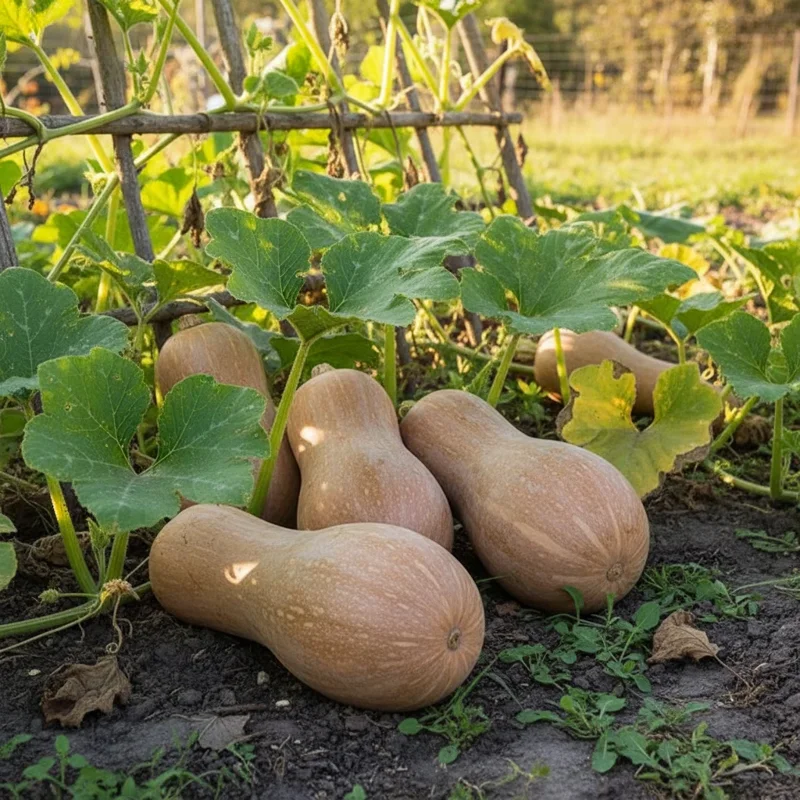
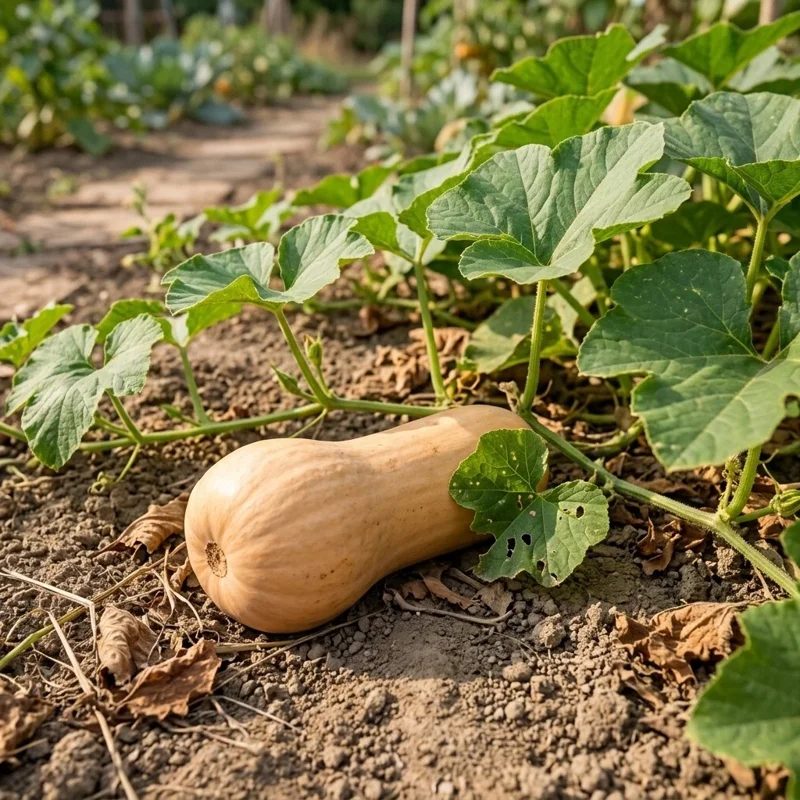
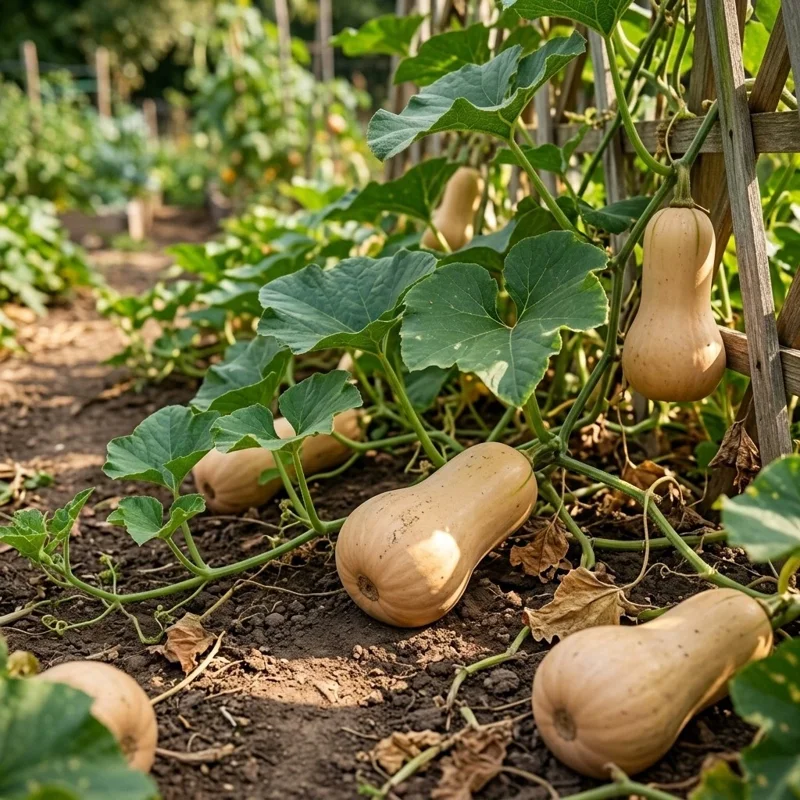
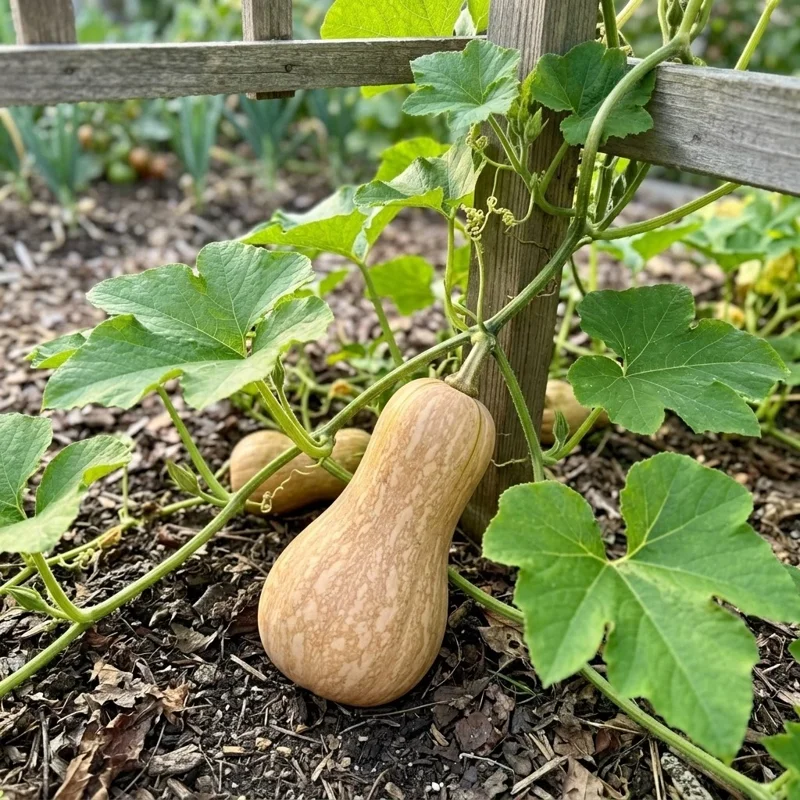
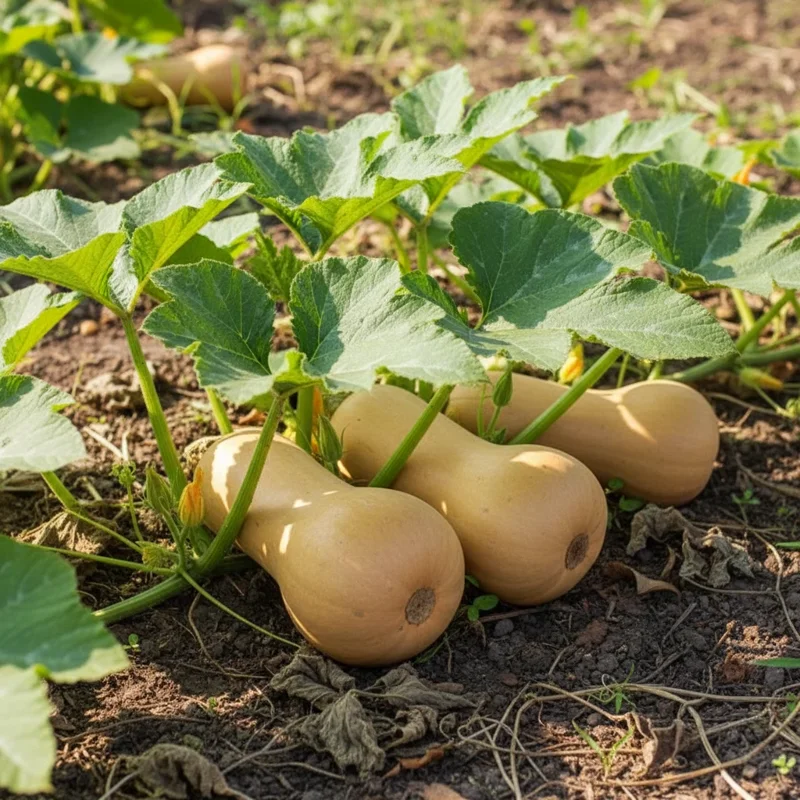
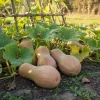
This packet contains 50 butternut squash seeds, providing a generous quantity for a successful planting season. Each seed holds the potential to grow into a robust plant, typically producing several large, pear-shaped squash. The mature fruit usually weighs between 2-5 pounds and measures 8-12 inches in length. Butternut squash plants are vining, meaning they will spread out significantly, so ensure they have adequate space or provide a trellis for vertical growth. From planting, you can expect to harvest your butternut squash in approximately 90-110 days. The seeds are packaged to maintain viability and are ready for planting in your garden. These non-treated vegetable seeds are a great starting point for any gardener aiming for a healthy and productive harvest.
Frequently Asked Questions
- Q: How big does a butternut squash plant get? A: Butternut squash plants are vining and can spread quite extensively, often 10-15 feet or more, depending on the variety and growing conditions. Providing a trellis or ample ground space is recommended for these outdoor gardening seeds.
- Q: How much sunlight do butternut squash seeds need to grow? A: Butternut squash requires full sun, meaning at least 6 to 8 hours of direct sunlight per day, to produce a healthy and abundant crop.
- Q: Is this plant easy to care for? A: Butternut squash is generally considered moderately easy to grow. It requires consistent watering, fertile soil, and warmth, but is quite resilient once established, making it a good choice for those looking to grow butternut squash.
- Q: When is the best time to plant winter squash seeds? A: The best time to plant butternut squash seeds is after all danger of frost has passed in your area, typically in late spring or early summer, when soil temperatures are consistently warm.
- Q: Can I grow butternut squash in a container? A: While butternut squash is a vining plant, it can be grown in very large containers (at least 15-20 gallons) with adequate support for the vines, especially if you choose a bush variety.
- Q: How long until butternut squash is ready to harvest? A: Butternut squash typically takes about 90 to 110 days from planting to reach maturity and be ready for harvest. Look for hard skin and a deep, uniform color.
- Q: Are these non-treated vegetable seeds organic? A: While these seeds are non-treated, meaning they have not been coated with fungicides or pesticides, they are not specifically certified organic.
- Q: What type of soil is best for outdoor gardening seeds like butternut squash? A: Butternut squash thrives in well-draining, fertile soil rich in organic matter. A slightly acidic to neutral pH (6.0-6.8) is ideal.
- Q: What USDA zones are suitable for growing butternut squash? A: Butternut squash is typically grown as an annual in most USDA zones, as it requires warm temperatures and a long growing season. It performs best in zones where summer temperatures are consistently warm.
- Q: What condition will the butternut squash seeds arrive in? A: Your butternut squash seeds will arrive securely packaged to ensure their viability and readiness for planting.




Reviews
There are no reviews yet.